 Talmud Bavli
The learning on the whole site is dedicated : L'ilui Nishmat Jamila bat Chlomo Abensour
The learning on the whole site is dedicated : L'ilui Nishmat Jacques Isaac Ben Amram Loubaton
The learning on the whole site is dedicated : L'ilui Nishmat Avraham Ben Simha
Kiddushin 9a : Youtube
Daf TubeYoutube
2 video classes :
Kiddushin Page 9a
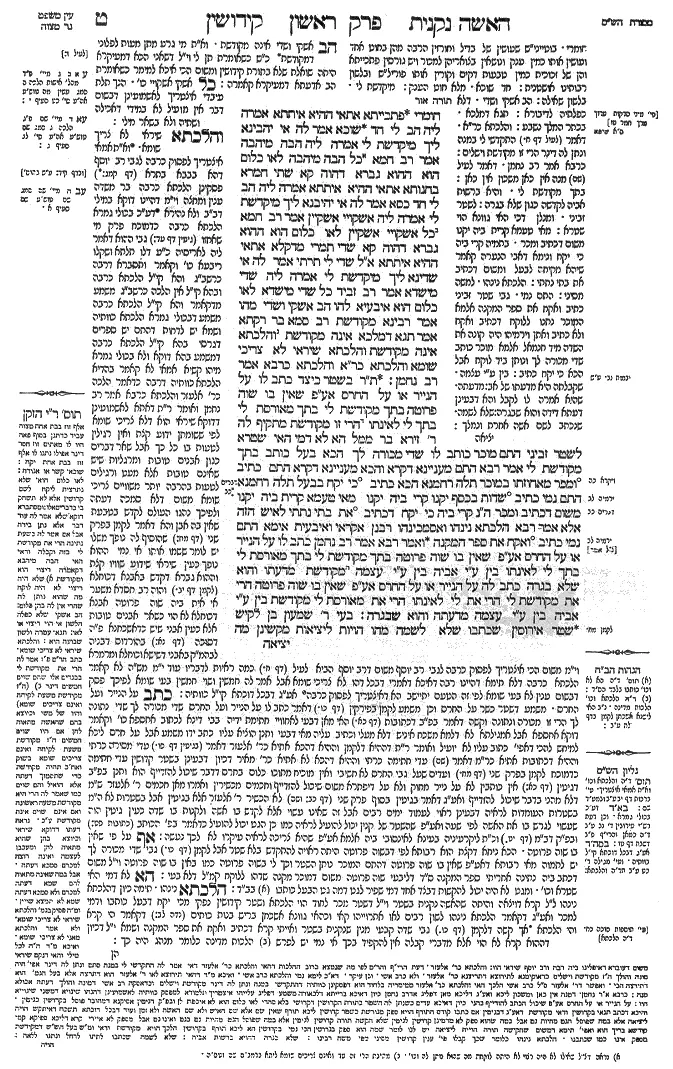
Kiddushin 9a - Guemara
חומרי פתכייתא אתאי ההיא איתתא אמרה ליה הב לי חד שוכא אמר לה אי יהבינא ליך מיקדשת לי אמרה ליה הבה מיהבה אמר רב חמא כל הבה מיהבה לאו כלום הוא ההוא גברא דהוה קא שתי חמרא בחנותא אתאי ההיא איתתא אמרה ליה הב לי חד כסא אמר לה אי יהיבנא ליך מיקדשת לי אמרה ליה אשקויי אשקיין אמר רב חמא כל אשקויי אשקיין לאו כלום הוא ההוא גברא דהוה קא שדי תמרי מדקלא אתאי ההיא איתתא א"ל שדי לי תרתי אמר לה אי שדינא ליך מיקדשת לי אמרה ליה שדי מישדא אמר רב זביד כל שדי מישדא לאו כלום הוא איבעיא להו הב אשקי ושדי מהו אמר רבינא מקודשת רב סמא בר רקתא אמר תגא דמלכא אינה מקודשת והלכתא אינה מקודשת והלכתא שיראי לא צריכי שומא והלכתא כר"א והלכתא כרבא אמר רב נחמן :
ת"ר בשטר כיצד כתב לו על הנייר או על החרס אע"פ שאין בו שוה פרוטה בתך מקודשת לי בתך מאורסת לי בתך לי לאינתו הרי זו מקודשת מתקיף לה ר' זירא בר ממל הא לא דמי האי שטרא לשטר זביני התם מוכר כותב לו שדי מכורה לך הכא בעל כותב בתך מקודשת לי אמר רבא התם מעניינא דקרא והכא מעניינא דקרא התם כתיב (ויקרא כה, כה) ומכר מאחוזתו במוכר תלה רחמנא הכא כתיב (דברים כב, יג) כי יקח בבעל תלה רחמנא התם נמי כתיב (ירמיהו לב, מד) שדות בכסף יקנו קרי ביה יקנו מאי טעמא קרית ביה יקנו משום דכתיב ומכר ה"נ קרי ביה כי יקח דכתיב (דברים כב, טז) את בתי נתתי לאיש הזה אלא אמר רבא הלכתא נינהו ואסמכינהו רבנן אקראי ואיבעית אימא התם נמי כתיב (ירמיהו לב, יא) ואקח את ספר המקנה ואמר רבא אמר רב נחמן כתב לו על הנייר או על החרס אע"פ שאין בו שוה פרוטה בתך מקודשת לי בתך מאורסת לי בתך לי לאינתו בין ע"י אביה בין ע"י עצמה מקודשת מדעתו והוא שלא בגרה כתב לה על הנייר או על החרס אע"פ שאין בו שוה פרוטה הרי את מקודשת לי הרי את לי לאינתו הרי את מאורסת לי מקודשת בין ע"י אביה בין ע"י עצמה מדעתה והוא שבגרה :
בעי ר' שמעון בן לקיש שטר אירוסין שכתבו שלא לשמה מהו הויות ליציאות מקשינן מה
Comments from Rashi on Masechet Kiddushin Page 9a
חומרי . בוטייני"ש (כפתורים [לנוי]) שעושין של בדיל וחורזין הרבה מהן בחוט אחד ועושין אותו כמין ענק ונושאין בצואריהן למכור ויש גורסין פתכייתא והן של זכוכית כמין טבעות דקים וקורין אותו פוריל"ש (פיוילי"ש: סגרים, מכבנות [גם אלה בעיקר לנוי. יש גם אפשרות לקרוא את הלעז: פיולי"ש, ואז יהיה פירושו "צלוחיות קטנות" שהנשים מתקשטות בהם ובתוכם בושם]) ובלשון רבותינו אושטנית (מושטניצי"ש: ענקים, שרשרות) : חד שוכא . מלא חוט הענק: מיקדשת לי . בלשון שאילה: הב אשקי ושדי . דלא כפלתיה לדיבורא: תגא דמלכא . בכתר המלך נשבע: והלכתא כר"א . דאמר (לעיל קידושין דף ח.) התקדשי לי במנה ונתן לה דינר הרי זו מקודשת וישלים: כרבא אמר רב נחמן . דאמר לעיל (שם) מנה אין כאן משכון אין כאן: בתך מקודשת לי . והיא ברשות אביה לקדשה כגון שלא בגרה: לשטר זביני . ומנלן דכי האי גוונא הוי שטרא: מאי טעמא קרית ביה יקנו משום דכתיב ומכר . בתמיה קרי ביה כי יקח ונימא דאבי הנערה קאמר שיהא מקיחה לבעל ומשום דכתיב את בתי נתתי: הלכתא נינהו . למשה מסיני: התם נמי . גבי שטר זביני כתיב ואקח את ספר המקנה אלמא המוכר נתנו ללוקח דכתיב ואקח ולא כתיב ואתן וירמיהו היה קונה את השדה מיד חנמאל אלמא מוכר כותב שדי מכורה לך ונותן ביד לוקח אבל הכא כי יקח כתיב: בין ע"י עצמה . שקבלתה היא מדעתו של אב: מדעתה . שהיא אמרה לו לקבל והא דבעינן דעתא דידה והוא שבגרה: שלא לשמה . שנכתב לשם אשה אחרת ונמלך:
Comments from Tosafot - Kiddushin 9a
כל אשקי אשקויי כו'. הנך תלת עובדי איצטריך לאשמועינן דבשום דבר אין מועיל לא במידי דאכילה ושתיה ולא בשאר מילי: הב אשקי ושדי אינה מקודשת. וא"ת מי גרע מתן מעות לפלוני דמקודשת. כ"ש כשאומרת תן לי וי"ל דשאני הכא דמעיקרא היתה שואלת שלא בתורת קידושין ומשום הכי איכא למימר כשאומרת הב אדעתא דמעיקרא קאמרה: והלכתא שיראי לא צריך שומא. וא"ת אמאי איצטריך לפסוק כרבה לגבי רב יוסף דהא בבבא בתרא (דף קמג:) פסקינן הלכתא כרבה בר משדה ענין ומחצה וי"מ דהיינו דוקא במילי דב"ב ולא נהירא דע"כ בכולי גמרא הלכתא כרבה כדמוכח פרק מי שאחזו (גיטין דף עד:) גבי ההוא דאמר ליה לאריסיה כ"ע דלו תלתא ושקלו ריבעא כו' וקאמר ותסברא דרבה כרשב"ג והא קי"ל הלכתא כרבה ובהא קי"ל אין הלכה כרשב"ג משמע מדקאמר והא קי"ל הלכתא כרבה משמע דבכולי גמרא הלכתא כוותיה ושמא יש לדחות דהתם יש ספרים דגרסי בהא קי"ל הלכתא כרבה דמשמע בהא דוקא ולא בכולי גמרא מיהו קשיא אמאי לא קאמר בהדיא הלכתא כוותיה דרבה כדאמר הלכה כר' אלעזר והלכתא כרבא אמר רב נחמן ואומר ר"ת דאתא לאשמועינן דדוקא שיראי הוא דלא צריכי שומא לפי ששומתן ידוע קצת ואין רגילין לטעות בו כל כך אבל שאר דברים כגון אבנים טובות ומרגליות שיש שאינם טובות אלא מעט ורגילים לטעות בהרבה יותר משוויים צריכי שומא משום דלא סמכה דעתה ולפיכך נהגו העולם לקדש בטבעת שאין בה אבן והא דאמר לקמן בפרק שני (קידושין דף מח:) שהוסיף לה נופך משלו יש לומר ששמו אותו אי נמי ההוא נופך כעין שיראי שידוע שוויו קצת וההוא גברא דקדש באבנא דכוחלא (לקמן קידושין דף יב.) והוה רב חסדא משער אי אית ביה שוה פרוטה אבנא דכוחלא לא הוי כשאר אבנים טובות אלא כעין אבני שיש כדאשכחנא פ"ה דסוכה (דף נא:) בהורדוס דבניה לבהמ"ק באבני דשישא וכוחלא ומרמרא וי"מ משום הכי איצטריך לפסוק כרבה לגבי רב יוסף משום דרב יוסף הביא לעיל (קידושין דף ח.) כמה ראיות לדבריו עוד י"מ מש"ה לא קאמר הלכתא כרבה דלא תימא דהיינו רבה דאיכא דאמרי דבכל דהו לא צריכי שומא אבל אמר לה חמשין ושוי חמשין בעי שומא לפיכך פסק דבשום ענין לא בעי שומא לפי זה הטעם יתיישב הא דאיצטריך לפסוק כרבה אע"ג דבכל דוכתא קי"ל כוותיה: כתב על הנייר ועל החרס. משמע דשטר כשר על החרס וכן משמע לקמן בפירקין (קידושין דף כו.) דאמר כתב לו על הנייר ועל החרס שדי מכורה לך שדי נתונה לך הרי זו מכורה ונתונה וקשה דאמר בפ"ב דכתובות (דף כא.) האי מאן דבעי לאחוויי חתימת ידיה בבי דינא לכתוב אחספא כו' וקאמר דוקא אחספא אבל אמגילתא לא דלמא משכח איניש דלא מעלי וכתיב עליה מאי דבעי ותנן הוציא עליו כתב ידו משמע אבל על חרס ליכא למיחש להכי דאפי' כתוב עליו לא יועיל ואומר ר"ת דההיא דלקמן וההיא דהכא אתיא כר' אלעזר דאמר (בגיטין דף פו.) עדי מסירה כרתי וההיא דכתובות אתיא כר"מ דאמר (שם) עדי חתימה כרתי וההיא דהכא לא אתיא כר' מאיר דכיון דבעינן בשטר קדושין עדי חתימה כדמוכח לקמן בפרק שני (קידושין דף מח.) ועדים שעל גבי החרס לא חשיבי ואין מוכיח מתוכו כלום בחרס דדבר שיכול להזדייף הוא ותנן בפ"ב דגיטין (דף כא:) אין כותבין לא על נייר מחוק ולא על דיפתרא משום שיכול להזדייף וחכמים מכשירין ואמרו מאן חכמים ר' אלעזר ש"מ דלא מהני בדבר שיכול להזדייף ואע"ג דאמר בגיטין בסוף פרק שני (דף כב: ושם) לא הכשיר ר' אלעזר אלא בגיטין אבל בשטרות לא ה"מ בשטרות העומדות לראיה דבעינן ראוי לעמוד ימים רבים אבל זה שאינו עשוי אלא לקדש בו אשה ולקנות בו שדה כעין גיטין הוה שעשוי לגרש בו את האשה לפי שעה ואע"פ שהשטר של קנין יכול להועיל לראיה כמו כן הגט יכול להועיל כדאמר בפ' הכותב (כתובות פט:) ובפ"ק דב"מ (דף יט.) וכ"ת ליקרעיניה בעינא לאינסובי ביה אלמא אע"פ שהיא צריכה לראיה עיקרו לא לכך נעשה: אף על פי שאין בו שוה פרוטה. הכא ניחא דקצת הוא רבותא לפי דבשוה פרוטה היתה ראויה להתקדש בלא שטר אבל לקמן (קידושין דף כו.) גבי שדי מכורה לך יש לתמוה מאי רבותא דאע"פ שאין בו שוה פרוטה דהתם המוכר נותן השטר וכך לי בשוה פרוטה כמו באין בו שוה פרוטה וי"ל משום דכתב ביה נתינה אחריתי ספר המקנה ס"ד דליבעי שוה פרוטה משום דמוכר מקנה שדהו ללוקח קמ"ל דלא בעי: הא לא דמי האי שטרא וכו' . ומגט לא היה יכול להקשות דבצד אחד דמי שפיר לגט דמה גט הבעל כותבו בב"ד: הלכתא נינהו . תימה כיון דהלכתא נינהו ל"ל קרא דויצאה והיתה שהאשה נקנית בשטר וי"ל דשטר מכר לחוד הוי הלכתא ושטר קידושין נפקי מכי יקח דבעל כותבו ודמי למכר ואע"ג דקאמר הלכתא נינהו לשון רבים לאו אתרוייהו קאי וכהאי גוונא אשכחן בריש בנות כותים (נדה לב:) דקאמר הי קרא והי הלכתא. אך קשה דלקמן (קידושין דף כו.) גבי שדה קבעי מנין שנקנית בשטר ואייתי קרא דכתיב ואקח את ספר המקנה ושמא י"ל דכיון דההוא קרא לא הוי אלא מדברי קבלה אין להקפיד בכך אי נמי יש לפרש הלכות מדינה כלומר מנהג היה כך:
Kiddushin 9a - Mishnah translated into english
beads [ḥumrei] of glass [petakhyata]. A certain woman came and said to him: Give me one string. He said to her: If I give you this string will you be betrothed to me with it? She said to him: Give, give. Rav Ḥama said: Any use of the expression: Give, give, is nothing. Although she said: Give, give, she did not agree to the condition, as she was mocking him and had no intention of actually becoming betrothed.
The Gemara relates a similar incident: There was a certain man who was drinking wine in a store. A woman came in and said to him: Give me one cup of wine. He said to her: If I give you a cup of wine will you be betrothed to me with it? She said to him: Give to drink, give it to me to drink. Rav Ḥama said that any use of the expression: Give to drink, give it to me to drink, is nothing, i.e., she certainly did not intend to accept the condition and she is not betrothed.
The Gemara further relates: There was a certain man who was picking dates from a date tree. A certain woman came and said to him: Throw me two. He said to her: If I throw two dates to you will you be betrothed to me with them? She said to him: Throw, throw. Rav Zevid said: Any use of the expression: Throw, throw, is nothing, and she is not betrothed.
A dilemma was raised before the Sages: If she said: Give, or: Give to drink, or: Throw, without the additional emphasis of the repetition, what is the halakha? Does this straightforward statement indicate that she actually meant him to give it to her in accordance with his stated condition, or does she not agree to betrothal even here? Ravina said: She is betrothed. Rav Sama bar Rakta said in the form of an oath: By the king’s crown! She is not betrothed. The Gemara states: And the halakha is that she is not betrothed.
The Gemara issues further rulings concerning the previous cases. And the halakha is: With regard to silk garments that are worth more than one peruta, appraisal is not necessary before a woman can be betrothed with them. And the halakha is in accordance with the opinion of Rabbi Elazar, that if a man promised a woman one hundred dinars as betrothal money and gave her only a dinar, she is betrothed. And the halakha is in accordance with the opinion of Rava, who said that Rav Naḥman said that if he promised one hundred dinars and gave her only collateral, this is not a valid betrothal.
§ The Sages taught: How is betrothal performed with a document? If he wrote the following for a young woman’s father on paper or earthenware, despite the fact that the paper or earthenware is not worth one peruta: Your daughter is betrothed [mekuddeshet] to me, or: Your daughter is betrothed [me’oreset] to me, or: Your daughter is to me as a wife, then she is betrothed. There is no requirement for the paper or earthenware to be worth one peruta, as she is not betrothed through the value of the paper or earthenware.
Rabbi Zeira bar Memel objects to this description of the writing of the document: But this document is not comparable to a bill of sale. There, in the case of a bill of sale, the seller is the one who writes to the buyer: My field is sold to you. Here, the husband, who is akin to a buyer, is the one who writes: Your daughter is betrothed to me.
Rava said: There, in the case of a sale, the formulation of the document is taken from the context of the verse, and here, in the case of betrothal, the formulation of the document is likewise taken from the context of the verse. Rava elaborates: There, with regard to a sale, it is written: “And sells of his ancestral land” (Leviticus 25:25), which indicates that the Merciful One renders the transaction dependent on the seller. Here, it is written: “If a man takes a woman” (Deuteronomy 22:13), meaning that the Merciful One renders the betrothal dependent on the husband.
The Gemara asks: There, in the case of a sale, it is also written: “Men shall buy [yiknu] fields for money” (Jeremiah 32:44), which indicates that the matter depends upon the buyer. The Gemara answers: Read into the verse: Shall sell [yikkanu]. The Gemara asks: What is the reason that you read it as yikkanu; because it is written in the verse in Leviticus: “And sells,” and there is a preference to have the verse from the Prophets accord with that of the Torah? So too, instead of: “If a man takes [ki yikaḥ]” (Deuteronomy 22:13), read into the verse: When he is given [ki yakiaḥ], as it is written: “I gave my daughter to this man” (Deuteronomy 22:16), so that the verses will accord with each other.
Rather, Rava said: There is no proof from the verses for these rulings, as they are a halakha received through tradition, and the Sages based them on the verses. And if you wish, say: There too, in the case in Jeremiah, it is written with regard to the buyer: “And I took the deed of purchase” (Jeremiah 32:11), thereby indicating that it is the seller who writes the document.
And Rava says that Rav Naḥman says: If he wrote the following for him on paper or earthenware, despite the fact that the paper or earthenware is not worth one peruta: Your daughter is betrothed [mekuddeshet] to me, or: Your daughter is betrothed [me’oreset] to me, or: Your daughter is to me as a wife, whether he gave it to her father or whether he gave it directly to her, she is betrothed with the consent of her father. And this is the halakha provided that she has not yet reached her majority, before which her father alone has the authority to betroth her.
If he wrote for her on paper or earthenware, despite the fact that the paper or earthenware is not worth one peruta: You are hereby betrothed [mekuddeshet] to me, or: You are hereby to me as a wife, or: You are hereby betrothed [me’oreset] to me, then she is betrothed whether he gave it to her father or to her, as long as this was with her consent. And this is the halakha provided that she has reached her majority and is under her own authority.
§ Rabbi Shimon ben Lakish raises a dilemma: With regard to a document of betrothal that was written not for her sake, i.e., not for this particular woman, what is the halakha? Do we juxtapose the halakhot of the modes of becoming betrothed to the halakhot of the modes of leaving a marriage, i.e., divorce? If so, one should say: Just as
Traduction : The William Davidson digital edition of the Koren Noé Talmud, with commentary by Rabbi Adin Even-Israel Steinsaltz.