 Talmud Bavli
The learning on the whole site is dedicated : L'ilui Nishmat Yechayahou ben Moche
The learning on the whole site is dedicated : L'ilui Nishmat Reuven ben Rivka SEBBAG
The learning on the whole site is dedicated : L'ilui Nishmat Jacques Isaac Ben Amram Loubaton
Kiddushin 30a : Youtube
Daf TubeYoutube
2 video classes :
Kiddushin Page 30a
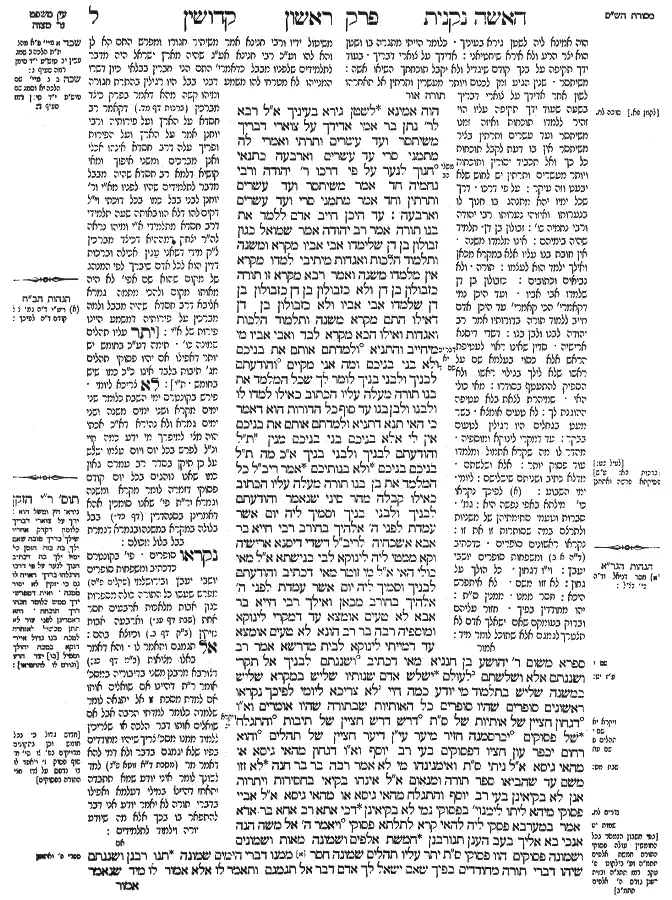
Kiddushin 30a - Guemara
הוה אמינא לשטן גירא בעיניך א"ל רבא לר' נתן בר אמי אדידך על צוארי דבריך משיתסר ועד עשרים ותרתי ואמרי לה מתמני סרי עד עשרים וארבעה כתנאי (משלי כב, ו) "חנ(ו)ך לנער על פי דרכו" ר' יהודה ורבי נחמיה חד אמר משיתסר ועד עשרים ותרתין וחד אמר מתמני סרי ועד עשרים וארבעה עד היכן חייב אדם ללמד את בנו תורה אמר רב יהודה אמר שמואל כגון זבולון בן דן שלימדו אבי אביו מקרא ומשנה ותלמוד הלכות ואגדות מיתיבי למדו מקרא אין מלמדו משנה ואמר רבא מקרא זו תורה כזבולון בן דן ולא כזבולון בן דן כזבולון בן דן שלמדו אבי אביו ולא כזבולון בן דן דאילו התם מקרא משנה ותלמוד הלכות ואגדות ואילו הכא מקרא לבד ואבי אביו מי מיחייב והתניא (דברים יא, יט) ולמדתם אותם את בניכם ולא בני בניכם ומה אני מקיים (דברים ד, ט) והודעתם לבניך ולבני בניך לומר לך שכל המלמד את בנו תורה מעלה עליו הכתוב כאילו למדו לו ולבנו ולבן בנו עד סוף כל הדורות הוא דאמר כי האי תנא דתניא ולמדתם אותם את בניכם אין לי אלא בניכם, בני בניכם מנין ת"ל והודעתם לבניך ולבני בניך א"כ מה ת"ל בניכם בניכם ולא בנותיכם אמר ריב"ל כל המלמד את בן בנו תורה מעלה עליו הכתוב כאילו קבלה מהר סיני שנאמר והודעתם לבניך ולבני בניך וסמיך ליה יום אשר עמדת לפני ה' אלהיך בחורב (דברים ד, י) רבי חייא בר אבא אשכחיה לריב"ל דשדי דיסנא ארישיה וקא ממטי ליה לינוקא לבי כנישתא א"ל מאי כולי האי א"ל מי זוטר מאי דכתיב והודעתם לבניך וסמיך ליה יום אשר עמדת לפני ה' אלהיך בחורב מכאן ואילך רבי חייא בר אבא לא טעים אומצא עד דמקרי לינוקא ומוספיה רבה בר רב הונא לא טעים אומצא עד דמייתי לינוקא לבית מדרשא אמר רב ספרא משום ר' יהושע בן חנניא מאי דכתיב (דברים ו, ז) ושננתם לבניך אל תקרי ושננתם אלא ושלשתם לעולם ישלש אדם שנותיו שליש במקרא שליש במשנה שליש בתלמוד מי יודע כמה חיי לא צריכא ליומי לפיכך נקראו ראשונים סופרים שהיו סופרים כל האותיות שבתורה שהיו אומרים וא"ו (ויקרא יא, מב) דגחון חציין של אותיות של ס"ת (ויקרא י, טז) דרש דרש חציין של תיבות (ויקרא יג, לג) "והתגלח" של פסוקים (תהלים פ, יד) יכרסמנה חזיר מיער עי"ן דיער חציין של תהלים (תהלים עח, לח) והוא רחום יכפר עון חציו דפסוקים בעי רב יוסף וא"ו דגחון מהאי גיסא או מהאי גיסא א"ל ניתי ס"ת ואימנינהו מי לא אמר רבה בר בר חנה לא זזו משם עד שהביאו ספר תורה ומנאום א"ל אינהו בקיאי בחסירות ויתרות אנן לא בקיאינן בעי רב יוסף והתגלח מהאי גיסא או מהאי גיסא א"ל אביי פסוקי מיהא ליתו לימנוי' בפסוקי נמי לא בקיאינן דכי אתא רב אחא בר אדא אמר במערבא פסקי ליה להאי קרא לתלתא פסוקי (שמות יט, ט) ויאמר ה' אל משה הנה אנכי בא אליך בעב הענן תנו רבנן חמשת אלפים ושמונה מאות ושמונים ושמונה פסוקים הוו פסוקי ס"ת יתר עליו תהלים שמונה חסר ממנו דברי הימים שמונה תנו רבנן ושננתם שיהו דברי תורה מחודדים בפיך שאם ישאל לך אדם דבר אל תגמגם ותאמר לו אלא אמור לו מיד שנאמר
Comments from Rashi on Masechet Kiddushin Page 30a
הוה אמינא ליה לשטן גירא בעיניך . כלומר הייתי מתגרה בו ושטן הוא יצר הרע ולא אירא שיחטיאני: אדידך על צוארי דבריך . בעוד ידך תקיפה על בנך קודם שיגדיל ולא יקבל תוכחתך השיאו אשה: משיתסר . שנין הגיע זמן לכנוס ויותר מעשרין ותרתין אל תאחרהו לשון אחר אדידך על צוארי דבריך בשעה שעוד ידך תקיפה עליו הוי זהיר ללמדו תוכחות ואיזה זמנו משיתסר ועד עשרים ותרתין בציר משיתסר אין בו דעת לקבל תוכחות כל כך ואל תכביד יסורין ותוכחות ויותר מעשרים ותרתין יש לחוש שלא יבעט וזה עיקר: על פי דרכו . דרך שכל ימיו יהא מתנהג בו חנוך לו בנערותו ואיזוהי נערותו רבי יהודה ורבי נחמיה כו': זבולון בן דן . תלמיד שהיה בימיהם: אינו מלמדו משנה . אין חובת בנו עליו אלא במקרא מכאן ואילך ילמד הוא לעצמו: תורה . ולא נביאים וכתובים: כזבולון בן דן שלמדו אבי אביו . ועד היכן נמי דקאמרי' הכי קאמרי' עד היכן אדם חייב ללמוד תורה בדורותיו אמר רב יהודה לבנו ולבן בנו: דשדי דיסנא ארישיה . סדין שאינו ראוי לעטיפת הראש אלא כסוי בעלמא שם על ראשו שלא לילך בגילוי ראשו ולא הספיק להתעטף בסודרו: מאי כולי האי . שמיהרת לצאת בלא עטיפה ההוגנת לך: לא טעים אומצא . בשר מעט בגחלים היו רגילין לטעום בבקר: עד דמקרי לינוקא ומוספיה . מהדר לו מה שקרא אתמול ומלמדו עוד פסוק יותר: אלא ושלשתם . מדלא כתיב ושניתם שישלישם: גמ' . סברות וטעמי סתימתיהן של משניות ולתרצם במה שסותרות זו את זו: ליומי . ימי השבוע: לפיכך נקראו כו' . מילתא באפי נפשה היא: נקראו ראשונים סופרים . כדכתיב (ד"ה א ב) ומשפחות סופרים יושבי יעבץ: וי"ו דגחון . כל הולך על גחון: לא זזו משם . לא איתפרש היכא: חסר ממנו . ממנין ס"ת: יהו מחודדין בפיך . חזור עליהם ובדוק בעומקם שאם ישאלך אדם לא תצטרך לגמגם אלא שתוכל לומר מיד:
Comments from Tosafot - Kiddushin 30a
לא צריכא ליומי . פירש בקונטרס ימי השבת כלומר שני ימים מקרא ושני ימים משנה ושני ימים גמרא ולא נהירא דא"כ אכתי הוה מצי למיפרך מי ידע כמה חיי ונ"ל לפרש בכל יום ויום עצמו ישלש על כן תיקן בסדר רב עמרם גאון כמו שאנו נוהגים בכל יום קודם פסוקי דזמרה לומר מקרא ומשנה וגמרא ור"ת פי' שאנו סומכין אהא דאמרינן בסנהדרין (דף כד.) בבל בלולה במקרא במשנה ובגמרא דגמרת בבל בלול מכולם: נקראו סופרים . פי' בקונטרס כדכתיב ומשפחות סופרים יושבי יעבץ ובירושלמי (שקלים פ"ה) מפרש שעשו כל התורה כולה מספרות כגון אבות מלאכות ארבעים חסר אחת (שבת דף עג.) וארבעה אבות נזיקין (ב"ק דף ב.) וכיוצא בהם: [יתר עליו תהלים שמונה כו' . תימה דע"כ בחומש יש יותר דאפילו אם יהיו פסוקי תהלים מג' תיבות בלבד אינו כ"כ כמו שיש בחומש. ת"י]: אל תגמגם ותאמר לו . והא דאמר באלו מציאות (ב"מ דף כג:) דצורבא מרבנן משני בדיבוריה במסכ' אומר ר"ת דהיינו אם שואלים אותו אם למדת מסכת זו אל יתגאה לומר שלמדה כלומר למדתי הרבה אבל אם שואלים אותו דבר הלכה או שצריכין ללמוד ממנו מסכ' צריך שיהיו מחודדים בפיו שלא יגמגם בדבר ולא דמי להא דאמר (מסכת ד"א זוטא פ"ג) למד לשונך לומר איני יודע שמא תתבדה ותאחז דהיינו במילי דעלמא ואפילו בדברי תורה לא יאמר יודע אני דבר להתפאר בו בכך אלא מה שיודע יורה וילמוד לתלמידים:
Kiddushin 30a - Mishnah translated into english
I would say to the Satan: An arrow in your eye, i.e., I would not be afraid of the evil inclination at all. Rava said to Rabbi Natan bar Ami: While your hand is still on your son’s neck, i.e., while you still have authority and control over him, find him a wife. What is the appropriate age? From sixteen until twenty-two, and some say from eighteen until twenty-four.
The Gemara notes that this is like a dispute between tanna’im, based on the verse: “Train a child in the way that he should go” (Proverbs 22:6). Rabbi Yehuda and Rabbi Neḥemya disagreed about the age in which the verse instructs the parent to educate his child: One said that the verse is referring to the ages from sixteen until twenty-two, and one said it is referring to the ages from eighteen until twenty-four. The dispute concerning the correct age for marriage and the dispute about educating a child are the same, as while a father still has a large measure of influence over his son, he must both teach him and find him a wife.
§ The Gemara continues its discussion of a father’s obligation to teach his son Torah. To what extent is a person obligated to teach his son Torah? Rav Yehuda says that Shmuel says: One should emulate the education of, for example, Zevulun ben Dan, a contemporary of Shmuel, whose father’s father taught him Bible, Mishna, Talmud, halakhot, and aggadot. The Gemara raises an objection from a baraita: If a father taught his son Bible, he is not required to teach him Mishna. And Rava said in explanation of this baraita: Bible is the Torah, not the Prophets or Writings, i.e., he is not required to teach him anything else, including Mishna.
The Gemara answers that Shmuel’s statement should be understood as follows: One should teach his son like Zevulun ben Dan was taught in certain aspects, but not like Zevulun ben Dan in other respects. One should teach his son like Zevulun ben Dan in that his father’s father taught him; but not like Zevulun ben Dan, as there he was taught Bible, Mishna, Talmud, halakhot, and aggadot, while here, in this baraita, one is required to teach his son Bible alone.
The Gemara asks: But is one’s father’s father obligated to teach him Torah? But isn’t it taught in a baraita, that the verse: “And you shall teach them to your sons” (Deuteronomy 11:19), indicates: But not your sons’ sons? And how do I realize, i.e., understand, the meaning of the verse: “But make them known to your sons and to your sons’ sons” (Deuteronomy 4:9)? This serves to say to you that whoever teaches his son Torah, the verse ascribes him credit as though he taught him, and his son, and his son’s son, until the end of all generations.
The Gemara answers that the tanna of this baraita stated his opinion in accordance with the opinion of that tanna, as it is taught in another baraita: From the verse “And you shall teach them to your sons” I have derived only that you must teach your sons. From where do I derive that there is an obligation to teach your sons’ sons? The verse states: “But make them known to your sons and to your sons’ sons.” If so, what is the meaning when the verse states: “Your sons” (Deuteronomy 11:19), which implies only sons? This limitation teaches: Your sons, but not your daughters.
Rabbi Yehoshua ben Levi says: Anyone who teaches his son’s son Torah, the verse ascribes him credit as though he received it from Mount Sinai, as it is stated: “But make them known to your sons and to your sons’ sons,” and juxtaposed to it is the phrase in the verse: “The day when you stood before the Lord your God in Horeb” (Deuteronomy 4:10), as Horeb is Mount Sinai.
The Gemara relates: Once Rabbi Ḥiyya bar Abba encountered Rabbi Yehoshua ben Levi, and saw that he had placed an inexpensive covering on his head and brought his child to the synagogue to study. Rabbi Ḥiyya bar Abba said to him: What is the reason for all this fuss, as you are in such a hurry that you do not have time to dress yourself properly? Rabbi Yehoshua ben Levi said to him: Is it insignificant, that which is written: “But make them known to your sons,” and juxtaposed to it is the phrase in the verse that states: “The day when you stood before the Lord your God in Horeb”? The Gemara comments: From this moment onward, Rabbi Ḥiyya bar Abba would not taste meat [umtza], meaning he would not eat breakfast, before he had read to his child and added to the child’s studies from the day before. Similarly, Rabba bar Rav Huna would not taste meat before he had brought his child to the study hall.
§ Rav Safra says in the name of Rabbi Yehoshua ben Ḥananya: What is the meaning of that which is written: “And you shall teach them diligently [veshinnantam] to your sons” (Deuteronomy 6:7)? Do not read this as “veshinnantam,” with the root shin, nun, nun, which indicates a repetition. Rather, read it as veshillashtam, with the root shin, lamed, shin, related to the word three, shalosh. This means that one must study, review, and study again, thereby dividing one’s studies into three parts.
In light of this statement, the Sages said that a person should always divide his years into three parts, as follows: A third for Bible, a third for Mishna, and a third for Talmud. The Gemara asks: How can a person divide his life this way? Who knows the length of his life, so that he can calculate how long a third will be? The Gemara answers: No, it is necessary for one’s days, i.e., one should divide each day of his life in this manner.
Therefore, because they devoted so much time to the Bible, the first Sages were called: Those who count [soferim], because they would count all the letters in the Torah, as they would say that the letter vav in the word “belly [gaḥon]” (Leviticus 11:42) is the midpoint of the letters in a Torah scroll. The words: “Diligently inquired [darosh darash]” (Leviticus 10:16), are the midpoint of the words in a Torah scroll. And the verse that begins with: “Then he shall be shaven” (Leviticus 13:33), is the midpoint of the verses. Similarly, in the expression: “The boar out of the wood [miya’ar] ravages it” (Psalms 80:14), the ayin in the word wood [ya’ar] is the midpoint of Psalms, with regard to its number of letters. The verse: “But He, being full of compassion, forgives iniquity” (Psalms 78:38), is the midpoint of verses in the book of Psalms.
Rav Yosef raises a dilemma: Does the vav of the word “belly [gaḥon]” belong to this side or to this side? Is it part of the first or second half of the Torah? The Sages said to him: Let us bring a Torah scroll and count the letters. Didn’t Rabba bar bar Ḥana say with regard to a different issue: They did not move from there until they brought a Torah scroll and counted the letters? Therefore we can do the same. Rav Yosef said to them: They were experts in the deficient and plene forms of words and therefore could count the letters precisely. We are not experts in this regard, and therefore we would be unable to resolve the question even if we were to count the letters.
Similarly, Rav Yosef raises a dilemma: Does the midpoint of the verses in the Torah, which is “then he shall be shaven,” belong to this side or to this side? Abaye said to him: Even if we cannot count the letters, we can at least bring a Torah scroll to count the verses. Rav Yosef explained: We are not experts about verses either, as when Rav Aḥa bar Adda came from Eretz Yisrael to Babylonia he said: In the West, i.e., Eretz Yisrael, they divide this following verse into three separate verses: “And the Lord said to Moses, behold I come to you in a thick cloud, that the people may hear when I speak with you, and may also believe you forever; And Moses told the words of the people to the Lord” (Exodus 19:9). Perhaps there are other verses that we do not know how to divide properly.
The Sages taught: Five thousand eight hundred and eighty-eight verses are the verses in a Torah scroll. Psalms has eight more verses than that, and Chronicles has eight fewer verses than that.
§ The Sages taught: The verse states: “And you shall teach them diligently [veshinnantam]” (Deuteronomy 6:7). The root shin, nun, nun, of veshinnantam should be understood as meaning sharp, i.e., that matters of Torah should be sharp and clear in your mouth, so that if a person asks you something, do not stutter in uncertainty and say an uncertain response to him. Rather, answer him immediately, as it is stated:
Traduction : The William Davidson digital edition of the Koren Noé Talmud, with commentary by Rabbi Adin Even-Israel Steinsaltz.