 Talmud Bavli
The learning on the whole site is dedicated : L'ilui Nishmat Rav Chlomo Ben Jamilla
The learning on the whole site is dedicated : L'ilui Nishmat Yechayahou ben Moche
The learning on the whole site is dedicated : L'ilui Nishmat Yaakov ben Myriam
Kiddushin 66a : Youtube
Daf TubeYoutube
2 video classes :
Kiddushin Page 66a
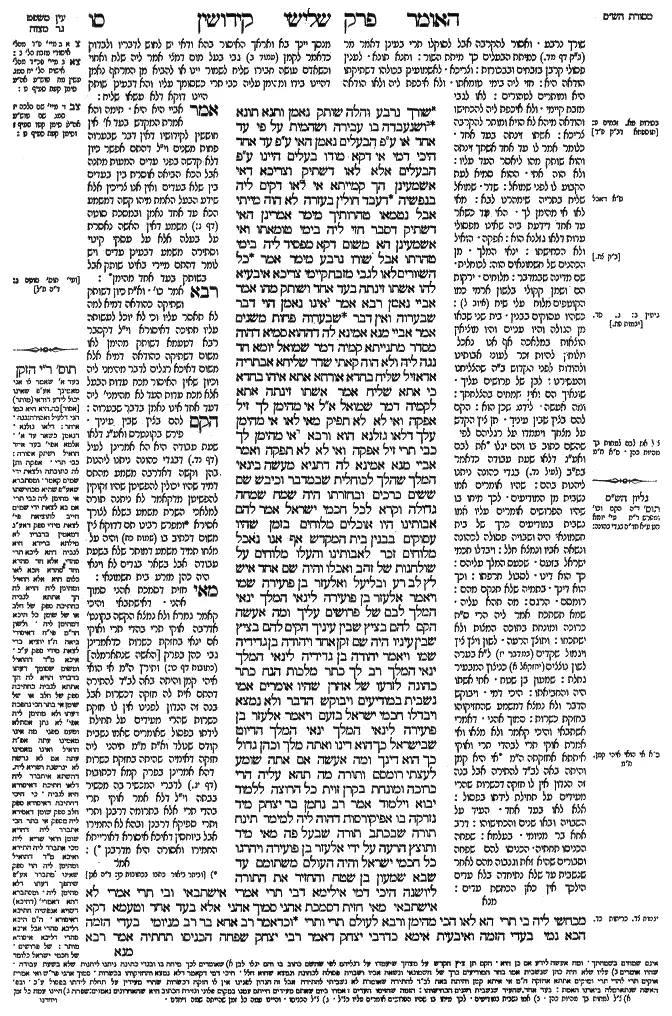
Kiddushin 66a - Guemara
שורך נרבע והלה שותק נאמן ותנא תונא ושנעבדה בו עבירה ושהמית על פי עד אחד או ע"פ הבעלים נאמן האי ע"פ עד אחד היכי דמי אי דקא מודו בעלים היינו ע"פ הבעלים אלא לאו דשתיק וצריכא דאי אשמעינן הך קמייתא אי לאו דקים ליה בנפשיה דעבד חולין בעזרה לא הוה מייתי אבל נטמאו טהרותיך מימר אמרינן האי דשתיק דסבר חזי ליה בימי טומאתו ואי אשמעינן הא משום דקא מפסיד ליה בימי טהרתו אבל שורו נרבע מימר אמר כל השוורים לאו לגבי מזבח קיימי צריכא איבעיא להו אשתו זינתה בעד אחד ושותק מהו אמר אביי נאמן רבא אמר אינו נאמן הוי דבר שבערוה ואין דבר שבערוה פחות משנים אמר אביי מנא אמינא לה דההוא סמיא דהוה מסדר מתנייתא קמיה דמר שמואל יומא חד נגה ליה ולא הוה קאתי שדר שליחא אבתריה אדאזיל שליח בחדא אורחא אתא איהו בחדא כי אתא שליח אמר אשתו זינתה אתא לקמיה דמר שמואל א"ל אי מהימן לך זיל אפקה ואי לא לא תפיק מאי לאו אי מהימן עלך דלאו גזלנא הוא ורבא אי מהימן לך כבי תרי זיל אפקה ואי לא לא תפקה ואמר אביי מנא אמינא לה דתניא מעשה בינאי המלך שהלך לכוחלית שבמדבר וכיבש שם ששים כרכים ובחזרתו היה שמח שמחה גדולה וקרא לכל חכמי ישראל אמר להם אבותינו היו אוכלים מלוחים בזמן שהיו עסוקים בבנין בית המקדש אף אנו נאכל מלוחים זכר לאבותינו והעלו מלוחים על שולחנות של זהב ואכלו והיה שם אחד איש לץ לב רע ובליעל ואלעזר בן פועירה שמו ויאמר אלעזר בן פועירה לינאי המלך ינאי המלך לבם של פרושים עליך ומה אעשה הקם להם בציץ שבין עיניך הקים להם בציץ שבין עיניו היה שם זקן אחד ויהודה בן גדידיה שמו ויאמר יהודה בן גדידיה לינאי המלך ינאי המלך רב לך כתר מלכות הנח כתר כהונה לזרעו של אהרן שהיו אומרים אמו נשבית במודיעים ויבוקש הדבר ולא נמצא ויבדלו חכמי ישראל בזעם ויאמר אלעזר בן פועירה לינאי המלך ינאי המלך הדיוט שבישראל כך הוא דינו ואתה מלך וכהן גדול כך הוא דינך ומה אעשה אם אתה שומע לעצתי רומסם ותורה מה תהא עליה הרי כרוכה ומונחת בקרן זוית כל הרוצה ללמוד יבוא וילמוד אמר רב נחמן בר יצחק מיד נזרקה בו אפיקורסות דהוה ליה למימר תינח תורה שבכתב תורה שבעל פה מאי מיד ותוצץ הרעה על ידי אלעזר בן פועירה ויהרגו כל חכמי ישראל והיה העולם משתומם עד שבא שמעון בן שטח והחזיר את התורה ליושנה היכי דמי אילימא דבי תרי אמרי אישתבאי ובי תרי אמרי לא אישתבאי מאי חזית דסמכת אהני סמוך אהני אלא בעד אחד וטעמא דקא מכחשי ליה בי תרי הא לאו הכי מהימן ורבא לעולם תרי ותרי וכדאמר רב אחא בר רב מניומי בעדי הזמה הכא נמי בעדי הזמה ואיבעית אימא כדרבי יצחק דאמר רבי יצחק שפחה הכניסו תחתיה אמר רבא
Comments from Rashi on Masechet Kiddushin Page 66a
שורך נרבע . ואסור להקרבה אבל לסוקלו תרי בעינן דאמר מר (ב"ק דף מד.) כמיתת הבעלים כך מיתת השור: ותנא תונא . לענין פסולי קרבן בזבחים ובבכורות: וצריכא . לאשמועינן בכולהו דשתיקתו הודאה היא: חזי ליה בימי טומאתו . ולא איכפת ליה ולאו הודאה היא ומותרים לטהורים: לאו לגבי מזבח קיימי . ולא איכפת ליה להכחישו והודאה מיהא לא הויא ומותר להקרבה צריכא: אשתו זינתה בעד אחד . כלומר אמר לו עד אחד אשתך זינתה והוא שותק מהו ליאסר העד עליו: ולא הוה אתי . ההוא סמיא לעת הקבוע לו לפני שמואל: שדר . שמואל שליח בתריה שימהרנו לבא: מאי לאו אי מהימן לך . האי עד כשאר עד אחד דידעת ביה שאינו מפסולי עדות דלאו גזלנא הוא: אפקה . הואיל ולא הכחישתו: ינאי המלך . מן הכהנים של חשמונאים הוה: לכוחלית . שם מדינה שבמדבר: מלוחים . ירקות הם ושמן קקולי בלשון ארמי כמו הקוטפים מלוח עלי שיח (איוב ל): כשהיו עסוקים בבנין . בית שני שבאו מן הגולה והיו עניים והיו מוציאין הוצאות במלאכה אף אנו נאכל מלוחין להיות זכר לעוני אבותינו ולהודות לפני הקדוש ב"ה שהצליחנו והעשירנו: לבן של פרושים עליך . שונאיך הם ואין שמחים בהצלחתך: ומה אעשה . לידע שכן הוא: הקם להם בציץ שבין עיניך . תן ציץ הקדש על מצחך ויעמדו על רגליהם לפי שהשם כתוב בו והם יגלו את לבם ואע"ג דלאו שעת עבודה כדאמר בפ"ב (לעיל קידושין נד.) בגדי כהונה ניתנו ליהנות בהם: שהיו אומרים אמו נשבית מן המודיעים . לכך מיחו בו שהיו הפרושים אומרים עליו אמו נשבית במודיעים כרך של בית חשמונאי היה ושבויה פסולה לכהונה ונשאה אביו ונמצא חלל: ויבדלו חכמי ישראל בזעם . שכעס המלך עליהם: כך הוא דינו . לסבול חרפתו: וכך הוא דינך . בתמיה שלא תנקם מהם: רומסם . הרגם: מה תהא עליה . שמא תשתכח אמר ליה הרי ס"ת כרוכה ומונחת בתוכה המצות ולא ישתכחו: דרב אחא בר מניומי . בעלמא: ותוצץ הרעה . לשון ויצץ ציץ ויגמול שקדים (במדבר יז) ל"א בערה לשון נוצצים (יחזקאל א) כניצוץ המבעיר גחלת: שמעון בן שטח . אחי אשתו היה והחביאתו: היכי דמי . ויבוקש הדבר ולא נמצא דמשמע שהחזיקוהו בחזקת כשרות: סמוך אהני . דאמרי אשתבאי והיכי קאמר ולא מצאו ואי אמרת אוקי תרי לבהדי תרי ואוקי איתתא אחזקתה ה"מ אי היא קמן והיתה באה לב"ד להתירה אבל בנה זה הנדון אין לו חזקה דכשרות שהרי מעידים על תחילת לידתו בפסול: אלא לאו בעד אחד . העיד על השבויה ובאו שנים והכחישוהו: דרב אחא בר מניומי . בעלמא: שפחה הכניסו תחתיה . הכניסו להם שפחה וסבורים שהיא זאת וגנבוה מהם לאחר שנשבית עד שלא נתיחדה בלא עדים הילכך אין כאן הכחשת עדים:
Comments from Tosafot - Kiddushin 66a
אמר אביי היא היא. תימה והא אמרת המקדש בעד א' אין חוששין לקידושיו דאין דבר שבערוה פחות משנים וי"ל דהתם אפשר כיון דלא קדשה בפני עדים המעות מתנה אבל הכא הביאה אוסרת בין בעדים בין שלא בעדים ואין אנו צריכין אלא שידע הבעל האמת מיהו קשה דמשמע הכא עד אחד נאמן ובמסכת סוטה (דף ג:) משמע דאין האשה נאסרת על בעלה אלא על עסקי קינוי וסתירה משמע דבעינן עדים ויש לומר דהתם מיירי באינו שותק אבל בשותק בעד אחד מהימן: רבא אמר כו' . וא"ת כיון דשותק ושתיקה כהודאה דמיא למה לא תאסר עליו וכי לא יוכל לעשותה עליו חתיכה דאיסורא וי"ל דקסבר רבא דטעמא דשותק מהימן לאו משום דשתיקה כהודאה דמיא אלא משום דאיכא רגלים לדבר מהימני ליה וכיון שאין האיסור מכח עדות הבעל אלא מכח עדות העד לא מהימני' ליה דעד אחד אינו נאמן בדבר שבערוה: הקם להם בציץ שבין עיניך . פירש בקונטרס ואע"ג דלאו שעת עבודה היא הא אמרינן לעיל (קידושין דף נד.) דבגדי כהונה ניתנו ליהנות בהן וקשה דאדרבה משמע מהתם דמיד שהיו יכולין להפשיטן שהיו זקוקין להפשיטן מדקאמר לא ניתנה תורה למלאכי השרת משמע בשלא לצורך אסירא ומפרש רבינו תם דדוקא ציץ משום דכתיב בו (שמות כח) והיה על מצחו תמיד משמע דמותר שלא בשעת עבודה אבל בשאר בגדים לא וינאי היה כהן מזרע בית חשמונאי: מאי חזית דסמכת אהני סמוך אהני . דאישתבאי והיכי קאמר גמרא ולא נמצא הקשה בקונט' אדרבה אוקי תרי בהדי תרי ואוקי אם ינאי בחזקת כשרות כדאמרינן גבי כהן בפרק [האשה שנתארמלה] (כתובות דף כו:) ותירץ ה"מ אי הואי איהי קמן והיתה באה לב"ד להתירה דהתם אית לה חזקה דכשרות אבל בנה זה הנדון לפנינו אין לו חזקת כשרות שהרי מעידים על תחילת לידתו בפסול שאומרים שאמו נשבית קודם שנולד וא"ת מ"מ תיהני ליה חזקה דאימיה שהיתה בחזקת כשרות דהא אמרינן בפרק קמא דכתובות (דף יג.) לדברי המכשיר בה מכשיר בבתה וי"ל דלא אמר אוקי תרי בהדי תרי אלא בתרומה דרבנן ותרי ותרי ספיקא דרבנן ובהא לא החמירו אבל ביוחסין דאיכא איסורא דאורייתא החמירו ואסורה היא מדרבנן:
Kiddushin 66a - Mishnah translated into english
Your ox was used by a man for an act of bestiality and is therefore unfit for an offering, and the other, the owner of the ox, is silent, the witness is deemed credible. And the tanna of the mishna also taught (Bekhorot 41a): And with regard to an animal that was used for a transgression or that killed, if this is attested to by one witness or by the owner, he is deemed credible. The Gemara clarifies this case: What are the circumstances of this case of the mishna, where the knowledge is established by one witness? If the owner admits to the claim, this is the same as: By the owner. Rather, is it not referring to a case where the owner remains silent?
The Gemara comments: And each of these statements of Abaye is necessary. As, had he taught us only that first case, where the witness said someone ate forbidden fat, one might have said that he is deemed credible for the following reason: Were it not for the fact that he himself was convinced that he had committed a transgression, he would not commit the transgression of bringing a non-sacred animal to the Temple courtyard on the basis of the testimony of one witness. Consequently, his silence is evidently an admission.
But if the witness said: Your ritually pure foods were rendered ritually impure, and the accused was silent, we would say: The reason that he is silent and refrains from denying the claim is that he thinks he is not suffering any significant loss, as the food is fit for him to eat on his days of ritual impurity, because he is not required to destroy ritually impure foods.
And had Abaye taught us only the case of: Your ritually pure food was rendered ritually impure, one might have said that the reason this witness is deemed credible is that he causes him a loss on his days of ritual purity, and therefore his silence is tantamount to a confession. But in the case of: His ox was used by a man for an act of bestiality, the owner of the ox can say with regard to his animal: Not all the oxen stand ready to be sacrificed as an offering on the altar. Perhaps one would think that the owner does not bother denying the claim because he merely forfeits the possibility of sacrificing his ox as an offering, which he considers an inconsequential matter. It is only if there were two witnesses to the act that the animal is put to death, whereas here there was only one witness. It is therefore necessary for Abaye to specify all these cases.
§ A dilemma was raised before the Sages: If a husband is told by one witness that his wife committed adultery, and the husband remains silent, what is the halakha? Abaye said: The witness is deemed credible. Rava said: He is not deemed credible. Why not? Because it is a matter involving forbidden relations, and there is no matter of testimony for forbidden sexual relations that can be attested to by fewer than two witnesses.
Abaye said: From where do I say this claim of mine? It happened that there was a certain blind man who would review mishnayot before Mar Shmuel. One day the blind man was late for him and was not arriving. Mar Shmuel sent a messenger after him to assist him. While the messenger was going to the blind man’s house by one way, the blind man arrived at the house of study by a different route, and therefore the messenger missed him and reached his house. When the messenger came back, he said that he had been to the blind man’s house and saw that his wife committed adultery. The blind man came before Mar Shmuel to inquire whether he must pay heed to this testimony. Mar Shmuel said to him: If this messenger is trusted by you, go and divorce her, but if not, do not divorce her.
Abaye comments: What, is it not correct to say that this means that if he is trusted by you that he is not a thief but is a valid witness, you must rely on him? This would prove that a single witness can testify in a case of this kind. And Rava explains that Mar Shmuel meant: If he is trusted by you like two witnesses, go and divorce her, but if not, do not divorce her. Consequently, Rava maintains that this episode affords no proof.
And Abaye said: From where do I say this claim of mine? As it is taught in a baraita: An incident occurred with King Yannai, who went to the region of Koḥalit in the desert and conquered sixty cities there. And upon his return he rejoiced with a great happiness over his victory. And he subsequently summoned all the Sages of the Jewish people and said to them: Our ancestors in their poverty would eat salty foods when they were busy with the building of the Temple; we too shall eat salty foods in memory of our ancestors. And they brought salty food on tables of gold, and ate.
And there was one person present, a scoffer, a man of an evil heart and a scoundrel called Elazar ben Po’ira. And Elazar ben Po’ira said to King Yannai: King Yannai, the hearts of the Pharisees, the Sages, are against you. In other words, they harbor secret resentment against you and do not like you. The king replied: And what shall I do to clarify this matter? Elazar responded: Have them stand by wearing the frontplate between your eyes. Since the frontplate bears the Divine Name, they should stand in its honor. Yannai, who was a member of the priestly Hasmonean family, also served as High Priest, who wears the frontplate. He had the Pharisees stand by wearing the frontplate between his eyes.
Now there was a certain elder present called Yehuda ben Gedidya, and Yehuda ben Gedidya said to King Yannai: King Yannai, the crown of the monarchy suffices for you, i.e., you should be satisfied that you are king. Leave the crown of the priesthood for the descendants of Aaron. The Gemara explains this last comment: As they would say that Yannai’s mother was taken captive in Modi’in, and she was therefore disqualified from marrying into the priesthood, which meant that Yannai was a ḥalal. And the matter was investigated and was not discovered, i.e., they sought witnesses for that event but none were found. And the Sages of Israel were expelled in the king’s rage, due to this rumor.
And Elazar ben Po’ira said to King Yannai: King Yannai, such is the judgment of a common person in Israel. In other words, merely expelling a slanderer is appropriate if the subject of the slander is a commoner. But you are a king and a High Priest. Is this your judgment as well? Yannai replied: And what should I do? Elazar responded: If you listen to my advice, crush them. Yannai countered: But what will become of the Torah? He retorted: Behold, it is wrapped and placed in the corner. Anyone who wishes to study can come and study. We have no need for the Sages.
The Gemara interjects: Rav Naḥman bar Yitzḥak says: Immediately, heresy was injected into Yannai, as he should have said to Elazar ben Po’ira: This works out well with regard to the Written Torah, as it can be studied by all on their own, but what will become of the Oral Torah? The Oral Torah is transmitted only by the Sages. The baraita continues: Immediately, the evil arose and caught fire through Elazar ben Po’ira, and all the Sages of the Jewish people were killed. And the world was desolate of Torah until Shimon ben Shataḥ came and restored the Torah to its former glory. This completes the baraita.
Abaye asks: What are the circumstances of this case? How did those who conducted the investigation refute the rumor that Yannai’s mother had been taken captive? If we say that two witnesses said that she was taken captive, and two others said that she was not taken captive, what did you see that you rely on these who said that she was not taken captive? Instead, rely on these who said that she was taken captive. In such a scenario, one cannot say definitively that the matter was investigated and found to be false.
Rather, it must be referring to one witness who testified she was taken captive, and two testified that she was not taken captive. And the reason that the lone witness is not deemed credible is only that he is contradicted by the other two, from which it may be inferred that if not for that fact, he would be deemed credible. This supports Abaye’s claim that an uncontested lone witness is deemed credible in a case of this kind.
And Rava could reply that this incident affords no proof, for the following reason: Actually, one can say that there were two witnesses who testified that she was captured and two who testified that she was not, and the case was decided in accordance with that which Rav Aḥa bar Rav Minyumi says in a different context, that it is referring to conspiring witnesses. The second pair of witnesses did not contradict the testimony of the first pair but established them as liars by stating that the first pair were not there to witness the event. This serves to disqualify the testimony of the first pair altogether. Here too, it is referring to witnesses who rendered the first set conspiring witnesses.
And if you wish, say that this is in accordance with the version of the story stated by Rabbi Yitzḥak, as Rabbi Yitzḥak says: They replaced Yannai’s mother with a maidservant. The first witnesses saw that Yannai’s mother was about to be taken captive, but the second pair revealed that she had actually been replaced with a maidservant, thereby negating the testimony of the first set.
Rava says:
Traduction : The William Davidson digital edition of the Koren Noé Talmud, with commentary by Rabbi Adin Even-Israel Steinsaltz.