 Talmud Bavli
The learning on the whole site is dedicated : L'ilui Nishmat Yechayahou ben Moche
The learning on the whole site is dedicated : L'ilui Nishmat אסתר בת חיים
The learning on the whole site is dedicated : L'ilui Nishmat Amram ben Itshak Loubaton
Kiddushin 81a : Youtube
Daf TubeYoutube
2 video classes :
Kiddushin Page 81a
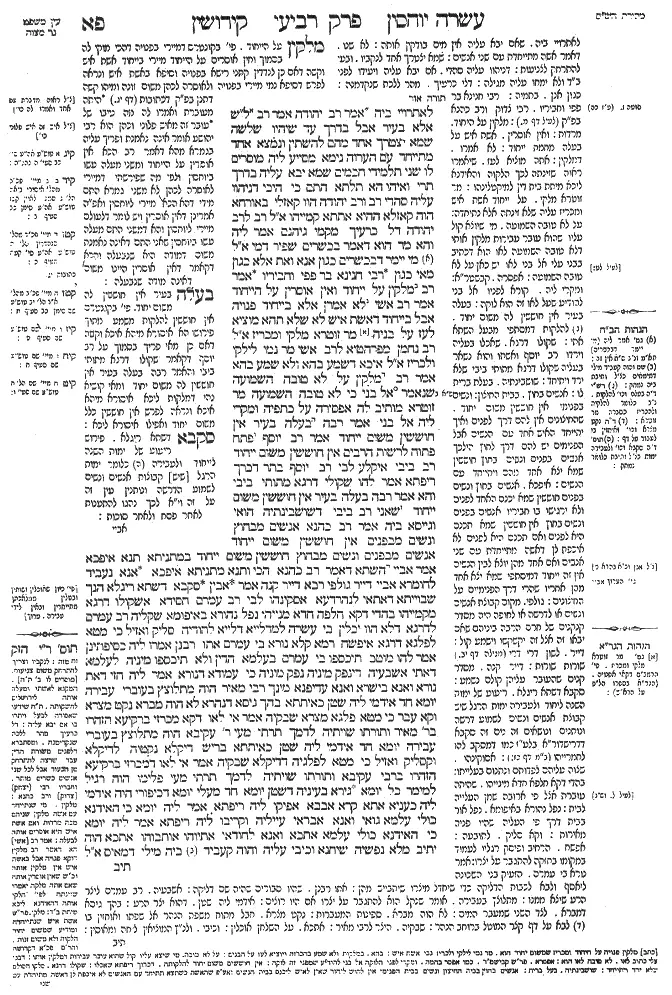
Kiddushin 81a - Guemara
לאתרויי ביה אמר רב יהודה אמר רב ל"ש אלא בעיר אבל בדרך עד שיהיו שלשה שמא יצטרך אחד מהם להשתין ונמצא אחד מתייחד עם הערוה נימא מסייע ליה מוסרים לו שני תלמידי חכמים שמא יבא עליה בדרך תרי ואיהו הא תלתא התם כי היכי דניהוו עליה סהדי רב ורב יהודה הוו קאזלי באורחא הוה קאזלא ההיא אתתא קמייהו א"ל רב לרב יהודה דל כרעיך מקמי גיהנם אמר ליה והא מר הוא דאמר בכשרים שפיר דמי א"ל מי יימר דבכשרים כגון אנא ואת אלא כגון מאי כגון רבי חנינא בר פפי וחביריו אמר רב מלקין על ייחוד ואין אוסרין על הייחוד אמר רב אשי לא אמרן אלא בייחוד פנויה אבל בייחוד דאשת איש לא שלא תהא מוציא לעז על בניה מר זוטרא מלקי ומכריז א"ל רב נחמן מפרהטיא לרב אשי מר נמי לילקי ולכריז א"ל איכא דשמע בהא ולא שמע בהא אמר רב מלקין על לא טובה השמועה שנאמר (שמואל א ב, כד) אל בני כי לא טובה השמועה מר זוטרא מותיב לה אפסירה על כתפיה ומקרי ליה אל בני אמר רבה בעלה בעיר אין חוששין משום ייחוד אמר רב יוסף פתח פתוח לרשות הרבים אין חוששין משום ייחוד רב ביבי איקלע לבי רב יוסף בתר דכרך ריפתא אמר להו שקולי דרגא מתותי ביבי והא אמר רבה בעלה בעיר אין חוששין משום ייחוד שאני רב ביבי דשושבינתיה הואי וגייסא ביה אמר רב כהנא אנשים מבחוץ ונשים מבפנים אין חוששין משום ייחוד אנשים מבפנים ונשים מבחוץ חוששין משום ייחוד במתניתא תנא איפכא אמר אביי השתא דאמר רב כהנא הכי ותנא מתניתא איפכא אנא נעביד לחומרא אביי דייר גולפי רבא דייר קנה אמר אבין סקבא דשתא ריגלא הנך שבוייתא דאתאי לנהרדעא אסקינהו לבי רב עמרם חסידא אשקולו דרגא מקמייהו בהדי דקא חלפה חדא מנייהו נפל נהורא באיפומא שקליה רב עמרם לדרגא דלא הוו יכלין בי עשרה למדלייא דלייא לחודיה סליק ואזיל כי מטא לפלגא דרגא איפשח רמא קלא נורא בי עמרם אתו רבנן אמרו ליה כסיפתינן אמר להו מוטב תיכספו בי עמרם בעלמא הדין ולא תיכספו מיניה לעלמא דאתי אשבעיה דינפק מיניה נפק מיניה כי עמודא דנורא אמר ליה חזי דאת נורא ואנא בישרא ואנא עדיפנא מינך רבי מאיר הוה מתלוצץ בעוברי עבירה יומא חד אידמי ליה שטן כאיתתא בהך גיסא דנהרא לא הוה מברא נקט מצרא וקא עבר כי מטא פלגא מצרא שבקיה אמר אי לאו דקא מכרזי ברקיעא הזהרו בר' מאיר ותורתו שויתיה לדמך תרתי מעי ר' עקיבא הוה מתלוצץ בעוברי עבירה יומא חד אידמי ליה שטן כאיתתא בריש דיקלא נקטיה לדיקלא וקסליק ואזיל כי מטא לפלגיה דדיקלא שבקיה אמר אי לאו דמכרזי ברקיעא הזהרו ברבי עקיבא ותורתו שויתיה לדמך תרתי מעי פלימו הוה רגיל למימר כל יומא גירא בעיניה דשטן יומא חד מעלי יומא דכיפורי הוה אידמי ליה כעניא אתא קרא אבבא אפיקו ליה ריפתא אמר ליה יומא כי האידנא כולי עלמא גואי ואנא אבראי עייליה וקריבו ליה ריפתא אמר ליה יומא כי האידנא כולי עלמא אתכא ואנא לחודאי אתיוהו אותבוהו אתכא הוה יתיב מלא נפשיה שיחנא וכיבי עליה והוה קעביד ביה מילי דמאיס א"ל
Comments from Rashi on Masechet Kiddushin Page 81a
לאתרויי ביה . שאם יבא עליה אין מים בודקין אותה: לא שנו . דאמר אשה מתייחדת עם שני אנשים: שמא יצטרך אחד לנקביו . ובעי להתרחק לצניעות: דניהוו עליה סהדי . אם יבא עליה ויעידו לפני ב"ד ולא ימחו עליה מגילה: דלי כרעיך . מהר ללכת שנקדמנה: כגון אנן . בתמיה: רבי חנינא בר פפי וחביריו . רבי צדוק ורב כהנא בפ"ק (לעיל קידושין דף מ.): מלקין על היחוד . מרדות: ואין אוסרין . אשת איש על בעלה מחמת ייחוד: לא אמרו . דמלקין: אתה מוציא לעז . שיאמרו ראוה שזינתה לכך הלקוה והאידנא ליכא מיתת בית דין למיקטלינהו: מר זוטרא מלקי . על ייחוד אשת איש ומכריז עליה שלא זינתה אלא נתיחדה: על לא טובה השמועה. מי שיוצא קול עליו שהוא עובר עבירות מלקין אותו דלא טובה השמועה לאו הוא דכתיב בבני עלי אל בני לאו יש כאן על לא טובה השמועה: אפסרה . קבשטר"א (קיבישטר"א: אפסר (חלק מהרתמה, שבו מושכים את הבהמה או את הסוס בצווארם)) : ומקרי ליה . קורא לפניו אל בני להודיע שעל לאו זה הוא לוקה: בעלה בעיר אין חוששין לה משום יחוד . להלקות דמסתפי מבעל השתא אתי: שקולו דרגא . שאכלו בעליה וירדו רב יוסף ואשתו והוא נשאר בעליה שקולו דרגא מתותי ביבי שלא ירד ויתיחד: שושבינתיה . בעלת ברית לו: אנשים בחוץ . בבית החיצון: ונשים בפנימי אין חוששין משום יחוד . שהחיצונים אין להם דרך לפנים ואיך יתייחד האיש אחד עם הנשים אבל הפנימים יש להם דרך לחוץ הילכך אנשים בפנים ונשים בחוץ חוששין שמא יצא אחד מהם ויתייחד עם הנשים: איפכא . אנשים בחוץ ונשים בפנים חוששין שמא יכנס האחד לפנים ולא ירגישו בו חביריו אנשים בפנים ונשים בחוץ אין חוששין שמא תכנס היא לפנים ואם תכנס היא לפנים לא איכפת לן דאשה מתייחדת עם שני אנשים ואם אחד מהן יוצא לבין הנשים אין זה ייחוד דמיסתפי שמא יצא אחד מהן אחריו שהרי דרך הפנימיים על החיצונים: גולפי . מקום קבוצת אנשים ונשים או לדרשה או לחופה היה מסדר קנקנים של חרס הרבה ביניהם שאם יבאו זה אצל זה יקשקשו וישמע קול: דייר . לשון דרי דרי (מגילה דף יב.) שורות שורות: דייר קנה . מסדר קנים שהעובר עליהן קולם נשמע: סקבא דשתא ריגלא . ריעוע של ימות השנה ליחוד ולעבירה ימות הרגל שיש קבוצת אנשים ונשים לשמוע דרשה ונותנים ונושאים זה עם זה סקבא דדרישדור"א (רידוישידור"א: קיהיון, פגימוּת [כאן בהוראה מושאלת: נקודת התורפה]) בלע"ז כמו דמסקב להו לחמרייהו (ב"מ דף כז:): שקולו דרגא . שאכלו בעליה וירדו רב יוסף ואשתו והוא נשאר בעליה שקולו דרגא מתותי ביבי שלא ירד ויתיחד: אסוקינהו . שצוה עליהם לפדותם ונתנום בעלייתו: בהדי דקא חלפא חדא מינייהו . שהיתה עוברת אצל פי ארובה שמן העלייה לבית: נפל נהורא באיפומא . נפל אור בבית דרך פי העליה שהיו פניה מאירות: וקא סליק . לתובעה: אפשח . הרחיב ופיסק רגליו לעמוד במקומו בחזקה להתגבר על יצרו: אמר נורא בי עמרם . הזעיק בני השכונה ליאסף ולבא לכבות הדליקה כדי שיחדל מיצרו שיתבייש מהן: אתו רבנן . שהיו סבורים שהיה שם דליקה: אשבעיה . רב עמרם ליצר הרע שיצא ממנו: מתלוצץ בעבירה . אומר שנקל הוא להתגבר על יצרו אם היו רוצים: אידמי ליה שטן . דהוא יצר הרע: בהך גיסא דמברא . לצד השני שמעבר המים: לא הוה מברא . ספינות המעברות: נקט מצרא . חבל מתוח משפת הנהר אל שפתו ואוחזין בו לבא על דף קצר המוטל ברוחב הנהר: שבקיה . היצר לרבי מאיר: וקא סליק . לתובעה: אתכא . על השלחן אוכלין: וכיבי . ולנ"ץ (מלנ"ץ: פצע) המוציאין ליחה ומאוסין:
Comments from Tosafot - Kiddushin 81a
מלקין על הייחוד . פי' בקונטרס דמיירי בפנויה דהכי מוקי לה בסמוך ואין אוסרים על הייחוד מיירי בייחוד אשת איש וקשה דאם כן לצדדין קתני רישא בפנויה וסיפא באשת איש ונראה לפרש דסיפא נמי מיירי בפנויה ולאוסרה לכהן משום זונה ומיהו קשה דתנן בפ"ק דכתובות (דף יג.) היתה מעוברת ואמרו לה מה טיבו של עובר זה מאיש פלוני וכהן הוא רבי יהושע אומר אינה נאמנת ופריך עליה בגמרא מהא דאמר רב הכא אין אוסרין על הייחוד ומשני מעלה עשו ביוחסין ולפי מה שפירשתי דמיירי לאוסרה לכהן לא משני גמרא התם מידי דהא הכא מיירי ליוחסין ואפ"ה אמרינן דאין אוסרין ויש לומר דלעולם מיירי ליוחסין והא דמשני התם מעלה עשו ביוחסין שאני התם דאינה נאמנת משום דמודה היא שנבעלה והכא דקאמר דאין אוסרין היינו משום דאינה מודה שנבעלה: בעלה בעיר אין חוששין לה משום יחוד . פי' בקונטרס אין חוששין להלקות משמע מתוך פירושו הא איסורא מיהא איכא וקשה דאם כן מאי פריך בסמוך על רב יוסף דקאמר שקולו דרגא מתותי ביבי והאמר רבה בעלה בעיר אין חוששין לה משום יחוד ומאי קושיא נהי דמלקות ליכא איסורא מיהא איכא ונראה לפרש אין חוששין כלל משום יחוד ואפילו איסורא ליכא: סקבא דשתא ריגלא . פירוש ריעוע של ימות השנה לייחוד ולעבירה כלומר ימות הרגל [שיש] קבוצות אנשים ונשים לשמוע הדרשה ונותנין עין זה על זה וי"א לכך נהגו להתענות לאחר פסח ולאחר סוכות:
Kiddushin 81a - Mishnah translated into english
how to warn him not to engage in intercourse with her, since that would neutralize the effectiveness of the examination of the waters.
Rav Yehuda says that Rav says: The Sages taught that two men may seclude themselves with one woman only in a city, where others are present, but on the road it is not permitted unless there are three. Why are two men insufficient on the road? Perhaps one of them will need to urinate and will walk away, and it will turn out that one person will be secluded with a woman forbidden to him. The Gemara suggests: Shall we say the mishna quoted above supports him: They provide him with two Torah scholars to accompany them lest he engage in sexual intercourse with her along the way? He and two Torah scholars are three, which indicates that there is a requirement for three men when they are traveling. The Gemara answers: That is no proof, as there, in the case of the sota, there is a requirement for an additional two men in order that they should serve as witnesses about him, to testify whether or not he engaged in intercourse with her along the way.
The Gemara relates: Rav and Rav Yehuda were walking along the way, and a certain woman was walking ahead of them. Rav said to Rav Yehuda: Raise your feet and walk quickly away from Gehenna so that we do not remain secluded with her. Rav Yehuda said to him: But wasn’t it you, Master, who said that it is permitted in the case of men of fit morals? Rav said to him: Who says that I referred to men of fit morals such as you and me? Rav Yehuda responded: Rather, such as whom? Rav answered: Such as Rabbi Ḥanina bar Pappi and his colleagues, who have proven that they can withstand temptation (see 39b). All other people are not trusted in this matter.
Rav says: The court flogs a man due to his being secluded with a woman. But a wife is not forbidden to her husband, and an unmarried woman is not prohibited from marrying a priest due to being secluded, as it cannot be stated definitively that the secluded pair engaged in sexual intercourse. Rav Ashi says: We stated the halakha that one is flogged due to being secluded only with an unmarried woman, but for being secluded with a married woman, one is not flogged. Why not? It is so that there should not be rumors spread concerning her children. If the secluded pair is flogged, everyone will assume that they engaged in intercourse, and people will consider her children to be mamzerim, whereas in fact they were flogged only for being secluded.
The Gemara relates: Mar Zutra would even flog one who was secluded with a married woman, and he would proclaim the reason for the punishment. Rav Naḥman from Parhatya said to Rav Ashi: Let the Master also flog and proclaim the reason. Rav Ashi said to him: I am hesitant to do so, in case there are those who hear about this, i.e., the flogging, and do not hear about that, i.e., the reason for the flogging.
Rav says: The court flogs one due to his being the subject of a bad rumor, meaning that not only is a person flogged when the facts have been ascertained, but even when he has only reportedly committed transgressions he may be flogged. As it is stated: “No, my sons, for it is no good report” (I Samuel 2:24). When Mar Zutra would flog a person for being the subject of a bad rumor, he would place the bridle of a donkey on the person’s shoulders and recite before him when administering lashes: “No, my sons, for it is no good report,” so that people would know why he was being flogged.
Rabba says: If a woman’s husband is in town, there is no concern due to her being secluded with a man. People are afraid to sin with her, since they cannot be sure when her husband will return. Rav Yosef says: If there is an open entrance to the public domain there is no concern due to being secluded. The Gemara relates: Rav Beivai arrived at Rav Yosef’s house. After he wrapped his bread, i.e., ate his meal, he said to the members of the household: Remove the ladder from beneath Beivai, who was going to sleep in the upper story, so that he not be able to climb down, due to the prohibition of being secluded with Rav Yosef’s wife. The Gemara asks: But doesn’t Rabba say: If her husband is in town, there is no concern due to her being secluded with a man? The Gemara answers: Rav Beivai is different, since Rav Yosef’s wife was his friend and she was familiar with him, and therefore there was more cause for concern.
Rav Kahana says: If the men are located on the outside, i.e., in the outer room, and the women in the inside, i.e., in the inner room, there is no concern due to being secluded. Even if one of the men were to enter the inner room, he would be seen by the other men. By contrast, if there were men in the inside and women on the outside, there is a concern due to being secluded, since one of the men can claim that he is leaving and in fact join the women.
The Gemara comments: The opposite was taught in a baraita, that if the men are on the outside and the women are inside there is concern due to being secluded, as one of the men might venture inside without being noticed, but if the men are inside and the women are outside, he knows that one of the other men might go out through the women’s quarters at any time, and therefore there is no concern due to being secluded. Abaye said: Now that Rav Kahana has said the halakha in this manner and a baraita teaches the opposite, we shall act stringently in both cases.
Abaye would arrange rows of pitchers between the men and women, so that they would not be able to cross from one area to the other without making noise. Rava would arrange rows of reeds to prevent passage. Avin said: The wound [sakva], i.e., the vulnerable point, of the year is the Festival, since men and women would come together on these joyous occasions, and this would lead to sin.
§ The Gemara relates: Those captive women who were brought to Neharde’a, where they were redeemed, were brought up to the house of Rav Amram the Pious. They removed the ladder from before them to prevent men from climbing up after them to the attic where they were to sleep. When one of them passed by the entrance to the upper chamber, it was as though a light shone in the aperture due to her great beauty. Out of his desire for her, Rav Amram grabbed a ladder that ten men together could not lift, lifted it on his own and began climbing.
When he was halfway up the ladder, he strengthened his legs against the sides of the ladder to stop himself from climbing further, raised his voice, and cried out: There is a fire in the house of Amram. Upon hearing this, the Sages came and found him in that position. They said to him: You have embarrassed us, since everyone sees what you had intended to do. Rav Amram said to them: It is better that you be shamed in Amram’s house in this world, and not be ashamed of him in the World-to-Come. He took an oath that his evil inclination should emerge from him, and an apparition similar to a pillar of fire emerged from him. He said to his evil inclination: See, as you are fire and I am mere flesh, and yet, I am still superior to you, as I was able to overcome you.
The Gemara relates: Rabbi Meir would ridicule transgressors by saying it is easy to avoid temptation. One day, Satan appeared to him as a woman standing on the other side of the river. Since there was no ferry to cross the river, he took hold of a rope bridge and crossed the river. When he reached halfway across the rope bridge, the evil inclination left him and said to him: Were it not for the fact that they proclaim about you in heaven: Be careful with regard to Rabbi Meir and his Torah, I would have made your blood like two ma’a, i.e., completely worthless, since you would have fallen completely from your spiritual level.
Rabbi Akiva would likewise ridicule transgressors. One day, Satan appeared to him as a woman at the top of a palm tree. Rabbi Akiva grabbed hold of the palm tree and began climbing. When he was halfway up the palm tree, the evil inclination left him and said to him: Were it not for the fact that they proclaim about you in heaven: Be careful with regard to Rabbi Akiva and his Torah, I would have made your blood like two ma’a.
The Sage Peleimu had the habit to say every day: An arrow in the eye of Satan, mocking the temptations of the evil inclination. One day, it was the eve of Yom Kippur, and Satan appeared to him as a pauper who came and called him to the door, requesting alms. Peleimu brought out bread to him. Satan said to him: On a day like today, everyone is inside eating, and shall I stand outside and eat? Peleimu brought him inside and gave him bread. He said to him: On a day like today, everyone is sitting at the table, and shall I sit by myself? They brought him and sat him at the table. He was sitting and had covered himself with boils and pus, and he was doing repulsive things at the table. Peleimu said to the pauper:
Traduction : The William Davidson digital edition of the Koren Noé Talmud, with commentary by Rabbi Adin Even-Israel Steinsaltz.