 Talmud Bavli
The learning on the whole site is dedicated : L'ilui Nishmat Avraham Ben Simha
The learning on the whole site is dedicated : For the success of Elyahou ben H'anna & family
The learning on the whole site is dedicated : L'ilui Nishmat יוסף בן מושה
Kiddushin 39a : Youtube
Daf TubeYoutube
2 video classes :
Kiddushin Page 39a
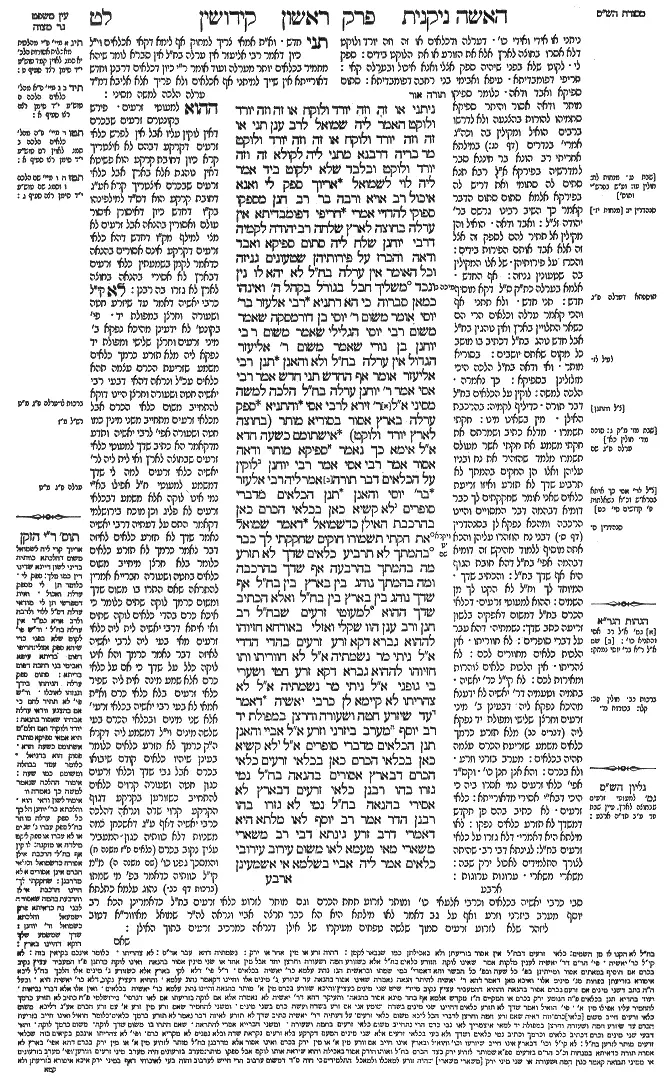
Kiddushin 39a - Guemara
ניתני או זה וזה יורד ולוקח או זה וזה יורד ולוקט האמר ליה שמואל לרב ענן תני או זה וזה יורד ולוקח או זה וזה יורד ולוקט מר בריה דרבנא מתני ליה לקולא זה וזה יורד ולוקט ובלבד שלא ילקוט ביד אמר ליה לוי לשמואל אריוך ספק לי ואנא איכול רב אויא ורבה בר רב חנן מספקו ספוקי להדדי אמרי חריפי דפומבדיתא אין ערלה בחוצה לארץ שלחה רב יהודה לקמיה דרבי יוחנן שלח ליה סתום ספיקא ואבד ודאה והכרז על פירותיהן שטעונים גניזה וכל האומר אין ערלה בח"ל לא יהא לו נין ונכד (מיכה ב, ה) משליך חבל בגורל בקהל ה' ואינהו כמאן סברוה כי הא דתניא רבי אלעזר בר' יוסי אומר משום ר' יוסי בן דורמסקה שאמר משום רבי יוסי הגלילי שאמר משום רבי יוחנן בן נורי שאמר משום ר' אליעזר הגדול אין ערלה בח"ל ולא והאנן תנן רבי אליעזר אומר אף החדש תני חדש אמר רבי אסי אמר ר' יוחנן ערלה בח"ל הלכה למשה מסיני א"ל ר' זירא לרבי אסי והתניא ספק ערלה בארץ אסור בסוריא מותר (בחוצה לארץ יורד ולוקט) אישתומם כשעה חדא א"ל אימא כך נאמר ספיקא מותר ודאה אסור אמר רבי אסי אמר רבי יוחנן לוקין על הכלאים דבר תורה אמר ליה רבי אלעזר בר' יוסי והאנן תנן הכלאים מדברי סופרים לא קשיא כאן בכלאי הכרם כאן בהרכבת האילן כדשמואל דאמר שמואל (ויקרא יט, יט) את חקתי תשמורו חוקים שחקקתי לך כבר (ויקרא יט, יט) בהמתך לא תרביע כלאים שדך לא תזרע מה בהמתך בהרבעה אף שדך בהרכבה ומה בהמתך נוהג בין בארץ בין בח"ל אף שדך נוהג בין בארץ בין בח"ל ואלא הכתיב שדך ההוא למעוטי זרעים שבח"ל רב חנן ורב ענן הוו שקלי ואזלי באורחא חזיוהו לההוא גברא דקא זרע זרעים בהדי הדדי א"ל ניתי מר נשמתיה א"ל לא חווריתו ותו חזיוהו לההוא גברא דקא זרע חטי ושערי בי גופני א"ל ניתי מר נשמתיה א"ל לא צהריתו לא קיימא לן כרבי יאשיה דאמר עד שיזרע חטה ושעורה וחרצן במפולת יד רב יוסף מערב ביזרני וזרע א"ל אביי והאנן תנן הכלאים מדברי סופרים א"ל לא קשיא כאן בכלאי הכרם כאן בכלאי זרעים כלאי הכרם דבארץ אסורים בהנאה בח"ל נמי גזרו בהו רבנן כלאי זרעים דבארץ לא אסירי בהנאה בח"ל נמי לא גזרו בהו רבנן הדר אמר רב יוסף לאו מלתא היא דאמרי דרב זרע גינתא דבי רב משארי משארי מאי טעמא לאו משום עירוב עירובי כלאים אמר ליה אביי בשלמא אי אשמעינן
Comments from Rashi on Masechet Kiddushin Page 39a
ניתני או אידי ואידי כו' . דערלה ודכלאים או זה וזה יורד ולוקט דלא אסרו בחוצה לארץ אלא את הזורע או את הלוקט בידים: ספק לי . לקוט שלא בפני שיהיה ספק אצלי ואנא איכול ובערלה קאי: חריפי דפומבדיתא . עיפא ואבימי בני רחבה דפומבדיתא: סתום ספיקא ואבד ודאה . כלומר ספיקו מותר ודאה אסור והיתר ספיקא סתמייהו להורות בהצנעה ולא לדרשו ברבים הואיל ומקילין בה וכה"ג אמרי' בנדרים (דף כג:) במילתא אחריתי רב הונא בר חיננא סבר למדרשיה בפירקא א"ל רבא תנא סתים לה סתומי ואת דריש לה בפירקא אלמא סתום סתום הדבר קאמר כך השיב רבינו גרשם בר' יהודה זצ"ל: ואבד ודאה . הואיל והן מקילין אל תתיר להם לספק זה אצל זה אלא אבד אותם הפירות בידים: והכרז על פירותיהן . של אלו המקילין בה שטעונין גניזה: אף החדש . אלמא בערלה כת"ק ס"ל דקא מוסיף חדש: ניתני או אידי ואידי כו' . דערלה ודכלאים או זה וזה יורד ולוקט דלא אסרו בחוצה לארץ אלא את הזורע או את הלוקט בידים: תני חדש . ולא תתני אף והכי קאמר ערלה וכלאים הרי הם כשאר התלויין בארץ ואין נוהגין בח"ל אבל חדש נוהג בח"ל דכתיב בו מושב כל מקום שאתם יושבים: בסוריא מותר . ואי ודאה בח"ל הלכה היכי מזלזלינן בספיקא: כך נאמרה . הלכה למשה: לוקין על הכלאים בח"ל דבר תורה . כדיליף לקמיה: בהרכבת האילן . מין בשאינו מינו: חקתי תשמרו . מדלא כתיב ושמרתם את חקתי משמע את חקתי אשר מעולם תשמרו מלמד שהזהיר את נח ובניו עליהן ואלו הן החקים בהמתך לא תרביע שדך לא תזרע ואיזו זריעת כלאים שאני אומר שחקקתים לך כבר דומיא דבהמה דבר המסויים והיינו הרכבה ומהכא נפקא לן בסנהדרין (דף ס.) דבני נח הוזהרו עליהן והכא אתה מוסיף ללמוד מהיקש זה דומיא דבהמה אפי' בח"ל דהא חובת הגוף היא אף שדך בח"ל: והכתיב שדך . המיוחד לך וח"ל לא הקנו לך מן השמים: ההוא למעוטי זרעים . דכלאי הכרם בח"ל דמשום דאפקיה בלשון זריעה כתב שדך: נשמתיה . דהא עבר על דברי סופרים: לא חווריתו . אין הלכות כלאים מחוורים לכם: לא צהריתו . אין הלכות כלאים צוהרות ומאירות לכם: לא קי"ל כר' יאשיה . בתמיה וטעמיה דר' יאשיה לא ידענא מהיכא נפקא ליה דבעינן ב' מיני זרעים וחרצן שלישי ומפולת יד נפקא ליה (דברים כב) מלא תזרע כרמך כלאים משמע שזריעת הכרם עצמה תהיה בכלאים: מערב בזרני וזרע . ולא בכרם: והא אנן תנן כו' . וקס"ד אפי' כלאי זרעים נמי אסרו ביה כי היכי דבא"י אסירי מדאורייתא: כלאי זרעים . לא כתיב בהם פן תקדש דמשדך לא תזרע כלאים נפקו: לאו מילתא היא דאמרי . דלא גזרו על כלאי זרעים בח"ל: לגינתא דבי רב . שהיתה לצורך התלמידים לאכול ירק שבה: משארי משארי . ערוגות ערוגות:
Comments from Tosafot - Kiddushin 39a
תני חדש . וא"ת אמאי צריך למחוק אף לימא דקאי אכלאים וי"ל כיון דאמר רבי אליעזר אין ערלה בח"ל אין סברא לומר שיהא מחמיר בכלאים יותר מערלה ועוד אומר ר"י כיון דכלאים דרבנן וחדש דאורייתא אין שייך למיתני אף אכלאים ולא פריך אלא אליבא דמ"ד ערלה הלכה למשה מסיני: ההוא למעוטי זרעים . פירש בקונטרס זרעים שבכרם דאין לוקין עליו אבל אין לפרש כלאי זרעים דקרקע דבהם לא איצטריך קרא כיון דחובת קרקע הוא פשיטא דאין נוהגת אלא בארץ אבל כלאי זרעים שבכרם איצטריך קרא אע"ג דחובת קרקע הוא דס"ד למילפינהו בק"ו דחדש כיון דאיסורן איסור עולם ואסורין בהנאה אבל זרעים לא מצי למילף מק"ו דחדש דהא כלאי זרעים דקרקע אינם אסורים בהנאה כדאמר לקמן בשמעתין כלאי זרעים דבארץ לא אסירי בהנאה בחוצה לארץ לא גזרו בה רבנן: לא קי"ל כרבי יאשיה דאמר עד שיזרע חטה ושעורה וחרצן במפולת יד. פי' בקונט' לא ידעינן מהיכא נפקא ב' מיני זרעים וחרצן שלישי ומפולת יד נפקא ליה מלא תזרע כרמך כלאים משמע שזריעת הכרם עצמה תהא כלאים עכ"ל ונראה דהאי דבעי רבי יאשיה חטה ושעורה וחרצן היינו דוקא להתחייב משום כלאי הכרם אבל מכלאי זרעים מתחייב משני מינין כמו חטה ושעורה אפי' לרבי יאשיה ותדע מדקאמר הא כתיב שדך למעוטי כלאי זרעים שבחוצה לארץ ואי לית ליה לר' יאשיה כלאי זרעים למה לי שדך דמשמע למעוטי ח"ל אפילו בא"י נמי אינו לוקה אלא משמע דבכלאי זרעים לא פליג וכן מוכח בירושלמי דקאמר התם על דעתיה דרבי יאשיה נאמר שדך לא תזרע כלאים לאיזה דבר נאמר כרמך לא תזרע כלאים כלומר בלא חרצן מיחייב משום כלאים בחטה ושעורה חברייא אמרין להתראה שאם התרו בו משום שדך ומשום כרמך לוקה שתים כלומר כי איכא כרם בהדי כלאים לוקה שתים ואי איתא דרבי יאשיה לית ליה כלאי זרעים מאי בעי ליה לרבי יאשיה לאיזה דבר נאמר כרמך והא אינו לוקה כלל על שדך כי אם על כלאי כרם אלא שמע מינה אית ליה שפיר כלאי זרעים בלא כלאי כרם וא"ת אמאי לא בעי רבי יאשיה בכלאי זרעי' אלא שני מינים ובכלאי הכרם בעי שלשה מינים וי"ל דמשמע ליה דקרא ה"ק כרמך לא תזרע כלאים כלומר בעינן שיהיו כלאים קודם שיבואו בכרם אבל גבי שדך וכלאי זרעים כגון חטה ושעורה קרוים כלאים להתחייב כשזורען בקרקע דגוף הקרקע קרוי שדה ונראה דהלכה כרבי יאשיה דאף ע"ג דאשכחן כמה משניות דלא כוותיה כגון המעביר עציץ נקוב בכרם (כלאים פ"ז משנה ח) והמסכך גפנו כו' (שם משנה ה) מ"מ קי"ל כוותיה כדאמר בפ' מי שמתו (ברכות דף כב.) נהוג עלמא כתלתא סבי כרבי יאשיה בכלאים וכרבי אלעאי כו' ומותר לזרוע תחת הכרם וגם מותר לזרוע כלאי זרעים בח"ל כדאמרינן הכא רב יוסף מערב ביזרני וזרע ואף על גב דאמר לאו מילתא היא הא כבר תרצה אביי ונראה לה"ר שמואל מאיוור"א דטוב ליזהר שלא לזרוע זרעים סמוך שלשה טפחים מעיקרו של אילן דנראה כמרכיב זרעים בתוך האילן:
Kiddushin 39a - Mishnah translated into english
let the mishna teach in the same manner in both cases, either by stating in both this case and that case that one may go down and purchase the produce, or by stating in both this case and that case that one may go down and gather the produce. The Gemara answers: Didn’t Shmuel say to Rav Anan that one should teach it either as stating in both this case and that case that one may go down and purchase the produce, or in both this case and that case that one may go down and gather the produce? Mar, son of Rabbana, taught this mishna according to the following lenient version: In both this case and that case one may go down and gather the produce, provided that he does not gather it with his own hand.
§ With regard to the prohibition of orla outside of Eretz Yisrael, the Gemara relates that Levi said to Shmuel: Aryokh, Shmuel’s nickname, supply me with such food, as I will not pick it on my own, and if you do so I will eat it. There is no reason for concern with regard to orla outside of Eretz Yisrael. Rav Avya and Rabba bar Rav Ḥanan would supply produce whose orla status was uncertain for each other, as it is forbidden only if one takes the orla on his own. The sharp Sages of Pumbedita said: The prohibition of orla does not apply at all outside of Eretz Yisrael.
Rav Yehuda sent a question to Rabbi Yoḥanan concerning the halakha with regard to orla outside of Eretz Yisrael. Rabbi Yoḥanan sent him the following response: Conceal, i.e., do not publicize, the halakha that produce whose orla status is uncertain is permitted; and destroy, i.e., prohibit entirely, produce whose orla status is certain; and with regard to the produce of those who are lenient in this halakha, declare that it requires interment, as it is prohibited to derive benefit from such produce. And whoever says that there is no prohibition of orla outside of Eretz Yisrael will have neither a child nor a grandchild “who shall cast the line by lot in the congregation of the Lord” (Micah 2:5).
The Gemara asks: And in accordance with whose opinion do the sharp Sages of Pumbedita hold when they state this halakha? The Gemara answers: They hold in accordance with that which is taught in a baraita: Rabbi Elazar, son of Rabbi Yosei, says in the name of Rabbi Yosei ben Durmaska, who said in the name of Rabbi Yosei HaGelili, who said in the name of Rabbi Yoḥanan ben Nuri, who said in the name of Rabbi Eliezer the Great: The prohibition of orla does not apply outside of Eretz Yisrael.
The Gemara expresses surprise at this ruling: But does it not apply? Does Rabbi Eliezer maintain that the prohibition of orla does not apply outside of Eretz Yisrael? But didn’t we learn in the mishna that Rabbi Eliezer says: Even the new crop, which indicates that he agrees that orla and diverse kinds are forbidden outside of Eretz Yisrael? The Gemara answers that one should not teach that Rabbi Eliezer said: Even the new crop, but rather teach only the words: The new crop, i.e., Rabbi Eliezer maintains that only this prohibition applies outside of Eretz Yisrael.
Rabbi Asi says that Rabbi Yoḥanan says: Orla is forbidden outside of Eretz Yisrael by a halakha transmitted to Moses from Sinai. Rabbi Zeira said to Rabbi Asi: But isn’t it taught in a baraita: With regard to produce whose status concerning orla is uncertain, in Eretz Yisrael it is forbidden, in Syria it is permitted, and outside of Eretz Yisrael one goes down and gathers it? And if orla is forbidden outside of Eretz Yisrael by a halakha transmitted to Moses from Sinai, why is produce whose status concerning orla is uncertain permitted in Syria? Rabbi Zeira “was dismayed for a while” (Daniel 4:16), and then Rabbi Asi said to him: Say that it is stated like this, i.e., explain that the halakha transmitted to Moses from Sinai was that outside of Eretz Yisrael produce whose status concerning orla is uncertain is permitted, and produce whose status concerning orla is certain is forbidden.
§ Rabbi Asi says that Rabbi Yoḥanan says: Offenders are flogged for transgressing the prohibition of diverse kinds outside of Eretz Yisrael by Torah law. Rabbi Elazar, son of Rabbi Yosei, said to him: But didn’t we learn in the mishna (Orla 3:9) that the prohibition of diverse kinds applies by rabbinic law outside of Eretz Yisrael? The Gemara answers: This is not difficult. The mishna here is referring to diverse kinds in a vineyard, which is prohibited outside of Eretz Yisrael by rabbinic law, whereas there, Rabbi Yoḥanan’s statement is referring to the grafting of a tree onto a different species.
The Gemara adds that this halakha is in accordance with the opinion of Shmuel. As Shmuel says: The verse states: “You shall keep My statutes” (Leviticus 19:19), which means that one must keep even the statutes that I have already instituted for you when you were merely descendants of Noah, before the giving of the Torah. Shmuel elaborates: This is referring to the prohibitions stated in that same verse: “You shall not let your cattle gender with a diverse kind; you shall not sow your field with two kinds of seed” (Leviticus 19:19).
Additionally, the juxtaposition of these prohibitions teaches that just as the prohibition of diverse kinds stated with regard to your animal applies only to mating one species with another, so too, the prohibition of diverse kinds with regard to your field is referring only to grafting one type of tree to another type, and it does not apply to planting two species together. Furthermore, just as the prohibition of diverse kinds with regard to your animal applies both in Eretz Yisrael and outside of Eretz Yisrael, as this prohibition does not relate to the land, so too, the prohibition against grafting your field applies both in Eretz Yisrael and outside of Eretz Yisrael.
The Gemara asks: But isn’t it written: “Your field,” which indicates that the field belongs to you in your portion of Eretz Yisrael? The Gemara answers: That verse serves to exclude the prohibition of diverse kinds of seeds, which does not apply outside of Eretz Yisrael. Planting different types of seeds together is prohibited only in Eretz Yisrael.
§ The Gemara relates: Rav Ḥanan and Rav Anan were once going together on a road outside of Eretz Yisrael and they saw a certain man planting seeds of diverse kinds together. One of them said to the other: Let the Master come and ostracize him, as he is performing a prohibited act. The other said to him: These halakhot are not understood by you.
And furthermore, they also saw a certain man who was planting wheat and barley between grapevines. One of them said to the other: Let the Master come and ostracize him. He again said to him: These halakhot are not clear to you. He explained: Don’t we hold in accordance with the opinion of Rabbi Yoshiya, who says: One who sows diverse kinds is not liable by Torah law until he sows wheat, and barley, and a grape seed with a single hand motion, i.e., by sowing in the vineyard he violates the prohibition of diverse kinds that applies to seeds and to the vineyard simultaneously. Since this man was not planting in that manner, he should not be ostracized.
The Gemara relates: Rav Yosef was mixing diverse seeds and planting them. Abaye said to him: But didn’t we learn in the mishna that mixing diverse kinds is prohibited outside of Eretz Yisrael by rabbinic law? Rav Yosef said to him: This is not difficult, as here, the mishna is referring to diverse kinds in a vineyard, and there, I am planting legally because I am planting only diverse kinds of seeds. The reason for the difference between these two cases is as follows: With regard to planting diverse kinds in a vineyard, which in Eretz Yisrael is prohibited even with regard to deriving benefit, the Sages issued a decree prohibiting this mixture outside of Eretz Yisrael as well. Conversely, with regard to planting diverse kinds of seeds, which in Eretz Yisrael is not prohibited with regard to deriving benefit, the Sages did not issue a decree prohibiting them outside of Eretz Yisrael.
Rav Yosef then said: The matter that I said, i.e., that diverse kinds of seeds are entirely permitted outside of Eretz Yisrael, is not so. The proof is that Rav planted the garden around the study hall in rows [mesharei] of different species. What is the reason that he did that rather than plant different species together? Is it not because he was concerned about mixtures of diverse kinds? Abaye said to him: That is not proof. Granted, if he taught us this halakha through his actions,
Traduction : The William Davidson digital edition of the Koren Noé Talmud, with commentary by Rabbi Adin Even-Israel Steinsaltz.