 Talmud Bavli
The learning on the whole site is dedicated : L'ilui Nishmat Jamila bat Chlomo Abensour
The learning on the whole site is dedicated : L'ilui Nishmat Amram ben Itshak Loubaton
The learning on the whole site is dedicated : L'ilui Nishmat Avraham Ben Simha
Kiddushin 19a : Youtube
Daf TubeYoutube
2 video classes :
Kiddushin Page 19a
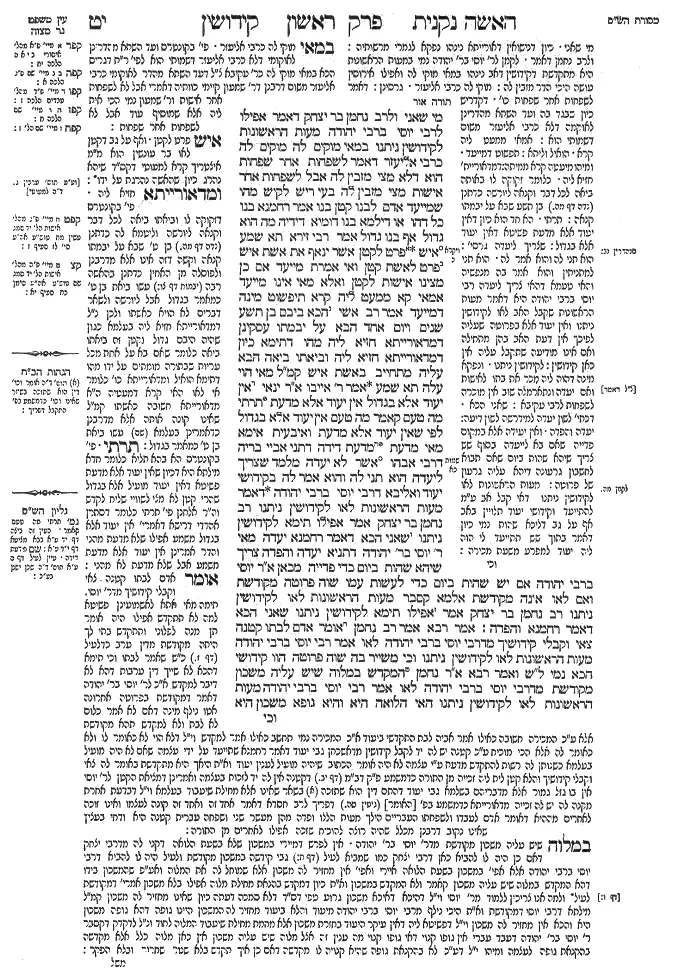
Kiddushin 19a - Guemara
מי שאני ולרב נחמן בר יצחק דאמר אפילו לרבי יוסי ברבי יהודה מעות הראשונות לקידושין ניתנו במאי מוקים לה מוקים לה כרבי אליעזר דאמר לשפחות אחר שפחות הוא דלא מצי מזבין לה אבל לשפחות אחר אישות מצי מזבין לה בעי ריש לקיש מהו שמייעד אדם לבנו קטן בנו אמר רחמנא בנו כל דהו או דילמא בנו דומיא דידיה מה הוא גדול אף בנו גדול אמר רבי זירא תא שמע (ויקרא כ, י) איש פרט לקטן אשר ינאף את אשת איש פרט לאשת קטן ואי אמרת מייעד אם כן מצינו אישות לקטן ואלא מאי אינו מייעד אמאי קא ממעט ליה קרא תיפשוט מינה דמייעד אמר רב אשי הכא ביבם בן תשע שנים ויום אחד הבא על יבמתו עסקינן דמדאורייתא חזיא ליה מהו דתימא כיון דמדאורייתא חזיא ליה וביאתו ביאה הבא עליה מתחייב באשת איש קמ"ל מאי הוי עלה תא שמע אמר ר' אייבו א"ר ינאי אין יעוד אלא בגדול אין יעוד אלא מדעת תרתי מה טעם קאמר מה טעם אין יעוד אלא בגדול לפי שאין יעוד אלא מדעת ואיבעית אימא מאי מדעת מדעת דידה דתני אביי בריה דרבי אבהו (שמות כא, ח) אשר לא יעדה מלמד שצריך ליעדה הוא תני לה והוא אמר לה בקידושי יעוד ואליבא דרבי יוסי ברבי יהודה דאמר מעות הראשונות לאו לקידושין ניתנו רב נחמן בר יצחק אמר אפילו תימא לקידושין ניתנו שאני הכא דאמר רחמנא יעדה מאי ר' יוסי בר' יהודה דתניא יעדה והפדה צריך שיהא שהות ביום כדי פדייה מכאן א"ר יוסי ברבי יהודה אם יש שהות ביום כדי לעשות עמו שוה פרוטה מקודשת ואם לאו אינה מקודשת אלמא קסבר מעות הראשונות לאו לקידושין ניתנו רב נחמן בר יצחק אמר אפילו תימא לקידושין ניתנו שאני הכא דאמר רחמנא והפדה :
אמר רבא אמר רב נחמן אומר אדם לבתו קטנה צאי וקבלי קידושיך מדרבי יוסי ברבי יהודה לאו אמר רבי יוסי ברבי יהודה מעות הראשונות לאו לקידושין ניתנו וכי משייר בה שוה פרוטה הוו קידושי הכא נמי ל"ש ואמר רבא א"ר נחמן המקדש במלוה שיש עליה משכון מקודשת מדרבי יוסי ברבי יהודה לאו אמר רבי יוסי ברבי יהודה מעות הראשונות לאו לקידושין ניתנו האי הלואה היא והיא גופא משכון היא
Comments from Rashi on Masechet Kiddushin Page 19a
אלא נישואין מי שאני . כיון דנישואין דאורייתא נינהו נפקא לגמרי מרשותיה: ולרב נחמן דאמר . לקמן לר' יוסי בר' יהודה נמי במעות הראשונות היא מתקדשת דקידושין דאב נינהו במאי מוקי לה ואפילו אירוסין עושה היכי הדר מזבין לה: מוקי לה כרבי אליעזר . גרסינן: דאמר לשפחות אחר שפחות כו' . דקדריש כיון שבגד בה ועד השתא מהדרינן לאוקמה דלא כרבי אליעזר משום דשמותי הוא: אמאי ממעט ליה קרא . הואיל וליתא: תפשוט דמייעד . ומיהו מיעטה קרא ממיתה: דמדאוריית' חזיא ליה . כלומר זקוקה לו באותה ביאה לכל דבר וקנאה ליורשה כדתנן (נדה דף מה.) בן תשע שבא על יבמתו קנאה: תרתי . הא חד הוא כיון דאין יעוד אלא מדעת פשיטא דאין יעוד אלא בגדול: שצריך ליעדה גרסי': הוא תני לה והוא אמר לה . הוא תני למתניתין והוא אמר בה מנפשיה והאי טעמא דהאי צריך ליעדה רבי יוסי ברבי יהודה היא דאמר מעות הראשונות שקבל האב לאו לקידושין ניתנו ואין יעוד אלא בפרוטה שעליה לפיכך אין דעת האב בהן מתחילה ואם אינו מודיעה שתקבל עליה אין כאן קידושין: לקידושין ניתנו . ונפקא מינה דהוה ליה מכר את בתו לאישות ואם יעדה ונתארמלה שוב אין מוכרה לשפחות לרבי עקיבא: שאני הכא . דכתי' לשון יעדה למידרשה לשון דיעה: יעדה והפדה . ואין יעידה אלא במקום פדייה שאם בא לייעדה בסוף שש צריך שיהא שהות ביום שאם תבוא לחשבון גרעונה דיהא עליה גרעון של פרוטה: מעות הראשונות לאו לקידושין ניתנו . דאי קבל אב ע"מ להתייעד וקידושי יעוד תלויין באב אף על גב דליכא שהות נמי כיון דאמר בתוך שש תתייעד לי הוה ליה יעוד למפרע משעת מכירה: וכי משייר בה שוה פרוטה הוו קידושין . אלמא הואיל ומכרה ויודע שהאדון יכול ליעדה לאחר זמן מדעתיה הוה והוה ליה כאומר לה קבלי קידושיך: לאו לקידושין ניתנו . ואינו מקדשה אלא ע"י גרעון שיש לו עליה דהוה מלוה שהרי היא חייבת לו או הם או שוויים והיא עצמה משכון:
Comments from Tosafot - Kiddushin 19a
במאי מוקי לה כרבי אליעזר. פי' בקונטרס ועד השתא מהדרינן לאוקומי דלא כרבי אליעזר דשמותי הוא לפי' ר"ת דגריס הכא במאי מוקי לה כר' עקיבא צ"ל דעד השתא מהדר לאוקומי כרבי אליעזר משום דרבנן דר' שמעון קיימי כוותיה דאמרי אבל לא לשפחות אחר אישות ור' שמעון נמי הכי אית ליה אלא שמוסיף עוד אבל לא לשפחות אחר שפחות: איש פרט לקטן . ואף על גב דקטן לאו בר עונשין הוא מ"מ איצטריך קרא למעוטי דקס"ד שיהא נהרג כיון שהאשה נהרגת על ידו: ומדאורייתא חזיא ליה . פי' בקונטרס דזקוקה לו וביאתו ביאה לכל דבר וקנאה ליורשה וליטמא לה כדתנן (נדה דף מה.) בן ט' שבא על יבמתו קנאה וקשה דזה אינו אלא מדרבנן ולפוסלה מן האחין כדתנן בהאשה רבה (יבמות דף צו:) עשו ביאת בן ט' כמאמר בגדול אבל ליורשה ולשאר דברים לא הויא כאשתו ולכן נ"ל דמדאורייתא חזיא ליה בעלמא כגון שהיה היבם גדול וקטן זה ביאתו ביאה כלומר שאם בא על אחת מכל עריות שבתורה מומתים על ידו מהו דתימא הואיל ומדאורייתא כו' כלומר אי לאו האי קרא דמעטיה ה"א מדאורייתא חשובה כאשתו קמ"ל שאינו קונה אותה אלא מדרבנן כדאמרינן בעלמא (שם) עשו ביאת בן ט' כמאמר בגדול: תרתי . תרתי . פי' בקונטרס הא בהא תליא כלומר חדא מילתא היא דכיון שאין יעוד אלא מדעת פשיטא דאין יעוד מועיל אלא בגדול שהרי קטן לא מצי לשוויי שליח לקדש וה"ר אלחנן פי' תרתי כלומר דסתרן אהדדי דרישא דאמרי' אין יעוד אלא בגדול משמע אפילו שלא מדעת מהני והדר אמרינן אין יעוד אלא מדעת משמע אבל שלא מדעת לא מהני: אומר אדם לבתו קטנה צאי וקבלי קידושיך מדר' יוסי . תימה מאי אתא לאשמועינן פשיטא למה לא תתקדש אפילו היה אומר תן מנה לפלוני ותתקדש בתי לך היתה מקודשת מדין ערב כדלעיל (קידושין דף ז.) כ"ש שאמר לבתו וכי תימא דהכא לא שייך דין ערבות דהא לא דיבר למקדש א"כ לר' יוסי בר' יהודה דאמר דמקודשת בפרוטה אחרונה אטו נילף מינה דאם לא אמר כלום לא לבת ולא למקדש תהא מקודשת אלא ע"כ המכירה חשובה כאילו אמר אביה לבת התקדשי ביעוד א"כ המכירה נמי תחשב כאילו אמר למקדש וי"ל דלא הוי לא כאומר לו ולא כאומר לה אלא הכי מוכיח ע"כ קטנה יש לה יד לקבל קידושין מדאשכחן גבי יעוד דאמר רחמנא שתייעד על ידי עצמה שאם לא היה מועיל בעלמא כשנותן לה רשות להתקדש מדעת ע"י עצמה לא היה אומר הכתוב שיהיה מועיל לענין יעוד וא"ת היאך היא מתקדשת באומר לה צאי וקבלי קידושיך והלא קטן לית ליה זכייה מן התורה כדמשמע פ"ק דב"מ (דף יב.) דקטנה אין לה יד לזכות בעצמה ואמרינן דמציאת הקטן לר' יוסי אין בו גזל גמור אלא מדבריהם בשלמא גבי יעוד דהתם דין הוא שתזכה בשאר שאינו אלא מחילת שיעבוד בעלמא וי"ל דבדעת אחרת מקנה לה יש לה זכייה מדאורייתא כדמשמע בפ' [האומר] (גיטין סה.) דפריך לרב חסדא דאמר אחד זה ואחד זה קונה לעצמו ואינו זוכה לאחרים מההיא דאומר אדם לעבדו ולשפחתו העבריים הילך מעות הללו ופדה מהן מעשר שני ושפחה עברית קטנה היא ודחי בעציץ שאינו נקוב דרבנן מכלל שהיה רוצה להוכיח שזכה אפילו לאחרים מן התורה: וכי משייר בה שוה פרוטה הוו קידושין . אלמא הואיל ומכרה ויודע שהאדון יכול ליעדה לאחר זמן מדעתיה הוה והוה ליה כאומר לה קבלי קידושיך: במלוה שיש עליה משכון מקודשת מדר' יוסי בר' יהודה . אין לפרש דמיירי במשכון שלא בשעת הלואה דקני לה מדרבי יצחק דאם כן היה לו להביא כאן דרבי יצחק כמו שמביא לעיל (קידושין דף ח: ') גבי קידשה במשכון מקודשת ולעיל היה לו להביא דרבי יוסי ברבי יהודה אלא אפי' במשכון בשעת הלואה איירי ואפי' אין מחזיר לה משכון אלא שמוחל לה את המלוה ואע"פ שהמשכון בידו דהא המקדש במלוה שיש עליה משכון קאמר ולא המקדש במשכון וא"ת כיון דמקדש בהנאת מחילת מלוה אפילו בלא משכון אמרי' דמקודשת לעיל. ולמה אנו צריכין ללמוד מר' יוסי וי"ל דהיכא דאיכא משכון גרוע טפי דס"ד דלא סמכה דעתה כיון שאינו מחזיר לה משכון קמ"ל מילתא דרבי יוסי דמקודשת וא"ת היכי נילף מרבי יוסי ברבי יהודה מיעוד והלא ביעוד מחזיר לה המשכון היינו גופה דהא גופה משכון היא והכא אין מחזיר לה משכון וי"ל דפשיטא ליה דאין עיקר היעוד בחזרת משכון אלא מחמת מחילת שיעבוד המלוה לחוד ונ"ל לדקדק דקסבר ר' יוסי בר' יהודה דעבד עברי אין גופו קנוי דאי גופו קנוי מה ענין זה אצל מלוה שיש עליה משכון אין כאן מלוה כלל אלא מקדשה בהקנאת גופה לעצמה ומיהו י"ל דע"כ לא בהקנאת גופה שהיא קנויה לו מקדשה דאם כן איך תקדש בלא שטר שחרור ובלא הפקר: לאו לקידושין ניתנו . ואינו מקדשה אלא ע"י גרעון שיש לו עליה דהוה מלוה שהרי היא חייבת לו או הם או שוויים והיא עצמה משכון:
Kiddushin 19a - Mishnah translated into english
is the matter different? In both cases she is fully released from her father’s authority by Torah law, and therefore he should not be able to sell her again afterward.
The Gemara asks: And according to the explanation of Rav Naḥman bar Yitzḥak, who says that even according to Rabbi Yosei, son of Rabbi Yehuda, the original money of the sale of the maidservant was given for the purpose of betrothal, in accordance with whose opinion does he establish the baraita that permits a father to sell his widowed daughter? After giving her in marriage a father may no longer sell his daughter into slavery. The Gemara explains: He establishes it in accordance with the opinion of Rabbi Eliezer, who says: It is for slavery after slavery that he is not able to sell her, but he is able to sell her into slavery after marriage.
§ Reish Lakish raises a dilemma: With regard to the possibility that a person can designate a Hebrew maidservant for his minor son, what is the halakha? The Gemara clarifies the sides of this dilemma. Does one learn from the verse: “And if he designates her for his son” (Exodus 21:9), that the Merciful One states that this applies to any son, even if he is too young to be married? Or perhaps it means his son who is similar to him: Just as he is an adult man, so too, his son must be an adult man.
Rabbi Zeira said: Come and hear a solution to this dilemma from the verse: “And the man who commits adultery with the wife of another man, even he that commits adultery with his neighbor’s wife, both the adulterer and the adulteress shall surely be put to death” (Leviticus 20:10). The Sages expounded that the term “man” serves to exclude a minor who commits adultery. The phrase “who commits adultery with the wife of another man” serves to exclude the wife of a minor, as the marriage of a minor is invalid. And if you say that a father can designate a wife for his minor son, and designation effects betrothal or marriage, we find that there is marriage for a minor.
The Gemara challenges this proof: But rather, what will you say, that a master cannot designate a maidservant for his son who is a minor? If so, why does the verse exclude him? If the marriage of a minor is never valid, why is it necessary for the verse to exclude him? On the contrary, resolve from here that one can designate for his minor son. Rav Ashi said: One could say that here, when this verse excludes the wife of a minor, we are dealing with a yavam who is nine years and one day old who engaged in sexual intercourse with his yevama, and his intercourse is considered valid.
The unique feature of this case is that by Torah law she is fit for him. The halakhot of levirate marriage do not stipulate the minimum age of the yavam. Sexual intercourse with a boy aged nine years and one day is legally considered intercourse, and therefore this verse is necessary, lest you say: Since by Torah law she is fit for him, and his sexual intercourse is considered proper intercourse; therefore, he acquires her and she is his wife in all regards. Consequently, one who engages in intercourse with her becomes liable for violating the prohibition against engaging in intercourse with a married woman. Therefore, the verse teaches us that despite this consideration, she is not considered a full-fledged married woman.
The Gemara asks: Ultimately, what halakhic conclusion was reached about this matter of designation for a minor son? Come and hear, as Rabbi Aivu says that Rabbi Yannai says: Designation applies only to an adult man, and designation applies only with consent. The Gemara asks: Why is it necessary to teach these two halakhot with regard to this matter? It can be derived from the statement that designation requires consent that it applies only to an adult, as a minor is legally incapable of consent. The Gemara answers: Rabbi Yannai is saying: What is the reason, i.e., what is the reason that designation applies only to an adult man? It is because designation applies only with consent.
And if you wish, say an alternative explanation. What is the meaning of the term: With consent? It means with her consent. As Abaye, son of Rabbi Abbahu, taught: The verse “who did not designate her [ye’adah]” (Exodus 21:8), teaches that he is required to inform her [ya’adah].
He teaches it and he says it: This is referring to betrothal through designation, and it is in accordance with the opinion of Rabbi Yosei, son of Rabbi Yehuda, who said: The original money of the sale of the maidservant was not given for the purpose of betrothal. For this reason, an additional act of betrothal must be performed with her consent. Rav Naḥman bar Yitzḥak said: Even if you say that the original money was given for betrothal, it is different here, as the Merciful One states “designate her [ye’adah].” This unusual expression alludes to the halakha that this act must be performed with her consent.
After mentioning the opinion of Rabbi Yosei, son of Rabbi Yehuda, several times, the Gemara asks: What is the source in which the opinion of Rabbi Yosei, son of Rabbi Yehuda, is stated? The Gemara answers: As it is taught in a baraita with regard to the verse: “Who did not designate her, then he shall let her be redeemed” (Exodus 21:8). This juxtaposition indicates that designation applies only when she can be redeemed. Consequently, if she is at the end of her service it is necessary that when he designates her there must be enough time remaining in the day for redemption. There must be sufficient time for her to be redeemed, and if only a short amount of time remains, during which she would be unable to perform work worth one peruta, the master does not have the option of redeeming her.
From here Rabbi Yosei, son of Rabbi Yehuda, says: If there is enough time left in the day for her to perform work that is worth one peruta for him, she is betrothed, as he betroths her with the amount she owes him for her work, which is the value of one peruta. And if not, she is not betrothed. Apparently, he maintains that the original money of the sale of the maidservant was not given for the purpose of betrothal.
Rav Naḥman bar Yitzḥak said: Even if you say that the original money was given for betrothal, one can explain this halakha as follows: It is different here, as the Merciful One states by means of the juxtaposition: “Who did not designate her, then he shall let her be redeemed,” that by a Torah edict the designation must be performed at a stage when she can still be redeemed.
§ Rava says that Rav Naḥman says: A person may say to his minor daughter: Go out and accept your betrothal, and when she accepts the betrothal it is as though she were appointed the father’s agent for her betrothal, despite the fact she is not halakhically competent. From where is this derived? It is derived from that which Rabbi Yosei, son of Rabbi Yehuda said.
The Gemara elaborates: Didn’t Rabbi Yosei, son of Rabbi Yehuda, say that the original money of the sale of the maidservant was not given for the purpose of betrothal, and if enough time for her to perform work worth one peruta remains, it is a betrothal? This indicates that when the father sells his daughter he effectively appoints her as her own agent to receive her betrothal, if the master wishes to designate her for himself. At the time of the designation the father receives nothing, while the daughter accepts the value of one peruta for her work as betrothal. Here too, it is no different, and therefore a minor can accept her betrothal with the consent of her father.
And Rava says that Rav Naḥman says: With regard to one who betroths a woman with a loan for which there is collateral, i.e., he relinquishes his claim to a loan that she owes him and he returns the collateral she gave him, she is betrothed. This is derived from that which Rabbi Yosei, son of Rabbi Yehuda, said. Didn’t Rabbi Yosei, son of Rabbi Yehuda, say that the original money of the sale of the maidservant was not given for the purpose of betrothal? If so, this daughter’s requirement to serve is similar to a loan, as there is no actual money but only an obligation, and she herself is the collateral. In other words, her body is the security that the loan will be repaid.
Traduction : The William Davidson digital edition of the Koren Noé Talmud, with commentary by Rabbi Adin Even-Israel Steinsaltz.