 Talmud Bavli
Kiddushin 41a : Youtube
Daf TubeYoutube
2 video classes :
Kiddushin Page 41a
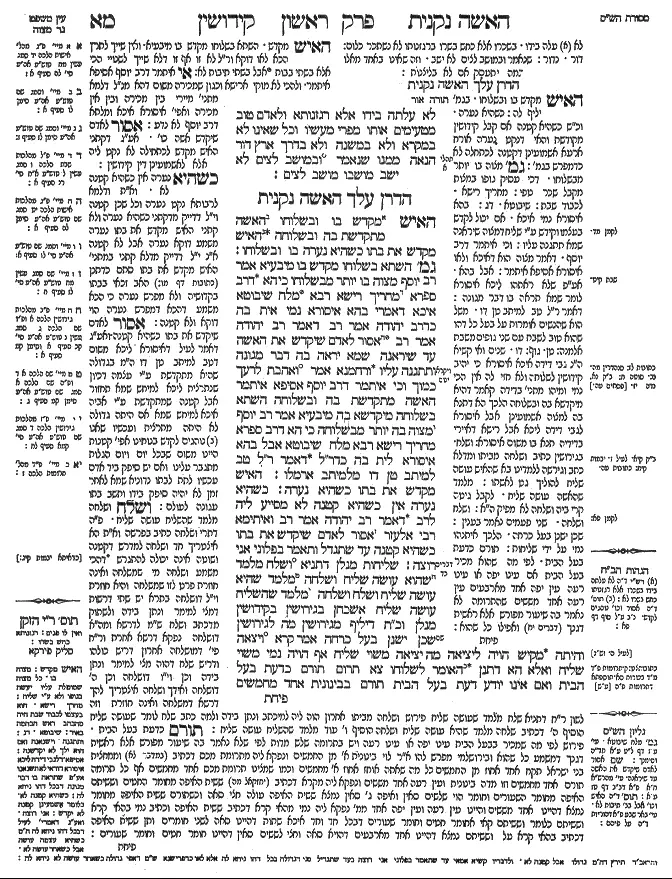
Kiddushin 41a - Guemara
לא עלתה בידו אלא רגזנותא ולאדם טוב מטעימים אותו מפרי מעשיו וכל שאינו לא במקרא ולא במשנה ולא בדרך ארץ דור הנאה ממנו שנאמר (תהלים א, א) ובמושב לצים לא ישב מושבו מושב לצים
הדרן עלך האשה נקנית
מתני׳ האיש מקדש בו ובשלוחו האשה מתקדשת בה ובשלוחה האיש מקדש את בתו כשהיא נערה בו ובשלוחו גמ׳ השתא בשלוחו מקדש בו מיבעיא אמר רב יוסף מצוה בו יותר מבשלוחו כי הא דרב ספרא מחריך רישא רבא מלח שיבוטא איכא דאמרי בהא איסורא נמי אית בה כדרב יהודה אמר רב דאמר רב יהודה אמר רב אסור לאדם שיקדש את האשה עד שיראנה שמא יראה בה דבר מגונה ותתגנה עליו ורחמנא אמר (ויקרא יט, יח) ואהבת לרעך כמוך וכי איתמר דרב יוסף אסיפא איתמר האשה מתקדשת בה ובשלוחה השתא בשלוחה מיקדשא בה מיבעיא אמר רב יוסף מצוה בה יותר מבשלוחה כי הא דרב ספרא מחריך רישא רבא מלח שיבוטא אבל בהא איסורא לית בה כדר"ל דאמר ר"ל טב למיתב טן דו מלמיתב ארמלו האיש מקדש את בתו כשהיא נערה כשהיא נערה אין כשהיא קטנה לא מסייע ליה לרב דאמר רב יהודה אמר רב ואיתימא רבי אלעזר אסור לאדם שיקדש את בתו כשהיא קטנה עד שתגדל ותאמר בפלוני אני רוצה שליחות מנלן דתניא (דברים כד, א) ושלח מלמד שהוא עושה שליח ושלחה מלמד שהיא עושה שליח ושלח ושלחה מלמד שהשליח עושה שליח אשכחן בגירושין בקידושין מנלן וכ"ת דיליף מגירושין מה לגירושין שכן ישנן בעל כרחה אמר קרא (דברים כד, ב) ויצאה והיתה מקיש הויה ליציאה מה יציאה משוי שליח אף הויה נמי משוי שליח ואלא הא דתנן האומר לשלוחו צא תרום תורם כדעת בעל הבית ואם אינו יודע דעת בעל הבית תורם בבינונית אחד מחמשים
Comments from Rashi on Masechet Kiddushin Page 41a
לא עלה בידו . בשכרו אלא כחש בשרו ברגזנותו לא נשתכר כלום: דור . נדור: שנאמר ובמושב לצים לא ישב . וזה שאינו באחד מאלו במה יתעסק אם לא בליצנות: מתני' האיש מקדש בו ובשלוחו . בגמ' יליף לה: כשהיא נערה . וכ"ש כשהיא קטנה אם קבל קידושין מקודשת והאי דנקט נערה אורח ארעא אשמועינן דקטנה לכתחלה לא כדמפרש בגמ': גמ' מצוה בו יותר מבשלוחו . דכי עסיק גופו במצות מקבל שכר טפי: גמ' מצוה בו יותר מבשלוחו . דכי עסיק גופו במצות מקבל שכר טפי: מחריך רישא . לכבוד שבת: שיבוטא . דג: בהא איסורא נמי איכא . אם יכול לקדש בעצמו וקידש ע"י שליח דמצוה שיראנה שמא תתגנה עליו: וכי איתמר דרב יוסף . דאמר מצוה הוא דאיכא ולאו איסורא אסיפא איתמר: אבל בהא . אע"פ שלא ראתהו ליכא איסורא לומר שמא תראה בו דבר מגונה: דאמר ר"ל טב למיתב טן דו . משל הוא שהנשים אומרות על בעל כל דהו שהוא טוב לשבת עם שני גופים משבת אלמנה: טן . גוף: דו . שנים ואי קשיא ה"נ גבי דידה איכא איסורא כי יהיב קידושין לשלוחה ולא חזי לה אין הכי נמי ומיהו מתני' בדידה קאמר דהיא מיקדשא בה ובשלוחה הלכך הא דתנא בה למצוה אשמועינן אבל איסורא לגבי דידה ליכא אבל רישא דאיירי בדידיה תנא בו משום איסורא: ושלח . בגירושין כתיב ושלחה מביתו ומדלא כתב וגירשה ללמדינו בא שהאיש עושה שליח להוליך גט לאשתו: מלמד שהאשה עושה שליח . לקבל גיטה קרי ביה ושלחה לא מפיק ה"א: ושלח ושלחה . שני פעמים נאמר בענין: שכן ישנן בעל כרחה . הלכך איתנהו נמי על ידי שליחות: תורם כדעת בעל הבית . לפי מה שהוא מכיר בעל הבית אם עינו יפה או עינו רעה עין יפה אחד מארבעים עין רעה אחד מששים שהתרומה לא נאמר בה שיעור מפורש אלא ראשית דגנך (דברים יח) ואפילו כל שהוא:
Comments from Tosafot - Kiddushin 41a
מתני' האיש מקדש . השתא בשלוחו מקדש בו מיבעיא. ואין שייך לתרץ הכא לאו דוקא ור"ל לא זו אף זו דלא שייך לשנויי הכי אלא בשתי בבות אבל בשתי תיבות לא: אסור לאדם שיקדש אשה כו'. אע"ג דקתני האיש מקדש לכתחילה לא נקט ליה אלא לאשמועינן דין קידושין: אי איתמר דרב יוסף אסיפא איתמר . ולהכי לא מוקי ארישא וכגון שמכירה משום דהא מנ"ל דלמא מתני' מיירי בין מכירה ובין אין מכירה ואפי' איסורא איכא ומלתא דרב יוסף לא נדע: כשהיא נערה אין כשהיא קטנה לא . וא"ת ודלמא לרבותא נקט נערה וכל שכן קטנה וי"ל דדייק מדקתני כשהיא נערה ולא קתני האיש מקדש את בתו נערה משמע דוקא נערה אבל לא קטנה א"נ י"ל דדייק מדלא קתני במתני' האיש מקדש את בתו סתם כדתנן (כתובות דף מו:) האב זכאי בבתו בקדושיה ולא מפרש נערה כי הכא משמע דהכא דמפרש נערה הוי דוקא ולא קטנה: אסור לאדם שיקדש את בתו כשהיא קטנה . ואע"ג דאמר לעיל דאיסורא ליכא משום דטב למיתב טן דו ה"מ בגדולה שהיא מתקדשת ע"י עצמה דכיון שנתרצית ליכא למיחש שמא תחזור אבל קטנה שמתקדשת ע"י אביה איכא למיחש שמא אם היתה גדולה לא היתה מתרצית ועכשיו שאנו נוהגים לקדש בנותינו אפי' קטנות היינו משום שבכל יום ויום הגלות מתגבר עלינו ואם יש סיפק ביד אדם עכשיו לתת לבתו נדוניא שמא לאחר זמן לא יהיה סיפק בידו ותשב בתו עגונה לעולם: ושלח ושלחה מלמד שהשליח עושה שליח . פ"ה דתרי ושלחה כתיב בפרשה וא"ת הא איצטריך חד ושלחה למדרש דקטנה ושוטה אינה יכולה להתגרש. דהכי משמע ושלחה מי שמשלחה ואינה חוזרת פרט לזו שמשלחה והיא חוזרת וי"ל דושלחה בתרא יש שתי דרשות דמצי למימר ונתן בידה ולשתוק מדכתב ושלח ש"מ לדרשא ומה"א דושלחה נפקא דרשא אחרת ור"ח פי' דמושלחה אחרון דריש כולהו ודריש שלח דהוה מצי למימר ונתן בידה וכן וי"ו דושלחה וכן ה' דושלחה ואידך ושלחה איצטריך להך דרשא דמשלחה ואינה חוזרת וזה לשון ר"ח דתניא שלח מלמד שעושה שליח פירוש ושלחה מביתו אחרון הוה ליה למיכתב ונתן בידה ולמה כתב שלח לומר שעושה שליח הוסיף ה' דכתיב שלחה מלמד שהיא עושה שליח ושלחה הוסיף ו' עוד מלמד שהשליח עושה שליח: תורם כדעת בעל הבית . פירוש לפי מה שמכיר בבעל הבית עינו יפה או עינו רעה ויש בתרומה שלש מדות לפי שלא נאמר בה שיעור מפורש אלא ראשית דגנך דמשמע כל שהוא ובירושלמי מפרש להו א"ר לוי בינונית א' מן החמשים ונפקא ליה מתרומת מכס דכתיב (במדבר לא) וממחצית בני ישראל תקח אחד אחוז מן החמשים כל מה שאתה אוחז אחוז א' מחמשים וכמו שמצינו תרומת מכס אחד מחמשים אף כל תרומה תורם אחד מחמשים וזו מדה בינונית ועין רעה אחד מששים ונפקא ליה מקרא דכתיב (יחזקאל מה) ששית האיפה מחומר החטים וששיתם האיפה מחומר השעורים וחומר הוי שלשים סאין ואיפה ג' סאין נמצא ששית האיפה עולה חצי סאה וכשתורם ששית האיפה מחומר נמצא דהיינו אחד מששים והיינו עין רעה ועין יפה אחד ממ' נפקא ליה נמי מהאי קרא דכתיב ששית האיפה וכתיב נמי בהאי קרא וששיתם כלומר וששיתם קאי אחומר חטים וחומר שעורים דבכל חד וחד איכא שתות דהיינו סאה לשני חומרים ותן ששית האיפה דכתיב בהאי קרא על וששיתם נמצא דהיינו אחד מארבעים דהויא סאה וחצי לששים סאין דהיינו חומר חטים וחומר שעורים:
Kiddushin 41a - Mishnah translated into english
has managed to acquire only anger [ragzanuta], i.e., nothing beneficial comes through anger; in the end he is left with nothing but the anger itself. And a good person is given the fruit of his actions to taste. And with regard to any person who does not engage in the study of Bible, nor the study of Mishna, nor the desired mode of behavior, one should vow to not derive benefit from him, and one should have no contact with him, as it is stated: “Nor sat in the seat of the scornful” (Psalms 1:1). The seat of this person is certainly the seat of the scornful, as he is engaged in nothing but idle matters.
May we return to you chapter “a woman is acquired.”
MISHNA: A man can betroth a woman by himself or by means of his agent. Similarly, a woman can become betrothed by herself or by means of her agent. A man can betroth his daughter to a man when she is a young woman, either by himself or by means of his agent.
GEMARA: The Gemara starts by questioning the need for the seemingly extraneous halakha stated in the mishna: Now that the mishna stated that one can betroth a woman by means of his agent, is it necessary to state that a man can betroth a woman by himself? Rav Yosef says: The mishna writes both halakhot to teach that although the betrothal is valid either way, it is more fitting that the mitzva be performed by the man himself than by means of his agent. This is like that story of Rav Safra, who would himself singe the head of an animal on Shabbat eve to prepare it to be eaten on Shabbat, and Rava, who would salt a turbot fish himself, to fulfill the mitzva to prepare for Shabbat, although this could have been done by others.
There are those who say: With regard to this particular mitzva of betrothal, it also involves a prohibition, in accordance with that which Rav Yehuda says that Rav says, as Rav Yehuda says that Rav says: It is forbidden for a man to betroth a woman until he sees her, lest he see something repulsive in her after the betrothal, and she will become repugnant to him, which will cause him to hate her. And to prevent this violation of what the Merciful One states in the Torah: “And you shall love your neighbor as yourself” (Leviticus 19:18), the Sages ruled that a man must betroth a woman in person, to ensure that he approves of her.
And if there is a prohibition against a man betrothing a women by means of an agent, then when the statement of Rav Yosef was stated, that it is merely preferable that the betrothal be performed without an agent, it was stated with regard to the latter clause of the mishna: A woman can become betrothed by herself or by means of her agent. Now that the mishna stated that she can become betrothed by means of her agent, is it necessary to state that she can become betrothed by herself? It was in response to this that Rav Yosef says: It is more fitting that the mitzva be performed by the woman herself than by means of her agent. This is like that story of Rav Safra, who would himself singe the head of an animal on Shabbat eve to prepare it to be eaten on Shabbat, and Rava, who would himself salt a turbot fish.
But in this case of a woman who appoints an agent, there is no prohibition, as that which Reish Lakish said. As Reish Lakish said: Women have a saying: It is better to sit as two bodies, i.e., be married, than to sit lonely like a widow. Once a woman has decided to marry, she will accept any husband whose betrothal her agent accepts on her behalf, and there is no concern that she will find her betrothed repulsive and violate the mitzva of loving one’s neighbor like oneself.
The mishna teaches: A man can betroth his daughter to a man when she is a young woman. The Gemara infers: When she is a young woman, yes, he can betroth her; when she is a minor, no, he cannot betroth her. This statement supports the opinion of Rav, as Rav Yehuda says that Rav says, and some say it was said by Rabbi Elazar: It is prohibited for a person to betroth his daughter to a man when she is a minor, until such time that she grows up and says: I want to marry so-and-so. If a father betroths his daughter when she is a minor and incapable of forming an opinion of the husband, she may later find herself married to someone she does not like.
§ The mishna states that an agent has the power to effect betrothal. The Gemara asks: From where do we derive that there is halakhic agency? The Gemara answers: As it is taught in a baraita: The Torah states with regard to one who divorces his wife: “That he writes her a bill of divorce, and gives it in her hand, and sends her [veshilleḥah] out of his house” (Deuteronomy 24:1). The verse employs the verb: And he sends [veshillaḥ]. The fact that the verse employs the term veshillaḥ, as opposed to another verb denoting divorce, vegereshah, teaches that he can appoint an agent [shaliaḥ], as both words share the root shin, lamed, ḥet. The husband does not have to personally give his wife the bill of divorce.
Additionally, the fact that the term “and he sends her [veshilleḥah]” can also be read as: And she sends [veshalleḥa], teaches that she too can appoint an agent to accept her bill of divorce. Furthermore, in this same passage the verb is repeated in the phrases “and he sends,” “and he sends her” (Deuteronomy 24:1–3), which serves to teach that an agent can appoint another agent.
The Gemara asks: We found a source for agency with regard to divorce; from where do we derive that there is agency with regard to betrothal? And if you would say that it is derived from divorce, i.e., just as a wife can be divorced from her husband by means of an agent, she can become betrothed to him in the same way, the two cases are not similar: What is unique about divorce is that it can be effected against her will, while betrothal cannot. Therefore, a means of effecting divorce cannot necessarily be used to effect betrothal. The Gemara answers: The verse states: “And she departs out of his house, and goes and becomes another man’s wife” (Deuteronomy 24:2). Because the verse juxtaposes becoming married to leaving a marriage, just as a husband can appoint an agent for the purpose of leaving a marriage, so too he can appoint an agent for the purpose of becoming married.
The Gemara objects: But there is that which we learned in a mishna (Terumot 4:4): In the case of one who says to his agent: Go out and separate teruma from my field’s produce for me, the agent must separate teruma in accordance with the mindset of the owner. He must separate the amount that he assumes the owner would want to give, as there is no fixed measure for the amount that one must set aside as teruma. A generous person would give as much as one-fortieth of the produce as teruma, while a stingy person would give one-sixtieth. And if he does not know the mindset of the owner, he separates an intermediate measure, which is one-fiftieth of the produce.
Traduction : The William Davidson digital edition of the Koren Noé Talmud, with commentary by Rabbi Adin Even-Israel Steinsaltz.
Kiddushin 41a : Significance
Next step
Finished studying Kiddushin 41a? Carry on with the rest of the tractate.
Study Kiddushin 41bFrequently asked questions: Kiddushin 41a
Where is Kiddushin 41a in tractate Kiddushin?
Kiddushin 41a is page 79 of 162 in tractate Kiddushin (Seder Nashim).
When is daf 41 of Kiddushin studied in Daf Yomi?
Daf Yomi covers one daf a day, both sides. Daf 41 of Kiddushin will be studied on February 24, 2031.
Is there a video class on Kiddushin 41a?
Yes, by Daf Tube, Rabbi Dr. Moshe Weisblum. These classes were published on YouTube by their authors and are gathered on this site.
What is tractate Kiddushin about?
Massechet Kidushin is the seventh tractate of the Seder Nashim. The Kidushin Gemara is the study of betrothal laws and Jewish marriage. The Kidushin tractate is a gemara which contains 4 chapters.
Your study is also dedicated to them
- L'ilui Nishmat רינה בת לדיסיה
- L'ilui Nishmat Jamila bat Chlomo Abensour
- L'ilui Nishmat Yechayahou ben Moche