 Talmud Bavli
Shabbat 150b : Youtube
Daf TubeYoutube
2 video classes :
Shabbat Page 150b
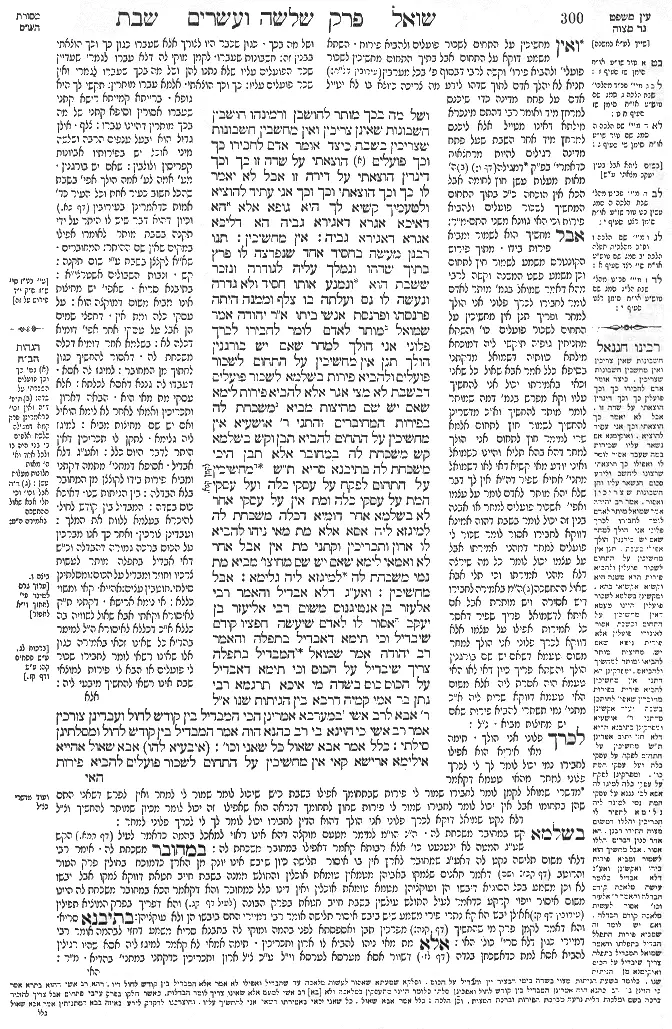
Shabbat 150b - Guemara
ושל מה בכך מותר לחושבן ורמינהו חושבין חשבונות שאינן צריכין ואין מחשבין חשבונות שצריכין בשבת כיצד אומר אדם לחבירו כך וכך פועלים הוצאתי על שדה זו כך וכך דינרין הוצאתי על דירה זו אבל לא יאמר לו כך וכך הוצאתי וכך וכך אני עתיד להוציא ולטעמיך קשיא לך היא גופא אלא הא דאיכא אגרא דאגירא גביה הא דליכא אגרא דאגירא גביה:
אין מחשיכין:
תנו רבנן מעשה בחסיד אחד שנפרצה לו פרץ בתוך שדהו ונמלך עליה לגודרה ונזכר ששבת הוא ונמנע אותו חסיד ולא גדרה ונעשה לו נס ועלתה בו צלף וממנה היתה פרנסתו ופרנסת אנשי ביתו א"ר יהודה אמר שמואל מותר לאדם לומר לחבירו לכרך פלוני אני הולך למחר שאם יש בורגנין הולך תנן אין מחשיכין על התחום לשכור פועלים ולהביא פירות בשלמא לשכור פועלים דבשבת לא מצי אגר אלא להביא פירות לימא שאם יש שם מחיצות מביא משכחת לה בפירות המחוברים והתני ר' אושעיא אין מחשיכין על התחום להביא תבן וקש בשלמא קש משכחת לה במחובר אלא תבן היכי משכחת לה בתיבנא סריא ת"ש מחשיכין על התחום לפקח על עסקי כלה ועל עסקי המת על עסקי כלה ומת אין על עסקי אחר לא בשלמא אחר דומיא דכלה משכחת לה למיגזא ליה אסא אלא מת מאי ניהו להביא לו ארון ותכריכין וקתני מת אין אבל אחר לא ואמאי לימא שאם יש שם מחיצו' מביא מת נמי משכחת לה למיגזא ליה גלימא:
אבל מחשיכין:
ואע"ג דלא אבדיל והאמר רבי אלעזר בן אנטיגנוס משום רבי אליעזר בן יעקב אסור לו לאדם שיעשה חפציו קודם שיבדיל וכי תימא דאבדיל בתפלה והאמר רב יהודה אמר שמואל המבדיל בתפלה צריך שיבדיל על הכוס וכי תימא דאבדיל על הכוס כוס בשדה מי איכא תרגמא רבי נתן בר אמי קמיה דרבא בין הגיתות שנו א"ל ר' אבא לרב אשי במערבא אמרינן הכי המבדיל בין קודש לחול ועבדינן צורכין אמר רב אשי כי הוינא בי רב כהנא הוה אמר המבדיל בין קודש לחול ומסלתינן סילתי:
כלל אמר אבא שאול כל שאני וכו':
(איבעיא להו) אבא שאול אהייא אילימא ארישא קאי אין מחשיכין על התחום לשכור פועלים להביא פירות
Comments from Rashi on Masechet Shabbat Page 150b
ושל מה בכך . כגון שכבר היו לצורך אלא שעברו כגון כך וכך הוצאתי בבנין זה: חשבונות שעברו . לקמן מוקי לה דלא עברו לגמרי שעדיין שכר הפועלים עליו שלא נתנו להן ושל מה בכך שעברו לגמרי ואין שכר פועלים עליו: כך וכך הוצאתי . אלמא עברו מותרין: תקשי לך היא גופא . ברייתא קמייתא רישא קתני שעברו אסורין וסיפא קתני של מה בכך מותרין דהיינו עברו: צלף . אילן גדול הוא ובעל ענפים הרבה ושלשה מיני אוכל יש בפירותיו אביונות קפריסין ולולבין: שאם יש בורגנין . מע' אמה לע' אמה הולך אפי' בשבת שהכל חשוב כעיר אחת וכל העיר כד' אמות כדאמרינן בעירובין (דף כא.) וכיון דהוא דבר שיש לו היתר על ידי תקנה בשבת מותר לאומרו אפילו במקום שאין שם ההיתר: המחוברים . שא"א לקצצן בשבת ע"י שום תקנה: קש . זנבות השבולים אשטרצי"א: בתיבנא סריא . שאפי' יש מחיצות אינו מביא משום דמוקצה הוא: על עסקי כלה ומת אין . דחפצי שמים הן אבל על עסקי אחר אפי' דומיא דכלה לא: בשלמא אחר דומיא דכלה משכחת לה . דאסור להחשיך כגון לחתוך מן המחובר: למיגז לה אסא . דעבדו לה גננא דאסא לכלתא: אלא עסקי מת מאי היא . הבאה דארון ותכריכין ואמאי לאחר לא לימא הואיל ואם יש שם מחיצות מביא: למיגז ליה גלימא . לתקן לו תכריכין דאין היתר לדבר היום כלל: ואע"ג דלא אבדיל . אסיפא דמתני' מתמה דקתני ומביא פירות בידו לקוצצן מן המחובר בלא הבדלה: בין הגיתות שנו . דאיכא כוס בשדה: המבדיל בין קודש לחול . להיכרא בעלמא ללוות את המלך: ועבדינן צורכין . ואחר כך אנו מברכין על הכוס ברכה גמורה דהבדלה וכ"ש דאי אבדיל בתפלה מותר לעשות צרכיו וחוזר ומבדיל על הכוס: ומסלתינן סילתי . חוטבין עצים: אהייא . קאי ומשוי כללא: אי נימא ארישא . דקתני ת"ק לאיסורא וקאתי אבא שאול לשוויה בה כללא א"כ דכללא לאיסורא ה"ל למימר בהדיא כל שאינו זכאי באמירה כגון אלו שאינו רשאי לומר לחבירו שכור לי פועלים או הבא לי פירות למוצאי שבת אינו רשאי להחשיך מיבעי ליה:
Comments from Tosafot - Shabbat 150b
לכרך פלוני אני הולך . תימה מאי איריא הוא אפילו לחבירו נמי יכול לומר לך לי לכרך פלוני למחר מהאי טעמא דקאמר מדשרי שמואל לקמן לומר לחבירו שמור לי פירות שבתחומך אפילו בשבת כ"ש שיכול לומר שמור לי למחר ואין לפרש דשאני התם שהן בתחומו אבל אין יכול לומר לחבירו שמור לי פירות שחוץ לתחומך דנראה הוא שאפילו זה יכול לומר מכיון שמותר להחשיך וצ"ל דלא נקט שמואל דוקא לכרך פלוני אני הולך דהוא הדין לחבירו יכול לומר לך לי לכרך פלוני למחר: בשלמא קש במחובר משכחת לה . ה"נ הו"מ למימר מטעם מוקצה דהא אינו ראוי למאכל בהמה כדאמר לעיל (שבת דף קמא) הקש שע"ג המטה לא ינענענו כו' אלא רבותא קאמר דאפילו במחובר משכחת לה: במחובר משכחת לה . אומר רבי דלאו משום תלישה נקט לה דאע"ג שמחובר לארץ אין בו איסור תלישה כיון שיבש אינו יונק מן הארץ כדמוכח בחולין פרק העור והרוטב (דף קכז: ושם) דאמר תאנים שצמקו באביהן מטמאין טומאת אוכלין והתולש ממנה בשבת חייב חטאת דווקא צמקו אבל יבשו לא וכן משמע בכל הסוגיא דיבשו הן ועוקציהן מטמא טומאת אוכלין ואין דינו כלל כמחובר והא דקאמר הכא במחובר משכחת לה היינו משום איסור ייפוי קרקע כדאמר לעיל התולש עולשין בשבת חייב חטאת בפרק הבונה (לעיל שבת דף קג.) והא דפריך בפרק המוציא תפילין (עירובין דף ק:) אאילן יבש הא קא נתרי פירי משמע שיש ביבש איסור תלישה אומר רבי דמיירי התם ביבשו הן ולא עוקציהן: בתיבנא סריא . והא דאמר לקמן פרק מי שהחשיך (שבת דף קנה:) מפרכין תבן ואספסתא לפני בהמה ומוקי לה בתבנא סריא משמע דחזי לבהמה אומר רבי דמיירי כגון דלא סרי' כולי האי: אלא מת מאי ניהו להביא לו ארון ותכריכין . תימה אמאי לא קאמר למיגז ליה אסא שהיו רגילין להביא אסא למת כדאשכחן בנדה (דף לז.) דשוור אסא מערסא לערסא וי"ל ע"כ צ"ל ארון ותכריכין כדקתני במתני' בהדיא. מ"ר: אבל מחשיך הוא לשמור ומביא פירות בידו . מתוך פירוש הקונטרס משמע לשמור חוץ לתחום וכן משמע פשט המשנה וקשה לרבי מהא דאמר שמואל בגמ' מותר לאדם לומר לחבירו לכרך פלוני אני הולך למחר ופריך תנן אין מחשיכין על התחום לשכור פועלים כו' והשתא מתניתין גופיה תיקשי ליה דמוכחא מילתא כוותיה דשמואל מדקתני בסיפא כלל אמר אבא שאול כל שאני זכאי באמירתו יכול אני להחשיך עליו וקא מפרש בגמ' דמה שמותר לומר מותר להחשיך וא"כ מדשרינן להחשיך לשמור חוץ לתחום אלמא שרי למימר חוץ לתחום אני הולך למחר דהא בהא תליא והיינו כשמואל ואיני יודע מאי קשיא דאי לאו דשמואל מתני' אתיא שפיר דה"א אין לך דבר שלא יהא מותר לאדם לומר על עצמו ואפי' אשכור פועלים למחר או אבנה בנין זה יכול לומר בשבת דהוה אמינא דווקא לחבירו אסור לומר שכור לי פועלים למחר דמהני אמירתו אבל על עצמו יכול לומר כל מה שירצה דלא מהני אמירתו וכי תלי אבא שאול ההחשכה ה"מ באמירה לחבירו דיש אסורה ויש מותרת אבל אם איתא לדשמואל פריך שפיר דאסר כל אמירות אפילו על עצמו אלא דווקא לכרך פלוני אני הולך למחר משום טעמא דשאם יש שם בורגנין הולך והשתא פריך כיון דאי לאו האי טעמא הוה אסרת ליה אלא משום האי טעמא דווקא שרית ליה א"כ מתני' נמי תשתרי להביא פירות שאם יש מחיצות מביא. נ"ל:
Shabbat 150b - Mishnah translated into english
and of: What significance does it have, it is permitted to calculate them.
The Gemara raises a contradiction based on what was taught in another baraita: One may make calculations that are unnecessary, but one may not make calculations that are necessary on Shabbat. How so? One may say to another: I sent out such and such number of workers to this field, and I spent such and such number of dinar for this home. But he may not say to him: I spent such and such amount of money, and I am going to spend such and such amount in the future. Apparently, one is permitted to calculate one’s previous expenditures on Shabbat.
The Gemara responds: And according to your reasoning, it itself, the Tosefta quoted previously, is difficult for you, for it prohibits calculating past expenditures while allowing one to make calculations that do not have practical significance. Rather, it must be explained in the following manner: This Tosefta, which taught that it is prohibited to calculate past expenses, is referring to a case in which he has payment with him that he still owes his workers. Therefore, although his calculation pertains to projects that have already been completed, it is still relevant in a practical manner. And this baraita, which taught that it is permitted to calculate past expenses, is referring to a case in which he does not have payment with him that he must still pay his workers, and therefore his calculation does not have practical significance.
We learned in the mishna that one may not wait for nightfall at the edge of the Shabbat boundary in order to hire workers or bring produce from outside of the boundary immediately after Shabbat. The Sages taught: There was an incident with a pious man in which a breach was made in the fence around his field, and when he saw it he decided to fence it in. And then he remembered that it was Shabbat. And that pious man refrained from fixing the fence forever because he had thought about fixing it on Shabbat. And a miracle was done for him, and a caper bush grew in the breach, thereby closing it up. And from it and its produce he then received his livelihood and the livelihood of the members of his household.
Rav Yehuda said that Shmuel said: A person is permitted to say to another on Shabbat: I am going to such and such city tomorrow, for if there were small guardhouses [burganin] one would be permitted to walk. If small guardhouses, from which the surrounding area and fields could be watched, were located along the way one needs to travel, the entire area would attain the status of a single city, and walking from one part to the other on Shabbat would be permitted ab initio. Since it would be permitted to traverse this area on Shabbat with burganin present, it is permitted to talk about such a journey on Shabbat, even when these guardhouses are not present. This is because it is permitted to speak about or prepare for something that can be done in a permitted fashion on Shabbat, even in the absence of the conditions that make it permitted.
We learned in the mishna: One may not wait for nightfall at the edge of the Shabbat boundary in order to hire workers or bring produce after Shabbat from the other side of the boundary. Granted, it makes sense that it is prohibited to wait at the Shabbat boundary in order to hire workers, as one may not hire workers under any circumstances on Shabbat. But if one waits there in order to bring produce, why is it prohibited? Let us say that since one would be permitted to bring produce at the edge of the boundary on Shabbat ab initio if there were partitions there, one may wait for nightfall at the border to bring produce even when there are not partitions present, in accordance with Rav Yehuda’s ruling mentioned above. The Gemara answers: You find a case where bringing produce is not permitted under any circumstances; that is when the produce is still attached to the ground, as there is no permitted way to pick produce on Shabbat.
The Gemara again questions Rav Yehuda’s ruling: But Rabbi Oshaya taught: One may not wait for nightfall at the edge of the Shabbat boundary in order to bring in hay and straw after Shabbat. Granted, Rabbi Oshaya taught that it is prohibited in the case of straw; you find the case of straw that is still attached to the ground, which it is clearly prohibited to pick under any circumstances. But hay, which has already been detached from the ground, how do you find a case in which it would be prohibited to carry it on Shabbat, even with partitions present? The Gemara answers: Rabbi Oshaya’s ruling referred to rotten straw, which may not be carried on Shabbat because it is considered set-aside [muktze].
Come and hear a proof with regard to this matter based on what was taught elsewhere: One may wait for nightfall at the edge of the Shabbat boundary in order to attend to the needs of a bride or the needs of a corpse. The Gemara infers from this that for the needs of a bride or a corpse, yes, one is permitted to wait for nightfall at the edge of the Shabbat boundary, but for the needs of another person, no, it is not permitted.
Granted, with regard to attending to the needs of another in a manner similar to attending to the needs of a bride, you find a case where it is prohibited to cut him a myrtle branch as was customarily done for brides because this is absolutely prohibited on Shabbat. But with regard to a corpse, what is it that one might do which would be prohibited to do for others? To bring for it a coffin and shrouds. And it teaches that for a corpse, yes, it is permitted, but for another it is not.
And why is it prohibited to do so for others? Let us say that since one would be permitted to bring these items on Shabbat if there were partitions there, one may wait for nightfall at the edge of the border to bring these items after Shabbat, in accordance with the ruling of Rav Yehuda. The Gemara answers: In the case of a corpse, you also find a case where bringing an item is prohibited under any circumstance, e.g., if one is waiting to cut a garment for the corpse to use as shrouds. There is no permissible way to do that on Shabbat. In that case, it would be prohibited to wait at the edge of the Shabbat boundary for this purpose if not for the fact that it is for the sake of a corpse, as it is a mitzva to attend to the needs of a corpse.
We learned in the mishna: But one may wait for nightfall at the Shabbat boundary in order to guard one’s produce. The Gemara asks: And is this the case even if he has not recited the blessing of distinction [havdala] marking the end of Shabbat? But didn’t Rabbi Elazar ben Antigonos say in the name of Rabbi Eliezer ben Ya’akov that it is prohibited for a person to tend to his weekday affairs after Shabbat before he recites havdala? And if you say that this is referring to a case in which one already recited havdala during prayer, as formulated by the Sages in the blessing of: Who graciously grants knowledge, didn’t Rav Yehuda say that Shmuel said that one who recites havdala in prayer must still recite havdala over a cup of wine? And if you say that this is an instance in which one already recited havdala over a cup of wine, does one have a cup of wine in the field? Rabbi Natan bar Ami explained this before Rava: They taught this halakha with regard to a unique case in which the edge of the Shabbat boundary was situated among wine presses, and one took wine from the wine press and recited havdala over it.
Rabbi Abba said another explanation to Rav Ashi: In the West, in Eretz Yisrael, we say this at the end of Shabbat: The One who distinguishes between the sacred and the mundane, and then we attend to our needs, as reciting havdala over a cup is unnecessary in order to begin doing labor after Shabbat. It is therefore possible that the mishna addressed a similar case. Similarly, Rav Ashi said: When I was in the house of Rav Kahana, he would say: The One who distinguishes between the sacred and the mundane, at the end of Shabbat, and we would cut wood to burn for light and heat.
We learned in the mishna: Abba Shaul stated a general principle: With regard to anything that I am permitted to discuss on Shabbat, I am permitted to wait for nightfall at the edge of the Shabbat boundary for its sake. The Gemara raises a dilemma: To which part of the mishna did Abba Shaul’s statement refer? If you say that it relates to the first clause of the mishna, which taught: One may not wait for nightfall at the edge of the Shabbat boundary in order to hire workers or to bring produce,
Traduction : The William Davidson digital edition of the Koren Noé Talmud, with commentary by Rabbi Adin Even-Israel Steinsaltz.