 Talmud Bavli
Shabbat 141b : Youtube
Daf TubeYoutube
2 video classes :
Shabbat Page 141b
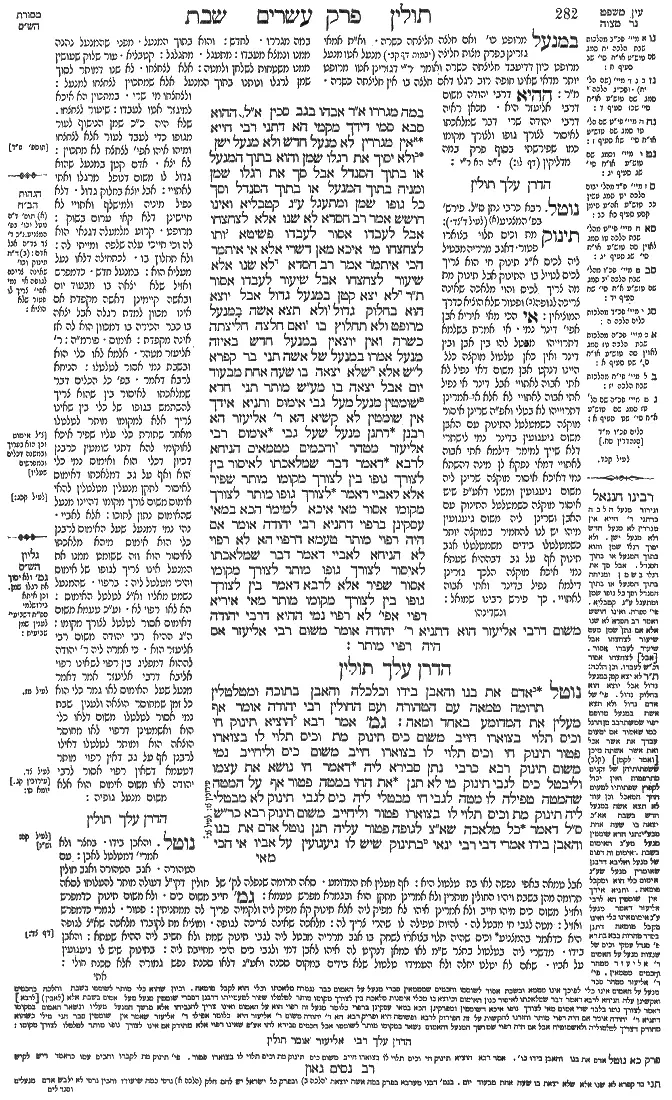
Shabbat 141b - Guemara
במה מגררו א"ר אבהו בגב סכין א"ל ההוא סבא סמי דידך מקמי הא דתני רבי חייא אין מגררין לא מנעל חדש ולא מנעל ישן ולא יסוך את רגלו שמן והוא בתוך המנעל או בתוך הסנדל אבל סך את רגלו שמן ומניח בתוך המנעל או בתוך הסנדל וסך כל גופו שמן ומתעגל ע"ג קטבליא ואינו חושש אמר רב חסדא לא שנו אלא לצחצחו אבל לעבדו אסור לעבדו פשיטא ותו לצחצחו מי איכא מאן דשרי אלא אי איתמר הכי איתמר אמר רב חסדא לא שנו אלא שיעור לצחצחו אבל שיעור לעבדו אסור ת"ר לא יצא קטן במנעל גדול אבל יוצא הוא בחלוק גדול ולא תצא אשה במנעל מרופט ולא תחלוץ בו ואם חלצה חליצתה כשרה ואין יוצאין במנעל חדש באיזה מנעל אמרו במנעל של אשה תני בר קפרא ל"ש אלא שלא יצאה בו שעה אחת מבעוד יום אבל יצאה בו מע"ש מותר תני חדא שומטין מנעל מעל גבי אימוס ותניא אידך אין שומטין לא קשיא הא ר' אליעזר הא רבנן דתנן מנעל שעל גבי אימוס רבי אליעזר מטהר וחכמים מטמאים הניחא לרבא דאמר דבר שמלאכתו לאיסור בין לצורך גופו בין לצורך מקומו מותר שפיר אלא לאביי דאמר לצורך גופו מותר לצורך מקומו אסור מאי איכא למימר הכא במאי עסקינן ברפוי דתניא רבי יהודה אומר אם היה רפוי מותר טעמא דרפוי הא לא רפוי לא הניחא לאביי דאמר דבר שמלאכתו לאיסור לצורך גופו מותר לצורך מקומו אסור שפיר אלא לרבא דאמר בין לצורך גופו בין לצורך מקומו מותר מאי איריא רפוי אפי' לא רפוי נמי ההיא דרבי יהודה משום דרבי אליעזר הוא דתניא ר' יהודה אומר משום רבי אליעזר אם היה רפוי מותר:
הדרן עלך תולין
מתני׳ נוטל אדם את בנו והאבן בידו וכלכלה והאבן בתוכה ומטלטלין תרומה טמאה עם הטהורה ועם החולין רבי יהודה אומר אף מעלין את המדומע באחד ומאה:
גמ׳ אמר רבא הוציא תינוק חי וכיס תלוי בצוארו חייב משום כיס תינוק מת וכיס תלוי לו בצוארו פטור תינוק חי וכיס תלוי לו בצוארו חייב משום כיס וליחייב נמי משום תינוק רבא כרבי נתן סבירא ליה דאמר חי נושא את עצמו וליבטל כיס לגבי תינוק מי לא תנן את החי במטה פטור אף על המטה שהמטה טפילה לו מטה לגבי חי מבטלי ליה כיס לגבי תינוק לא מבטלי ליה תינוק מת וכיס תלוי לו בצוארו פטור וליחייב משום תינוק רבא כר"ש ס"ל דאמר כל מלאכה שא"צ לגופה פטור עליה תנן נוטל אדם את בנו והאבן בידו אמרי דבי רבי ינאי בתינוק שיש לו גיעגועין על אביו אי הכי
Comments from Rashi on Masechet Shabbat Page 141b
במה מגררו . לחדש: והוא בתוך המנעל . מפני שהמנעל נהנה ממנו ונמצא מעבדו: מתעגל . מתגלגל: קטבליא . עור שלוק שעושין ממנו משטחות לשלחן ולמטה: אלא לצחצחו . לא שנו דמותר לסוך שמן לרגלו ונותנו בתוך המנעל אלא שמתכוין לצחצחו למנעל: ולצחצחו מי שרי . במתכוין הא איכא למיגזר אטו לעבדו: שיעור לצחצחו . שלא היה כ"כ שמן הנישוף לעור מגופו כדי לעבד לעור אלא לצחצחו ומיהו איהו אפי' לצחצח לא מתכוין: לא יצא . אדם קטן במנעל שהוא גדול לו משום דנופל מרגלו ואתי לאתויי: אבל יוצא בחלוק גדול . דלא נפיל מיניה ולמישלף ואתויי לא חיישינן דלא קאי ערום בשוק: מרופט . קרוע מלמעלה דגנאי הוא לה וכי חייכי עלה שלפה ומייתי לה: ולא תחלוץ בו . לכתחילה דלאו נעל מעליא הוא: במנעל חדש . כדמפרש ואזיל שלא יצאה בו מבעוד יום ובאשה קיימינן דאשה מקפדת אם אינו מכוון למדת רגלה אבל יצאה בו כבר הכירה בו דמכוון הוא לה אז אינה מקפדת: אימוס . פורמ"ה: ר' אליעזר מטהר . אלמא לאו כלי הוא ובשבת נמי אסור לטלטלו: הניחא לרבא דאמר . בפ' כל הכלים דבר שמלאכתו לאיסור בין שהוא צריך להשתמש בגופו של כלי בין שאינו צריך אלא למקומו מותר לטלטלו מאחר שתורת כלי עליו שפיר איכא לאוקומי להא דתני שומטין כרבנן דכיון דכלי הוא ואימוס נמי כלי הוא ואף על גב דמלאכתו דאימוס לאיסור לתקן מנעלין מטלטלין להאי אימוס משום צורך מקומו דהיינו מנעל שהאימוס נתון לתוכו: אלא לאביי . נהי נמי דמנעל שעל האימוס לרבנן כלי הוא אימוס מיהא מלאכתו לאיסור הוא וזה ששומט ממנו את המנעל אינו צריך לגופו של אימוס והיכי מטלטל ליה: ברפוי . שהמנעל נשמט מאליו וא"צ לטלטל האימוס: הא לאו רפוי לא . וע"כ טעמא משום דאימוס אסור לטלטל לצורך מקומו: ה"ג ההיא רבי יהודה משום רבי אליעזר הוא . כי אמרה ליה ר' יהודה לההוא דמפליג בין רפוי לשאינו רפוי אליבא דרבי אליעזר אמר דאמר מנעל שעל האימוס לאו גמר כלי הוא כל זמן שמחוסר הוצאה ולענין שבת נמי אסור לטלטלו משום דלאו כלי הוא ואשמעינן דרפוי לאו מחוסר הוצאה הוא ומותר לטלטלו דאילו לרבנן אף על גב דאין רפוי מותר דטעמא דשאין רפוי אסור לרבי יהודה לאו משום אימוס הוא אלא משום מנעל גופיה: מתני' נוטל והאבן בידו . בחצר ולא אמרי' דמטלטל לאבן: עם הטהורה . אגב הטהורה ואגב חולין אבל טמאה באפי נפשה לאו בת טלטול הוא: אף מעלין את המדומע . סאה תרומה שנפלה לק' של חולין דקי"ל דעולה מותר להעלותו לסאה תרומה מהן בשבת ויהיו החולין מותרין ולא אמרינן מתקן הוא ובגמרא מפרש טעמא: גמ' חייב משום כיס . ולא משום תינוק כדמפרש ואזיל משום כיס מיהו חייב ולא אמרינן איהו לא מפיק ליה אלא תינוק קא מפיק ליה ולקמיה פריך לה ממתניתין: פטור . לגמרי כדמפרש ואזיל: מטה לגבי חי מבטל לה . להיות טפילה לו שהרי צריך לה: מלאכה שאינה צריכה לגופה . ומוציא מת לקוברו מלאכה שא"צ לגופה היא כדאמר בהמצניע וכיס שהיה תלוי בצוארו לשחק בו אגב מרריה מבטל ליה לגבי תינוק שמת ולא חשיב ליה ההיא שעתא: פטור . לגמרי כדמפרש ואזיל: בתינוק שיש לו גיעגועין על אביו . שאם לא יטלנו יחלה ולא העמידו טלטול שלא בידים במקום סכנה ואע"ג דלאו סכנת נפש גמורה אלא סכנת חולי:
Comments from Tosafot - Shabbat 141b
במנעל מרופט כו' ואם חלצה חליצתה כשרה . וא"ת אמאי גזרינן בפרק מצות חליצה (יבמות דף קב.) מנעל אטו מנעל מרופט כיון דדיעבד חליצתה כשרה ואומר ר"י דגזרינן אטו מרופט יותר מדאי שאינו חופה רוב רגלו דאם חלצה בו אין חליצתה כשרה. מ"ר: ההיא דרבי יהודה משום דרבי אליעזר היא . מכאן ראיה דרבי יהודה שרי דבר שמלאכתו לאיסור לצורך גופו ולצורך מקומו כמו שפירשתי בסוף פרק במה מדליקין (דף לו:) ד"ה הא ר"י: מתני' נוטל. רבא כרבי נתן ס"ל . פירש' בפ' המצניע (לעיל שבת ד' צד.): תינוק מת וכיס תלוי בצוארו פטור . דאגב מרריה מבטיל ליה לכיס א"נ תינוק חי הוא צריך לכיס לטייל בו התינוק אבל תינוק מת מה צריך לכיס והוי מלאכה שאינה צריכה לגופה ופטור שלא הוציא כדרך המוציאין: אי הכי מאי איריא אבן אפי' דינר נמי . אי אמרת בשלמא דתרוייהו מבטל להו בין אבן ובין דינר ואין כאן טלטול מוקצה כלל היינו דנקט אבן משום דאי נפיל לא אתי אבוה לאתויי אבל דינר אי נפיל אתי אבוה לאתויי לא אלא אי אמרינן דתרוייהו לא בטלי ואפ"ה שרינן איסור מוקצה כשמטלטל התינוק עם האבן משום גיעגועין בדינר נמי לישתרי דלא שייך למימר דילמא אתי אבוה לאתויי דמאי נפקא לן מינה דהשתא נמי דאיכא איסור מוקצה שרינן ליה משום גיעגועין ומשני דאע"פ שיש איסור מוקצה כשמטלטל התינוק עם האבן ושרינן ליה משום גיעגועין מיהו יש לנו להחמיר במוקצה יותר כשמטלטלו בידים משמטלטלו אגב תינוק אף על גב דבההיא שעתא נמי איכא מוקצה הלכך גזרינן דילמא נפיל בדינר ואתי אבוה לאתויי. כך פירש רבינו שמואל:
Shabbat 141b - Mishnah translated into english
With what does one scrape it off? Rabbi Abahu said: With the back of a knife, which is a departure from the typical manner of doing so.
A certain Elder said to Rabbi Abbahu: Delete your teaching before this statement taught by Rabbi Ḥiyya: One may not scrape at all; neither a new shoe nor an old shoe, and one may not smear oil on one’s foot while it is inside the shoe or inside the sandal, as the oil is absorbed by the leather of the shoe and strengthens it, which constitutes performance of the prohibited labor of tanning. However, one may smear oil on his foot in the typical manner and place it afterward in a shoe or in a sandal, and he need not be concerned that this oil will enhance the shoe leather. And he may likewise smear oil on his entire body with oil and roll on a leather carpet, and he need not be concerned.
Rav Ḥisda said: They only taught this in a case where he does so in order to polish the carpet. But if he does so to tan the carpet, it is prohibited.
The Gemara raises a difficulty: If he does so to tan the leather, it is obvious that it is prohibited, as tanning is a labor prohibited by Torah law. And furthermore: If he does so in order to polish it, is there an opinion that permits one to perform this act intentionally on Shabbat ab initio?
Rather, if it was stated, it was stated as follows: Rav Ḥisda said: They only taught that it is permitted to do so on Shabbat in a case where one smears a measure sufficient only to polish it; however, if one smears a measure sufficient to tan it, it is prohibited, even if he did not intend to tan the leather.
The Sages taught in a baraita: A small person may not go out in a too large shoe, due to concern lest the shoe fall off and he will come to carry it in the public domain; but he may go out in a too large cloak. Even if it does not fit him properly, it will certainly not fall off.
And a woman may not go out on Shabbat in a shoe that is torn on top, lest she be mocked, remove it, and carry it on Shabbat. And a shoe of that kind may not be used to perform ḥalitza, as it is not a suitable shoe. Ḥalitza is performed by a widow bound in a levirate bond with her brother-in-law. However, if she performed ḥalitza with it, her ḥalitza is valid, since ultimately it is a shoe.
And one may not go out on Shabbat wearing a new shoe, due to the concern that it will not fit properly, and then one will remove it and carry it. The Gemara comments: In what case did they say that one may not wear a new shoe? They said this with regard to a woman’s shoe, as women are very particular about having their shoes fit properly.
Bar Kappara taught: They only taught that she may not go out wearing a new shoe on Shabbat if she did not yet go out wearing it for any length of time while it was still day. However, if she went out wearing it on Shabbat eve, at which point she would have ascertained if it fits her, she is permitted to go out wearing it on Shabbat.
One baraita taught: One may remove a shoe from the shoemaker’s last, the frame on which a shoe is shaped, on Shabbat. And another baraita taught the opposite: One may not remove it. The Gemara explains that this is not difficult: This baraita, which prohibits doing so, is in accordance with the opinion of Rabbi Eliezer, and that baraita, which permits doing so, is in accordance with the opinion of the Rabbis. Rabbi Eliezer and the Rabbis dispute the applicability of the halakhot of ritual purity and impurity in a similar case.
As we learned in a mishna: A shoe that remains on a last, Rabbi Eliezer deems it pure, i.e., unable to become impure, as in his opinion the shoe is not yet complete, and therefore it is not yet a vessel and cannot become impure. And the Rabbis deem it capable of becoming impure, as in their opinion, the shoe is completed, and any vessel whose work is complete can become ritually impure. Correspondingly, the Rabbis, who hold that a shoe on a last is a completed vessel, hold that it may be moved on Shabbat. Rabbi Eliezer, who holds that it is an incomplete vessel, holds that it may not be moved.
The Gemara poses a question: It works out well according to the opinion of Rava, who said: Moving an object whose primary function is for a prohibited use, whether for the purpose of utilizing the object itself to perform a permitted action or for the purpose of utilizing its place, is permitted. It is well understood that one may move the last slightly while removing the shoe, since removing the shoe is considered utilizing the last’s place.
However, according to Abaye, who said that for the purpose of utilizing the object itself to perform a permitted action, it is permitted; however, for the purpose of utilizing its place, it is prohibited, what can be said? It is prohibited to move the last, which is clearly a utensil whose primary function is for a prohibited use. How is it possible to remove the shoe without moving the last?
The Gemara answers: With what are we dealing here? It is with a shoe placed loosely on the last, so the shoe can be removed without moving the last. As it was taught in a baraita: Rabbi Yehuda says: If it was loose, it is permitted.
The Gemara infers: The reason it is permitted is only because it is loose; however, if it is not loose, no, it is prohibited. It works out well according to the opinion of Abaye, who said that moving an object whose primary function is for a prohibited use for the purpose of utilizing the object itself to perform a permitted action it is permitted; however, for the purpose of utilizing its place, it is prohibited to move it. It is well understood that it is prohibited to move the last if the shoe is tightly attached to it.
However, according to Rava, who said that moving an object whose primary function is for a prohibited use, whether for the purpose of utilizing the object itself to perform a permitted action or for the purpose of utilizing its place, is permitted, why discuss specifically a case where it is loose? Even if it were not loose, it should also be permitted to move it.
The Gemara answers: That baraita is the opinion of Rabbi Yehuda in the name of Rabbi Eliezer, and it is not a clarification of the opinion of the Rabbis. Although Rabbi Eliezer holds that the shoe is not yet completed, nevertheless, Rabbi Yehuda says in the name of Rabbi Eliezer that it is permitted to carry it. As it was taught in a baraita: Rabbi Yehuda says in the name of Rabbi Eliezer: If it was already loose and no longer requires a last, it is permitted to move it, since it is a completed vessel and no longer needs the last to shape it.
MISHNA: A person may take his son in his hands on Shabbat, and even though there is a stone, which is a set-aside item, in the child’s hand, it is not prohibited to pick up the child. And it is permissible to take a basket with a stone inside it on Shabbat. And one may move ritually impure teruma, which may not be eaten and is set-aside, with ritually pure teruma, as well as with non-sacred produce.
Rabbi Yehuda says: One may even lift a measure of teruma that was nullified from a mixture of one hundred measures of non-sacred produce and one measure of teruma. When a measure of teruma is mixed with non-sacred produce, if the non-sacred produce is one hundred times the measure of teruma, the teruma is nullified. However, the Sages instituted that one must remove an amount equivalent to that measure of teruma and give it to a priest. The remainder is considered non-sacred produce. Rabbi Yehuda permits removing that measure on Shabbat to render the mixture permitted to eat.
GEMARA: Rava said: If one carried out a living baby to the public domain on Shabbat, and the baby had a purse that was hanging around his neck, he is liable for carrying out the purse. However, one who carried out a dead baby, with a purse hanging around his neck, is exempt.
Rava said: If one carried out a living baby to the public domain on Shabbat, and a purse was hanging around the baby’s neck, he is liable for carrying out the purse. The Gemara asks: And let him be liable for carrying out the baby as well.
The Gemara responds: Rava holds in accordance with the opinion of Rabbi Natan, who said: A living being carries itself. Therefore, one who carries a living being from one domain to another is not liable.
The Gemara asks: And let the purse be negated relative to the baby; and he should be exempt for carrying out the purse as well. Didn’t we learn in a mishna: One who carries out a living person on a bed is exempt even for carrying out the bed, because the bed is secondary to the person? The same should be said with regard to the purse, relative to the baby.
The Gemara answers: In a case where a bed is relative to a living being, the living being negates it, as the bed is needed to carry the person and is secondary to him. However, in a case where a purse is relative to a baby, the baby does not negate it, since it is independently significant.
And Rava said: One who carried out a dead baby with a purse hanging around the baby’s neck is exempt. The Gemara asks: And let him be liable for carrying out the baby. The Gemara answers: Rava holds in accordance with the opinion of Rabbi Shimon, who said: With regard to any labor that is not needed for its own sake, one is exempt for performing it on Shabbat. One who carries out a corpse does not do so because he needs it; rather, he does so for the sake of the corpse, i.e., to bury it or to move it from a degrading place. Therefore, he has not performed a labor prohibited by Torah law. Similarly, he is also exempt for carrying out the purse because due to his distress and mourning he negates the purse, as it is insignificant relative to the baby.
We learned in the mishna: A person may take his son in his hands on Shabbat; and this is permitted even though there is a stone in the child’s hand. As it can be inferred from this mishna that the stone is negated relative to the child, why, then, is he liable in the case of a purse hanging around a live baby’s neck? Let the purse be negated relative to the baby. The Sages of the school of Rabbi Yannai say: You cannot infer from this mishna that the stone is negated and therefore it is permitted to move it. Rather, the mishna is referring to a baby who has longings for his father. It is permitted for the father to move the stone because if the father does not lift him, the baby might take ill.
The Gemara asks: If so,
Traduction : The William Davidson digital edition of the Koren Noé Talmud, with commentary by Rabbi Adin Even-Israel Steinsaltz.