 Talmud Bavli
Shabbat 140b : Youtube
Daf TubeYoutube
2 video classes :
Shabbat Page 140b
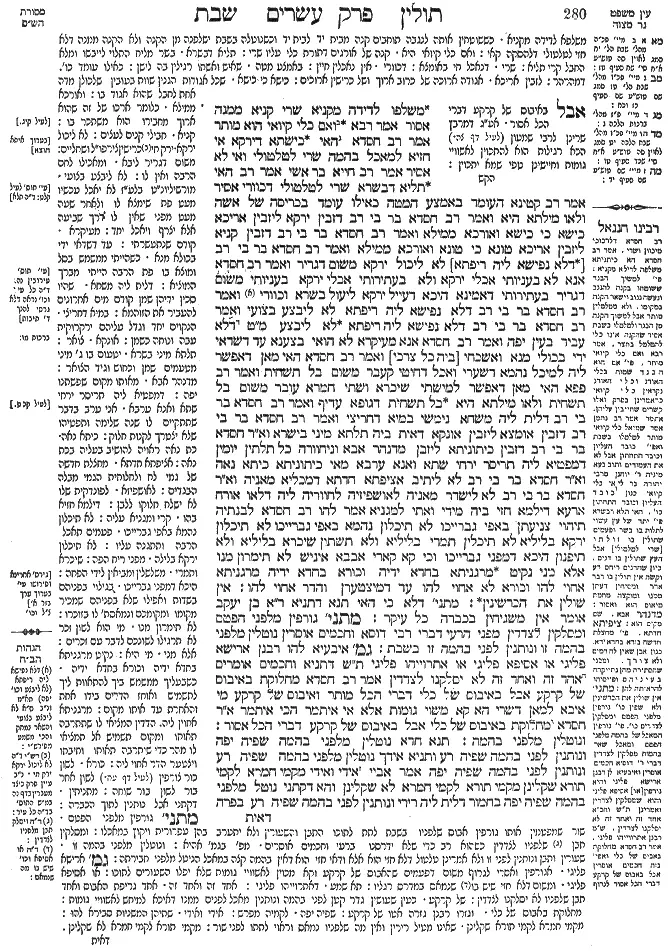
Shabbat 140b - Guemara
משלפו לדידה מקניא שרי קניא ממנה אסור אמר רבא ואם כלי קיואי הוא מותר אמר רב חסדא האי כישתא דירקא אי חזיא למאכל בהמה שרי לטלטולי ואי לא אסיר אמר רב חייא בר אשי אמר רב האי תליא דבשרא שרי לטלטולי דכוורי אסיר אמר רב קטינא העומד באמצע המטה כאילו עומד בכריסה של אשה ולאו מילתא היא ואמר רב חסדא בר בי רב דזבין ירקא ליזבין אריכא כישא כי כישא ואורכא ממילא ואמר רב חסדא בר בי רב דזבין קניא ליזבין אריכא טונא כי טונא ואורכא ממילא ואמר רב חסדא בר בי רב [דלא נפישא ליה ריפתא] לא ליכול ירקא משום דגריר ואמר רב חסדא אנא לא בעניותי אכלי ירקא ולא בעתירותי אכלי ירקא בעניותי משום דגריר בעתירותי דאמינא היכא דעייל ירקא ליעול בשרא וכוורי ואמר רב חסדא בר בי רב דלא נפישא ליה ריפתא לא ליבצע בצועי ואמר רב חסדא בר בי רב דלא נפישא ליה ריפתא לא ליבצע מ"ט דלא עביד בעין יפה ואמר רב חסדא אנא מעיקרא לא הואי בצענא עד דשדאי ידי בכולי מנא ואשכחי [ביה כל צרכי] ואמר רב חסדא האי מאן דאפשר ליה למיכל נהמא דשערי ואכל דחיטי קעבר משום בל תשחית ואמר רב פפא האי מאן דאפשר למישתי שיכרא ושתי חמרא עובר משום בל תשחית ולאו מילתא היא בל תשחית דגופא עדיף ואמר רב חסדא בר בי רב דלית ליה משחא נימשי במיא דחריצי ואמר רב חסדא בר בי רב דזבין אומצא ליזבין אונקא דאית ביה תלתא מיני בישרא וא"ר חסדא בר בי רב דזבין כיתוניתא ליזבן מדנהר אבא וניחוורה כל תלתין יומין דמפטיא ליה תריסר ירחי שתא ואנא ערבא מאי כיתוניתא כיתא נאה וא"ר חסדא בר בי רב לא ליתיב אציפתא חדתא דמכליא מאניה וא"ר חסדא בר בי רב לא לישדר מאניה לאושפיזיה לחווריה ליה דלאו אורח ארעא דילמא חזי ביה מידי ואתי למגניא אמר להו רב חסדא לבנתיה תיהוי צניעתן באפי גברייכו לא תיכלון נהמא באפי גברייכו לא תיכלון ירקא בליליא לא תיכלון תמרי בליליא ולא תשתון שיכרא בליליא ולא תיפנון היכא דמפני גברייכו וכי קא קארי אבבא איניש לא תימרון מנו אלא מני נקיט מרגניתא בחדא ידיה וכורא בחדא ידיה מרגניתא אחוי להו וכורא לא אחוי להו עד דמיצטערן והדר אחוי להו:
אין שולין את הכרשינין:
מתני' דלא כי האי תנא דתניא ר"א בן יעקב אומר אין משגיחין בכברה כל עיקר:
מתני׳ גורפין מלפני הפטם ומסלקין לצדדין מפני הרעי דברי רבי דוסא וחכמים אוסרין נוטלין מלפני בהמה זו ונותנין לפני בהמה זו בשבת:
גמ׳ איבעיא להו רבנן ארישא פליגי או אסיפא פליגי או אתרוייהו פליגי ת"ש דתניא וחכמים אומרים אחד זה ואחד זה לא יסלקנו לצדדין אמר רב חסדא מחלוקת באיבוס של קרקע אבל באיבוס של כלי דברי הכל מותר ואיבוס של קרקע מי איכא למאן דשרי הא קא משוי גומות אלא אי איתמר הכי איתמר א"ר חסדא מחלוקת באיבוס של כלי אבל באיבוס של קרקע דברי הכל אסור:
ונוטלין מלפני בהמה:
תנא חדא נוטלין מלפני בהמה שפיה יפה ונותנין לפני בהמה שפיה רע ותניא אידך נוטלין מלפני בהמה שפיה רע ונותנין לפני בהמה שפיה יפה אמר אביי אידי ואידי מקמי חמרא לקמי תורא שקלינן מקמי תורא לקמי חמרא לא שקלינן והא דקתני נוטל מלפני בהמה שפיה יפה בחמור דלית ליה רירי ונותנין לפני בהמה שפיה רע בפרה
Comments from Rashi on Masechet Shabbat Page 140b
משלפא לדידה מקניא . כששוטחין אותה לנגבה תוחבים קנה מבית יד לבית יד וכשנוטלה בשבת ישלפנה מן הקנה ולא הקנה ממנה דלא חזי לטלטולי דלהסקה קאי: ואם כלי קיואי היא . קנה של אורגים דתורת כלי עליו שרי: תליא דבשרא . בשר מליח התלוי לייבשו ומלא החבל קרי תליא: שרי . דנאכל חי באומצא: דכוורי . אין נאכלין חיין: באמצע מטה . שאיש ואשתו רגילין בה לישן: כאילו עומד כו' . דמהרהר: לזבין אריכא . אגודה ארוכה של כרוב ארוך ושל כרישין ארוכים: כישא כי כישא . שכל אגודות הגנין שוות בעובין שלכולן מדה אחת לחבל שהוא אגוד בו: ואורכא ממילא . כלומר ארכו של זה שהוא ארוך מחבירו הוא משתכר בו: קניא . חבילי קנים לעצים: לא ליכול ירקא . ירק חי כרישין צירפו"ל ושחליים: משום דגריר ליבא . ומאכילו לחם הרבה ואין לו: לא ליבצע בצועי . מורשיליונ"ט בלע"ז לא יאכל עכשיו מעט פת שימצא לו ולאחר שעה מעט מפני שאין לו דרך שביעה אלא יצרף ויאכל יחד: מעיקרא . קודם שנתעשרתי: עד דשדאי ידי בכולא מנא . כשהייתי ממשמש בסל ומוצא בו פת הרבה הייתי מברך המוציא: דלית ליה משחא . שהיו סכין ידיהן שמן קודם מים אחרונים להעביר את הזוהמא: במיא דחריצי . הנקוים יחד וגדל עליהם ירקרוקית עבה ונוחה כשמן: אונקא . צואר: תלתא מיני בשרא . יטעום בו ג' מיני מטעמים שמן וכחוש וגיד הצואר: מדנהר אבא . מאותו מקום שפשתנו יפה: דמפטיא ליה תריסר ירחי שתא ואנא ערבא . אני ערב בדבר שתתקיים לו שנה שלימה ותפטיהו שלא יצטרך לקנות חלוק: כיתא נאה . כת נאה ראויה להושיב בעליה בכת נאה: אציפתא חדתא . מחצלת חדשה של גמי לח ולחלוחית הגמי מבלה הבגדים: לאושפיזא . לפונדקית שלו לא ישלח חלוקו ללבן: דילמא חזיא בהו . קרי ומגניא עליה: לא תיכלון נהמא באפי גברייכו . פעמים תאכל הרבה ותתגנה עליו: לא תיכלון ירקא בלילה . מפני ריח הפה: שיכרא ותמרי . משלשלין ומביאין לידי הפחה: היכא דמפני גברייכו . בגילוי בפניהם בשדות ואפילו שלא בפניהם שמכיר מקומו ומקומכם ונמאסת' לו בזוכרו: לא תימרון מנו . מי הוא לשון זכר לא תרגילו לשונכם לדבר עם זכרים: אלא מני . מי היא: נקיט מרגניתא בחדא ידיה וכורא בחדא ידיה . כשבעליך ממשמש ביך להתאוות ליך לתשמיש ואוחז הדדים בידו אחת והאחרת עד אותו מקום: מרגניתא אחוין ליה . הדדין המציאי לו שתתרבה תאותו ומקום תשמיש אל תמציאי לו מהר כדי שיתרבה תאותו וחיבתו ויצטער הדר אחוי ליה: כורא . לשון כור צורפין (לעיל שבת דף עח.) לשון אחר בור לשון בור שוחה: מתניתין . דקתני אבל נותנין לתוך הכברה: מתני' גורפין מלפני הפטם . שור שמפטמין אותו גורפין אבוס שלפניו בשבת לתת לתוכו התבן והשעורין ולא יתערב בהן עפרורית ויקוץ במאכלו: ומסלקין . תבן שלפניו לצדדין כשהוא רב כדי שלא ידרסנו ברעי: וחכמים אוסרים . מפ' בגמ' אהיא: ונוטלין מלפני בהמה זו . שעורין ותבן ונותנין לפני זו ולא אמרינן טלטול דלא חזי הוא אלא ודאי חזי הוא דאין בהמה קצה במאכל הניטל מלפני חבירתה: גמ' ארישא פליגי . אגורפין ואסרי לגרוף משום דפעמים שהאבוס של קרקע וקא מכוין לאשוויי גומות שלא יפלו השעורים לתוכו: או אסיפא פליגי . ומשום דלא חזי שיש בו שנמאס במדרס רגליו: תא שמע . דאתרוייהו פליגי: אחד זה ואחד זה . אחד גריפת האבוס ואחד תבן שלפניו לא יסלקנו לצדדין: של קרקע . כעין שעושין גדר קטן לפני בהמה ונותנין מאכל לפנים ממנו דאיכא למיחש לאשוויי גומות: מחלוקת באבוס של כלי . וגזרו רבנן גזרה אטו של קרקע: שפיה יפה . לקמיה מפרש: אידי ואידי . שתיהן המשניות סבירא להו: מקמי חמרא לקמי תורא שקלינן . שאינו מטיל רירין ואין מה שלפניו נמאס וראוי לתתו לפני שור: מקמי תורא לקמי חמרא לא שקלינן . דאית לה רירי ואימאיס והא דקרי לה הכא פיה יפה והכא פיה רע כדמפרש ואזיל פיה יפה דלית ליה רירי פיה רע דלא דייק ואכיל שאוכל קוצים וברקנים:
Comments from Tosafot - Shabbat 140b
תלא דבישרא כו' . לא כפירוש הקונטרס דפי' בשר מליח שתלו ליבשו דהל"ל הא בפרק מפנין דמה שייך הכא ועוד למה מזכיר תלא ועוד מוכח לעיל בפרק מפנין (שבת דף קכח.) דדג מליח נמי חזי לאומצא ועוד דהכא בטלטול איירי ואמרינן לעיל דרב במוקצה לטלטל סבר לה כר"ש ונראה כפי' הערוך דמשום תלא נקטיה ובלא בשר אלא תלא דבשרא לא ממאיס ושרי לטלטולי ושל דגים מאיס והוי מוקצה מחמת מיאוס והשתא אתי שפיר באיסור דתלא כעין כישא דירקא ור' פי' לנו דלתלא דבשרא רגיל להיות בו תורת כלי אבל של דגים לא ולא משום מוקצה מחמת מיאוס דלא איירי שמעתין במוקצה מחמת מיאוס. מ"ר: אבל באיבוס של קרקע דברי הכל אסור . אע"ג דמרבץ שרינן לרבי שמעון (לעיל שבת דף צה.) הכא רגילות הוא להתכוין לאשוויי גומות וחיישינן טפי שמא יתכוין:
Shabbat 140b - Mishnah translated into english
to remove it from the reed upon which it is hanging is permitted; however, to remove the reed from it is prohibited. Since the reed is not a vessel, it is set-aside. Rava said: And if it is hung on a weaver’s vessel, it is permitted to remove the vessel as well. Although its primary function is for a prohibited labor, since it is a vessel, it may be moved.
Rav Ḥisda said: This bundle of vegetables, if it is suitable for animal food, it is permitted to move it on Shabbat, but if not, it is prohibited to move it.
Rav Ḥiyya bar Ashi said that Rav said as follows: In the case of this hook, if it is used for hanging meat, it is permitted to move it, as it is also suitable for other uses. However, if it is a hook for hanging fish, it is prohibited to move it, because it smells bad (Rabbeinu Ḥananel) and is used exclusively for fish.
Rav Ketina said: One who stands on a board in the middle of a bed, it is as though he were standing on the stomach of a woman. Just as he would certainly injure the woman, he will certainly break the bed (ge’onim). The Gemara comments: And it is not a correct matter, and it is not accepted as halakha.
On the topic of the bundle of vegetables, the Gemara cites additional advice on similar issues that Rav Ḥisda said to poor scholars experiencing difficulty earning a livelihood: A student of a Torah academy who buys vegetables should buy long ones. A bundle is a bundle, and they have a standard thickness at a standard price. However, the addition of length comes on its own for free.
And Rav Ḥisda also said: A student of a Torah academy who buys reeds should buy long ones, since a bundle is a bundle. Bundles of reeds have a standard thickness, but the length comes on its own for free.
And Rav Ḥisda further said: A student of a Torah academy who does not have much bread should not eat a vegetable, because it whets the appetite. And Rav Ḥisda said: I neither ate a vegetable in my state of poverty, nor did I eat a vegetable in my state of wealth. In my poverty, I did not eat a vegetable because it whets the appetite. In my wealth, I did not eat a vegetable because I said: Where a vegetable enters, let meat and fish enter instead.
And Rav Ḥisda said: A student of a Torah academy who does not have much bread should not cut it into thin slices; rather, he should eat what he has in one helping. And Rav Ḥisda said: A student of a Torah academy who does not have much bread should not break it for guests. What is the reason? As he will not do so in a generous manner. And Rav Ḥisda said: Originally, I would not break bread until I placed my hand in the entire dish to assure that I found that there was enough bread to meet my needs.
And Rav Ḥisda also said: One who is able to eat barley bread and nevertheless eats wheat bread violates the prohibition against wanton destruction. One who wastes resources is comparable to one who destroys items of value. And Rav Pappa said: One who is able to drink beer and nevertheless drinks wine violates the prohibition against wanton destruction. The Gemara comments: And this is not a correct matter, as the prohibition against destruction of one’s body takes precedence. It is preferable for one to care for his body by eating higher quality food than to conserve his money.
And Rav Ḥisda said: A student of a Torah academy who has no oil should wash, i.e., smear himself, with ditch water, as the scum that accumulates in it is as useful as oil.
And Rav Ḥisda said: A student of a Torah academy who buys meat should buy from the neck [unka], as there are three types of meat there.
And Rav Ḥisda said: A student of a Torah academy who buys a linen shirt [kitonita] should buy it from those who work by the river Abba, and should wash it every thirty days, so that it will last him for the twelve months of the year. And I guarantee that the shirt will remain in good shape. The Gemara comments: What is the meaning of kitonita? A fine class [kita], as fine clothing provide one entry into a well-dressed class of people.
And Rav Ḥisda said: A student of a Torah academy should not sit on a new mat, as its dampness ruins his garments.
And Rav Ḥisda said: A student of a Torah academy should not give his clothes to his host to wash for him, as that is not proper behavior, for the host might see something on it, such as signs of a seminal emission, and he will be demeaned in the eyes of his host.
After citing Rav Ḥisda’s recommendations to students, the Gemara cites his advice to his daughters. Rav Ḥisda said to his daughters: Be modest before your husbands; do not eat bread before your husbands, lest you eat too much and be demeaned in their eyes.
Similarly, he advised: Do not eat vegetables at night, as vegetables cause bad breath. Do not eat dates at night and do not drink beer at night, as these loosen the bowels. And do not relieve yourself in the place where your husbands relieve themselves, so that they will not be revolted by you.
And when a person calls at the door seeking to enter, do not say: Who is it, in the masculine form, but rather: Who is it, in the feminine form. Avoid creating the impression that you have dealings with other men.
In order to demonstrate the value of modesty to his daughters, Rav Ḥisda held a pearl in one hand and a clod of earth in the other. The pearl he showed them immediately, and the clod of earth, he did not show them until they were upset due to their curiosity, and then he showed it to them. This taught them that a concealed object is more attractive than one on display, even if it is less valuable.
We learned in the mishna: One may not soak vetches in water in order to separate them from their chaff. However, one may take the straw in a sieve and place it into the trough of an animal. The Gemara comments: The mishna is not in accordance with the opinion of this tanna, as it was taught in a baraita: Rabbi Eliezer ben Ya’akov says: One may not look at a sieve at all on Shabbat, lest one come to violate the prohibited labor of selecting.
MISHNA: One may sweep hay from before an animal that is being fattened, and one may move hay to the sides for an animal that grazes on its own in the field (Rabbeinu Ḥananel); this is the statement of Rabbi Dosa. And the Rabbis prohibit doing so. One may take hay from before this animal and place it before that animal on Shabbat.
GEMARA: A dilemma was raised before the Sages: Do the Rabbis, who are stringent, disagree with the first clause of Rabbi Dosa’s statement, or do they disagree with the latter clause of the mishna, or do they disagree with both clauses?
Come and hear a resolution from that which was taught in a baraita. And the Rabbis say: With regard to both this, hay placed before an animal set aside for fattening, and that, hay placed before an animal that grazes on its own, one may not move it to the sides. Apparently, the Rabbis rule stringently in both cases.
Rav Ḥisda said: This dispute is with regard to a trough formed in the ground; however, with regard to a trough which is a vessel, everyone agrees that it is permitted. The Gemara expresses surprise: Is there anyone who permits doing so in a trough formed in the ground? Isn’t one leveling holes and thereby performing the prohibited labors of building or plowing? Rather, if it was stated, it was stated as follows: Rav Ḥisda said: This dispute applies only to a trough that is a vessel; however, with regard to a trough formed in the ground, everyone agrees that it is prohibited, due to the concern lest one level holes.
We also learned in the mishna: One may take hay from before this animal and place it before that animal. It was taught in one baraita: One may take hay from before an animal whose mouth is fine and place it before an animal whose mouth is foul. And it was taught in another baraita: One may take hay from before an animal whose mouth is foul and place it in front of an animal whose mouth is fine. There is an apparent contradiction between the two baraitot.
Abaye said: Both this baraita and that baraita hold that one may take hay from before a donkey and place it before an ox. However, one may not take hay from before an ox and place it before a donkey. The formulation of the baraitot can be explained as follows: That which was taught: One may take hay from before an animal whose mouth is fine, is referring to a donkey, and the reason the baraita says its mouth is fine is because it has no spittle. Therefore, the donkey does not dampen the remaining hay with its saliva. And the statement: And one may place it before an animal whose mouth is foul, is referring to a cow,
Traduction : The William Davidson digital edition of the Koren Noé Talmud, with commentary by Rabbi Adin Even-Israel Steinsaltz.