 Talmud Bavli
The learning on the whole site is dedicated : L'ilui Nishmat Yaakov ben Myriam
The learning on the whole site is dedicated : L'ilui Nishmat אליעזר בן רחל
The learning on the whole site is dedicated : L'ilui Nishmat Amram ben Itshak Loubaton
Shabbat 114b : Youtube
Daf TubeYoutube
2 video classes :
Shabbat Page 114b
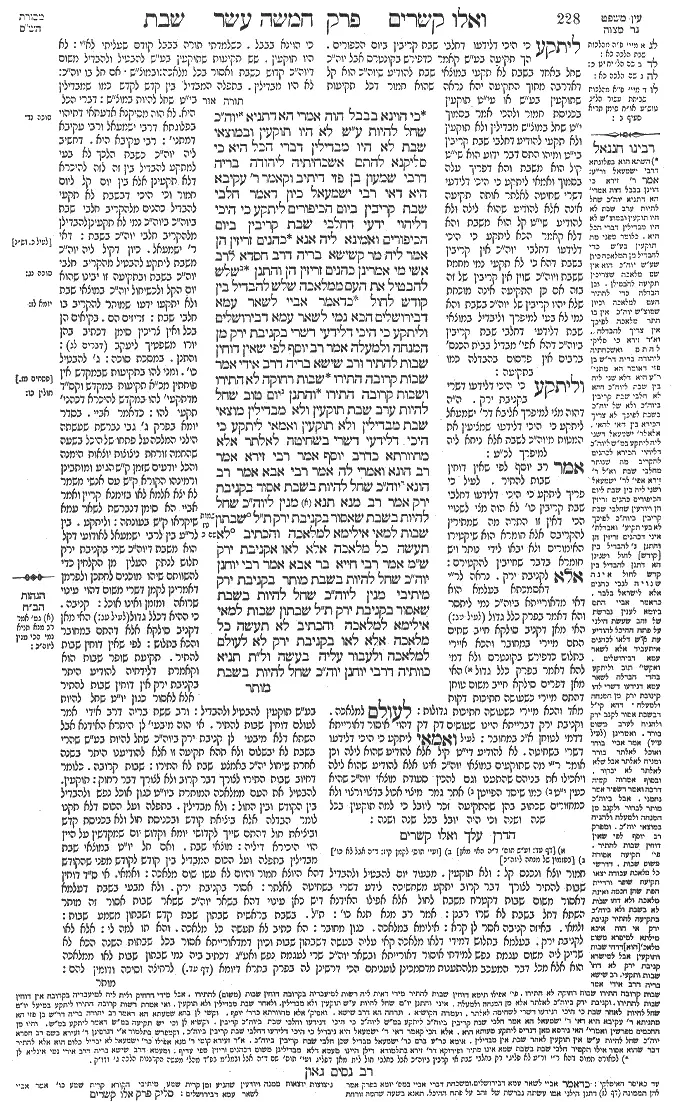
Shabbat 114b - Guemara
כי הוינא בבבל הוה אמרי הא דתניא יוה"כ שחל להיות ע"ש לא היו תוקעין ובמוצאי שבת לא היו מבדילין דברי הכל היא כי סליקנא להתם אשכחיתיה ליהודה בריה דרבי שמעון בן פזי דיתיב וקאמר ר' עקיבא היא דאי רבי ישמעאל כיון דאמר חלבי שבת קריבין ביום הכיפורים ליתקע כי היכי דליהוי ידעי דחלבי שבת קריבין ביום הכיפורים ואמינא ליה אנא כהנים זריזין הן אמר ליה מר קשישא בריה דרב חסדא לרב אשי מי אמרינן כהנים זריזין הן והתנן שלש להבטיל את העם ממלאכה שלש להבדיל בין קודש לחול כדאמר אביי לשאר עמא דבירושלים הכא נמי לשאר עמא דבירושלים וליתקע כי היכי דלידעי דשרי בקניבת ירק מן המנחה ולמעלה אמר רב יוסף לפי שאין דוחין שבות להתיר ורב שישא בריה דרב אידי אמר שבות קרובה התירו שבות רחוקה לא התירו ושבות קרובה התירו והתנן יום טוב שחל להיות ערב שבת תוקעין ולא מבדילין מוצאי שבת מבדילין ולא תוקעין ואמאי ליתקע כי היכי דלידעי דשרי בשחיטה לאלתר אלא מחוורתא כדרב יוסף אמר רבי זירא אמר רב הונא ואמרי לה אמר רבי אבא אמר רב הונא יוה"כ שחל להיות בשבת אסור בקניבת ירק אמר רב מנא תנא מנין ליוה"כ שחל להיות בשבת שאסור בקניבת ירק ת"ל (שמות טז, כג) שבתון שבות למאי אילימא למלאכה והכתיב (שמות כ, ט) לא תעשה כל מלאכה אלא לאו אקניבת ירק ש"מ אמר רבי חייא בר אבא אמר רבי יוחנן יוה"כ שחל להיות בשבת מותר בקניבת ירק מיתיבי מנין ליוה"כ שחל להיות בשבת שאסור בקניבת ירק ת"ל שבתון שבות למאי אילימא למלאכה והכתיב לא תעשה כל מלאכה אלא לאו בקניבת ירק לא לעולם למלאכה ולעבור עליה בעשה ול"ת תניא כוותיה דרבי יוחנן יוה"כ שחל להיות בשבת
Comments from Rashi on Masechet Shabbat Page 114b
כי הוינא בבבל . כשלמדתי תורה בבבל קודם שעליתי לא"י: לא היו תוקעין . שש תקיעות שתוקעין בע"ש להבטיל ולהבדיל משום דיוה"כ קדוש כשבת ואסור בכל מלאכה: ובמוצ"ש . אם חל בו יוה"כ: לא היו מבדילין . בתפלה המבדיל בין קדש לקדש כמו שמבדילין בי"ט שחל להיות במוצ"ש: רבי עקיבא היא . דחשיב ליה יוה"כ כשבת הלכך לא בעי למתקע להבדיל בין זה לזה להיכרא דלא תקעינן אלא בין יום קל ליום חמור וכי היכי דבשבת לא תקעי להבדיל כהנים מלהקריב חלבי שבת ביוה"כ ביוה"כ נמי לא תקעינן להבדילן מלהקריב חלבי יוה"כ בשבת: דאי ר' ישמעאל . כיון דקיל ליה יוה"כ משבת ליתקע להבטיל מהקריב חלבי יוה"כ בשבת ובתקיעה זו יבינו שהוא יום הקל ולכשיחול יוה"כ במוצאי שבת ולא יתקעו ידעו שמותר להקריב בו חלבי שבת: זריזים הם . בקיאים הן בכל ואין צריכין סימן דכתיב בהן יורו משפטיך ליעקב (דברים לג): והתנן . במסכת סוכה: ג' להבטיל כו' . ומני להו בתקיעות שבמקדש אין פוחתין מכ"א תקיעות במקדש וקס"ד מדתקעי' להו במקדש להיכרא דכהני' תקעי להו: כדאמר אביי . בסדר יומא בפרק ג' גבי נברשת שעשתה הילני המלכה על פתחו של היכל בשעה שהחמה זורחת ניצוצות יוצאות הימנה והכל יודעים שזמן ק"ש הגיע ומותבינן ורמינהו הקורא ק"ש עם אנשי משמר לא יצא אלמא לאו בזימנא קריין ואמר אביי הא סימן דנברשת לשאר עמא שיקראו ק"ש בעונתה: וליתקע . בין לר"ע בין לרבי ישמעאל לאודעי דקל הוא משבת דיוה"כ שרי בקניבת ירק תלוש לנתק העלין מן הקלחין כדי להשוותם שיהו מוכנים לחתכן ולפרמן דאמרינן לקמן דשרי משום דהוי עינוי שרואה ומזמן ואינו אוכל: קניבה . כי ההיא דכלל גדול (לעיל שבת עג:) האי מאן דקניב סילקא אלא דהתם במחובר והכא בתלוש: לפי שאין דוחין שבות להתיר . תקיעת שופר שבות הוא וקאמרת דלידחיה להודיע היתר בקניבת ירק אין דוחין שבות להתיר אלא לאסור כגון יו"ט שחל להיות בע"ש תוקעין להבטיל ולהבדיל: ורב ששת בריה דרב אידי אמר לעולם דוחין שבות להתיר . אי הוה מיבעי' לן היתרא האידנא אבל השתא דלא מיבעי לן קניבת ירק ביוה"כ שחל להיות בע"ש שהרי בשבת לא יבשלום ולא תהא תקיעה זו אלא להודיענו היתר בשנה אחרת שיחול יה"כ באמצע שבת לא התירו: שבות קרובה . כלומר דחיוב שבות התירו לצורך דבר קרוב ולא לצורך דבר רחוק: תוקעין . להבטיל את העם ממלאכה המותרת ביו"ט כגון אוכל נפש ולהבדיל בין הקודש ובין החול: ולא מבדילין . בתפלה ועל הכוס דלא תקנו לומר הבדלה אלא ביציאת קודש ובכניסת חול ולא בכניסת קדש וביציאת חול דהתם שייך לקדושי יומא וקדוש יום שמקדשין על היין הוי היכירא דיליה: מוצאי שבת . ואם חל יו"ט במוצאי שבת מבדילין בתפלה ועל הכוס המבדיל בין קודש לקודש מפני שהקודש חמור יוצא ונכנס קל: ולא תוקעין . מבעוד יום להבטיל ולהבדיל דהא היוצא חמור והיום לא עשו שום מלאכה: ואמאי . אי ס"ד דוחין שבות להתיר לצורך דבר קרוב יתקע משחשיכה לידע דשרי בשחיטה לאלתר: אסור בקניבת ירק . ולא מבעי בשבת דעלמא דאסור משום שבות דקטרח משבת לחול אלא אפילו האידנא דיש כאן עינוי דהא בשאר יוה"כ ששאר שבות אסור זה מותר השתא דחל בשבת לא שרו רבנן: אמר רב מנא תנא כו': ת"ל . בשבת בראשית שבתון שבת קדש ושבתון משמע שבות: ולמאי . באיזה קניבה אסר לן קרא: אילימא במלאכה . כגון מחובר: הא כתיב לא תעשה כל מלאכה . והא תו למה לי: אלא לאו לקניבת ירק . בעלמא בתלוש דמידי דלאו מלאכה קאי עליה בעשה דשבתון שבות וכיון דמדאורייתא אסור בכל שבתות השנה הכא לא שרינן ליה משום עגמת נפש למידחי איסור דאורייתא ובשאר יוה"כ שרי לעגמת נפש ואע"ג דכתיב ביה נמי שבתון שבות לאו ממלאכה הוא אלא מכל דבר המעכב מלהתענות מדסמכינן לועניתם הכי דרשינן לה בפרק בתרא דיומא (דף עד.) לרחיצה וסיכה ודומין להם:
Comments from Tosafot - Shabbat 114b
ליתקע כי היכי דלידעו דחלבי שבת קריבין ביום הכפורים . הך תקיעה בע"ש קאמר כדפירש בקונטרס אבל יוה"כ שחל באחד בשבת לא תקעי במוצאי שבת להודיע שיוה"כ הוא קל דאדרבה מתוך התקיעה יהא נראה שהוא חמור דכל תקיעות שתוקעין בע"ש או עי"ט תוקעין בכניסת חמור ולהכי אמר בסמוך י"ט שחל במוצ"ש מבדילין ולא תוקעין ולא תקעי להודיע דחלבי שבת קריבין בי"ט ומיהו התם דבר ידוע הוא שי"ט קיל הוא משבת והא דפריך עלה בסמוך ואמאי ליתקע כי היכי דלידעי דשרי שחיטה לאלתר אותה תקיעה אינה אלא להודיע שהוא לילה ולא להודיע שי"ט קל הוא משבת והא דלא קאמר הכא ליתקע כי היכי דלידעו דחלבי יוה"כ אין קריבין בשבת דהא כי לא תקעי נמי מחמת ששבת ויוה"כ שוין אין קריבין של זה בזה אם כן התקיעה אינה מוכחת שלא יהיו קריבין של יוה"כ בשבת והא נמי לא בעי למיפרך וליבדיל במוצאי שבת דלידעי דחלבי שבת קריבין ביוה"כ דהא אפי' מבדיל בבית הכנס' ברבים אין פרסום בהבדלה כמו בתקיעה: וליתקע כי היכי דלידעו דשרי בקניבת ירק . ה"ה דהוה מצי למיפרך אליבא דר' ישמעאל ליתקע כי היכי דלידעו שמציעין את המטות מיוה"כ לשבת אלא ניחא ליה למיפרך לכ"ע: אלא לקניבת ירק . נראה לר"י דאסמכתא בעלמא הוא דאי מדאורייתא ביוה"כ נמי ליתסר והא דאמר בפרק כלל גדול (לעיל שבת עג:) האי מאן דקניב סילקא חייב שתים התם מיירי במחובר והכא איירי בתלוש כדפירש בקונטרס ולא דמי להא דאמר בפרק כלל גדול האי מאן דפרים סילקא חייב משום טוחן דהתם מיירי כשעושה חתיכות דקות מאד והכא מיירי כשעושה חתיכות גדולות: אמר רב יוסף לפי שאין דוחין שבות להתיר . לעיל כי פריך ליתקע כי היכי דלידעו דחלבי שבת קריבין כו' לא הוה מצי לשנויי הכי דאין זו התרה מה שמתירין להקריבם אלא חומרא הוא שיקטירו האימורים ולא יבאו לידי נותר ויש חומרא בדבר שחייבין להקטירם: ואמאי ליתקע כי היכי דלידעו דשרי בשחיטה . לא להודיע די"ט קיל אלא להודיע שהוא לילה וכן אומר ר"י מה שתוקעים במוצאי יוה"כ אינו אלא להודיע שהוא לילה ויאכילו את בניהם שהתענו וגם להכין סעודת מוצאי יוה"כ שהיא כעין י"ט כמו שיסד הפייטן אחר גמר מיצוי אכול בדצוי ורצוי ולא כמחזורים שכתוב בהן שהתקיעה זכר ליובל כי למה תוקעין בכל שנה ושנה וכי היה יובל בכל שנה ושנה: לעולם למלאכה . וקניבת ירק דברייתא היינו שעושים דק דק דהוי איסור דאורייתא דדמי לטוחן א"נ במחובר:
Shabbat 114b - Mishnah translated into english
When I was in Babylonia, I said with regard to that which was taught in a baraita: If Yom Kippur occurred on Shabbat eve, they would not sound the shofar as they did every Friday to herald the start of Shabbat; and if Yom Kippur occurred at the conclusion of Shabbat, they would not recite havdala to mark the end of the sanctity of Shabbat and the start of the sanctity of Yom Kippur, is a statement accepted by all. When I went to Eretz Yisrael, I found Yehuda, son of Rabbi Shimon ben Pazi, who sat and said: This baraita is in accordance with the opinion of Rabbi Akiva, as it equates the sanctity of Yom Kippur with that of Shabbat. As, if you say that it is in accordance with the opinion of Rabbi Yishmael, then, since Rabbi Yishmael said that fats from Shabbat are offered on Yom Kippur, let them sound the shofar so that the priests will know that the fats from Shabbat are offered on Yom Kippur and they may begin offering them (Rav Hai Gaon). And I said to him: You cannot prove this from here, because priests are vigilant and can be trusted to know this on their own, and there is no need to sound the shofar.
Mar Kashisha, the son of Rav Ḥisda, said to Rav Ashi: Do we say that priests are vigilant in that regard? Didn’t we learn in a mishna that three blasts were sounded in the Temple on Friday to stop the people from work, and three more were sounded to demarcate between sacred and profane? Apparently, even priests required the blasts to alert them to the beginning and end of Shabbat. The Gemara answers: As Abaye said in a different context, that certain matters were undertaken for the rest of the people in Jerusalem, so too here, these blasts were sounded for the rest of the people in Jerusalem and not for the priests.
The Gemara asks: In any event, Let them sound the shofar so that they will know that trimming the vegetables, i.e., removing the leaf heads from vegetables in preparation for cutting them, is permitted from the late afternoon and onward. On Yom Kippur, it is permitted, starting at a certain point of the day, to prepare vegetables for the meal following the fast. However, this is not permitted on Shabbat, when it is prohibited to perform any action in preparation for the weekdays after Shabbat. Rav Yosef said: This is because a rabbinic prohibition [shevut] is not overridden in order to permit another action. Although sounding the shofar is not prohibited by Torah law on Shabbat, it is prohibited by rabbinic law on Shabbat and Yom Kippur, and this prohibition is not overridden to permit another action.
And Rav Sheisha, son of Rav Idi, said: The Sages permitted doing so for an immediate rabbinic prohibition, e.g., sounding the shofar to permit prohibited actions immediately. They did not permit doing so for a more remote rabbinic prohibition, such as trimming vegetables, which is allowed only beginning late in the afternoon, several hours after the start of Yom Kippur (Rabbeinu Ḥananel).
The Gemara asks: And did they permit doing so for an immediate rabbinic prohibition? Didn’t we learn in a mishna that if a Festival occurs on Shabbat eve, one sounds the shofar to announce that Shabbat has begun, but one does not recite havdala over wine to mark the conclusion of the Festival, because the sanctity of Shabbat is greater than the sanctity of the Festival? And if a Festival occurs at the conclusion of Shabbat, one recites havdala to demarcate between the sanctity of Shabbat and the sanctity of the Festival, but one does not sound the shofar. And why does one not sound the shofar? Let them sound the shofar at the beginning of the Festival, so that people will know that slaughtering is permitted immediately on the Festival, although it was prohibited on Shabbat. Rather, it is clear that this must be explained in accordance with the opinion of Rav Yosef, who says that a rabbinic prohibition is not overridden to permit the performance of actions that were prohibited.
With regard to trimming vegetables on Yom Kippur, the Gemara cites that which Rabbi Zeira said that Rav Huna said, and some say Rabbi Abba said that Rav Huna said: If Yom Kippur occurs on Shabbat, trimming vegetables is prohibited. Rav Mana said: It was taught in a baraita: From where is it derived that on Yom Kippur that occurs on Shabbat trimming vegetables is prohibited? The verse states: “A solemn rest [shabbaton], a holy Shabbat unto the Lord” (Exodus 16:23), which means that there is an obligation to issue a rabbinic prohibition on this day. Issue a rabbinic prohibition for what activity? If you say this refers to prohibiting actual labor, isn’t it written explicitly: “But the seventh day is Shabbat for the Lord your God; you shall not perform any labor” (Exodus 20:9)? Rather, does it not refer to trimming vegetables, which is prohibited on Shabbat even though it is not a full-fledged prohibited labor? The Gemara concludes: Indeed, learn from it that trimming vegetables is prohibited.
Rabbi Ḥiyya bar Abba said that Rabbi Yoḥanan said: If Yom Kippur occurs on Shabbat, trimming vegetables is permitted. The Gemara raised an objection from what we learned in the baraita cited earlier: From where is it derived that on Yom Kippur that occurs on Shabbat trimming vegetables is prohibited? The verse states: “A solemn rest [shabbaton], a holy Shabbat unto the Lord” (Exodus 16:23), which means that there is an obligation to issue a rabbinic prohibition on this day. Issue a rabbinic prohibition for what activity? If you say this refers to prohibiting actual labor, isn’t it written explicitly: “But the seventh day is Shabbat for the Lord your God; you shall not perform any labor” (Exodus 20:9)? Rather, is it not referring to trimming vegetables, which is prohibited on Shabbat? The Gemara answers: No, that is not; rather, solemn rest actually refers to labor. It is a positive commandment to rest on Shabbat. Although the verse says explicitly: “But the seventh day is Shabbat for the Lord your God; you shall not perform any labor,” this adds that one who performs a prohibited labor violates both a positive mitzva and a prohibition.
It was taught in a baraita in accordance with the opinion of Rabbi Yoḥanan: If Yom Kippur occurs on Shabbat,
Traduction : The William Davidson digital edition of the Koren Noé Talmud, with commentary by Rabbi Adin Even-Israel Steinsaltz.