 Talmud Bavli
The learning on the whole site is dedicated : L'ilui Nishmat Avraham Ben Simha
The learning on the whole site is dedicated : L'ilui Nishmat אליעזר בן רחל
The learning on the whole site is dedicated : L'ilui Nishmat Nissim ben Barukh Malka
Hullin 63b : Youtube
Rabbi Dr. Moshe WeisblumYoutube
1 video class :
Hullin Page 63b
Hullin 63b - Guemara
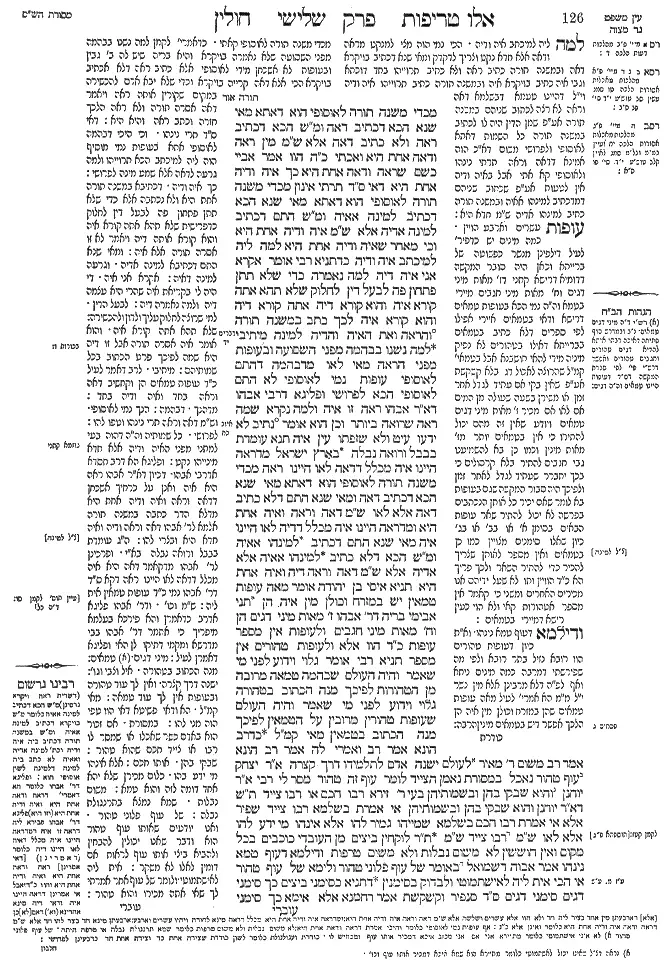
מכדי משנה תורה לאוסופי הוא דאתא מאי שנא הכא דכתיב דאה ומ"ש הכא דכתיב ראה ולא כתיב דאה אלא ש"מ מין ראה ודאה אחת היא ואכתי כ"ה הוו אמר אביי כשם שראה ודאה אחת היא כך איה ודיה אחת היא דאי ס"ד תרתי אינון מכדי משנה תורה לאוסופי הוא דאתא מאי שנא הכא דכתיב למינה אאיה ומ"ש התם דכתיב למינה אדיה אלא ש"מ איה ודיה אחת היא וכי מאחר שאיה ודיה אחת היא למה ליה למיכתב איה ודיה כדתניא רבי אומר אקרא אני איה דיה למה נאמרה כדי שלא תתן פתחון פה לבעל דין לחלוק שלא תהא אתה קורא איה והוא קורא דיה אתה קורא דיה והוא קורא איה לכך כתב במשנה תורה (דברים יד, יג) והראה ואת האיה והדיה למינה מיתיבי למה נשנו בבהמה מפני השסועה ובעופות מפני הראה מאי לאו מדבהמה דהתם לאוסופי עופות נמי לאוסופי לא התם לאוסופי הכא לפרושי ופליגא דרבי אבהו דא"ר אבהו ראה זו איה ולמה נקרא שמה ראה שרואה ביותר וכן הוא אומר (איוב כח, ז) נתיב לא ידעו עיט ולא שזפתו עין איה תנא עומדת בבבל ורואה נבלה בארץ ישראל מדראה היינו איה מכלל דדאה לאו היינו ראה מכדי משנה תורה לאוסופי הוא דאתא מאי שנא הכא דכתיב דאה ומאי שנא התם דלא כתיב דאה אלא לאו ש"מ דאה וראה ואיה אחת היא ומדראה היינו איה מכלל דדיה לאו היינו איה מאי שנא התם דכתיב למינהו אאיה ומ"ש הכא דלא כתיב למינהו אאיה אלא אדיה אלא ש"מ דאה וראה דיה ואיה אחת היא תניא איסי בן יהודה אומר מאה עופות טמאין יש במזרח וכולן מין איה הן תני אבימי בריה דר' אבהו ז' מאות מיני דגים הן וח' מאות מיני חגבים ולעופות אין מספר עופות כ"ד הוו אלא ולעופות טהורים אין מספר תניא רבי אומר גלוי וידוע לפני מי שאמר והיה העולם שבהמה טמאה מרובה מן הטהורות לפיכך מנה הכתוב בטהורה גלוי וידוע לפני מי שאמר והיה העולם שעופות טהורין מרובין על הטמאין לפיכך מנה הכתוב בטמאין מאי קמ"ל כדרב הונא אמר רב ואמרי לה אמר רב הונא אמר רב משום ר' מאיר לעולם ישנה אדם לתלמידו דרך קצרה א"ר יצחק עוף טהור נאכל במסורת נאמן הצייד לומר עוף זה טהור מסר לי רבי א"ר יוחנן והוא שבקי בהן ובשמותיהן בעי ר' זירא רבו חכם או רבו צייד ת"ש דא"ר יוחנן והוא שבקי בהן ובשמותיהן אי אמרת בשלמא רבו צייד שפיר אלא אי אמרת רבו חכם בשלמא שמייהו גמיר להו אלא אינהו מי ידע להו אלא לאו ש"מ רבו צייד ש"מ ת"ר לוקחין ביצים מן העובדי כוכבים בכל מקום ואין חוששין לא משום נבלות ולא משום טרפות ודילמא דעוף טמא נינהו אמר אבוה דשמואל באומר של עוף פלוני טהור ולימא של עוף טהור אי הכי אית ליה לאישתמוטי ולבדוק בסימנין דתניא כסימני ביצים כך סמני דגים סימני דגים ס"ד סנפיר וקשקשת אמר רחמנא אלא אימא כך סימני
Comments from Rashi on Masechet Hullin Page 63b
מכדי משנה תורה לאוסופי קאתי . כדאמרי' לקמן למה נשנו בבהמה מפני השסועה שלא נאמרה בויקרא והיא בריה שיש לה ב' גבין ובעופות לא אשכחן מידי לאוסופי אלא כתיב ראה דלא אכתיב בויקרא הכי אלא דאה קרייה בויקרא וכדי שלא יבא אדם להכשירה במקום שקורין אותה ראה ויאמר דאה אסרה תורה ולא ראה הלכך חזרה וכתב ראה והיא היא: דאי ס"ד תרי נינהו . וכי היכי דבהמה לאוסופי אתא בעופות נמי מוסיף הוה ליה למיכתב הכא תרוייהו ולמה גרעה לדאה אלא שמע מינה לפרושי: כך איה ודיה . דכתיבא במשנה תורה אחת היא ולא נכתבה אלא כדי שלא תתן פתחון פה לבעל דין לחלוק כדפרישית שלא תהא אתה קורא איה והוא קורא אותה דיה ויאמר לא זו אסרה תורה אלא איה: ומאי שנא התם דכתיבא למינה אדיה . וגרעה למינה דאיה: אקרא אני איה . די היה לי בקריאת איה שהרי היא עצמה דיה ולמה נאמרה דיה: לבעל הדין . למי שרוצה לחלוק עליך ולדון ולהכשירה: שלא תהא אתה קורא איה . והוא אומר איה אסרה תורה אבל זו דיה היא שמה לפיכך פרט הכתוב בכל שמותיהם: מיתיבי . לרב דאמר לעיל כ"ד עופות טמאים הן וקחשיב דאה וראה בחד ואיה ודיה בחד: מדהנך . דבהמה: הנך נמי לאוסופי . וש"מ דאה וראה תרי נינהו וטפו להו: לפרושי . כל שמותיה. וה"ה דהוה בעי למתני מפני האיה ודיה אלא חדא מינייהו נקט: ופליגא . הא דרב חסדא אדרבי אבהו דכיון דא"ר אבהו ראה היא איה ואנן על כרחיך אשכחן דדאה וראה ואיה ודיה אחת היא מדלא הדר כתבה במשנה תורה אלמא לר' אבהו דאה וראה ודיה ואיה חדא היא ובצרי להו: ה"ג עומדת בבבל ורואה נבלה בא"י . ופרכינן לר' אבהו מדקאמר דאה היא איה מכלל דדאה לאו היינו ראה דקא ס"ד דר' אבהו נמי כ"ד עופות טמאין אית ליה: ש"מ וכו' . ודר' אבהו פליגא אדרב כדאמרן והא פירכא בעלמא מיפריך כי אתמר דר' אבהו בבי מדרשא ומקמי דתיקו לן האי ופליגא דאמרן לעיל: מיני דגים . טמאים: מנה הכתוב בטהורה . איל וצבי וגו': מאי קמ"ל . הא ודאי פשיטא דאי הוו טפי הוה מני להו: ישנה דרך קצרה . ואין לך עוד טהורה ובעופות אין לך עוד טמאה: במסורת . אם זכור הוא באדם כשר שאכלו או שמסר לו רבו או צייד חכם שהוא טהור: שבקי בהן . אותו חכם: אלא אינהו מי ידע בהו . כלום מכירן שלא יהא אחד דומה לזה והוא טמא: משום נבלות . שמא נמצא בתרנגולת נבלה: של עוף פלוני טהור . ואנו יודעים שאותו עוף טהור הוא ודבר שאנו יכולין להבחין ולהביא ביצי אותו עוף לראות אם דומין לאלו לא משקר: אית ליה לאישתמוטי . ולומר של עוף אחר אמרתי לך שאי אתה מכירו והוא טהור:
Comments from Tosafot - Hullin 63b
למה ליה למיכתב איה ודיה . הכי נמי הוה מצי למנקט מראה ודאה אלא חדא נקט וצריך לדקדק ומאי שנא דכתיב בויקרא דאה ובמשנה תורה כתיב ראה ולא כתיב תרוייהו בחד דוכתא וגבי איה כתיב בויקרא איה ובמשנה תורה כתיב תרוייהו איה ודיה וי"ל דהיינו טעמא דבשלמא דאה וראה לא רצה לכתוב שניהם במשנה תורה אע"פ שמן הדין היה לו לכתוב במשנה תורה כל השמות דאתא לאוסופי ולפרושי משום דא"כ הוה אמינא דדאה וראה תרתי נינהו ולאוסופי קא אתי אבל באיה ודיה אין לטעות אע"פ שכתוב שניהם דמדכתיב למינהו אאיה ובמשנה תורה כתיב למינהו אדיה ש"מ חדא היא: עופות עשרים וארבע הויין . כמה מינים יש כדפיר' לעיל דילפינן מנשר כפשוטה של ברייתא וכאן היה סובר המקשה דדומיא דרישא קתני דז' מאות מיני דגים וח' מאות מיני חגבים מיירי בטמא וה"ה נמי הכא בעופות טמאים דרישא ודאי בטמאים איירי אפילו לפי ספרים דלא כתיב בטמאים בברייתא דאילו בטהורים לא נפיק מיניה מידי להאי חושבנא אבל בטמאי' קמ"ל שהרוצה לאכול דג בלא קשקשת אע"פ שאין בקי אם עתיד לגדל אחר זמן או משירן בשעה שעולה מן המים אם לאו אם מכיר ז' מאות מיני דגים טמאים ויודע שאין זה מהם יכול להתירו כי אין בטמאים יותר מז' מאות מינין וכמו כן בא להשמיענו גבי חגבים להתיר בלא קרסולים כי בכך יתברר שעתיד לגדל לאחר זמן ולפיכך היה סבור המקשה שגם בעופות בא לומר שאם יכיר כל אותן הנכתבים בפרשה לא יכול להתיר שאר עופות הבאים בסימן א' או בב' או בג' כיון שאלו סימנים מצויין כמו כן בטמאים ואין מספר לאותן שצריך להכיר כדי להתיר השאר ולכך פריך הא כ"ד הוויין ותו לא שעל ידיהם אנו מכירים האחרים ומשני כי קאמר אין מספר אטהורות קאי ולא הוי כעין רישא דמיירי בטמאים: ודילמא דעוף טמא נינהו . וא"ת כיון דעופות טהורים הוו רובא נזיל בתר רובא ולפי מה שפירשתי דמרבה כמה מינים ניחא ואף לפ"ה דלא מרבינן אלא מין נשר י"ל מ"מ הא אמרי' לעיל מאה עופות טמאים שהן במזרח וכולן מין איה הן הלכך אפשר דיש בטמאים מינין הרבה:
Hullin 63b - Mishnah translated into english
one might ask: Since it is assumed that the list in Deuteronomy comes to add to the list in Leviticus, what is different here, in Leviticus, that it is written: “Da’a,” and what is different here, in Deuteronomy, that it is written: “Ra’a,” and da’a is not written? Rather, conclude from the presence of each on only one list that the ra’a and da’a are one species.
The Gemara objects: But still, there are twenty-five birds, not twenty-four. Abaye said: Just as the ra’a and da’a are one species, so too, the ayya and the dayya, the latter of which is mentioned only in Deuteronomy, are one species. As, if it enters your mind that they are two different species, one might ask: Since it is assumed that the list in Deuteronomy comes to add to the list in Leviticus, what is different here, in Leviticus, that it is written: “After its kinds,” about the ayya, prohibiting some other kind of ayya, and what is different there, in Deuteronomy, that it is written: “After its kinds,” about the dayya? Why is the ayya not mentioned? Rather, learn from the use of the same phrase with regard to the ayya and dayya that they are one species.
The Gemara asks: And now that the ayya and dayya are one species, why did the Torah need to write both ayya and dayya in Deuteronomy? The Gemara responds: As it is taught in a baraita that Rabbi Yehuda HaNasi says: Given that the two are one species, I will read ayya and know that it is forbidden. Why is dayya stated? It is so as not to give a claim to a litigant to disagree, and it should not occur that you call it an ayya and he calls it a dayya and eats it. Likewise, the Torah did not write only dayya so that it will not occur that you call it a dayya and he calls it an ayya and eats it. Therefore, the Torah writes in Deuteronomy: “And the ra’a, and the ayya, and the dayya after its kinds” (Deuteronomy 14:13). Consequently, both the list in Leviticus and that in Deuteronomy enumerate twenty-four birds, in accordance with the statement attributed to Rav.
The Gemara raises an objection from a baraita: Why is the list of non-kosher animals in Leviticus repeated? It is due to the necessity of adding the shesua (Deuteronomy 14:7), which was not listed in Leviticus. And the list of non-kosher birds is repeated due to the ra’a. What, is it not understood from the fact that the extra list of animals there, in Deuteronomy, is to add animals, that the list of birds is also repeated to add birds? The Gemara responds: No, there, i.e., with regard to animals, the list is repeated to add, but here, with regard to birds, it is repeated only to explain.
And the opinion that the da’a and ra’a are one species, and that the ayya and dayya are another species, differs from the opinion of Rabbi Abbahu, as Rabbi Abbahu says: The ra’a is the ayya. And why is it called the ra’a? Since it sees [ro’ah] most vividly. And so the verse states: “That path no bird of prey knows, neither has the eye of the ayya seen it” (Job 28:7). And a Sage taught: The ra’a can stand in Babylonia and see a carcass in Eretz Yisrael.
The Gemara discusses Rabbi Abbahu’s statement: Since the ra’a is the same as the ayya, by inference, one may conclude that the da’a is not the same as the ra’a; otherwise, there are not twenty-four non-kosher birds. But since it is assumed that the list in Deuteronomy comes to add to the list in Leviticus, what is different here, in Leviticus, that it is written: “Da’a,” and what is different there, in Deuteronomy, that da’a is not written? Rather, must one not conclude from the discrepancy that the two are the same? If so, one must conclude that according to Rabbi Abbahu, the da’a and ra’a and ayya are all one species.
And furthermore, from the fact that Rabbi Abbahu holds that the ra’a is the same as the ayya, by inference, one may conclude that the dayya is not the same as the ayya. But if so, one may ask again: What is different there, in Leviticus, that it is written: “After its kinds,” about the ayya, and what is different here, in Deuteronomy, that it is not written: “After its kinds,” about the ayya but about the dayya? Rather, the ayya and dayya must be one species. And one may learn from the combination of the two disputes that according to Rabbi Abbahu, the da’a and ra’a, dayya and ayya are all one species. Consequently, according to Rabbi Abbahu, there are only twenty-three non-kosher species.
§ With regard to the phrase: “The ayya after its kinds” (Leviticus 11:14), it is taught in a baraita that Isi ben Yehuda says: There are one hundred non-kosher birds in the East, and they are all species of ayya. Avimi, son of Rabbi Abbahu, taught: There are seven hundred types of non-kosher fish, and eight hundred types of non-kosher grasshopper, and there are countless birds. The Gemara protests: Are there countless non-kosher birds? But there are only twenty-four non-kosher birds mentioned in the Torah. Rather, Avimi must have meant: And there are countless kosher birds.
It is taught in a baraita: Rabbi Yehuda HaNasi says: It is revealed and known before the One Who spoke and the world came into being that the species of non-kosher animals are more numerous than the kosher ones. Therefore, the Torah lists the kosher animals, teaching that all the rest are non-kosher. On the other hand, it is revealed and known before the One Who spoke and the world came into being that the species of kosher birds are more numerous than the non-kosher ones. Therefore, the Torah lists the non-kosher birds.
The Gemara asks: What is this baraita teaching us? The Gemara responds: As Rav Huna says that Rav says, and some say that Rav Huna says that Rav says in the name of Rabbi Meir: A person should always teach his student in a concise manner, just as the Torah is concise in its language.
Rabbi Yitzḥak says: A kosher bird may be eaten on the strength of a tradition that it is kosher, without inspecting for the signs listed in the mishna. And the hunter is deemed credible to say: My teacher conveyed to me that this bird is kosher. Rabbi Yoḥanan said: And this is the halakha only when the teacher is familiar with the non-kosher birds and with their names.
Rabbi Zeira raises a dilemma: Was Rabbi Yoḥanan referring to the hunter’s teacher the Sage, or to his teacher the hunter, i.e., the one who taught him how to hunt? The Gemara responds: Come and hear proof from that which Rabbi Yoḥanan said: And this applies only when the teacher is familiar with them and with their names. Granted, if you say this is referring to his teacher the hunter, this works out well. But if you say it is referring to his teacher the Sage, granted, a Sage will know their names, since he has learned them, but does he recognize the birds themselves? Rather, must one not conclude from it that Rabbi Yoḥanan referred to his teacher the hunter? The Gemara concludes: Indeed, conclude from it that this is so.
§ The Sages taught in a baraita: One may buy eggs from the gentiles anywhere, and one need not be concerned, neither with regard to carcasses, i.e., that the egg may have been removed from a carcass of a bird and therefore forbidden, nor with regard to eggs from tereifot, because neither of these possibilities is likely.
The Gemara objects: But perhaps they are from a non-kosher bird. Shmuel’s father said: The baraita is referring to a case where the gentile says they are of such and such bird, which is known to be kosher. The Gemara challenges: But if the gentile is deemed credible, let him say only that they are of a kosher bird. Why does he need to name the species? The Gemara responds: If so, if he does not name the species, he has the opportunity to deflect scrutiny if he is dishonest; but if he names the species, one can bring other eggs of the same species to compare and validate the claim.
The Gemara asks: But why must one rely on the gentile? Let him inspect the eggs for signs, as it is taught in a baraita: Like the signs of kosher eggs, so too are the signs of fish. The Gemara interjects: Can it enter your mind that the baraita is referring to the signs of fish? The Merciful One states them explicitly in the Torah: “Fins and scales” (Leviticus 11:9). Rather, say: So too are the signs of
Traduction : The William Davidson digital edition of the Koren Noé Talmud, with commentary by Rabbi Adin Even-Israel Steinsaltz.