 Talmud Bavli
Hullin 105b : Youtube
Rabbi Dr. Moshe WeisblumYoutube
1 video class :
Hullin Page 105b
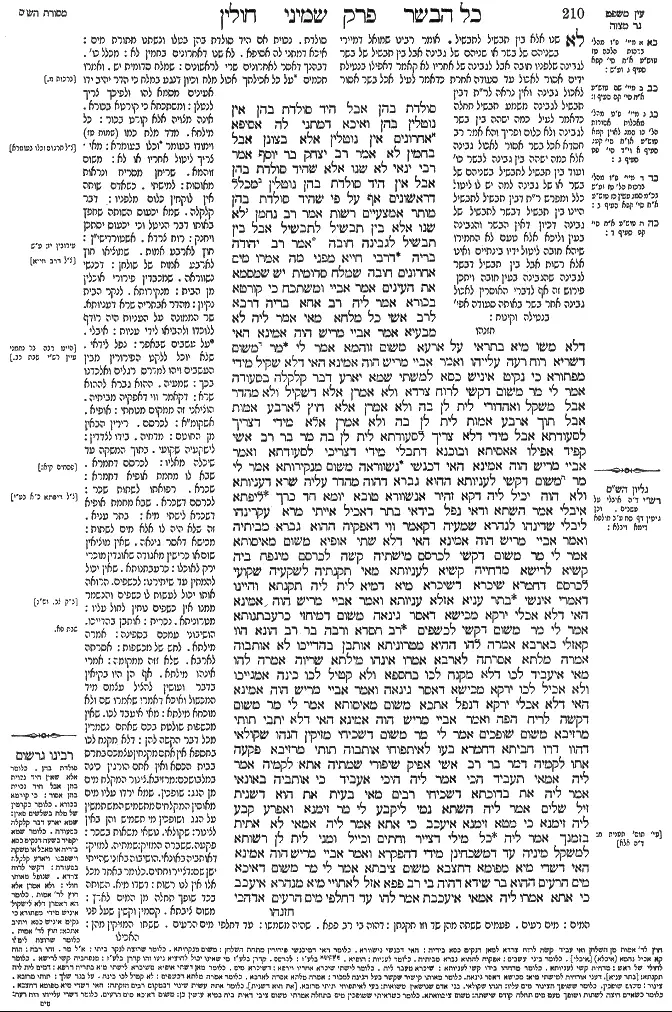
Hullin 105b - Guemara
סולדת בהן אבל היד סולדת בהן אין נוטלין בהן ואיכא דמתני לה אסיפא אחרונים אין נוטלין אלא בצונן אבל בחמין לא אמר רב יצחק בר יוסף אמר רבי ינאי לא שנו אלא שהיד סולדת בהן אבל אין היד סולדת בהן נוטלין מכלל דראשונים אף על פי שהיד סולדת בהן מותר אמצעיים רשות אמר רב נחמן לא שנו אלא בין תבשיל לתבשיל אבל בין תבשיל לגבינה חובה אמר רב יהודה בריה דרבי חייא מפני מה אמרו מים אחרונים חובה שמלח סדומית יש שמסמא את העינים אמר אביי ומשתכח כי קורטא בכורא אמר ליה רב אחא בריה דרבא לרב אשי כל מלחא מאי אמר ליה לא מבעיא אמר אביי מריש הוה אמינא האי דלא משו מיא בתראי על ארעא משום זוהמא אמר לי מר משום דשריא רוח רעה עלייהו ואמר אביי מריש הוה אמינא האי דלא שקיל מידי מפתורא כי נקיט איניש כסא למשתי שמא יארע דבר קלקלה בסעודה אמר לי מר משום דקשי לרוח צרדא ולא אמרן אלא דשקיל ולא מהדר אבל משקל ואהדורי לית לן בה ולא אמרן אלא חוץ לארבע אמות אבל תוך ארבע אמות לית לן בה ולא אמרן אלא מידי דצריך לסעודתא אבל מידי דלא צריך לסעודתא לית לן בה מר בר רב אשי קפיד אפילו אאסיתא ובוכנא דתבלי מידי דצריכי לסעודתא ואמר אביי מריש הוה אמינא האי דכנשי נשווראה משום מנקירותא אמר לי מר משום דקשי לעניותא ההוא גברא דהוה מהדר עליה שרא דעניותא ולא הוה יכיל ליה דקא זהיר אנשוורא טובא יומא חד כרך ליפתא איבלי אמר השתא ודאי נפל בידאי בתר דאכיל אייתי מרא עקרינהו ליבלי שדינהו לנהרא שמעיה דקאמר ווי דאפקיה ההוא גברא מביתיה ואמר אביי מריש הוה אמינא האי דלא שתי אופיא משום מאיסותא אמר לי מר משום דקשי לכרסם מישתיה קשה לכרסם מינפח ביה קשיא לרישא מדחייה קשיא לעניותא מאי תקנתיה לשקעיה שקועי לכרסם דחמרא שיכרא דשיכרא מיא דמיא לית ליה תקנתא והיינו דאמרי אינשי בתר עניא אזלא עניותא ואמר אביי מריש הוה אמינא האי דלא אכלי ירקא מכישא דאסר גינאה משום דמיחזי כרעבתנותא אמר לי מר משום דקשי לכשפים רב חסדא ורבה בר רב הונא הוו קאזלי בארבא אמרה להו ההיא מטרוניתא אותבן בהדייכו לא אותבוה אמרה מלתא אסרתה לארבא אמרו אינהו מילתא שריוה אמרה להו מאי איעביד לכו דלא מקנח לכו בחספא ולא קטיל לכו כינה אמנייכו ולא אכיל לכו ירקא מכישא דאסר גינאה ואמר אביי מריש הוה אמינא האי דלא אכלי ירקא דנפל אתכא משום מאיסותא אמר לי מר משום דקשה לריח הפה ואמר אביי מריש הוה אמינא האי דלא יתבי תותי מרזיבא משום שופכים אמר לי מר משום דשכיחי מזיקין הנהו שקולאי דהוו דרו חביתא דחמרא בעו לאיתפוחי אותבוה תותי מרזיבא פקעה אתו לקמיה דמר בר רב אשי אפיק שיפורי שמתיה אתא לקמיה אמר ליה אמאי תעביד הכי אמר ליה היכי אעביד כי אותביה באונאי אמר ליה את בדוכתא דשכיחי רבים מאי בעית את הוא דשנית זיל שלים אמר ליה השתא נמי ליקבע לי מר זימנא ואפרע קבע ליה זימנא כי מטא זימנא איעכב כי אתא אמר ליה אמאי לא אתית בזמנך אמר ליה כל מילי דצייר וחתים וכייל ומני לית לן רשותא למשקל מיניה עד דמשכחינן מידי דהפקרא ואמר אביי מריש הוה אמינא האי דשדי מיא מפומא דחצבא משום ציבתא אמר לי מר משום דאיכא מים הרעים ההוא בר שידא דהוה בי רב פפא אזל לאתויי מיא מנהרא איעכב כי אתא אמרו ליה אמאי איעכבת אמר להו עד דחלפי מים הרעים אדהכי
Comments from Rashi on Masechet Hullin Page 105b
סולדת . נכוית. אם היד סולדת בהן בטלו ונשתנו מתורת מים: איכא דמתני לה אסיפא . לא שנו דאחרונים בחמין לא: מכלל כו' . דבהנך דאסר לאחרונים שרי לראשונים: שמלח סדומית יש . ואמרו חכמים על כל אכילתך אכול מלח וכיון דנגע במלח כי הדר יהיב ידו אעינים מסמא להו ולפיכך צריך לנטלן: ומשתכחא כי קורטא בכורא . אינה מצויה אלא קורט בכור: כל מילחא . מדד מלח כמו (שמות טז) וימודו בעומר וכלו בעומרא: מאי . צריך ליטול אחריו או לא: משום זוהמא . שריחן מסריח ונראות מאוסות: למישתי . כשאדם שותה אין לוקחין כלום מלפניו: דבר קלקלה . שמא יכעוס השותה שחפץ באותו דבר הניטל וכי יכעוס יסתכן ויחנק: רוח צרדא . אשטורדישו"ן: חוץ לארבע אמות . שמוציאו חוץ לארבע אמות של שולחן: דכנשי נשווראה . שמכבדין פירורי אוכלין מן הבית: מנקירותא . לנקר הבית נקיון: מהדר אבתריה שרא דעניותא . שר הממונה על העניות היה רודף ללוכדו ולהביאו לידי עניות: איבלי . על עשבים שבאפר: נפל לידאי . שלא יוכל ללקט הפירורין מבין העשבים ויהו למדרס רגלים ואלכדנו בכך: שמעיה . ההוא גברא לההוא שרא: דקאמר ווי דאפקיה מביתיה . הוציאני זה ממקום מנוחתי: אופיא . אשקומ"א: לכרסם . רירין הבאין מן החוטם: מדחיה . בידו לצדדין: לישקעיה שקועי . בתוך המשקה עד שיכלה מאליו: לכרסם דחמרא . שבא לו מחמת אופיא דחמרא: שכרא . רפואתו לשתות שכר: לכרסם דשכרא . שבא מחמת אופיא דשכרא לישתי מיא: בתר עניא . זה שלא היה לו אלא מים לשתות: מכישא דאסר גינאה . שאין מוציאין שום או כרישין מאגודה שאוגדין מוכרי ירק לאוכלו: כרעבתנותא . שאין יכול להמתין עד שיתירנו: לכשפים . הרואה אותו יכול לעשות לו כשפים והנשמר ממנו אין כשפים נוחין לחול עליו: מטרוניתא . נכרית: אותבן בהדייכו . הושיבוני עמכם בספינה: אמרה מילתא . לחש של מכשפות: אסרתה לארבא . שלא זזה ממקומה: אמרי אינהו מילתא . אף הן היו בקיאין בדבר ועושין להציל עצמם מיד המכשול. ואיכא דאמרי שאמרו שם ולא מוכחא מילתא: מאי איעבד לכו . שאין מכשפות שולטת בכם שאתם נשמרין מכל דבר הקשה להן: דלא מקנח לכו בחספא . אין אתם מקנחין עצמכם בחרס בבית הכסא ואין אתם הורגין כינה במלבושכם: מרזיבא . צינור המקלח מים מן הגג: שופכין . שמא ירדו עליו מים מאוסין המקלחים מתשמיש המשתמשין על הגג ושופכין מי תשמיש והן באין לצינור: שקולאי . נושאי משאות בשכר: פקעה . ששברה המזיק: שמתיה . למזיק: דאותביה באונאי . הושיבוה באזני שהייתי ישן שם: דצייר וחתים . כלומר באחד מכל אלו אין לנו רשות: דשדו מיא . השותה בכד שופך תחלה מן המים לארץ: משום ציבתא . קסמין וקשין שעל פני המים: מים רעים . פעמים ששתה מהן שד וזו תקנתן: דהוה בי רב פפא . שהיה משמשו: עד דחלפי מים הרעים . ששתו המזיקין מהן:
Comments from Tosafot - Hullin 105b
לא שנו אלא בין תבשיל לתבשיל . אומר רבינו שמואל דמיירי בשניהם של בשר או שניהם של גבינה אבל בין תבשיל של בשר לגבינה שלפניו חובה אבל לגבינה של אחריו לא קאמר דאפילו בנטילת ידים אסור לאכול עד סעודה אחרת כדאמר לעיל אכל בשר אסור לאכול גבינה ואין נראה לר"ת דבין תבשיל לגבינה משמע תבשיל תחלה כדאמר לעיל כמה ישהה בין בשר לגבינה ולא כלום ופריך והא אמר רב חסדא אכל בשר אסור לאכול גבינה אלא כמה ישהה בין גבינה לבשר כו' ועוד בין תבשיל לתבשיל בשניהם של בשר או של גבינה למה יש לו ליטול כלל ומפרש ר"ת דבין תבשיל לתבשיל היינו בין תבשיל דבשר לתבשיל של גבינה דכיון דאין הבשר והגבינה בעין וליכא אלא טעם לא החמירו שיהא חובה ליטול ידיו בינתיים ואינו אלא רשות אבל בין תבשיל דבשר לגבינה שהגבינה בעין חובה ויתכן פירוש זה אף לדברי האוסרין לאכול גבינה אחר בשר באותה סעודה אפי' בנטילה וקינוח:
Hullin 105b - Mishnah translated into english
recoil [soledet] from the water’s heat. But if the hand recoils from it, one may not wash with it.
And there are those who teach a version of this statement with regard to the latter clause of the baraita: For final waters, one may wash only with cold water, but one may not wash with hot water. Rav Yitzḥak bar Yosef says that Rabbi Yannai says: They taught that one may not use hot water only in a case where the water is so hot that the hand recoils from it, but if the hand does not recoil from it, one may wash with it. The Gemara comments: One can learn by inference from this version of the statement that in the case of first waters, even if the water is so hot that the hand recoils from it, it is permitted to use it for washing.
§ The baraita states that middle waters are optional. Rav Naḥman says: They taught this only with regard to washing the hands between one cooked dish and another cooked dish served at a meal. But between a cooked dish and cheese there is an obligation to wash one’s hands.
§ The baraita further teaches that final waters are an obligation. Rav Yehuda, son of Rabbi Ḥiyya, says: For what reason did the Sages say that final waters are an obligation? It is because Sodomite salt is sometimes present, a small amount of which blinds the eyes. Since Sodomite salt could remain on one’s hands, one must wash them after eating. Abaye said: And this type of dangerous salt is present in the proportion of a pinch [korta] in an entire kor of regular salt. Rav Aḥa, son of Rava, said to Rav Ashi: If one measured salt between meals, what is the halakha? Must he wash his hands afterward? He said to him: It is not necessary to say this; he is certainly obligated to do so.
§ Abaye said: At first I would say that this halakha that one may not wash his hands with final waters over the ground is due to messiness. But the Master, Rabba, said to me that it is because an evil spirit rests upon the water and passersby are liable to be afflicted.
And Abaye also said: At first I would say that the reason for this statement of the Sages that one should not take anything from the table when a person is holding a cup to drink, is lest a mishap occur at the meal, i.e., the one holding the cup might have wanted the item that was taken, and since he is unable to speak he will choke in his anger. But the Master subsequently said to me that it is because it is bad for one’s health, causing a spirit of pain in half his head, i.e., a migraine.
And we said that this practice is prohibited only if one takes an item from the table and does not put it back. But as for taking and putting back, we have no problem with it. And likewise, we said it is prohibited only if one takes the item beyond four cubits of the table. But if one leaves it within four cubits, we have no problem with it. And furthermore, we said this halakha only with regard to an item that is necessary for the meal. But in the case of an item that is not necessary for the meal, we have no problem with it.
The Gemara relates that Mar bar Rav Ashi was particular not to remove any object from the table when someone was holding his cup in hand, even with regard to a mortar [asita] and pestle [bukhna] for spices, like all items that are necessary for the meal.
And Abaye further said: At first I would say that this practice that people collect the crumbs of bread after a meal is due to cleanliness. But the Master subsequently said to me that it is because leaving them is bad for, i.e., it can increase, a person’s vulnerability to poverty.
The Gemara relates: There was a certain man who was pursued by the ministering angel of poverty, but the angel was unable to impoverish him, as he was exceptionally careful with regard to crumbs. One day that man broke his bread over grass, and some crumbs fell among the blades of grass. The angel said: Now he will certainly fall into my hands, as he cannot collect all the crumbs. After the man ate, he brought a hoe, uprooted the grass, and threw it into the river. He subsequently heard the ministering angel of poverty say: Woe is me, as that man has removed me from my house, i.e., my position of comfort.
And Abaye said: At first I would say that this practice that people do not drink the foam from the top of a beverage is followed because it is repulsive. But the Master said to me that it is followed because it is bad for one’s vulnerability to catarrh. The Gemara comments: Drinking it is bad for catarrh, while blowing off the foam from the drink is bad for head pains, and removing it with one’s hand is bad for poverty. If so, what is its remedy? How may one drink? He should sink the foam inside the beverage and then drink it.
The Gemara notes: The treatment for catarrh caused by the foam of wine is beer; the treatment for catarrh caused by the foam of beer is water; and for catarrh caused by the foam of water there is no remedy. And this is in accordance with the adage that people say: Poverty follows the poor. Not only does a pauper have nothing to drink other than water, but there also is no treatment for the disease caused by his beverage.
And Abaye said: At first I would say that the reason for this practice that people do not eat vegetables from a bundle tied by the gardener is because it has the appearance of gluttony, as he does not wait to untie the bundle to eat. But the Master said to me that it is because it is bad for one’s vulnerability to witchcraft.
The Gemara relates: Rav Ḥisda and Rabba bar Rav Huna were traveling on a boat. A certain matron said to them: Seat me together with you on the boat, but they did not seat her alongside them. She said something, an incantation, and thereby tied the boat to its spot so that it could not move. They too said something and thereby released it. That matron said to them: What can I do to you? Witchcraft has no power over you, as after attending to your bodily functions, you do not wipe yourselves with an earthenware shard, and you do not kill a louse that you find on your garments, and you do not eat vegetables from a bundle tied by the gardener.
And Abaye said: At first I would say as follows: The reason for this practice that people do not eat vegetables that fell on the table is because it is replusive. But the Master said to me that it is because it is bad for halitosis. And Abaye said: At first I would say that the reason for this practice that people do not sit under a gutter is because of the waste water that pours out of it. But the Master said to me that it is because demons are commonly found there.
The Gemara relates: There were certain porters who were carrying a barrel of wine. When they wanted to rest, they placed it under a gutter and the barrel burst. They came before Mar bar Rav Ashi, who brought out horns and had them blown as he excommunicated the demon of that place. The demon came before Mar bar Rav Ashi, and the Sage said to it: Why did you do this? The demon said to him: How else should I act, when these men place a barrel on my ear?
Mar bar Rav Ashi said to it: What are you doing in a place where many people are found? You are the one who deviated from the norm; go and pay them the value of the barrel of wine. The demon said to him: Let the Master now set a time for me, so that I can find the money, and I will pay. Mar bar Rav Ashi set a time for his payment. When that time arrived, the demon delayed in coming to pay. When the demon eventually came, Mar bar Rav Ashi said to it: Why did you not come at the time set for you? The demon said to him: With regard to any item that is tied up, or sealed, or measured, or counted, we have no authority to take it. We are unable to obtain money until we find an ownerless item. For this reason, it took him a long time to find enough money to pay for the barrel.
And Abaye said: At first I would say that this practice that people pour out a little water from the mouth of a pitcher before drinking from it is followed because of twigs it might contain. But the Master said to me that it is followed because there are foul waters in the pitcher.
The Gemara relates: There was a certain son of a demon that was in Rav Pappa’s house as a servant. It went to bring water from the river, and it delayed in returning. When it came, the members of Rav Pappa’s household said to it: Why did you delay? It said to them: I waited until the foul waters passed. In the meantime,
Traduction : The William Davidson digital edition of the Koren Noé Talmud, with commentary by Rabbi Adin Even-Israel Steinsaltz.