 Talmud Bavli
Hullin 103b : Youtube
Rabbi Dr. Moshe WeisblumYoutube
1 video class :
Hullin Page 103b
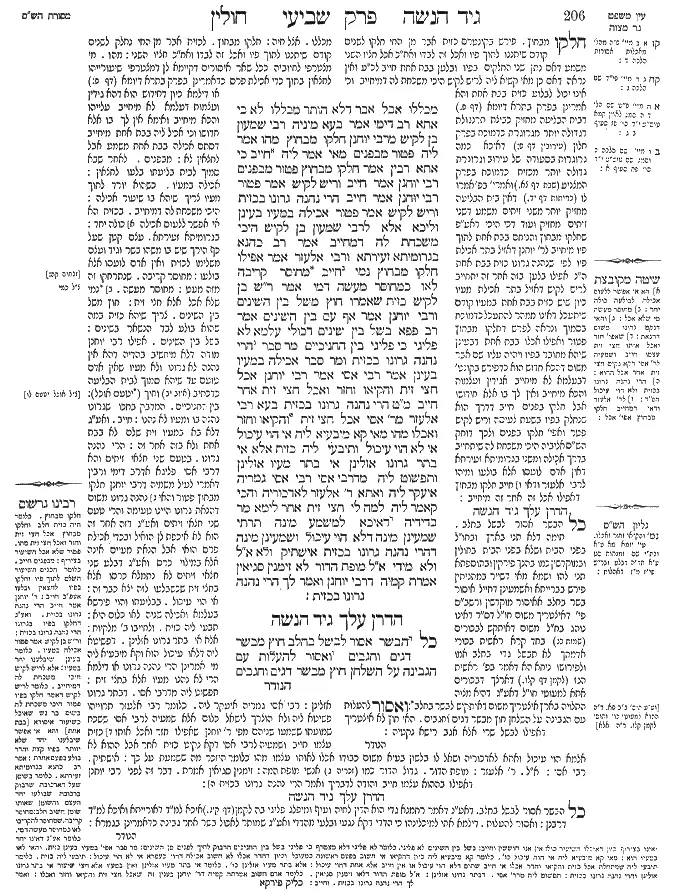
Hullin 103b - Guemara
מכללו אבל אבר דלא הותר מכללו לא כי אתא רב דימי אמר בעא מיניה רבי שמעון בן לקיש מרבי יוחנן חלקו מבחוץ מהו אמר ליה פטור מבפנים מאי אמר ליה חייב כי אתא רבין אמר חלקו מבחוץ פטור מבפנים רבי יוחנן אמר חייב וריש לקיש אמר פטור רבי יוחנן אמר חייב הרי נהנה גרונו בכזית וריש לקיש אמר פטור אכילה במעיו בעינן וליכא אלא לרבי שמעון בן לקיש היכי משכחת לה דמחייב אמר רב כהנא בגרומיתא זעירתא ורבי אלעזר אמר אפילו חלקו מבחוץ נמי חייב מחוסר קריבה לאו כמחוסר מעשה דמי אמר ר"ש בן לקיש כזית שאמרו חוץ משל בין השינים ורבי יוחנן אמר אף עם בין השינים אמר רב פפא בשל בין שינים דכולי עלמא לא פליגי כי פליגי בין החניכיים מר סבר הרי נהנה גרונו בכזית ומר סבר אכילה במעיו בעינן אמר רבי אסי אמר רבי יוחנן אכל חצי זית והקיאו וחזר ואכל חצי זית אחר חייב מ"ט הרי נהנה גרונו בכזית בעא רבי אלעזר מר' אסי אכל חצי זית והקיאו וחזר ואכלו מהו מאי קא מיבעיא ליה אי הוי עיכול אי לא הוי עיכול ותיבעי ליה כזית אלא אי בתר גרונו אזלינן אי בתר מעיו אזלינן ותפשוט ליה מדרבי אסי רבי אסי גמריה איעקר ליה ואתא ר' אלעזר לאדכוריה והכי קאמר ליה למה לי חצי זית אחר לימא מר בדידיה דאיכא למשמע מינה תרתי שמעינן מינה דלא הוי עיכול ושמעינן מינה דהרי נהנה גרונו בכזית אישתיק ולא א"ל ולא מידי א"ל מופת הדור לא זימנין סגיאין אמרת קמיה דרבי יוחנן ואמר לך הרי נהנה גרונו בכזית:
הדרן עלך גיד הנשה
מתני׳ כל הבשר אסור לבשל בחלב חוץ מבשר דגים וחגבים ואסור להעלות עם הגבינה על השלחן חוץ מבשר דגים וחגבים
Comments from Rashi on Masechet Hullin Page 103b
מכללו . אצל חיה: חלקו מבחוץ . לכזית אבר מן החי נחלק לשנים קודם שיתננו לתוך פיו ואכל זה לבדו ואח"כ חציו השני: מהו . מי מצטרפי לחיוביה ככל שאר איסורים דקיימא לן דמצטרפי שיעורייהו לחצאין בתוך כדי אכילת פרס כדאמרינן בפרק בתרא דיומא (דף פ:) או דילמא כיון דחידוש הוא דהא גידין ועצמות דעלמא לא מיחייב עלייהו והכא מיחייב ואימא אין לך בו אלא חדושו וכי אכיל ליה בבת אחת מיחייב דסתם אכילה בבת אחת משמע אבל לחצאין לא: מבפנים . לאחר שבא סמוך לבית בליעתו בלעו לחצאין: אכילה במעיו . כשהוא יורד לתוך מעיו צריך שיהא בו שיעור אכילה: היכי משכחת לה דמיחייב . בכזית הא אי אפשר ללעוס אכילה כולה יחד: בגרומיתא זעירתא . עצם קטן שעל כף הירך שיש בו משהו בשר וגיד ועצם משלימו לכזית ואין אדם לועסו אלא בולעו: מחוסר קריבה . שנתרחקו זה מזה מעט: מחוסר מעשה . נמי שלא אכל אלא חצי זית: חוץ משל בין השינים . צריך שיהא כזית במה שהוא בולע לבד הנשאר בשינים: בשל בין השינים . אפילו רבי יוחנן מודה דלא מיחשיב בהדיה דהא אין נהנה לא גרונו ולא מעיו שאין אדם טועם עד שיהא סמוך לבית הבליעה כדכתיב (איוב יב) וחיך (יטעם אוכל): בין החניכיים . המדבק בחכו שגרונו נהנה בו ומעיו לא נהנו: חייב . ואע"ג דלא בא במעיו זית שלם לא בבת אחת ולא בזה אחר זה: הרי נהנה גרונו . בטעם שני חצאי זיתים. והא דרבי אסי פליגא אדרב דימי ורבין דאמרי לעיל משמיה דרבי יוחנן חלקו מבחוץ פטור. והאי נהנה גרונו משום דהנאת גרונו היינו טעימה והרי טעם שני חצאי זיתים ואע"ג דזה אחר זה הוא לא איכפת לן הואיל ובכדי אכילת פרס הואי אבל הנאת מעיים אינה אלא במילוי כרס ואע"ג דבלע שני חצאי זיתים לא נתמלא כרסו אלא בחצי זית שכשבלעו לזה יצא כבר זה: אי הוי עיכול . בבליעתו והוי פירשא בעלמא ואכילה שניה לאו כלום היא: תבעי ליה כזית . ולחייבו ב' מלקיות: אלא אי בתר גרונו אזלינן . דפשיטא ליה דלאו עיכול הוא וקא מיבעיא ליה מי אמרינן הרי נהנה גרונו או דילמא הרי לא נהנו מעיו אלא בחצי זית: תפשוט ליה מדרבי אסי . דבתר גרונו אזלינן: רבי אסי גמריה איעקר ליה . כלומר רבי אלעזר תרוייהו פשיטא ליה ולא הוצרך לישאל כלום אלא שמעיה לרבי אסי ששכח שמועתו ששמעו שניהם מפי ר' יוחנן שאפילו חזר ואכל אותו כזית עצמו חייב ושמעיה לרבי אסי דקא נקיט כזית אחר אבל ההוא לא אלמא הוי עיכול ואתא לאדכוריה ושאל לו בלשון בעיא משום כבודו אכלו לאותו עצמו מהו כלומר היזכר מה ששמעת על כך: אישתיק . רבי אסי: א"ל . ר' אלעזר: מופת הדור . גדול הדור כמו (זכריה ג) אנשי מופת המה: זימנין סגיאין אמרת . דבר זה לפני רבי יוחנן דאפילו בההוא עצמו חייב והודה לדבריך ואמר הרי נהנה גרונו בכזית: מתני' כל הבשר אסור לבשל בחלב . דאע"ג דאמר רחמנא גדי הוא הדין לחיה ועוף ומיפלג פליגי בה לקמן (חולין דף קיג.) איכא למ"ד דאורייתא ואיכא למ"ד דרבנן: ואסור להעלות . דילמא אתי למיכלינהו כי הדדי דקא נגעי ובלעי מהדדי ואע"ג שמותר לאכול בשר אחר גבינה כדאמרינן בגמרא:
Comments from Tosafot - Hullin 103b
חלקו מבחוץ . פירש בקונטרס כזית אבר מן החי חלקו לשנים קודם שיתננו לתוך פיו ואכל זה לבדו ואח"כ אכל חציו השני משמע דאם נתן שני החלקים בפיו ובלען בבת אחת חייב לכ"ע ואין נראה דאם כן מאי קשיא ליה לריש לקיש היכי משכחת לה דמיחייב וכי אינו יכול לבלוע כזית בבת אחת והא אמרינן בפרק בתרא דיומא (דף פ.) דבית הבליעה מחזיק כביצת תרנגולת דגדולה יותר מגרוגרת כדמוכח בפרק חלון (עירובין דף פ:) דאיכא כמה גרוגרות בסעודה של עירוב וגרוגרת גדולה יותר מכזית כדמוכח בפרק המצניע (שבת דף צא.) ואמרי' בפ' אמרו לו (כריתות דף יד.) דאין בית הבליעה מחזיק יותר משני זיתים משמע דשני זיתים מחזיק ועוד דכי היכי דאע"פ שחלקו מבחוץ והניחם בבת אחת לתוך פיו מיחייב לר' יוחנן דאזיל בתר אכילת פיו לפי שנהנה גרונו כזית בבת אחת ה"נ אפילו בלען בזה אחר זה יתחייב לריש לקיש דאזיל בתר אכילת מעיו כיון שיש כזית בבת אחת במעיו קודם שיתעכל דאינו ממהר להתעכל כדמוכח בסמוך ונראה לפרש דחלקו מבחוץ פטור ואפילו אכלו בבת אחת דבעינן שיהא מחובר בפיו ויהיה עליו שם אבר משום דהכא חדוש הוא כדפירש בקונט' דבעלמא לא מיחייב אגידין ועצמות והכא מיחייב ואין לך בו אלא חידושו אבל חלקו בפנים חייב דדרך הוא שנחלק בפיו בשעת לעיסה וריש לקיש פטר ואפי' חלקו בפנים ולכך דוחק הש"ס אליביה היכי משכחת לה שיתחייב בדרך אכילה ומשני בגרומיתא זעירתא דאין אדם לועסו אלא בולעו ומיהו לרבי אלעזר ודאי חייב חלקו מבחוץ דאפילו אכל זה אחר זה מיחייב: מתני' כל הבשר אסור לבשל בחלב . תימה דלא תני בארץ ובחו"ל בפני הבית ושלא בפני הבית בחולין ובמוקדשין כמו בהנך פירקין ובתוספתא תני להו ושמא מאי דשייר במתניתין פירש בברייתא ואשמעינן דחייל איסור בשר בחלב אאיסור מוקדשין ורשב"ם פי' דאיצטריך משום חו"ל דס"ד דאינו נוהג בח"ל משום דאיתקש לבכורים (שמות כג) בחד קרא ראשית בכורי אדמתך לא תבשל גדי בחלב אמו ולפירושו ניחא הא דאמר בפ' ראשית הגז (לקמן חולין דף קלו.) דארצך דבכורים אתא למעוטי חו"ל דאע"ג דהיא מצוה התלויה בארץ איצטריך משום דאיתקיש לבשר בחלב: ואסור להעלות עם הגבינה על השלחן חוץ מבשר דגים וחגבים . האי חוץ לא איצטריך דאפילו לבשל שרי אלא אגב רישא נקטיה:
Hullin 103b - Mishnah translated into english
to its general prohibition, as the fat of an undomesticated animal is permitted. But with regard to a limb from a living animal, where there are no permitted circumstances to its general prohibition, the prohibition of consuming a tereifa does not take effect.
§ The Gemara continues its discussion of the prohibition against eating a limb from a living animal. When Rav Dimi came from Eretz Yisrael to Babylonia, he said: Rabbi Shimon ben Lakish inquired of Rabbi Yoḥanan: If one took from a living animal a limb that was an olive-bulk and divided it into two pieces when it was outside his mouth and ate each piece separately, what is the halakha? Rabbi Yoḥanan said to him: He is exempt.
Reish Lakish then asked Rabbi Yoḥanan: If he placed an olive-bulk of a limb from a living animal inside his mouth and then divided it and swallowed the two parts separately, what is the halakha? Rabbi Yoḥanan said to him: He is liable to receive lashes.
When Ravin came from Eretz Yisrael to Babylonia he said an alternative version of this discussion. If one took from a living animal a limb that was an olive-bulk and divided it into two pieces when it was outside his mouth, and he then ate each piece separately, he is exempt. If he divided the limb into two parts inside his mouth, Rabbi Yoḥanan says that he is liable, and Reish Lakish says that he is exempt.
Rabbi Yoḥanan says he is liable because his throat derives pleasure from an olive-bulk of a limb from a living animal. And Reish Lakish says that he is exempt because in order to be liable we require an act of eating that contains the requisite amount, i.e., an olive-bulk, when it enters his stomach, and in this case there is not a full olive-bulk that enters his stomach at one time.
The Gemara asks: According to the opinion of Rabbi Yoḥanan it is clear how one can be liable for eating an olive-bulk of a limb from a living animal. But according to Rabbi Shimon ben Lakish, how can you find a case where one will be liable for eating a limb from a living animal, since the food is generally broken up before he swallows it? Rav Kahana said: One would be liable in a case where he eats a small bone that contains an olive-bulk of meat, bone and sinew all together, and that he can swallow whole.
As quoted above, Rabbi Yoḥanan and Reish Lakish agree that if one divides a limb from a living animal before placing it in his mouth, he is not liable for eating it. The Gemara adds: But Rabbi Elazar says: Even if one divided the limb outside his mouth he is liable. This is because the fact that the two pieces are lacking in proximity to each other as they are placed in one’s mouth is not comparable to lacking an action, i.e., it is not comparable to a case where he ate only half an olive-bulk. Since he ate an entire olive-bulk, he is liable.
§ The Gemara cites another dispute between Rabbi Yoḥanan and Reish Lakish pertaining to the measure of an olive-bulk with regard to prohibitions involving eating. Rabbi Shimon ben Lakish says: The olive-bulk of which the Sages spoke with regard to prohibitions involving eating is measured by the food one actually swallows, aside from the food that remains stuck between the teeth. And Rabbi Yoḥanan says that it includes even the food that remains stuck between the teeth.
In explanation of this dispute, Rav Pappa says: With regard to food that remains stuck between the teeth, everyone agrees that it is not included in measuring an olive-bulk that would render one liable to receive lashes. When they disagree it is with regard to food that remains on the palate, which one tastes but does not swallow. One Sage, Rabbi Yoḥanan, holds that since his throat derives pleasure from an olive-bulk, i.e., he tastes the full olive-bulk, he is liable. And one Sage, Reish Lakish, holds that in order to be liable, we require an act of eating that contains the requisite amount, i.e., an olive-bulk, when it enters his stomach.
§ The Gemara quotes another related ruling of Rabbi Yoḥanan: Rabbi Asi says that Rabbi Yoḥanan says: If one ate half an olive-bulk of a forbidden food and vomited it, and then ate another half an olive-bulk, he is liable. What is the reason? It is because his throat derives pleasure from an olive-bulk of the forbidden food, even though the full olive-bulk did not actually enter his stomach.
Rabbi Elazar raised a dilemma before Rabbi Asi: If one ate half an olive-bulk of forbidden food and vomited it, and then ate it again, what is the halakha? The Gemara clarifies: What is the dilemma he is raising? If it is about whether the half-olive-bulk that he ate and vomited up is considered to have been digested, in which case it is no longer considered food, or whether it is not considered to have been digested, let him raise the dilemma with regard to an entire olive-bulk. If one eats an entire olive-bulk and vomits it and then eats it again, if the food is considered not to have been digested the first time, he is liable to be flogged twice.
Rather, his dilemma must be about whether we follow the throat or whether we follow the stomach in measuring how much forbidden food one has swallowed. That being the case, let him resolve the dilemma from that which Rabbi Asi said that Rabbi Yoḥanan said, which indicates that we follow the throat.
The Gemara explains that Rabbi Elazar knew the answer to his question, but Rabbi Asi forgot the statement that he had learned from Rabbi Yoḥanan, and Rabbi Elazar came to remind him of what he had known previously. And this is what Rabbi Elazar was saying to him: Why do I need the case where he swallows another half an olive-bulk? Let the Master teach this ruling in a case where he swallows the same half-olive-bulk he had swallowed previously and vomited, as two principles can be derived from the ruling in that case: We can learn from it that the food was not considered to have been digested the first time he swallowed it, and we can learn from it that since his throat derives pleasure from a full olive-bulk, he is liable.
Rabbi Asi was silent and did not say anything. Rabbi Elazar said to him: Wonder of the generation, did you not say this case many times before Rabbi Yoḥanan, and he said to you: This person is liable because his throat derives pleasure from a full olive-bulk?
MISHNA: It is prohibited to cook any meat of domesticated and undomesticated animals and birds in milk, except for the meat of fish and grasshoppers, whose halakhic status is not that of meat. And likewise, the Sages issued a decree that it is prohibited to place any meat together with milk products, e.g., cheese, on one table. The reason for this prohibition is that one might come to eat them after they absorb substances from each other. This prohibition applies to all types of meat, except for the meat of fish and grasshoppers.
Traduction : The William Davidson digital edition of the Koren Noé Talmud, with commentary by Rabbi Adin Even-Israel Steinsaltz.