 Talmud Bavli
The learning on the whole site is dedicated : L'ilui Nishmat Avraham Ben Simha
The learning on the whole site is dedicated : L'ilui Nishmat Ledicia bat David Banoun
The learning on the whole site is dedicated : L'ilui Nishmat Nissim ben Barukh Malka
Bava Metzia 16b : Youtube
Daf TubeYoutube
1 video class :
Bava Metzia Page 16b
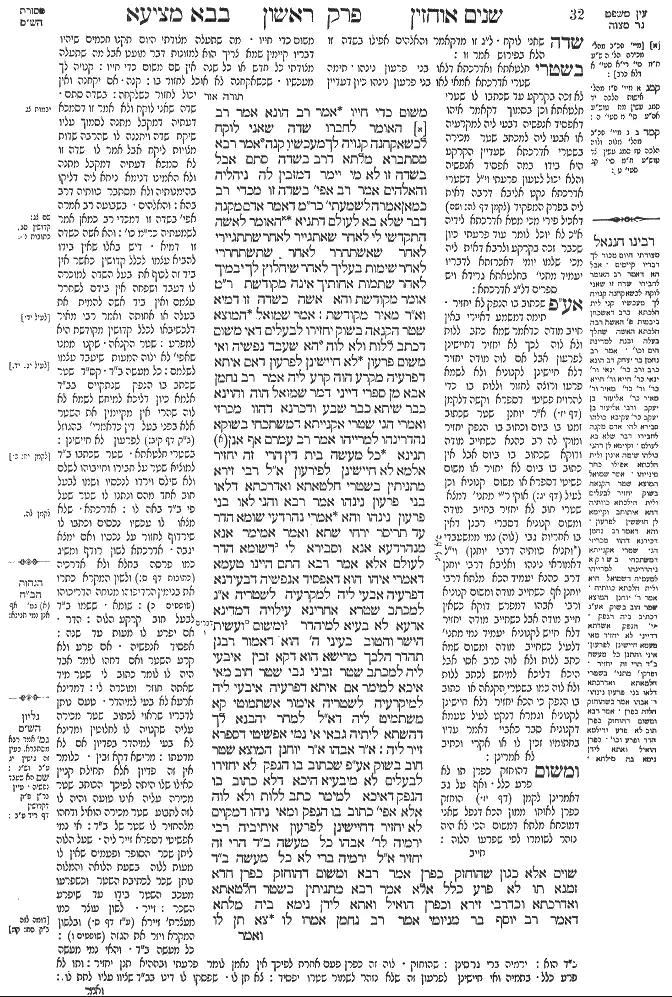
Bava Metzia 16b - Guemara
משום כדי חייו אמר רב הונא אמר רב האומר לחברו שדה שאני לוקח לכשאקחנה קנויה לך מעכשיו קנה אמר רבא מסתברא מלתא דרב בשדה סתם אבל בשדה זו לא מי יימר דמזבין לה ניהליה והאלהים אמר רב אפי' בשדה זו מכדי רב כמאן אמרה לשמעתי' כר"מ דאמר אדם מקנה דבר שלא בא לעולם דתניא האומר לאשה התקדשי לי לאחר שאתגייר לאחר שתתגיירי (קידושין סו ב) לאחר שאשתחרר לאחר שתשתחררי לאחר שימות בעליך לאחר שיחלוץ לך יבמיך (דברים כה, ה) לאחר שתמות אחותיך (ויקרא יח, יח) אינה מקודשת ר"מ אומר מקודשת והא אשה כשדה זו דמיא וא"ר מאיר מקודשת:
אמר שמואל המוצא שטר הקנאה בשוק יחזירו לבעלים דאי משום דכתב ללות ולא לוה הא שעבד נפשיה ואי משום פרעון לא חיישינן לפרעון דאם איתא דפרעיה מקרע הוה קרע ליה אמר רב נחמן אבא מן ספרי דייני דמר שמואל הוה והוינא כבר שיתא כבר שבע ודכרנא דהוו מכרזי ואמרי הני שטרי אקנייתא דמשתכחי בשוקא נהדרינהו למרייהו אמר רב עמרם אף אנן תנינא כל מעשה בית דין הרי זה יחזיר אלמא לא חיישינן לפירעון א"ל רבי זירא מתניתין בשטרי חלטאתא ואדרכתא דלאו בני פרעון נינהו אמר רבא והני לאו בני פרעון נינהו והא אמרי נהרדעי שומא הדר עד תריסר ירחי שתא ואמר אמימר אנא מנהרדעא אנא וסבירא לי דשומא הדר לעולם אלא אמר רבא התם היינו טעמא דאמרי איהו הוא דאפסיד אנפשיה דבעידנא דפרעיה אבעי ליה למקרעיה לשטריה א"נ למכתב שטרא אחרינא עילויה דמדינא ארעא לא בעיא למיהדר ומשום (דברים ו, יח) ועשית הישר והטוב בעיני ה' הוא דאמור רבנן תהדר הלכך מרישא הוא דקא זבין איבעי ליה למכתב שטר זביני גבי שטר חוב מאי איכא למימר אם איתא דפרעיה איבעי ליה למיקרעיה לשטריה אימור אשתמוטי קא משתמיט ליה דא"ל למחר יהבנא לך דהשתא ליתיה גבאי אי נמי אפשיטי דספרא זייר ליה:
א"ר אבהו א"ר יוחנן המוצא שטר חוב בשוק אע"פ שכתוב בו הנפק לא יחזירו לבעלים לא מיבעיא היכא דלא כתוב בו הנפק דאיכא למימר כתב ללות ולא לוה אלא אפי' כתוב בו הנפק ומאי ניהו דמקוים לא יחזיר דחיישינן לפרעון איתיביה רבי ירמיה לר' אבהו כל מעשה ב"ד הרי זה יחזיר א"ל ירמיה ברי לא כל מעשה ב"ד שוים אלא כגון שהוחזק כפרן אמר רבא ומשום דהוחזק כפרן חדא זמנא תו לא פרע כלל אלא אמר רבא מתניתין בשטר חלטאתא ואדרכתא וכדרבי זירא וכפרן הואיל ואתא לידן נימא ביה מלתא דאמר רב יוסף בר מניומי אמר רב נחמן אמרו לו צא תן לו
Comments from Rashi on Masechet Bava Metzia Page 16b
משום כדי חייו . מה שתעלה מצודתי היום תקנו חכמים שיהיו דבריו קיימין שמא צריך הוא למזונות דבר מועט אבל מה שתעלה מצודתי כל חדש או כל שנה אין שם משום כדי חייו: קנויה לך מעכשיו . שכשאקחנה לא אוכל לחזור בו: קנה . אם יקחנה ואין יכול לחזור כשלקחה: בשדה סתם . שדה שאני לוקח ולא אמר זו דסמכא דעתיה דמקבל מתנה לסמוך עליו שיקח שדה ויתננה לו שהרבה שדות מצויות ליקח אבל אמר לו שדה זו לא סמכא דעתיה דמקבל מתנה ולא האמינו דנימא ניחא ליה דליקו בהימנותיה ולא מסתבר כוותיה דרב בהא: והאלהים . בשבועה רב אמרה אפילו בשדה זו דמכדי רב כמאן אמר לשמעתיה כר"מ כו': והא אשה כשדה זו דמיא . דיש באלו שאין בידו להביא עצמו לכלל קדושין כאשר אין ביד זה לכוף את בעל השדה למוכרה לו דעבד ושפחה אין בידם לשחרר עצמם ואין ביד אשה להמית את בעלה או אחותה ואמר רבי מאיר דלכשיבאו לכלל קדושין מקודשת היא למפרע: שטר הקנאה . שקנו ממנו שאפילו לא ילוה המעות שיעבד עצמו לשלמם: כל מעשה ב"ד . קס"ד שטר שכתב בו הנפק שנתקיים בב"ד אלמא כיון דליכא למיחש לשמא לא לוה שהרי אין מקיימין את השטר אלא בפני בעל דין כדאמרי' בהגוזל (ב"ק דף קיב:) לפרעון לא חיישינן: בשטרי חלטאתא . שטר שכתבו בי"ד למוציא שטר על חבירו וחייבוהו לשלם ולא שילם וירדו לנכסיו ושמו לבעל חוב אחד מהם ונתנו לו שטר שעל פי בי"ד באה לו: אדרכתא . שלא מצאו לו עכשיו נכסים וכתבו לו שירדוף לחזור על נכסיו ואם ימצא יגבה. אדרכתא לשון רודף ומשיג כמו פרסה בחלא ולא אדרכיה (כתובות דף ס:) ולשון המקרא כתרו את בנימין הרדיפוהו מנוחה הדריכוהו (שופטים כ): שומא . ששמו ב"ד לבעל חוב קרקע הלוה: הדר . אם יפרע לו מעות עד שנה: אפסיד אנפשיה . אם פרע ולא קרע השטר ואם דחהו לומר אבד היה לו לומר כתוב לי שטר מיד שאתה חוזר ומוכרה לי: דמדינא ארעא לא בעי למיהדר . טעם נותן לדבריו שראוי לכתוב שטר מכירה עליה שקנויה לו לחלוטין ומדינא לא בעי למיהדר בפדיון אם לא מדעתו: מרישא דקא זבין . כלומר אין זה פדיון אלא תחילת קניין כאילו שלו היתה לפיכך הכותב שטר מכירה עליה אינו טועה והיה לו לזה לתבוע שטר מכירה הואיל ודחהו מלהחזיר לו שטר של ב"ד: אי נמי אפשיטי דספרא זייר ליה . שעל הלוה ליתן שכר הסופר ופעמים שאין לו מעות ללוה בשעת הלואה והמלוה נותן לו שכר לכתיבת השטר וכשפרעו מעכב השטר בידו עד שיפרע השכר: זייר . לשון עוצר כמו מעצרתא זיירא (ע"ז דף ס.) ובלשון המקרא ויזר את הגזה (שופטים ו): כל מעשה ב"ד . והאי נמי מעשה ב"ד הוא: ירמיה ברי גרסינן: שהוחזק . לוה זה כפרן פעם אחרת לפיכך אין נאמן לומר פרעתי ובההיא תנן יחזיר: ותו לא פרע כלל . בתמיה ואי חיישינן לפרעון זה שלא נזהר לשמור שטרו יפסיד: צא תן לו . שפסקו לו דינו בב"ד שציוו עליו לתת לו:
Comments from Tosafot - Bava Metzia 16b
שדה שאני לוקח . ל"ג זו מדקאמר והאלהים אפילו בשדה זו הלא בפירוש אמר זו: קנויה לך מעכשיו . תימה מה צריך מעכשיו כיון דאדם מקנה דבר שלא בא לעולם דאי לעניין חזרה הא כל זמן שלא בא לעולם יכול לחזור אע"ג דאמר מעכשיו וי"ל דנ"מ אם נקרע השטר או שאבד קודם שלקחה זה דקני כיון דאמר מעכשיו: בשטרי חלטאתא ואדרכתא דלאו בני פרעון נינהו . תימה שטרי אדרכתא אמאי לאו בני פרעון נינהו כיון דעדיין לא זכה בקרקע עד שכתבו לו שטרי חלטאתא וכן בסמוך דקאמר איהו דאפסיד אנפשיה דבעי ליה למקרעיה או אבעי ליה למכתב שטר מכירה בשטרי אדרכתא שעדיין הקרקע היא בידו במה אפסיד אנפשיה הלא יכול לטעון פרעתי וי"ל דשטרי אדרכתא נקט אליבא דרבה דאית ליה בפרק המפקיד (לקמן בבא מציעא דף לה: ושם) דאכיל פירי מכי מטא אדרכתא לידיה א"כ לא יוכל לומר עוד פרעתי כיון שכבר זכה בקרקע ולרבא דאית ליה מכי שלמו יומי דאכרזתא לדבריו יעמיד מתני' בחלטאתא גרידא ויש ספרים דל"ג אדרכתא: אע"פ שכתוב בו הנפק לא יחזיר . תימה דמשמע דאיירי באין חייב מודה כדאמר שמא כתב ללות ולא לוה לכך לא יחזיר דחיישינן לפרעון אבל אם לוה מודה יחזיר דלא חיישינן לקנוניא ולא לשמא פרעו ורוצה לחזור וללות בו כדי להרויח פשיטי דספרא וקשה דלקמן (בבא מציעא דף יז.) א"ר יוחנן שטר שכתוב זמנו בו ביום וכתוב בו הנפק יחזיר ומוקי לה רב כהנא כשחייב מודה ודוקא שכתוב בו ביום אבל אין כתוב בו ביום לא יחזיר או משום פשיטי דספרא או משום קנוניא וכן לעיל (בבא מציעא דף יג:) אוקי ר"י מתני' דמצא שטרי חוב לא יחזיר בחייב מודה ומשום קנוניא דסברי רבנן דאין בו אחריות גבי (לוה) נמי ממשעבדי (ותניא כוותיה דרבי יוחנן) וי"ל דאמוראי נינהו ואליבא דרבי יוחנן דרב כהנא יעמיד הכא מלתא דרבי יוחנן אף כשחייב מודה ומשום קנוניא ורבי אבהו דמפרש דוקא כשאין חייב מודה אבל כשחייב מודה יחזיר דלא חייש לקנוניא יעמיד נמי מתני' דלעיל כשחייב מודה ומשום שמא כתב ללות ולא לוה כרב אסי אבל היכא דליכא למיחש לכתב ללות ולא לוה כמו בשטרי הקנאה או כתוב בו הנפק כי הכא יחזיר דלא חיישינן לקנוניא וגמרא דנקט לעיל טעמא דקנוניא סבר כאביי דאמר עדיו בחתומיו זכין לו או אקרי וכתיב לא אמרינן: ומשום דהוחזק כפרן תו לא פרע כלל . ואף על גב דאמרינן לקמן (בבא מציעא דף יז.) הוחזק כפרן לאותו ממון הכא דנפל שאני דמוכחא מלתא דמשום הכי לא היה נזהר לשומרו לפי שפרעו הלוה:
Bava Metzia 16b - Mishnah translated into english
the Sages instituted an ordinance that the sale is effective because of their concern for his immediate livelihood.
§ The Gemara continues to discuss the matter of selling property that one does not yet own. Rav Huna says that Rav says: With regard to one who says to another: With regard to the field that I am about to buy, when I buy it, it will be retroactively transferred to your ownership from now, the stipulation takes effect, and once he buys it, the second party has acquired the field.
Rava said: The statement of Rav is reasonable only with regard to an unspecified field, as one is capable of buying a field. But with regard to a case where one says to another that he is selling him this specific field that is not yet in his possession, the transaction does not take effect, as who is to say that the current owner will sell it to him? Since it is not in his power alone to purchase the field, it is tantamount to an entity that has not yet come into being, and therefore he cannot sell it to anyone.
The Gemara emphatically rejects Rava’s qualification of Rav’s statement in the form of an oath: By God! Rav said his statement even in a case where the seller said: This field. After all, in accordance with whose opinion did Rav state his halakha? It was in accordance with the opinion of Rabbi Meir, who says that a person can transfer ownership of an entity that has not yet come into the world.
As it is taught in a baraita: With regard to one who says to a woman: Be betrothed to me after I convert, or: After you convert, or if he is a slave and says: After I am freed, or if she is a maidservant and he says: After you are freed, or if he says to a married woman: After your husband dies, or if he says to a widow waiting for her yavam to perform the ritual through which he frees her from her levirate bonds [ḥalitza]: After your yavam performs ḥalitza with you, or if he says to his wife’s sister: After your sister dies (see Leviticus 18:18), in all these cases she is not betrothed. Since he cannot betroth her at the present moment, his attempt at betrothal is ineffective.
Rabbi Meir says: She is betrothed. Rabbi Meir holds that one can acquire that which is not yet available, and the acquisition will take effect once the item is available. In this case as well, the betrothal will take effect once it becomes possible for her to become betrothed to him.
And isn’t the case of betrothing a specific woman comparable to the case of selling this specific field? And yet, Rabbi Meir says that she is betrothed. It is therefore clear that Rav, who accepts the opinion of Rabbi Meir, holds that the sale is effective even if the seller specified a particular field.
§ Shmuel says: With regard to one who finds a deed of transfer, i.e., a promissory note that establishes a lien on the debtor’s property from the date it is written, regardless of whether or not he borrows the money at that time, in the marketplace, he must return it to its owner, i.e., the creditor, as, if one were to be concerned because of the possibility that the debtor wrote the note intending to borrow money, but did not borrow it in the end, he is nevertheless liable, since he committed himself to pay at the time it was written. And if one were to be concerned because of the possibility that repayment had already taken place, this is not a justified concern, as in general we are not concerned that there was repayment, as, if it were so that the debtor had repaid it, he certainly would have torn up the note.
Rav Naḥman said: My father was one of the scribes of the judges of Mar Shmuel, and I was about six or seven years old, and I remember that they made an announcement, saying: Those deeds of transfer that are found in the marketplace should be returned to their owners, the creditors, in accordance with the opinion of Shmuel.
Rav Amram said: We, too, learn similarly in a mishna (20a): One must return any court enactment, i.e., a promissory note that has been authenticated by the court, to its owner. Apparently, we are not concerned that there may have been repayment. Rabbi Zeira said to him: The mishna is not proof for Shmuel’s ruling, as it is stated not with regard to all court enactments but with regard to bills of foreclosure, which award property to a creditor as payment for the debt owed to him, and bills of authorization to locate and seize property from the debtor, both of which are not subject to repayment.
Rava said to him: And are these bills not subject to repayment? But didn’t the Sages of Neharde’a say that after property is repossessed in order to pay an unpaid debt based on the court’s appraisal of its value, the property is returned if the debtor pays the debt until twelve months of the year have passed after the repossession? And furthermore, Ameimar said: I am from Neharde’a, and nevertheless, I hold that property repossessed based on an appraisal of an article’s value can always be returned. If the debtor pays his debt, he can reclaim his property at any point. Consequently, even bills of foreclosure or authorization might be obsolete, and nevertheless the mishna states that one who finds them must return them to the creditor.
Rather, Rava said that the mishna is not proof for the ruling of Shmuel for a different reason: There, this is the reason that the documents are returned: As I can say that if the debtor has already repaid his debt, it is he who caused the loss to himself, as at the time he repaid his debt he should have either ripped up the document, or alternatively, he should have demanded of the creditor to write another document for the debtor’s redeemed property, returning it to him.
The reason for a new document to be written is that according to the letter of the law, the land need not be returned by the creditor to the debtor, and it is due to the principle: “You shall do that which is right and good in the eyes of the Lord” (Deuteronomy 6:18), that the Sages said that the land should be returned. Therefore, it is as though the debtor is purchasing it anew, and the creditor must write a bill of sale.
The Gemara explains why this reasoning is not applicable to deeds of transfer or other promissory notes. With regard to a found promissory note, what is there to say to justify returning it to the creditor? That if it is so that the debtor repaid the debt, he should have ripped up the promissory note? This is not so, as one could say that the creditor avoided returning the note, as he said to him: Tomorrow I will give you the note, as it is not with me now. Alternatively, the creditor may have held back the note as security for the debtor’s payment of the fee of the scribe who wrote the promissory note. Consequently, it is possible that the debtor was never given back the note and was unable to rip it up, through no fault of his own.
§ Rabbi Abbahu says that Rabbi Yoḥanan says: With regard to one who finds a promissory note in the marketplace, even if a ratification of the court is written in it, he may not return it to the owner, i.e., the creditor.
The Gemara explains: It is not necessary to say that one should not return the promissory note in a case where a ratification is not written in it, as in that case there is room to say that the debtor wrote it intending to borrow money, but he did not end up borrowing it, and therefore the creditor has no rights to the promissory note. But even if a ratification is written in it, one should not return it. And what is this authorization? It is an approval that the promissory note has been ratified by the court, which examined the note and the signatures of the witnesses and found everything to be in order. The reason one may not return the promissory note to the creditor is that we are concerned that repayment has already taken place.
Rabbi Yirmeya raised an objection to Rabbi Abbahu from the mishna that states (20a): One must return any court enactment, i.e., a promissory note that has been authenticated by the court, to its owner. Apparently there is no concern about repayment. Rabbi Abbahu said to him: Yirmeya, my son, not all court enactments are equal. Rather, the ruling that one must return such a document applies only in a case where the debtor has the presumptive status of one who denies his debts, and therefore, if he claims the debt was repaid, his claim is not accepted.
In response to this explanation of that mishna, Rava said: But does it necessarily follow that just because a debtor assumed the presumptive status of one who denies his debts after one time that he did so, he will never again repay a debt that he owes, and therefore the promissory note should be returned to his creditor? Rather, Rava said: The mishna is referring to a bill of foreclosure, or a bill of authorization, which are not subject to repayment, in accordance with the explanation of Rabbi Zeira.
The Gemara adds: And with regard to the topic of one who denies his debts, since it came to us, let us say something about it. As Rav Yosef bar Minyumi said that Rav Naḥman said: If the court said to the litigant against whom they ruled: Go and give the other litigant what you owe him,
Traduction : The William Davidson digital edition of the Koren Noé Talmud, with commentary by Rabbi Adin Even-Israel Steinsaltz.