 Talmud Bavli
The learning on the whole site is dedicated : L'ilui Nishmat Margalit bat Ledicia
The learning on the whole site is dedicated : L'ilui Nishmat Avraham Ben Simha
The learning on the whole site is dedicated : For the success of Elyahou ben H'anna & family
Bava Metzia 15b : Youtube
Daf TubeYoutube
2 video classes :
Bava Metzia Page 15b
Bava Metzia 15b - Guemara
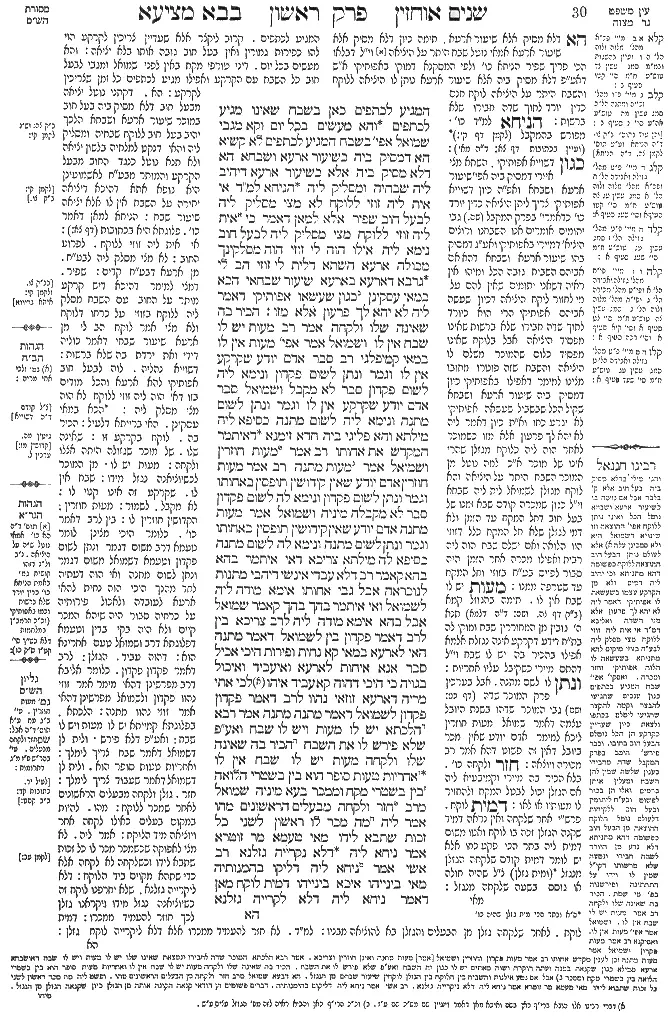
המגיע לכתפים כאן בשבח שאינו מגיע לכתפים והא מעשים בכל יום וקא מגבי שמואל אפי' בשבח המגיע לכתפים לא קשיא הא דמסיק ביה כשיעור ארעא ושבחא הא דלא מסיק ביה אלא כשיעור ארעא דיהיב ליה שבחיה ומסליק ליה הניחא למ"ד אי אית ליה זוזי ללוקח לא מצי מסליק ליה לבעל חוב שפיר אלא למאן דאמר כי אית ליה זוזי ללוקח מצי מסליק ליה לבעל חוב נימא ליה אילו הוה לי זוזי הוה מסלקינך מכולה ארעא השתא דלית לי זוזי הב לי גרבא דארעא בארעא שיעור שבחאי הכא במאי עסקינן כגון שעשאו אפותיקי דאמר ליה לא יהא לך פרעון אלא מזו:
הכיר בה שאינה שלו ולקחה אמר רב מעות יש לו שבח אין לו ושמואל אמר אפי' מעות אין לו במאי קמיפלגי רב סבר אדם יודע שקרקע אין לו וגמר ונתן לשום פקדון ונימא ליה לשום פקדון סבר לא מקבל ושמואל סבר אדם יודע שקרקע אין לו וגמר ונתן לשום מתנה ונימא ליה לשום מתנה כסיפא ליה מילתא והא פליגי ביה חדא זימנא דאיתמר המקדש את אחותו רב אמר מעות חוזרין ושמואל אמר מעות מתנה רב אמר מעות חוזרין אדם יודע שאין קידושין תופסין באחותו וגמר ונתן לשום פקדון ונימא לה לשום פקדון סבר לא מקבלה מיניה ושמואל אמר מעות מתנה אדם יודע שאין קידושין תופסין באחותו וגמר ונתן לשום מתנה ונימא לה לשום מתנה כסיפא לה מילתא צריכא דאי איתמר בהא בהא קאמר רב דלא עבדי אינשי דיהבי מתנות לנוכראה אבל גבי אחותו אימא מודה ליה לשמואל ואי איתמר בהך בהך קאמר שמואל אבל בהא אימא מודה ליה לרב צריכא בין לרב דאמר פקדון בין לשמואל דאמר מתנה האי לארעא במאי קא נחית ופירות היכי אכיל סבר אנא איחות לארעא ואיעביד ואיכול בגויה כי היכי דהוה קא עביד איהו לכי אתי מריה דארעא זוזאי נהוו לרב דאמר פקדון פקדון לשמואל דאמר מתנה מתנה אמר רבא הלכתא יש לו מעות ויש לו שבח ואע"פ שלא פירש לו את השבח הכיר בה שאינה שלו ולקחה מעות יש לו שבח אין לו אחריות טעות סופר הוא בין בשטרי הלואה בין בשטרי מקח וממכר בעא מיניה שמואל מרב חזר ולקחה מבעלים הראשונים מהו אמר ליה מה מכר לו ראשון לשני כל זכות שתבא לידו מאי טעמא מר זוטרא אמר ניחא ליה דלא נקרייה גזלנא רב אשי אמר ניחא ליה דליקו בהמנותיה מאי בינייהו איכא בינייהו דמית לוקח מאן דאמר ניחא ליה דלא לקרייה גזלנא
Comments from Rashi on Masechet Bava Metzia Page 15b
המגיע לכתפים . קרוב ליקצר אלא שעדיין צריכין לקרקע. הוי להו כפירות גמורין ואין בעל חוב גובה אותו בלא יציאה: והא מעשים בכל יום . דיני טורפי מקח באין לפני שמואל ומגבי לבעל חוב כל השבח עם הקרקע ואפילו מגיע לכתפים כל זמן שצריכין לקרקע: הא . דקתני נוטל יציאה מבעל חוב דלא מסיק ביה בעל חוב במוכר שיעור ארעא ושבחא הלכך יהיב בעל חוב ללוקח שבחיה ומסליק ליה והאי דנקט למלתיה בלשון יציאה ולא תנא נוטל כנגד החוב מבעל הקרקע והמותר מבע"ח לאשמועינן היא גופא אתא דהיכא דיציאה יתירה על השבח אין לו אלא יציאה שיעור שבח: הניחא למאן דאמר כו' . פלוגתא היא בכתובות (דף צא:): אי אית ליה זוזי ללוקח . לפרוע החוב: לא מצי מסלק ליה לבע"ח . מן ארעא דבע"ח קדים: שפיר . דמצי למימר דהיכא דיש קרקע מותר על החוב עם השבח מסלק ליה ללוקח בזוזי על כרחו דלוקח ולא מצי אמר לוקח הב לי מן ארעא שיעור שבחי דאמר כוליה דידי ואת ירדת בה שלא ברשות: דשוייא נהליה . לוה לבעל חוב אפותיקי להא ארעא והכל מודים בזו דאי הוה ליה זוזי ללוקח לא הוה מצי מסלק ליה: הכא במאי עסקינן . האי ברייתא דלעיל: הכיר בה . לוקח בקרקע זו: שאינה שלו . של מוכר שגזולה היתה אצלו ולקחה: מעות יש לו . מן המוכר לכשיוציאנה נגזל מידו: שבח אין לו . שקרקע זה אינו קנוי לו: לא מקבל . לשמור: מעות חוזרין . הקדושין חוזרין לו: בין לרב דאמר כו' . כלומר היכי מצינן לומר טעמא דרב משום דגמר ונתן לשום פקדון וטעמא דשמואל משום דגמר ונתן לשום מתנה ואי הוה דעתיה לחד מהנך היכי הוה נחית להאי ארעא לעובדה ולאכול פירותיה על כרחיה סבור היה שיהא המכר קיים ולא היה בקי בדין וטעמא דפלוגתא דרב ושמואל טעם אחרינא הוא: דהוה עביד . הגזלן: לרב דאמר פקדון פקדון . כלומר אליבא דרב מפרשינן דהאי מימר אמר זוזי נהוו פקדון ולשמואל מפרשינן דהאי אמר זוזי נהוו מתנה: הלכתא . בפלוגתא קמייתא יש לו מעות ויש לו שבח: ואע"פ דלא פירש . ולית לן דשמואל דאמר שבח צריך לימלך: ואחריות טעות סופר הוא . ולית לן דשמואל דאמר שעבוד צריך לימלך: חזר . גזלן ולקחה מבעלים הראשונים לאחר שמכר ללוקח: מהו . להיות במקום בעלים כאילו לקחה אחר ויוציאה מיד הלוקח: אמר ליה . לא מצי לאפוקה שכשמכר מכר לו כל זכות שתבא לידו וכשלקחה לא לקחה אלא כדי שתהא מקוים ביד הלוקח: דלא ליקרייה גזלנא . שלא יחרפנו לוקח זה כשיוציאנה נגזל מידו ויקראנו גזלן לכך חוזר להעמיד ממכרו: דמית לוקח . לאחר שלקחה גזלן מן הבעלים והגזלן בא להוציאה מבניו: למ"ד . לא חזר להעמיד ממכרו אלא דלא ליקרייה לוקח גזלן:
Comments from Tosafot - Bava Metzia 15b
הא דלא מסיק אלא שיעור ארעא תימה כיון דלא מסיק אלא . שיעור ארעא אמאי נוטל שבח היתר על היציאה וי"ל דבלאו הכי פריך שפיר הניחא כו' ולפי המסקנא דמוקי באפותיקי א"ש דאע"פ דלא מסיק ביה אלא שיעור ארעא נותן לו היציאה ללוקח והשבח היתר על היציאה לוקח חנם כדין יורד לתוך שדה חבירו שלא ברשות: הניחא למ"ד כו' . מפורש בהמקבל (לקמן בבא מציעא דף קי:). (ועיין בכתובות דף צא: ד"ה מאי): כגון דשוייא אפותיקי . השתא מצי איירי דמסיק ביה אפי' שיעור ארעא ושבחא ואפ"ה כיון דשוייא אפותיקי צריך ליתן היציאה כדין יורד כו' כדאמרי' בפרק המקבל (שם.) גבי יתומים אומרים אנו השבחנו ורוצים היציא' דמיירי באפותיקי ואע"ג דמסיק בהו שיעור ארעא ושבחא דהא אם אביהם השביח גובה הכל ומיהו אין ראיה דשאני יתומים שאין להם על מי לחזור ליקח היציאה דכיון שעשה אביהם אפותיקי הרי הוא כיורד לתוך שדה חבירו שלא ברשות שאינו מפסיד היציאה אבל בלוקח שאינו מפסיד כלום שהמוכר משלם לו היציאה והשבח שזה פוטרו מחובו מצינו למימר דאפילו באפותיקי כיון דמסיק ביה שיעור ארעא ושבחא שקיל הכל שבשביל שעשאה אפותיקי לא יגרע כחו וא"ת כיון דאמר ליה לא יהא לך פרעון אלא מזו כשמוכר לאחר הוה ליה כלוקח מגזלן שהרי אינו של מוכר א"כ למה נוטל מן המוכר השבח היתר על היציאה והא לוקח מגזלן לשמואל לית ליה שבחא וי"ל כגון שמכרה קודם שבא זמנו של בעל חוב דחל המקח עד הזמן ולא דמי לגזלן שלא חל המקח כלל דזוזי הוו הלואה ואם ישלם שבח הוה ליה רבית ואפילו מכרה אחר הזמן היה סבור לפייס בע"ח בזוזי וחל המקח עד שטרפה ממנו: מעות יש לו שבח אין לו . תימה בהגוזל קמא (ב"ק דף צה. ושם: ד"ה דלמא) תנא ה' גובין מן המחוררין שבח ומוקי לה בת"ח דידע דקרקע אינה נגזלת אלמא אפילו בהכיר בה יש לו שבח וי"ל דהתם מיירי כשקיבל עליו אחריות: ונתן לו לשם מתנה . אבל בערכין פרק המוכר שדה (דף כט: ושם) גבי המוכר שדהו בשנת היובל עצמה דאמר שמואל מעות חוזרין ליכא למימר אדם יודע שאין מכר ביובל דאין זה פשוט דהא אמר רב מכורה ויוצאה: חזר ולקחה כו' . בלא הכיר בה מיירי וקמיבעיא ליה אם הגזלן יכול לבטל המקח ולהחזיר לו מעותיו או לאו: דמית לוקח . פרש"י אחר שלקחה ואין נראה דמיד שקנה הגזלן זכה בו לוקח ואטו משום דמית ליה בתר הכי פקע כחו אלא יש לומר דמית קודם שלקחה הגזלן מנגזל (ומית גזלן) צ"ל שהיה חולה או גוסס בשעה שלקחה מנגזל:
Bava Metzia 15b - Mishnah translated into english
of the field that reaches one’s shoulders, i.e., the produce that grew due to the improvements made by the purchaser is almost fully grown and ripened, and it can soon be harvested and carried upon one’s shoulders. At that point, the produce is considered independent of the land and is therefore not collected by the creditor unless he pays for the expenses. And there, in Shmuel’s statement that the creditor collects the enhancement without paying compensation, the reference is to enhancement that does not reach one’s shoulders, i.e., whose growth is not almost complete. At that point, the produce is considered to be part of the land.
The Gemara asks: But there were daily incidents of this type, and Shmuel would collect payment from buyers even for enhancement that reaches one’s shoulders, without requiring the creditors to compensate them for their expenses.
The Gemara answers that this is not difficult; these instances when Shmuel did not require the creditor to compensate the purchaser were cases where the creditor was owed by the debtor the same amount of money as the value of the land and the enhancement. That baraita, which states that the creditor must compensate the purchaser for the enhancement, is referring to a case where he was owed by the debtor only the same amount of money as the value of the land, without the enhancement, as in this case the creditor gives the buyer the value of his enhancement to the land and thereby dismisses from the buyer any claim to the land.
The Gemara asks: This works out well according to the one who says that even if the purchaser has money, he is unable to dismiss the creditor from his claim to the land by paying its value. But according to the one who says that when the purchaser has money he can dismiss the creditor by paying the value of the land, let the purchaser say to him: If I had money, I would have dismissed you from the entire plot of land. Now that I do not have enough money to pay off the entire debt, give me at least a se’a of land from the land that you wish to repossess, which is the amount of my enhancement.
The Gemara answers: Here we are dealing with a case where the debtor, who sold this land to the purchaser, set aside his land as designated repayment [apoteiki] for the debt, as he said to the creditor: You will be repaid only from this piece of land. Consequently, the buyer cannot dismiss the creditor from any part of the land, even though he enhanced its value.
§ In a case where one who bought a field from a robber recognized that it was not the seller’s, i.e., he knew that it was stolen property, but he purchased it nevertheless, when the true owner repossesses the field Rav says that the purchaser has the right to be reimbursed for the money that he paid for the field, but he does not have the right to be reimbursed for the enhancement of the field in his possession. And Shmuel says that he does not have the right to be reimbursed even for the money he paid for the field, as he knew that the sale was invalid.
The Gemara asks: With regard to what principle do Rav and Shmuel disagree? The Gemara answers: Rav holds that such a person knows that the sale is invalid and that he does not have the right to the land, and therefore he clearly resolved to give the money to the seller as a deposit. The Gemara asks: But if that is his objective, let him say to the seller explicitly that he is giving him the money as a deposit. The Gemara answers: The purchaser thought that the seller would not accept it as a deposit, and therefore he gave it to him in this fashion so that he would hold it for him in the interim.
And Shmuel holds that such a person knows that he does not have the right to the land, and therefore he clearly resolved to give the money to the seller as a gift. The Gemara asks: But if so, let him say to the seller that he is giving him the money as a gift. The Gemara answers: If he would say so explicitly, the matter would be embarrassing for the seller. Therefore, the purchaser used this ploy in order to give a gift to the seller.
The Gemara asks: But didn’t Rav and Shmuel already disagree about this principle one time? As it was stated concerning one who betroths his sister: Rav says: The money he gave for the betrothal is returned, since the betrothal does not take effect; and Shmuel says: This money is a gift, meaning that he wished to give a gift to his sister and he did so in this manner. Rav says: The money must be returned since a person knows that betrothal does not take effect with his sister, and he decided to give the money to her for the purpose of a deposit. The Gemara raises a difficulty: And let him explicitly say to her that he is giving her the money for the purpose of a deposit. The Gemara answers: He thought she would not accept it from him.
And Shmuel says: The money is considered to be a gift because a person knows that betrothal does not take effect with his sister, and he decided to give the money to her for the purpose of a gift. The Gemara again raises a difficulty: And let him explicitly say to her that he is giving it to her for the purpose of a gift. The Gemara answers: He thought the matter would be embarrassing to her and she would refuse to accept the money. He therefore attempted to give it her by an alternative method.
The Gemara explains: It is necessary to present the disagreement in both instances because if it were stated only with regard to that case, of buying property from a robber, one might have reasoned that it is specifically in that case that Rav says that the money returns to the purchaser, as people do not tend to give gifts to non-relatives, and therefore it is clear that the purchaser intended for the money to be a deposit. But with regard to the case of one who betroths his sister, one might say that Rav concedes to Shmuel that the money was given as a gift. It is therefore necessary to present Rav’s opinion in both cases.
And conversely, if the disagreement were stated only in that case, i.e., betrothal of one’s sister, one might have reasoned that it is only in that case that Shmuel says the money is a gift, but in this case, where the purchaser is a non-relative, one might say that Shmuel concedes to Rav that the money is a deposit. It is therefore necessary to present the disagreement in both instances.
The Gemara asks: Both according to Rav, who says that the money is a deposit, and according to Shmuel, who says that the money is a gift, when this purchaser takes possession of the land despite knowing that his acquisition is invalid, with what justification does he take possession of the land, and how does he justify consuming its produce?
The Gemara answers that the purchaser reasons: I will take possession of the land, and work it, and consume the produce that is in it, just as the seller would have done. And when the owner of the land comes and claims it, the money that I paid for it will be designated for a different purpose. According to Rav, who says that the money is a deposit, it will be a deposit, and according to Shmuel, who says that the money is a gift, it will be a gift.
Rava said: With regard to the aforementioned halakhic disputes, the halakha is that in a case where one bought a field and it turned out to be stolen, the purchaser has the right to demand that the seller return the money he paid for the land, and he also has the right to demand that the seller compensate him for the value of the enhancement, in accordance with the opinion of Rav. And this is the halakha even if the seller did not explicitly obligate himself to compensate him for the enhancement. But if the purchaser recognized that the field was not the seller’s and he purchased it anyway, he has the right to demand that the seller return the money he paid for the land, but he does not have the right to demand compensation for the enhancement, in accordance with the opinion of Rav.
Rava issued another ruling with regard to a dispute cited above: Omission of the guarantee of the sale from the document is a scribal error. This is the halakha both with regard to promissory notes and with regard to deeds of buying and selling, i.e., deeds of sale.
§ Shmuel asked Rav: If one robbed another of a field and sold it, and then purchased it from the original owner, what is the halakha? Can the robber now repossess the field from the person to whom he sold it before he legally owned it? Rav said to him: No, he cannot. What did the first person, the robber, sell to the second person, the purchaser, when he sold him the field? He sold him any rights to the field that will come into his possession. Consequently, the rights that the robber has now acquired are transferred to the purchaser.
The Gemara asks: What is the reason that the robber would buy the land he had already sold in order to retroactively uphold the sale? Mar Zutra said: It is preferable for him not to be called a robber by the purchaser when the original owner demands he return the field. Rav Ashi said: It is preferable for him to maintain his reliability, i.e., to be considered an honest person.
The Gemara asks: What is the practical difference between these two opinions? The Gemara answers: The practical difference between them is in a case where the purchaser died. According to the one who says that the robber bought it because it is preferable for him not to be called a robber,
Traduction : The William Davidson digital edition of the Koren Noé Talmud, with commentary by Rabbi Adin Even-Israel Steinsaltz.