 Talmud Bavli
The learning on the whole site is dedicated : L'ilui Nishmat Rav Chlomo Ben Jamilla
The learning on the whole site is dedicated : L'ilui Nishmat Jacques Isaac Ben Amram Loubaton
The learning on the whole site is dedicated : L'ilui Nishmat Chemouel Eliezer ben Batcheva
Kiddushin 50b : Youtube
Daf TubeYoutube
2 video classes :
Kiddushin Page 50b
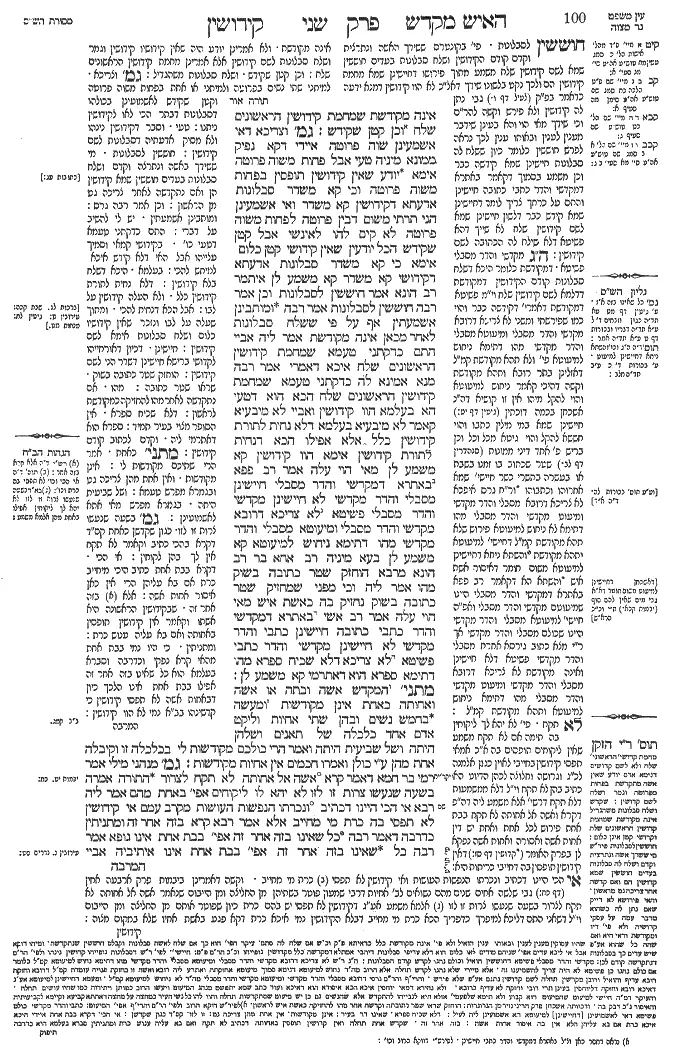
Kiddushin 50b - Guemara
אינה מקודשת שמחמת קידושין הראשונים שלח וכן קטן שקידש גמ׳ וצריכא דאי אשמעינן שוה פרוטה איידי דקא נפיק ממונא מיניה טעי אבל פחות משוה פרוטה אימא יודע שאין קידושין תופסין בפחות משוה פרוטה וכי קא משדר סבלונות אדעתא דקידושין קא משדר ואי אשמעינן הני תרתי משום דבין פרוטה לפחות משוה פרוטה לא קים להו לאינשי אבל קטן שקידש הכל יודעין שאין קידושי קטן כלום אימא כי קא משדר סבלונות אדעתא דקידושי קא משדר קא משמע לן איתמר רב הונא אמר חוששין לסבלונות וכן אמר רבה חוששין לסבלונות אמר רבה ומותבינן אשמעתין אף על פי ששלח סבלונות לאחר מכאן אינה מקודשת אמר ליה אביי התם כדקתני טעמא שמחמת קידושין הראשונים שלח איכא דאמרי אמר רבה מנא אמינא לה כדקתני טעמא שמחמת קידושין הראשונים שלח הכא הוא דטעי הא בעלמא הוו קידושין ואביי לא מיבעיא קאמר לא מיבעיא בעלמא דלא נחית לתורת קידושין כלל אלא אפילו הכא דנחית לתורת קידושין אימא הוו קידושין קא משמע לן מאי הוי עלה אמר רב פפא באתרא דמקדשי והדר מסבלי חיישינן מסבלי והדר מקדשי לא חיישינן מקדשי והדר מסבלי פשיטא לא צריכא דרובא מקדשי והדר מסבלי ומיעוטא מסבלי והדר מקדשי מהו דתימא ניחוש למיעוטא קא משמע לן בעא מיניה רב אחא בר רב הונא מרבא הוחזק שטר כתובה בשוק מהו אמר ליה וכי מפני שמחזיק שטר כתובה בשוק נחזיק בה כאשת איש מאי הוי עלה אמר רב אשי באתרא דמקדשי והדר כתבי כתובה חיישינן כתבי והדר מקדשי לא חיישינן מקדשי והדר כתבי פשיטא לא צריכא דלא שכיח ספרא מהו דתימא ספרא הוא דאתרמי קא משמע לן מתני׳ המקדש אשה ובתה או אשה ואחותה כאחת אינן מקודשות ומעשה בחמש נשים ובהן שתי אחיות וליקט אדם אחד כלכלה של תאנים ושלהן היתה ושל שביעית היתה ואמר הרי כולכם מקודשות לי בכלכלה זו וקיבלה אחת מהן ע"י כולן ואמרו חכמים אין אחיות מקודשות גמ׳ מנהני מילי אמר רמי בר חמא דאמר קרא (ויקרא יח, יח) אשה אל אחותה לא תקח לצרור התורה אמרה בשעה שנעשו צרות זו לזו לא יהא לו ליקוחים אפי' באחת מהם אמר ליה רבא אי הכי היינו דכתיב (ויקרא יח, כט) ונכרתו הנפשות העושות מקרב עמם אי קידושין לא תפסי בה כרת מי מחייב אלא אמר רבא קרא בזה אחר זה ומתניתין כדרבה דאמר רבה כל שאינו בזה אחר זה אפי' בבת אחת אינו גופא אמר רבה כל שאינו בזה אחר זה אפי' בבת אחת אינו איתיביה אביי
Comments from Rashi on Masechet Kiddushin Page 50b
אינה מקודשת . ולא אמרינן יודע היה שאין קידושיו קידושין וגמר ושלח סבלונות לשם קידושין אלא אמרינן מחמת קידושין הראשונים שלח: וכן קטן שקידש . ושלח סבלונות משהגדיל: גמ' וצריכא . למיתני שתי נשים בפרוטה ולמיתני או אחת בפחות משוה פרוטה וקטן שקידש לאשמועינן בכולהו דסבלונות דבתר הכי לאו לקידושין ניתנו: טעי . וסבר דקידושין נינהו ולא מסיק אדעתיה דסבלונות לשם קידושין: חוששין לסבלונות . מי ששידך באשה ונתרצה וקדם ושלח סבלונות בעדים חוששין שמא קידושין הן ואם נתקדשה לאחר צריכה גט מן הראשון: וכן אמר רבה גרס: ומותבינן אשמעתין . יש לי להשיב על דברי: התם כדקתני טעמא דטעי כו' . בקידושי קמאי וסמיך עלייהו אבל האי דלא קידש איכא למיחש להכי: התם כדקתני טעמא דטעי כו' . בקידושי קמאי וסמיך עלייהו אבל האי דלא קידש איכא למיחש להכי: בעלמא . היכא דשלח בלא קידושין: דלא נחית לתורת קידושין כלל . ולא העלה קידושין על לבו: אבל הכא דנחית להכי . ומתוך שעלה על לבו ונזכר שאין קידושיו כלום ושלח סבלונות אימא לשם קידושין: חיישינן . דכיון דאורחייהו לקדושי ברישא חיישינן דשדר הני לשם קידושין: הוחזק שטר כתובה בשוק . שראו שטר כתובה: מהו . אם נתקדשה לאחר מהו להחזיקה כמקודשת לראשון: דלא שכיח ספרא . אין הסופר מצוי בעיר תמיד: ספרא הוא דאתרמי ליה . וקדם לכתוב קודם קידושין: מתני' כאחת . אמר הרי שתיכם מקודשות לי: אינן מקודשות . ואין אחת מהן צריכה גט ובגמרא מפרש טעמא: ושל שביעית היתה . בגמרא מפרש מאי אתא לאשמועינן: גמ' בשעה שנעשו צרות זו לזו . כגון שקדשן כאחת קס"ד דקרא בהכי כתיב וקאמר לא תקח אין לך בהן לקוחין: גמ' בשעה שנעשו צרות זו לזו . כגון שקדשן כאחת קס"ד דקרא בהכי כתיב וקאמר לא תקח אין לך בהן לקוחין: אי הכי . דקרא בבת אחת כתיב היכי מיחייב כרת אם בא עליהן הרי אין כאן איסור אחות אשה: אלא בזה אחר זה . שבקידושין הראשונה היא אשתו וקאמר אין קידושין תופסין באחותה ואם בא עליה ענוש כרת: ומתניתין . כי היו נמי בבת אחת מהאי קרא נפקי וכדרבה וסברא בעלמא הוא כל שאינו בזה אחר זה אפילו בבת אחת אינו הלכך כיון דבאחות אשה לא תפסי קידושין כי קדשינהו בב"א נמי לא הוו קידושין:
Comments from Tosafot - Kiddushin 50b
חוששין לסבלונות. פי' בקונטרס ששידך האשה ונתרצית וקדם קודם הקידושין ושלח סבלונות בעדים חוששין שמא לשם קידושין שלח משמע מתוך פירושו דחיישינן שמא מחמת קידושין הם ולכך נקט בלשונו שידך דאל"כ לא הוו קידושין דמנא ידעה כדאמר בפ"ק (לעיל קידושין דף ו.) גבי נתן לה קידושין ולא פירש וקשה להר"ם וכי שידך מאי הוי והא בעינן שידבר מענין לענין ובאותו ענין לכך נראה לפרש חוששין כלומר כיון ששלח לה סבלונות חיישינן שמא קידשה כבר וכן משמע בסמוך דקאמר באתרא דמקדשי והדר כתבי כתובה חיישינן והתם על כרחך צריך לומר דחיישינן שמא קידש כבר דלשון חיישינן שמא לשם קידושין שלח לא שייך דהא פשיטא דלא שילח לה הכתובה לשם קידושין: ה"ג מקדשי והדר מסבלי פשיטא . דמקודשת כלומר היכא דשלח סבלונות קודם הקידושין דמקודשת דדלמא לשם קידושין שלח וי"מ פשיטא דמקודשת דאמרי' דקידשה כבר והוי כמו שפירשתי ומשני לא צריכא דרובא מקדשי והדר מסבלי ומיעוטא מסבלי והדר מקדשי מהו דתימא ניחוש למיעוטא פי' ולא תהא מקודשת קמ"ל דאזלינן בתר רובא ותהא מקודשת וקשה דהיכי קאמר ניחוש למיעוטא והוי להקל מיהו אין זו קושיא דה"נ אשכחן בכמה דוכתין (גיטין דף יט:) חיישינן שמא במי מילין כתבו והוי חששא להקל והוי גיטא מכל וכל וכן בריש פ' אחד דיני ממונות (סנהדרין דף לב.) שטר שכתוב בו זמנו בשבת או בעשרה בתשרי כשר חיישי' שמא אחרוהו וכתבוהו. ור"ח גרס איפכא לא צריכא דרובא מסבלי והדר מקדשי ומיעוט מקדשי והדר מסבלי מהו דתימא לא ניחוש למיעוטא פירוש שלא תהא מקודשת קמ"ל דחיישי' למיעוטא ותהא מקודשת והשתא ניחא דחיישינן למיעוטא משום חומר דאיסור אשת איש. והשתא הא דקאמר רב פפא באתרא דמקדשי והדר מסבלי היינו שמיעוטם מקדשי והדר מסבלי ואפ"ה חיישי' למיעוטא מסבלי והדר מקדשי היינו שכולם מסבלי והדר מקדשי אך ר"י מצא כתוב גירסא אחרת מסבלי והדר מקדשי פשיטא דלא חיישינן ואינה מקודשת לא צריכא דרובא מסבלי והדר מקדשי ומיעוט מקדשי והדר מסבלי מהו דתימא ניחוש למיעוטא ותהא מקודשת קמ"ל: לא תקח . פי' לא יהא לך ליקוחין בה תימה אם לא תקח משמע שאין ליקוחים תופסים בה א"כ אמאי תפסי קידושין בחייבי לאוין כגון אלמנה לכ"ג וגרושה וחלוצה לכהן הדיוט הא כתיב בהן לא תקח וי"ל דלא ממשמעות דלא תקח דרשי' אלא משמע ליה דה"פ דקרא ואשה אל אחותה לא תקח בבת אחת פירוש לכל אחת ואחת יש דין אחות אשה ואסורה ואחות אשה נפקא לן בפרק האומר (קדושין דף סז:) דאין קידושין תופסין בה דחייבי כריתות היא: אי הכי היינו דכתיב ונכרתו הנפשות העושות ואי קידושין לא תפסי כרת מי מחייב. וקשה דאמרינן ביבמות פרק ארבעה אחין (דף כח:) גבי שלשה אחים שנים מהם נשואים לב' אחיות דרבי שמעון פוטר בשתיהן מן החליצה ומן הייבום שנאמר אשה אל אחותה לא תקח לצרור בשעה שנעשו צרות זו לזו אלמא משמע אע"ג דקידושין לא תפסי יש בהם כרת כיון שפוטר אותם מן החליצה ומן הייבום וי"ל דשאני התם דליכא למיפרך כדפריך הכא כרת מי מחייב דבלא הקידושין נמי איכא כרת דקא פגע באשת אחיו שלא במקום מצוה:
Kiddushin 50b - Mishnah translated into english
she is not betrothed, because he sent the gifts on account of the first betrothal, i.e., the item whose value to the woman was less than one peruta, and not to effect betrothal. And similarly, if there was a minor who betrothed a woman, and he sent her gifts after he became an adult, the assumption is that he sent them on account of his betrothal when he was still a minor, and since betrothal performed by a minor is of no account, she is not betrothed.
GEMARA: And it is necessary for all these cases to be stated in the mishna, despite their apparent similarity. As, had the tanna taught us only the case of one who betroths two women with an item worth one peruta, we would have said: Since enough of his money for betrothal goes out, i.e., is spent, he errs and thinks that he can betroth two women with one peruta, and the gifts he later sends are not for the sake of betrothal. But if he betrothed a woman with an item worth less than one peruta, you might say: He knows that betrothal does not take effect with an item worth less than one peruta, and when he later sends gifts he sends them with the intention of betrothal, and she should consequently become betrothed with them. The mishna therefore teaches us that she is not betrothed even in that case.
And had he taught us only these two cases, we would have said that they were necessary because the difference in halakha between betrothal performed with an item worth one peruta and betrothal performed with an item worth less than one peruta is not established or clear to people, and as he might have thought in those cases that his initial betrothal was valid despite each woman receiving less than one peruta, the gifts he sent later were not sent for the sake of betrothal. But in the case of a minor who betroths a woman, everyone knows that the betrothal of a minor is nothing, and you might say that when he later sends gifts, he sends them for the sake of betrothal, and she is betrothed. The mishna therefore teaches us that the same halakha applies in this case as well.
It was stated that amora’im discussed the following matter. Rav Huna says: One must be concerned about gifts. If a woman agreed to a betrothal and the prospective husband sent her gifts in the presence of witnesses, one must be concerned about the possibility that he sent them for the sake of betrothal. Therefore, the woman may not become betrothed to another man without first receiving a bill of divorce from this one. And Rabba similarly says that one must be concerned about gifts. Rabba says: And we raised an objection against this halakha of ours, as the mishna teaches: Even if he sent gifts later, she is not betrothed. Abaye said to him: There, in the mishna, the reason is as it teaches: Because he sent the gifts on account of the first betrothal. Therefore, there is no concern that he might have sent them for the sake of betrothal. But in this case, where he had not betrothed her beforehand, he might have intended to betroth her by sending her gifts.
There are those who say a different version of this discussion. Rabba says: From where do I say this halakha, that one must be concerned about gifts? I have learned it from the reason she is not betrothed, as the mishna teaches: Because he sent the gifts on account of the first betrothal. This indicates that it is here that there is no concern for that he betrothed her, since he erred and thinks she is already betrothed to him by the first act of betrothal, and that there is no need to betroth her again. But generally, where this type of mistake is not possible, the sending of gifts does effect betrothal.
And Abaye rejects this proof, as perhaps the tanna of the mishna is speaking utilizing the style of: It is not necessary. The mishna stated, for stylistic reasons, a halakha that it did not need to state, and it should be understood as follows: It is not necessary to state this halakha in general, in a case that does not involve a prior act of betrothal, when he had not entered the laws, i.e., begun the process, of betrothal at all, and it would never have entered his mind that the gifts should be considered to be for betrothal. Rather, even here in the case of the mishna, when he has already entered the laws of betrothal by attempting to betroth this woman with less than one peruta, one might say that the gifts should be considered given for the sake of betrothal. The tanna therefore teaches us that there is no concern for betrothal even in that case. It is thereby possible to object to this inference of Rabba.
The Gemara asks: What conclusion was reached about it; must one be concerned that the gifts might have been given for the sake of betrothal or not? The Gemara answers: Rav Pappa says: In a place where the custom is that men first betroth women and afterward send gifts we are concerned that he might already have betrothed her or is sending the gifts for the sake of betrothal, since that is the only situation in which gifts are typically sent. But in a place where men first send gifts and afterward betroth women we are not concerned that the gifts are for betrothal.
The Gemara questions this: In a place where they betroth women and afterward send gifts, it is obvious that if a man sends a woman gifts he must already have betrothed her. The Gemara clarifies: No, it is necessary to teach this halakha due to a place where most men betroth women and afterward send gifts, and a minority of men send gifts and afterward betroth women. Lest you say we should be concerned about the minority and say she is not betrothed, Rav Pappa therefore teaches us that the behavior of the minority is not taken into account.
The Gemara discusses a related topic: Rav Aḥa bar Rav Huna inquired of Rava: If a woman’s marriage contract was established, i.e., seen, by people in the marketplace, what is the halakha; is she assumed to be married? Rava said to him: And should we establish her as a married woman because a marriage contract was established in the marketplace? Since a marriage contract can be written by a man even before betrothal and without the woman’s consent, its existence does not prove that she is married. The Gemara asks: What conclusion was reached about it? The Gemara answers: Rav Ashi says: In a place where men first betroth women and afterward write a marriage contract, we are concerned that he had betrothed her; but in a place where they write the marriage contract first and afterward betroth women, we are not concerned.
The Gemara questions this: In a place where men first betroth women and afterward write the marriage contract it is obvious that there should be a concern that he has betrothed her. The Gemara clarifies: No, it is necessary to teach this halakha due to a place where a scribe is not commonly available. Lest you say that he wrote the marriage contract early because there was a scribe who happened to be there, and the prospective husband took the opportunity to avail himself of the scribe’s services while intending to perform the betrothal later, Rav Ashi therefore teaches us that there is no concern that he might have done so since the custom is to first betroth the woman.
MISHNA: In the case of one who betroths a woman and her daughter or a woman and her sister in one act of betrothal, by saying: You are both betrothed to me, neither of them is betrothed. And an incident occurred involving five women, and among them were two sisters, and one person gathered a basket of figs that were from their field, and the fruit was of the Sabbatical Year, and he said: You are hereby all betrothed to me with this basket, and one of them accepted it on behalf of all of them. And the Sages said: The sisters are not betrothed.
GEMARA: With regard to the halakha that betrothal does not take effect if one betroths these two women simultaneously, the Gemara asks: From where are these matters derived? Rami bar Ḥama said: It is as the verse states: “And you shall not take a woman to her sister, to be a rival to her” (Leviticus 18:18). The Torah states: When he betroths them together so that they would become rival wives to one another, he will not be able to take, i.e., betroth, even one of them. Rava said to him: If so, how would you explain this, that it is written at the end of the passage: “Whoever shall do any of these abominations, even the souls that do them shall be cut off from among their people” (Leviticus 18:29); if betrothal does not take effect with her, what renders him liable to receive excision from the World-to-Come [karet]? If he is not betrothed to either woman, and he engages in intercourse with either one, he is not liable for karet, as this punishment is incurred for this sin only if he engaged in intercourse with the sister of his wife.
Rather, Rava says: The verse is discussing a case where he betrothed them consecutively. He first betrothed one sister and then engaged in intercourse with the other, which accounts for the punishment of karet. And the mishna is to be explained in accordance with the statement of Rabba, as Rabba says: Any matters that cannot be accomplished sequentially cannot be accomplished even if one performs them simultaneously. Here too, since he is unable to betroth the mother and daughter or the two sisters sequentially, his betrothal of both of them simultaneously does not take effect.
The Gemara analyzes the matter itself. Rabba says: Any matters that cannot be accomplished sequentially cannot be accomplished even if one performs them simultaneously. Abaye raised an objection to his opinion from a baraita (Tosefta, Demai 8:10):
Traduction : The William Davidson digital edition of the Koren Noé Talmud, with commentary by Rabbi Adin Even-Israel Steinsaltz.