 Talmud Bavli
The learning on the whole site is dedicated : L'ilui Nishmat אסתר בת חיים
The learning on the whole site is dedicated : L'ilui Nishmat רינה בת לדיסיה
The learning on the whole site is dedicated : L'ilui Nishmat Yaakov ben Myriam
Kiddushin 49b : Youtube
Daf TubeYoutube
2 video classes :
Kiddushin Page 49b
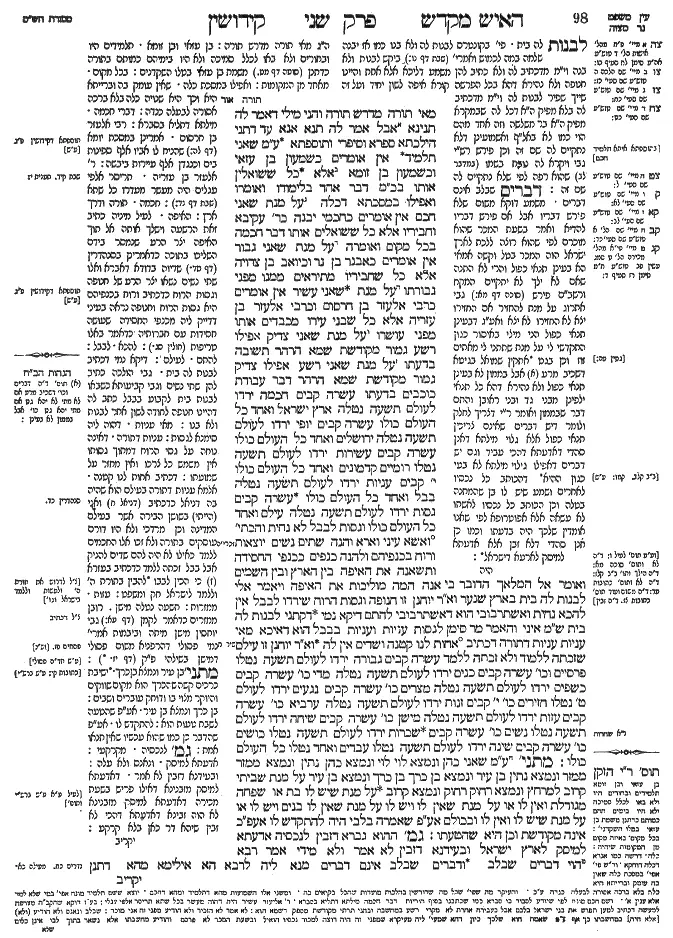
Kiddushin 49b - Guemara
מאי תורה מדרש תורה והני מילי דאמר לה תנינא אבל אמר לה תנא אנא עד דתני הילכתא ספרא וסיפרי ותוספתא ע"מ שאני תלמיד אין אומרים כשמעון בן עזאי וכשמעון בן זומא אלא כל ששואלין אותו בכ"מ דבר אחד בלימודו ואומרו ואפילו במסכתא דכלה על מנת שאני חכם אין אומרים כחכמי יבנה כר' עקיבא וחביריו אלא כל ששואלים אותו דבר חכמה בכל מקום ואומרה על מנת שאני גבור אין אומרים כאבנר בן נר וכיואב בן צרויה אלא כל שחביריו מתיראים ממנו מפני גבורתו על מנת שאני עשיר אין אומרים כרבי אלעזר בן חרסום וכרבי אלעזר בן עזריה אלא כל שבני עירו מכבדים אותו מפני עושרו על מנת שאני צדיק אפילו רשע גמור מקודשת שמא הרהר תשובה בדעתו על מנת שאני רשע אפילו צדיק גמור מקודשת שמא הרהר דבר עבודת כוכבים בדעתו עשרה קבים חכמה ירדו לעולם תשעה נטלה ארץ ישראל ואחד כל העולם כולו עשרה קבים יופי ירדו לעולם תשעה נטלה ירושלים ואחד כל העולם כולו עשרה קבים עשירות ירדו לעולם תשעה נטלו רומיים קדמונים ואחד כל העולם כולו י' קבים עניות ירדו לעולם תשעה נטלה בבל ואחד כל העולם כולו עשרה קבים גסות ירדו לעולם תשעה נטלה עילם ואחד כל העולם כולו וגסות לבבל לא נחית והכתי' (זכריה ה, ט) ואשא עיני וארא והנה שתים נשים יוצאות ורוח בכנפיהם ולהנה כנפים ככנפי החסידה ותשאנה את האיפה בין הארץ ובין השמים ואומר אל המלאך הדובר בי אנה המה מוליכות את האיפה ויאמר אלי לבנות לה בית בארץ שנער וא"ר יוחנן זו חנופה וגסות הרוח שירדו לבבל אין להכא נחית ואשתרבובי הוא דאשתרבובי להתם דיקא נמי דקתני לבנות לה בית ש"מ איני והאמר מר סימן לגסות עניות ועניות בבבל הוא דאיכא מאי עניות עניות דתורה דכתיב (שיר השירים ח, ח) אחות לנו קטנה ושדים אין לה וא"ר יוחנן זו עילם שזכתה ללמוד ולא זכתה ללמד עשרה קבים גבורה ירדו לעולם תשעה נטלו פרסיים וכו' עשרה קבים כנים ירדו לעולם תשעה נטלה מדי כו' עשרה קבים כשפים ירדו לעולם תשעה נטלה מצרים כו' עשרה קבים נגעים ירדו לעולם ט' נטלו חזירים כו' י' קבים זנות ירדו לעולם תשעה נטלה ערביא כו' עשרה קבים עזות ירדו לעולם תשעה נטלה מישן כו' עשרה קבים שיחה ירדו לעולם תשעה נטלו נשים כו' עשרה קבים שכרות ירדו לעולם תשעה נטלו כושים כו' עשרה קבים שינה ירדו לעולם תשעה נטלו עבדים ואחד נטלו כל העולם כולו מתני׳ ע"מ שאני כהן ונמצא לוי לוי ונמצא כהן נתין ונמצא ממזר ממזר ונמצא נתין בן עיר ונמצא בן כרך בן כרך ונמצא בן עיר על מנת שביתי קרוב למרחץ ונמצא רחוק רחוק ונמצא קרוב על מנת שיש לו בת או שפחה מגודלת ואין לו או על מנת שאין לו ויש לו על מנת שאין לו בנים ויש לו או על מנת שיש לו ואין לו ובכולם אע"פ שאמרה בלבי היה להתקדש לו אעפ"כ אינה מקודשת וכן היא שהטעתו גמ׳ ההוא גברא דזבין לנכסיה אדעתא למיסק לארץ ישראל ובעידנא דזבין לא אמר ולא מידי אמר רבא הוי דברים שבלב ודברים שבלב אינם דברים מנא ליה לרבא הא אילימא מהא דתנן
Comments from Rashi on Masechet Kiddushin Page 49b
ה"ג מאי תורה מדרש תורה: בן עזאי ובן זומא . תלמידים היו ובחורים ולא באו לכלל סמיכה ולא היו בימיהם כמותם בתורה כדתנן (סוטה דף מט.) משמת בן עזאי בטלו השקדנים: בכל מקום . מאחד מן המקומות: ואפילו במסכת כלה . שאין עומק בה וברייתא היא וכך היא שנויה כלה בלא ברכה אסורה לבעלה כנדה: בכל מקום . מאחד מן המקומות: דברי חכמה . מילתא דתליא בסברא: רבי אלעזר בן חרסום . אמרינן במסכת יומא (דף לה:) שהניח לו אביו אלף ספינות בים וכנגדן אלף עיירות ביבשה: ר' אלעזר בן עזריה . תריסר אלפי עגלים היה מעשר מעדרו כל שתא (שבת דף נד:): חכמה . תורה ודרך ארץ: האיפה . לעיל מיניה כתיב זאת הרשעה וישלך אותה אל תוך האיפה יצר הרע שנמסר בידם השליכו בתוכה כדאמרינן בסנהדרין (דף סד.) שדיוה בדודא דאברא ואלו שתי נשים נשאו יצר הרע של חנופה וגסות הרוח כדכתיב ורוח בכנפיהם היא גסות הרוח וחנופה נראה בעיני דדייק ליה מכנפי החסידה שעושה חסידות עם חברותיה כדאמר באלו טריפות (חולין סג.): להכא . לבבל: להתם . לעילם: דיקא נמי דכתיב לבנות לה בית . גבי הולכה כתיב להן שתי נשים וגבי קביעותא כשבאו לבנות בית לקבוע בבבל כתב לה דהיינו חנופה לחודה לשון אחר לבנות ולא בנו: מאי עניות . דהוה ליה סימנא לגסות: עניות דתורה . דאינה נוחה על גסי הרוח דמתוך גסותו אין משמש כל צרכו ואין מחזר על שמועתו: דכתיב אחות לנו קטנה . אלמא עניות דתורה בעילם הוא שהיה בה דניאל כדכתיב (דניאל ח) ואני (הייתי) בשושן הבירה אשר בעילם המדינה וכן מרדכי ולא היו דורם עוסקים בתורה ולא זכו אלו החכמים ללמד כאילו לא היה להם שדים להניק אבל בבל זכתה ללמד כדכתיב בעזרא כי הכין לבבו להבין בתורת ה' וללמד לישראל חק ומשפט: עזות . ממזרות: תשעה נטלה מישן . רובן ממזרים כדאמר לקמן (קידושין דף עא:) גבי יוחסין מישן מיתה וביבמות אמרי' נמי פסולי דהרפניא משום פסולי דמישן בשילהי פ"ק (דף יז.): מתני' בן עיר ונמצא בן כרך . ישיבת כרכים קשה שהכרך הוא מקום שווקים והיוקר מצוי בו ודוחק עוברים ושבים: בן כרך ונמצא בן עיר . אע"פ שהטעה לשבח טעות הוא: להתקדש לו . אע"פ שהדבר כן כמו שהוא עכשיו שאין תנאו אמת: גמ' לנכסיה . מקרקעי: אדעתא למיסק . ונאנס ולא עלה: ובעידנא דזבין לא אמר . דאדעתא למיסק מזבנינא דאילו פריש בשעת מכירה דאדעתא למיסק מזבנינא לא הוה זבינא דאדעתא דהכי לא זבין שיהא דר כאן בלא קרקע:
Comments from Tosafot - Kiddushin 49b
לבנות לה בית. פי' בקונטרס לבנות לה ולא בנו כמו אז יבנה שלמה במה לכמוש ואמרי' (שבת דף נו:) ביקש לבנות ולא בנה וי"מ מדכתיב לה ולא כתיב להן משמע דליכא אלא אחת והיינו חנופה ולא נהירא דהא בכל הפרשה קורא איפה לשון יחיד ועל זה שייך שפיר לבנות לה וי"מ מדכתיב לה בלא מפיק ה"א דכל לה שבמקרא מפיק ה"א בר משלשה וזה אחד מהם הוי כמו לא באל"ף ואשמועינן דלא נתקיים לה שם זה וכן פירש רש"י גבי ויקרא לה נובח בשמו (במדבר לב) שהוא רפה לפי שלא נתקיים לה שם זה: דברים שבלב אינם דברים . משמע דוקא משום שלא פירש דבריו אבל אם פירש דבריו להדיא ואמר בשעת המכר שהוא מוכרם לפי שהוא רוצה ללכת לארץ ישראל הוה המכר בטל וקשה אמאי הא בעינן תנאי כפול והרי לא התנה שאם לא ילך לא יתקיים המקח ורשב"ם פירש (סוכה דף מא:) גבי אתרוג על מנת להחזיר אם החזירו יצא לא החזירו לא יצא ואע"ג דבעינן תנאי כפול הני מילי באיסור כגון התקדשי לי על מנת שתתני לי מאתים זוז וכן בגט אתקין שמואל בגיטא דשכיב מרע אבל בממון לא בעינן תנאי כפול ולא נהירא דהא כל תנאי ילפינן מבני גד ובני ראובן והתם דבר שבממון ואומר ר"י דצריך לחלק ולומר דיש דברים שאינם צריכין תנאי כפול אלא גלוי מילתא דאנן סהדי דאדעתא דהכי עביד וגם יש דברים דאפילו גילוי מילתא לא בעי כגון ההיא. דהכותב כל נכסיו לאחרים ושמע שיש לו בן שהמתנה בטלה וכן הכותב כל נכסיו לאשתו לא עשאה אלא אפוטרופא לפי שאנו אומדין שלכך היה בדעתו וכמו כן אנן סהדי דלא זבן אלא אדעתא למיסק לארעא דישראל:
Kiddushin 49b - Mishnah translated into english
What is the meaning of: Torah, that Rabbi Yoḥanan said? It is homiletic interpretation of the Torah. And this statement applies only if he said to her: I study [taneina]. But if he says to her: I am a tanna [tanna ana], she is not betrothed unless he studies halakha, i.e., Mishna, Sifra and Sifrei, and Tosefta.
If a man says to a woman: Be betrothed to me on the condition that I am a student of Torah, one does not say that he must be a student who is scholarly like Shimon ben Azzai or like Shimon ben Zoma, who were called students despite their great knowledge, as they were never ordained. Rather, it means anyone who, when he is asked one matter in any topic of his studies, responds appropriately and can say what he has learned, and this suffices even if his statement was in the tractate of Kalla. Similarly, if a man says to a woman: Be betrothed to me on the condition that I am a scholar, one does not say that he must be like the scholars of Yavne, like Rabbi Akiva and his colleagues. Rather, it is referring to anyone who, when he is asked about a matter of wisdom on any topic related to the Torah, responds appropriately and can say what he has learned.
If a man says to a woman: Be betrothed to me on the condition that I am strong, one does not say that he must be as strong as Abner ben Ner, King Saul’s cousin and general, or as strong as Joab ben Zeruiah, King David’s nephew and general. Rather, it means anyone of whom others are afraid due to his strength. If a man says to a woman: Be betrothed to me on the condition that I am wealthy, one does not say he must be as wealthy as Rabbi Elazar ben Ḥarsom or as wealthy as Rabbi Elazar ben Azarya, but rather it can refer to anyone who is honored by the members of his town due to his wealth.
If one says to a woman: Be betrothed to me on the condition that I am a righteous man, then even if he was a completely wicked man she is betrothed, as perhaps in the meantime he had thoughts of repentance in his mind and is now righteous. Similarly, if one says to a woman: Be betrothed to me on the condition that I am a wicked man, then even if he was a completely righteous man she is betrothed, as perhaps he had thoughts of idol worship in his mind, a serious sin that would earn him the label of wicked.
§ Apropos the discussion with regard to various attributes, the Gemara cites a related statement: Ten kav of wisdom descended to the world; Eretz Yisrael took nine of them and all the rest of the world took one. Ten kav of beauty descended to the world; Jerusalem took nine and all the rest of the world in its entirety took one. Ten kav of wealth descended to the world; Rome took nine and all the rest of the world in its entirety took one. Ten kav of poverty descended to the world; Babylonia took nine and all the rest of the world in its entirety took one. Ten kav of arrogance descended to the world; Eilam took nine and all the rest of the world in its entirety took one.
The Gemara asks: But did arrogance not descend to Babylonia? But isn’t it written: “Then I lifted my eyes and saw, and behold there came forth two women, and the wind was in their wings, for they had wings like the wings of a stork. And they lifted up the measure between the earth and the heaven. Then I said to the angel that spoke with me: ‘To where do they take the measure?’ And he said to me: ‘To build her a house in the land of Shinar’” (Zechariah 5:9–11). And Rabbi Yoḥanan says: This refers to flattery and arrogance that descended to Babylonia, i.e., Shinar. This indicates that arrogance reached Babylonia as well.
The Gemara answers: Yes, it descended to here, to Babylonia, and it made its way to there, to Eilam. The language of the verse is also precise, as it teaches: “To build her a house,” which indicates that the original intention was to build a house in Babylonia, but it was not built there. The Gemara comments: Conclude from it that arrogance did not remain in Babylonia.
The Gemara further asks: Is that so? But didn’t the Master say: A sign of arrogance is poverty, and there is poverty in Babylonia, and not in Eilam. The Gemara answers: To what kind of poverty is this referring? It is poverty with regard to Torah, which was characteristic of Eilam. As it is written: “We have a little sister, and she has no breasts” (Song of Songs 8:8), and Rabbi Yoḥanan said: This refers to Eilam, whose inhabitants merited to learn but did not merit to teach. They did not produce Torah scholars capable of imparting their wisdom to others.
The Gemara returns to its list of endowments of various groups: Ten kav of strength descended to the world; the Persians took nine and the rest of the world took one. Ten kav of lice descended to the world; Media took nine and the rest of the world took one. Ten kav of witchcraft descended to the world; Egypt took nine and the rest of the world took one. Ten kav of plagues descended to the world; pigs, which carry disease, took nine and the rest of the world took one. Ten kav of licentiousness descended to the world; Arabia took nine and the rest of the world took one.
Ten kav of brazenness descended to the world; Meishan, near Babylonia, took nine and the rest of the world took one. Ten kav of conversation descended to the world; women took nine and the rest of the world took one. Ten kav of drunkenness descended to the world; the Kushites took nine and the rest of the world took one. Ten kav of sleep descended to the world; slaves took nine and all the rest of the world in its entirety took one.
MISHNA: If one said to a woman: Be betrothed to me on the condition that I am a priest, and he was found to be a Levite; or if he said: A Levite, and he was found to be a priest; or if he said: Be betrothed to me on the condition that I am a Gibeonite, a people prohibited by rabbinic law from marrying into the congregation, i.e., from marrying a Jew of fit lineage, and he was found to be a mamzer, who is prohibited by Torah law to marry into the congregation; or he said: A mamzer, and he was found to be a Gibeonite; or if he said: Be betrothed to me on the condition that I am a resident of a small town, and he was found to be a resident of a large city; or he said: A resident of a city, and he was found to be a resident of a town; or if he said: Be betrothed to me on the condition that my house is close to the bathhouse, and it was found to be far; or he said: Far from the bathhouse, and it was found to be close, she is not betrothed.
Or if he said that she is betrothed to him on the condition that he has a grown daughter or a maidservant, and he does not have one, or on the condition that he does not have one and he has one; or on the condition that he has no sons, and he has sons, or on the condition that he has sons and he does not have sons, then she is not betrothed. And in all these cases, despite the fact that she later stated: I intended to become betrothed to him nevertheless, whether or not he fulfilled the condition, she is not betrothed. And similarly, if it was she who misled him by making the betrothal conditional upon a statement of hers that turned out to be incorrect, the betrothal will not take effect.
GEMARA: The Gemara relates: There was a certain man who sold his property with the intention of ascending to Eretz Yisrael, but at the time that he sold the property he did not say anything with regard to his intention. Ultimately, he did not ascend to Eretz Yisrael, and he wished to renege on the sale. Rava said: Since he did not explicitly state that he was selling his property on the condition that he ascend to Eretz Yisrael, that is an unspoken matter that remained in the heart, and unspoken matters that remain in the heart are not significant matters. The Gemara asks: From where does Rava learn this principle? If we say it is from that which we learn in a baraita:
Traduction : The William Davidson digital edition of the Koren Noé Talmud, with commentary by Rabbi Adin Even-Israel Steinsaltz.