 Talmud Bavli
The learning on the whole site is dedicated : L'ilui Nishmat Jamila bat Chlomo Abensour
The learning on the whole site is dedicated : L'ilui Nishmat Nissim ben Barukh Malka
The learning on the whole site is dedicated : L'ilui Nishmat Margalit bat Ledicia
Kiddushin 3b : Youtube
Daf TubeYoutube
2 video classes :
Kiddushin Page 3b
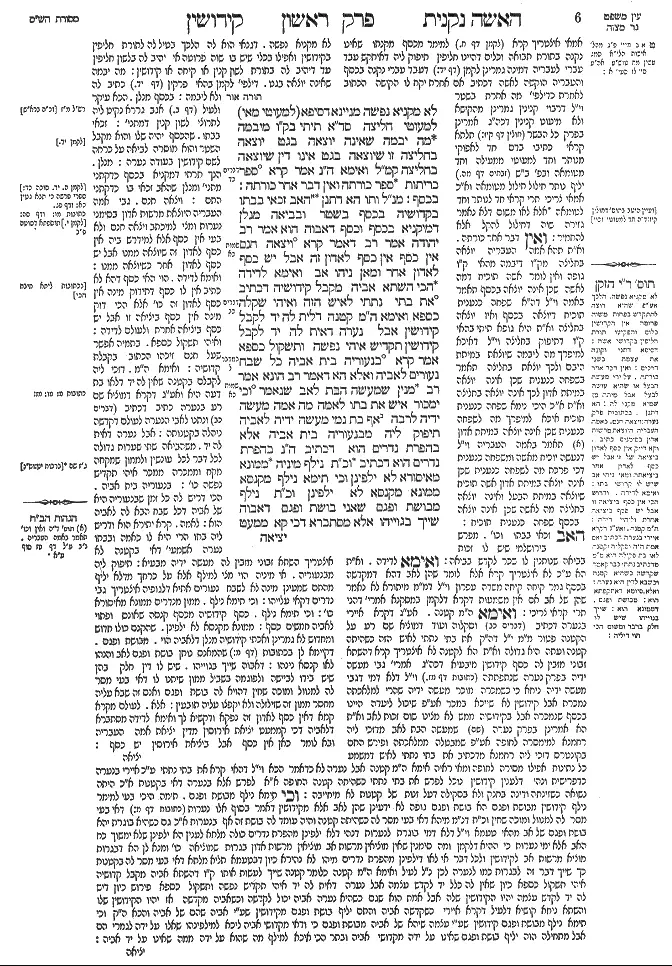
Kiddushin 3b - Guemara
לא מקניא נפשה מניינא דסיפא למעוטי מאי למעוטי חליצה סד"א תיתי בק"ו מיבמה מה יבמה שאינה יוצאה בגט יוצאה בחליצה זו שיוצאה בגט אינו דין שיוצאה בחליצה קמ"ל ואימא ה"נ אמר קרא (דברים כד, א) ספר כריתות ספר כורתה ואין דבר אחר כורתה :
בכסף מנ"ל ותו הא דתנן האב זכאי בבתו בקדושיה בכסף בשטר ובביאה מנלן דמיקניא בכסף וכסף דאבוה הוא אמר רב יהודה אמר רב דאמר קרא (שמות כא, יא) ויצאה חנם אין כסף אין כסף לאדון זה אבל יש כסף לאדון אחר ומאן ניהו אב ואימא לדידה הכי השתא אביה מקבל קידושיה דכתיב (דברים כב, טז) את בתי נתתי לאיש הזה ואיהי שקלה כספא ואימא ה"מ קטנה דלית לה יד לקבל קידושין אבל נערה דאית לה יד לקבל קידושין תקדיש איהי נפשה ותשקול כספא אמר קרא (במדבר ל, יז) בנעוריה בית אביה כל שבח נעורים לאביה ואלא הא דאמר רב הונא אמר רב מנין שמעשה הבת לאב שנאמר (שמות כא, ז) וכי ימכור איש את בתו לאמה מה אמה מעשה ידיה לרבה אף בת נמי מעשה ידיה לאביה תיפוק ליה מבנעוריה בית אביה אלא בהפרת נדרים הוא דכתיב ה"נ בהפרת נדרים הוא דכתיב וכ"ת נילף מיניה ממונא מאיסורא לא ילפינן וכי תימא נילף מקנסא ממונא מקנסא לא ילפינן וכ"ת נילף מבושת ופגם שאני בושת ופגם דאבוה שייך בגוייהו אלא מסתברא דכי קא ממעט
Comments from Rashi on Masechet Kiddushin Page 3b
לא מקניא נפשה . דגנאי הוא לה הלכך בטיל לה לתורת חליפין בקידושין ואפילו בכלי שיש בו שוה פרוטה אי יהיב לה בלשון חליפין עד דיהיב לה בתורת לשון קנין או קיחה או קידושין: מה יבמה שאינה יוצאה בגט . דילפי' לקמן בהאי פרקין (קידושין דף יד.) כתיב לה ולא ליבמה: בכסף מנלן . הכא עיקר ולעיל (קידושין דף ב.) אגב גררא נקיט ליה לתרוצי לשון קנין דמתני': זכאי בבתו . שהכסף יהיה שלו והוא מקבל השטר והוא מוסרה לביאה על כרחה לשם קידושין בעודה נערה: מנלן . הנך תרתי דמקניא בכסף כדקתני מתני' ומנלן שהאב זכאי בו כדקתני התם: ויצאה חנם . גבי אמה העבריה היוצאת מרשות אדון בסימני נערות ומצי למיכתב ויצאה חנם ולא בעי אין כסף אלא למידרש ביה אין כסף לאדון זה שיוצאה ממנו אבל יש כסף לאדון אחר כשיוצאה ממנו: ואימא לדידה . הוי האי כסף דהא לא כתיב אין לו כסף דתידוק מינה אין כסף לאדון זה כו' אלא הכי דוק מינה אין כסף ביציאה זו אבל יש כסף ביציאה אחרת ולעולם לדידה: ואיהי תשקול כספא . בתמיה אפשר שעל חנם זיכהו הכתוב בקבלת קדושיה: ואימא ה"מ . דזכי ליה לקבלם בקטנה שאין לה יד דלאו בת דעה היא ואע"ג דקרא דמוציא שם רע בנערה כתיב דכתיב (דברים כב) ונתנו לאבי הנערה לעולם דקדשה ניהלה בקטנותה: אבל נערה דאית לה יד . משהביאה שתי שערות גדולה לכל דבר לכל עונשין ולממון שמקחה מקח וממכרה ממכר איהי תקדיש נפשה כו': בנעוריה בית אביה . הכי דריש לה כל זמן שבנעוריה היא של אביה דכל שבח הבא לה לאביה הוא: לאמה . קרא יתירא הוא ודריש ליה בתו הרי היא לו כאמה ובבתו נערה אשמעי' דאי בקטנה לא איצטריך השתא זבוני מזבין לה מעשה ידיה מבעיא: תיפוק ליה מבנעוריה . אי מיניה הוי מצי למילף אלא על כרחך מדלא יליף מהתם שמעינן מינה לא לשבח נעורים אתיא דלגופיה איצטריך גבי נדרים דקאי עלייהו: וכי תימא נילף . ממון מנדרים ממונא מאיסורא כו': וכי תימא נילף . כסף קידושיה מכסף קנסה שאונס ופתוי לאביה חמשים כסף: ממונא מקנסא לא ילפינן . שהקנס כולו חידוש ומחידוש לא גמרינן ואכתי קידושיה מנלן דלאביה הוי: מבושת ופגם . דקיימא לן בכתובות (דף מ:) שהמאנס נותן בושת ופגם לאב והנהו לאו קנסא נינהו: דאבוה שייך בגוייהו . שיש לו דין חלק בהן שיש בידו לביישה ולפוגמה בשביל ממון שיתנו לו דאי בעי מסר לה למנוול ומוכה שחין דהויא לה בושת ופגם ואנס זה שבא עליה מחסר ממון זה שזילזלה ולא יקפצו עליה תובעין: אלא . לעולם מקרא קמא דאין כסף לאדון זה נפקא ודקשיא לך ואימא לדידה מסתברא דלאביה דכי קממעט יציאת אירוסין מדין יציאת אמה העבריה ובא לומר כאן אין כסף אבל ביציאת אירוסין יש כסף:
Comments from Tosafot - Kiddushin 3b
ואין דבר אחר כורתה . וא"ת תהא אמה העבריה יוצאה בחליצה מק"ו דיבמה מהאי ק"ו גופה ואין לומר אשה תוכיח דמה לאשה שכן אינה יוצאה בכסף תאמר באמה וי"ל דה"א שפחה כנענית תוכיח דיוצאה בכסף ואין יוצאה בחליצה וא"ת היא גופא תיתי בהאי ק"ו דתיפוק בחליצה וי"ל דאיכא למיפרך מה ליבמה שיוצאת במיתת היבם ולכך יוצאת בחליצה תאמר בשפחה כנענית שכן אינה יוצאה במיתת אדון לכך אינה יוצאה בחליצה וא"ת א"כ היכי נימא שפחה כנענית תוכיח איכא למיפרך מה לשפחה כנענית שכן אינה יוצאה במיתת אדון תאמר באמה העבריה וי"ל דנעשה יוכיח מאשה ומשפחה כנענית דכי פרכת מה לשפחה כנענית שכן אינה יוצאה במיתת אדון אשה תוכיח שיוצאה במיתת הבעל ואינה יוצאה בחליצה מה לאשה שכן אינה יוצאה בכסף שפחה כנענית תוכיח: האב זכאי בבתו וכו' . מפרש בירושלמי שיש לו זכות בביאה שנותנין לו שכר לקדש בביאה: ואימא לדידה . וא"ת הא ע"כ לא איצטריך קרא אלא לומר שהן לאב דהא דמקדשה בכסף גמר קיחה קיחה משדה עפרון וי"ל דמ"מ מיתורא לא נאמר שהן של אב אם אין משמעות דקרא דלקמן במסקנא אמרי' דהני תרי קראי צריכי: ואימא ה"מ קטנה . אע"ג דקרא איירי בנערה דכתיב (דברים כב) וסקלוה ועוד דמוציא שם רע על הקטנה פטור מ"מ י"ל דה"ק את בתי נתתי לאיש הזה כשהיתה קטנה ועתה היא גדולה וא"ת הא לקטנה לא איצטריך קרא דהשתא זבוני מזבין לה כסף קידושין מיבעיא דכה"ג אמרי' גבי מעשה ידיה בפרק נערה שנתפתתה (כתובות דף מז.) וי"ל דלא דמי דגבי מעשה ידיה ניחא כי כשמכרה מוכר מעשה ידיה שהרי למלאכתה נמכרת אבל קידושין לא שייכא במכר אע"פ שיכול ליעדה היינו בכסף שנמכרה אבל בקידושיה ממש לא מצינו שום זכות לאב וא"ת הא אמרינן בפרק נערה (שם) שמעשה הבת לאב מדזכי ליה רחמנא למימסרה לחופה אע"פ שמבטלה ממלאכתה ופירש התם בקונטרס דזכי ליה רחמנא מדכתיב את בתי נתתי לאיש דמשמע כל נתינות אפילו מסירה לחופה ומאי ראיה אימא ה"מ קטנה אבל נערה לא כדאמר הכא וי"ל דהאי קרא את בתי נתתי ע"כ איירי בנערה כדפרישית ונהי דלענין קידושין נוכל לפרש את בתי נתתי כשהיתה קטנה החופה א"א לפרש אלא בנערה דאי בקטנות א"כ היתה נשואה כשזינתה ודינה בחנק ולא בסקילה דעל זנות של קטנות לא מיחייבה: וכי תימא נילף מבושת ופגם . תימה היכי בעי למימר נילף קידושין מבושת ופגם הא בושת ופגם גופה לא ידעינן שהן לאב אלא מקידושין דאמר בסוף אלו נערות (כתובות דף מ:) דאי בעי מסר לה למנוול ומוכה שחין וכ"ת דנ"מ מיהא דאי בעי מסר לה כשהיתה קטנה והיה עומד לה בושת זה אף בנערות א"כ גם כשהיא בוגרת יהא בושת ופגם של אב מהאי טעמא וי"ל דלא דמי בוגרת לנערות דנהי דלא ילפינן מהפרת נדרים כולה מלתא לענין הא ילפינן שלא ימשוך כח האב אלא ימי נערות כי ההיא דלקמן ומה סימנין שאין מוציאין מרשות אב מוציאין מרשות אדון בגרות שמוציאה כו' ומנא לן הא דבגרות מוציא מרשות אב לקידושין ולכל דבר אי לאו דילפינן מהפרת נדרים מיהו לא נהירא כיון דבטעמא תליא מלתא דאי בעי מסר לה בקטנות כך שייך דבר זה לבגרות כמו לנערה לכן נ"ל לעיל ואימא ה"מ קטנה כלומר קטנה שייך לעשות אותו ק"ו דהשתא אביה מקבל קדושיה איהי תשקול כספא כיון שאין לה כלל יד לקדש עצמה אבל נערה דאית לה יד איהי תקדיש נפשה ותשקול כספא פירוש כיון דיש לה יד לקדש עצמה יהיו הקידושין שלה אבל אמת הוא שגם כשהיא נערה אביה יכול לקדשה וכשאביה מקדשה אז יהיו הקידושין שלו והשתא ניחא קושיא דלעיל דקרא איירי כשקדשה אביה והתם יליף בושת ופגם מקידושין שע"י אביה שהם של אביה והכא ה"ק וכי תימא נילף מבושת ופגם קידושין שע"י עצמה שיהא של אביה מבושת ופגם כי ודאי מקדושי אביה ליכא למילפינהו שאלו על ידה לגמרי הם אבל מתחילה הוה יליף בושת ופגם שאינו על ידה מקדושי אביה ובתר הכי איכא למילף מה שהוא על ידה ממה שאינו על יד אביה:
Kiddushin 3b - Mishnah translated into english
does not render herself acquired by a man.
The Gemara asks: The number in the latter clause of the mishna, that a woman acquires herself in two ways, serves to exclude what? The Gemara answers that it serves to exclude ḥalitza, i.e., a woman is not released from marriage through ḥalitza. Without this exclusion it might enter your mind to say that this can be derived through an a fortiori inference from the halakha of a yevama, as follows: Just as a yevama, who is not released from the yavam through a bill of divorce, is nevertheless released from him through ḥalitza, with regard to this married woman, who can be released from her husband through a bill of divorce, is it not logical that she can be released from him through ḥalitza? Therefore, the tanna teaches us that a married woman cannot be released from her husband by means of ḥalitza.
The Gemara asks: And perhaps one should say that so too, this is the case, i.e., a married woman can be released from marriage through ḥalitza. The Gemara answers: The verse states with regard to divorce: “A scroll of severance” (Deuteronomy 24:3), which teaches: A scroll, i.e., a written document, severs her from her husband, and nothing else severs her from him.
§ The mishna teaches that a woman can be acquired with money. The Gemara asks: From where do we derive that a woman can be acquired through money? And furthermore, with regard to that which we learned in a mishna (Ketubot 46b): A father has authority over his daughter with regard to her betrothal, whether it is through money, through a document, or through sexual intercourse, from where do we derive that she is acquired by her husband with money, and that this money is her father’s?
Rav Yehuda said that Rav said: The reason is that the verse states with regard to a Hebrew maidservant acquiring freedom from her master: “Then shall she go out for nothing, without money” (Exodus 21:11). The extraneous phrase: Without money, indicates that there is no money for this master, i.e., in this case the master she leaves loses the money he paid for her, but there is money for a different master, i.e., another master receives money for her when she leaves his authority. And who is the other master who can transfer her to someone else and receives money for her? This is her father.
The Gemara asks: But why not say that this money is given to her? The Gemara rejects this: How can one suggest this? Her father receives her betrothal, i.e., the money or document of betrothal, when he marries her off to her husband, as it is written: “I gave my daughter to this man” (Deuteronomy 22:16), and shall she take the money? Since he is the one who marries her off, he is certainly entitled to the money of her betrothal.
The Gemara asks: But why not say that this halakha applies only when she is a minor girl, as she does not have the power to receive her betrothal. Since she lacks the intellectual capacity, she likewise does not have the legal right to conduct this transaction. But with regard to a young woman, who does have the power to receive her betrothal, as a female older than twelve years is considered an adult, let her betroth herself and take the money. The Gemara answers that the verse states: “Being in her youth, in her father’s house” (Numbers 30:17), which teaches: Any profit she gains in her youth belongs to her father.
The Gemara questions this explanation: But with regard to that which Rav Huna says that Rav says: From where is it derived that the earnings of a daughter, i.e., the profit from her labor, belongs to her father? As it is stated: “And if a man sells his daughter as a maidservant” (Exodus 21:7). This comparison between a daughter and a Hebrew maidservant teaches the following: Just as with regard to a Hebrew maidservant, her earnings belong to her master, so too, with regard to a daughter, her earnings belong to her father. The Gemara now asks: Why does Rav Huna need this derivation? Let him derive this halakha from the verse “being in her youth, in her father’s house,” which indicates that any profit from her earnings as a young woman belongs to her father.
Rather, Rav Huna maintains that that verse is written with regard to the nullification of vows, and it is not referring to the halakhot of acquisition. The Gemara asks: If that is so, then so too, with regard to her betrothal money, one can say that this verse is written only with regard to the nullification of vows and does not apply to betrothal money. And if you would say: Let us derive the halakha of her betrothal money from the halakha of the nullification of vows, i.e., just as a father has the right to nullify his daughter’s vows when she is a young woman, so too, he has rights to her money, this is not possible, as there is a principle: We do not derive monetary matters from ritual matters.
And if you would say: Let us derive this halakha of the betrothal of a young woman from the halakha of fines, as it is stated explicitly in the Torah that a man who rapes a young woman must pay a fine to her father, there is another principle that is applicable here: We do not derive monetary matters from fines, as the imposition of a fine is considered a unique case from which ordinary monetary rights cannot be derived.
And if you would say: Let us derive this halakha from the reimbursements for the humiliation and degradation of a young woman who was raped, which are also given to the father, one can answer that the following distinction applies: Reimbursement for humiliation and degradation are different, as her father has an interest in them. The father has the ability to derive benefit from her humiliation and degradation in other ways, e.g., by marrying her to a man afflicted with boils, which would humiliate her and cause a reduction in her value. Therefore, one cannot derive from the fact that the father receives the reimbursements for the humiliation and degradation of a young woman who was raped that he receives other monies due to her.
Rather, the halakha that a young woman’s betrothal money belongs to her father is derived from the verse: “Then shall she go out for nothing, without money” (Exodus 21:11), as previously stated. As for the question why the money does not belong to her, the Gemara answers that it is reasonable that when the verse excludes another situation and indicates that there is no money for this master but there is money for a different master,
Traduction : The William Davidson digital edition of the Koren Noé Talmud, with commentary by Rabbi Adin Even-Israel Steinsaltz.