 Talmud Bavli
The learning on the whole site is dedicated : L'ilui Nishmat Reuven ben Rivka SEBBAG
The learning on the whole site is dedicated : L'ilui Nishmat Yaakov ben Myriam
The learning on the whole site is dedicated : L'ilui Nishmat Nissim ben Barukh Malka
Kiddushin 7b : Youtube
Daf TubeYoutube
2 video classes :
Kiddushin Page 7b
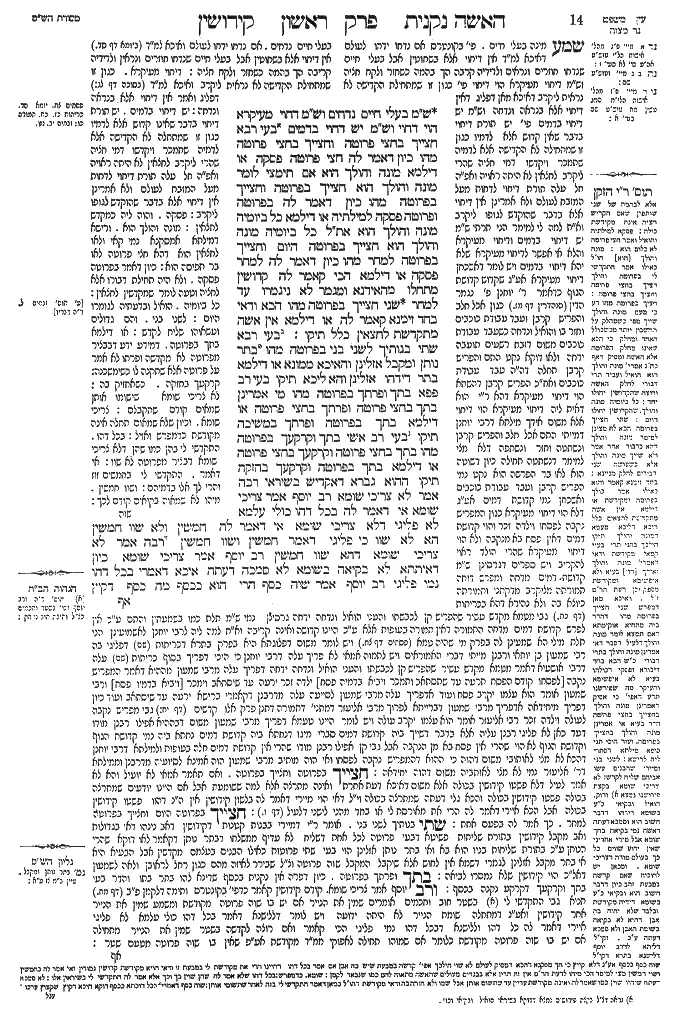
Kiddushin 7b - Guemara
ש"מ בעלי חיים נדחים וש"מ דחוי מעיקרא הוי דחוי וש"מ יש דחוי בדמים בעי רבא חצייך בחצי פרוטה וחצייך בחצי פרוטה מהו כיון דאמר לה חצי פרוטה פסקה או דילמא מונה והולך הוא אם תימצי לומר מונה והולך הוא חצייך בפרוטה וחצייך בפרוטה מהו כיון דאמר לה בפרוטה ופרוטה פסקה למילתיה או דילמא כל ביומיה מונה והולך הוא את"ל כל ביומיה מונה והולך הוא חצייך בפרוטה היום וחצייך בפרוטה למחר מהו כיון דאמר לה למחר פסקה או דילמא הכי קאמר לה קדושין מתחלו מהאידנא ומגמר לא ניגמרו עד למחר שני חצייך בפרוטה מהו הכא ודאי בחד זימנא קאמר לה או דילמא אין אשה מתקדשת לחצאין כלל תיקו :
בעי רבא שתי בנותיך לשני בני בפרוטה מהו בתר נותן ומקבל אזלינן והאיכא ממונא או דילמא בתר דידהו אזלינן והא ליכא תיקו בעי רב פפא בתך ופרתך בפרוטה מהו מי אמרינן בתך בחצי פרוטה ופרתך בחצי פרוטה או דילמא בתך בפרוטה ופרתך במשיכה תיקו בעי רב אשי בתך וקרקעך בפרוטה מהו בתך בחצי פרוטה וקרקעך בחצי פרוטה או דילמא בתך בפרוטה וקרקעך בחזקה תיקו ההוא גברא דאקדיש בשיראי רבה אמר לא צריכי שומא רב יוסף אמר צריכי שומא אי דאמר לה בכל דהו כולי עלמא לא פליגי דלא צריכי שומא אי דאמר לה חמשין ולא שוו חמשין הא לא שוו כי פליגי דאמר חמשין ושוו חמשין רבה אמר לא צריכי שומא דהא שוו חמשין רב יוסף אמר צריכי שומא כיון דאיתתא לא בקיאה בשומא לא סמכה דעתה איכא דאמרי בכל דהו נמי פליגי רב יוסף אמר שוה כסף הרי הוא ככסף מה כסף דקיץ
Comments from Rashi on Masechet Kiddushin Page 7b
בעלי חיים נדחים . אם נדחו ידחו לעולם ואיכא למ"ד (ביומא דף סד.) אין דיחוי אלא בשחוטין אבל בעלי חיים שנדחו חוזרים ונראין ולדידיה קריבה הך בהמה כשחזר ולקח חציה: דיחוי מעיקרא . כגון זו שמתחילת הקדישה לא נראית ליקרב ואיכא למ"ד (בסוכה דף לג:) דפליג ואמר אין דיחוי אלא בנראה ונדחה: יש דיחוי בדמים . יש תורת דיחוי בדבר שאינו קדוש אלא לדמיו כגון זו שמתחלה לא הקדישה אלא לדמיה שתמכר ויקדשו דמי חציה שהרי ליקרב לחצאין לא היתה ראויה ואפ"ה חל עלה תורת דיחוי לדחות מעל המזבח לעולם ולא אמרינן אין דיחוי אלא בדבר שהוקדש לגופו ליקרב: פסקה . והוה ליה כמקדש לחצאין: מונה והולך הוא . ורישא דמילתא אמסקנא נמי קאי ולאו לחצאין הוא דהא חצי פרוטה לאו בר תפיסה הוא: כיון דאמר בפרוטה פסקה . ולא היה תחילת דבורו אלא לחציה וטעה לומר שמקדשין לחצאין: כל ביומיה . הואיל ובדעתיה לגומרו היום: לשני בני . והם גדולים ועשאוהו שליח לקדש: או דילמא בתך בפרוטה . דמידע ידע דבבציר מפרוטה לא מקדשה ופרתו לא אמר על פרוטה אלא שתקנה לו כשימשכנה: קרקעך בחזקה . כשאחזיק בה: לא צריכי שומא . שישומו אותן שמאים קודם שתקבלם: צריכי שומא . וכיון שלא שמאום תחלה אינה מקודשת כדמפרש ואזיל: בכל דהו . התקדשי לי בהן כמו שהן דלא צריכי שומא דבציר מפרוטה לא שוו: אי דאמר . התקדשי לי בחמשים זוז והרי לך אלו בדמיהם: ושוו חמשין . מיהו לא שמאוה בקיאים קודם לכך:
Comments from Tosafot - Kiddushin 7b
שמע מינה בעלי חיים . פי' בקונטרס אם נדחו ידחו לעולם דאיכא למ"ד אין דיחוי אלא בשחוטין אבל בעלי חיים שנדחו חוזרים ונראים ולדידיה קרבה הך בהמה כשחזר ולקח חציה וש"מ דיחוי מעיקרא הוי דיחוי פי' כגון זו שמתחילת הקדישה לא נראית ליקרב דאיכא מאן דפליג דאין דיחוי אלא בנראה ונדחה וש"מ יש דיחוי בדמים פי' יש תורת דיחוי בדבר שאין קדוש אלא לדמיו כגון זו שמתחילה לא הקדישה אלא לדמיה שתמכר ויקדשו דמי חציה שהרי ליקרב לחצאין לא היתה ראויה ואפ"ה חל עלה תורת דיחוי לדחות מעל המזבח לעולם ולא אמרינן אין דיחוי אלא בדבר שהוקדש לגופו ליקרב וא"ת למה לי למימר הני תרתי ש"מ יש דיחוי בדמים ודיחוי מעיקרא והלא אי אפשר לדיחוי מעיקרא שלא יהא דיחוי בדמים ויש לומר דאשכחן דיחוי מעיקרא אע"ג שקדוש קדושת הגוף כדאמר ר' יוחנן פ' נגמר הדין (סנהדרין דף מז.) כגון אכל חלב והפריש קרבן ועבד עבודת כוכבים וחזר בו והואיל ונדחה כשעבד עבודת כוכבים משום דזבח רשעים תועבה ידחה ולאו דוקא נקט התם והפריש קרבן תחלה דה"ה עבד עבודת כוכבים ואח"כ הפריש קרבן דהשתא הוי דיחוי מעיקרא דהא ר"י הוא דאית ליה דיחוי מעיקרא הוי דיחוי אלא משום אידך מילתא דרבי יוחנן דמייתי התם אכל חלב והפריש קרבן ונשתטה וחזר ונשתפה דלא מצי למימר דנשתטה תחילה כיון דשוטה הוא לאו בר הפרשה הוא נקט נמי הפריש קרבן ועבד עבודת כוכבים ואשכחן נמי קדושת דמים אע"ג דלא הוי דיחוי מעיקרא כגון המפריש נקבה לפסחו וילדה זכר והוי קדושת דמים דאין פסח בא מנקבה ולא הוי דיחוי מעיקרא שהרי הולד ראוי להקריב ויש ספרים דגרסינן ש"מ קדושת דמים מדחה ומפרש דוחה תמורתה מליקרב מדקתני ותמורתה כיוצא בה ולא נהירא דהא בכריתות (דף כח.) גבי מטמא מקדש עשיר שהפריש קן לכבשתו והעני הואיל ונדחה ידחה גרסינן נמי ש"מ תלת כמו בשמעתין והתם ע"כ אין לפרש קדושת דמים מדחה התמורה דאין תמורה בעופות אלא ע"כ היינו קדושה ואינה קריבה וא"ת למה ליה לרבי יוחנן לאשמועינן הני תלת מילי הא שמעינן לה בפרק מי שהיה טמא (פסחים דף צח.) ויש לומר משום דפלוגתא היא בפרק בתרא דכריתות (שם) דפליגי בה רבי שמעון בן יוחאי ורבנן מייתי דברי האמוראים ויש לתמוה אמאי לא פריך עלה דרבי יוחנן כי היכי דפריך בסוף כריתות (שם) עלה דרבי אושעיא דאמר מטמא מקדש עשיר שהפריש קן לכבשתו והעני הואיל ונדחה ידחה דפריך עלה מרבי שמעון מההיא דאמר המפריש נקבה [לפסחו קודם הפסח תרעה עד שתסתאב ותמכר ויביא בדמיה פסח] ילדה זכר ירעה עד שיסתאב וימכר [ויביא בדמיו פסח] ורבי שמעון אומר הוא עצמו יקרב פסח ועוד אדפריך עלה מרבי שמעון לסייעה עלה מדרבנן דקאמרי ברישא ירעה עד שיסתאב ועוד כיון דפריך מיחידאה אדפריך מרבי שמעון דברייתא לפרוך מרבי אליעזר דמתני' דתמורה דתנן פרק אלו קדשים (דף יח:) גבי מפריש נקבה לעולה וילדה זכר רבי אליעזר אומר הוא עצמו יקרב עולה ויש לומר היינו טעמא דפריך מרבי שמעון משום דבההיא אפילו רבנן מודו דעד כאן לא פליגי רבנן עליה אלא בדבר דשייך ביה קדושת דמים סברי מיגו דנחתא ביה קדושת דמים נחתא ביה נמי קדושת הגוף וקדושת הגוף לא הוי שהרי אין פסח בא מן הנקבה אבל גבי קן אפילו רבנן מודו שהרי אין קדושת דמים חלה בעופות ולמילתא דרבי יוחנן דהכא לא מצי לאותובי משום דהוה כי ההוא דהמפריש נקבה לפסחו ואי הוה מותיב מרבי שמעון הוה אמינא לסיועיה מדרבנן וממילתא דר' אליעזר נמי לא מצי לאותביה משום דהוה יחידאה: חצייך בפרוטה וחצייך בפרוטה . ואם תאמר אמאי לא יועיל והא לא אמר לעיל דלא פשטו קידושין בכולה אלא משום דאיכא דעת אחרת ואינה מתרצה אלא למה ששומעת אבל אם היינו יודעים שמתרצה בכולה פשטו קידושין בכולה והכא גלי דעתה שמתרצה בכולה וי"ל דאי הוי מיירי דאמר לה בלשון קידושין אין ה"נ דהוו פשטו קידושין בכולה אבל הכא איירי דאמר לה הרי את מאורסת לי או בחד מהני לישני דלעיל (קידושין דף ו.): חצייך בפרוטה היום וחצייך בפרוטה למחר . כך אמר לה בפעם אחת: שתי בנותיך לשני בני . אומר ר"י דמיירי בבנות קטנות דקידושין דאב נינהו דאי בגדולות ואב מקבל קידושין בתורת שליחות פשיטא דבעי פרוטה לכל אחת דשליח לא עדיף ממשלחו דבתר נותן דקאמר לאו דוקא שהרי הנותן ע"כ בתורת שליחות בניו הוא בא ואי בתר נותן אזלינן הוי בעי שתי פרוטות כאילו הבנים בעצמם מקדשין אבל הבעיא היא אי בתר מקבל אזלינן לגמרי דשמא אין לחוש אלא שיקבל המקבל שוה פרוטה וצ"ל שבירר לאיזה מהם כגון רחל לראובן ולאה לשמעון דאל"כ הוי קידושין שלא נמסרו לביאה: בתך ופרתך בפרוטה . כיון דפרה אין נקנית בכסף שדינא להו בתר בתו והדר בעי בתך וקרקעך דקרקע נקנה בכסף: ורב יוסף אמר צריכי שומא . קודם קידושין קאמר כדפי' בקונטרס ותימה דלקמן פ"ב (קידושין דף מח.) תניא גבי התקדשי לי בשטר חוב וחכמים אומרים שמין את הנייר אם יש בו שוה פרוטה מקודשת ומשמע שמין את הנייר אחר קידושין ואע"ג דמתחלה שומת הנייר לא היתה ידועה ויש לומר דללישנא דאמר בכל דהו כולי עלמא לא פליגי איירי דאמר לה כל דהו וללישנא דבכל דהו נמי פליגי הכי קאמר ואם רוצה לקדשה בשטר שמין את הנייר מתחילה אם יש בו שוה פרוטה מקודשת כלומר אם שמוהו תחילה לאפוקי ממ"ד מקודשת אע"פ שאין בו שוה פרוטה מטעם שטר:
Kiddushin 7b - Mishnah translated into english
Conclude from it that living things can be permanently deferred. Not only an offering that has already been slaughtered, but also a living animal that has been separated as an offering for which it is disqualified, is permanently deferred from being sacrificed on the altar. Likewise here, when he consecrated only half of it, the animal cannot be offered and is rejected. This ruling is in opposition to the claim that only slaughtered animals are permanently rejected.
And furthermore, learn from it that deferral at the outset, i.e., a condition disqualifying the animal from being sacrificed that was present when the animal was first consecrated, is considered a permanent deferral. One does not say that the halakha of deferral applies only to an animal that was eligible to be sacrificed at the time it was consecrated and later was deferred. And learn from it that there is deferral not only with regard to an offering itself, but also with regard to monetary value, i.e., deferral applies even to an animal whose value was consecrated. In this case, half of an animal is not consecrated to be sacrificed as an offering, and yet it can still be permanently deferred from the altar.
§ Rava raises a dilemma: If a man says to a woman: Half of you is betrothed with half of one peruta, and half of you with half of one peruta, what is the halakha? Does one say that since he said to her: Half of one peruta, he has divided his statement? In other words, by specifying half of one peruta he intended the betrothal to be performed in two stages, with one half-peruta for each stage, and half of one peruta does not effect betrothal. Or perhaps he was counting toward the full sum of the betrothal money, and intends for the betrothal to take effect at one time.
And if you say that in that case it is considered as though he were counting, then if he said to her: Half of you is betrothed with one peruta and half of you with one peruta, what is the halakha? Does one say that since he said to her: With one peruta and one peruta, he divided his statement and intended to betroth her two halves separately, and one cannot betroth half a woman? Or perhaps anything that he does on that day is considered as if he were counting, i.e., since he intended to complete the action that day it is as though she were betrothed with two perutot.
And if you say that everything he does on that day is considered as if he were counting, then if he said to her: Half of you is betrothed with one peruta today, and half of you is betrothed with one peruta tomorrow, what is the halakha? Does one say that since he said to her: Tomorrow, he has divided his statement, which prevents the days from being combined, or perhaps this is what he is saying to her: The betrothal begins from now, and it will not be completed until tomorrow.
Rava further inquires: If he said to her: Your two halves are betrothed with one peruta, what is the halakha? Here, he certainly spoke to her at one time, i.e., he did not divide his statement into two, and therefore it should be a valid betrothal, or perhaps a woman may not be betrothed in halves at all. No resolution was found for any of these questions, and therefore the Gemara says that the dilemmas shall stand unresolved.
Rava raises another dilemma. If one man said to another: Let your two daughters be betrothed to my two sons with one peruta, what is the halakha? The Gemara explains the two sides of the dilemma: Do we follow the giver and recipient, and as the giver bestows one peruta and the recipient receives one peruta there is money here, since one peruta is considered money and therefore the betrothal is valid. Or perhaps we follow them, i.e., those affected by the issue, in this case the sons and the daughters, and there is not one peruta for each of these individuals, and therefore the betrothal is not valid? This problem is also left unanswered, and therefore the Gemara says that the dilemma shall stand unresolved.
Rav Pappa raises a dilemma: If one man said to another: I hereby acquire your daughter and your cow with one peruta, what is the halakha? Do we say that he meant: Your daughter should be betrothed with half of one peruta and your cow purchased with half of one peruta? In that case neither the betrothal nor the acquisition take effect. Or perhaps he meant: Your daughter should be betrothed with one peruta and your cow should be acquired by pulling? No satisfactory answer was found in this case either, and the Gemara says that the dilemma shall stand unresolved.
Rav Ashi raises a dilemma: If he said: I hereby acquire your daughter and your land with one peruta, what is the halakha? Does this mean: Your daughter should be betrothed with half of one peruta and your land should be acquired with half of one peruta? Or perhaps it means: Your daughter should be betrothed with one peruta and your land should be acquired through the act of taking possession? This question is also left unanswered, and the Gemara again says that the dilemma shall stand unresolved.
§ The Gemara relates: There was a certain man who betrothed a woman with silk [beshira’ei] garments. Rabba said: An appraisal of the value of the garments is not necessary, as they are certainly worth more than one peruta. Rav Yosef said: An appraisal of the value of the garments is necessary, and as the man did not determine the value of the silk garments before the betrothal, the betrothal is invalid. The Gemara comments: If he said to her that she should become betrothed to him by any amount, regardless of the value of the silk garments, everyone agrees that the garments do not require appraisal, as they are undoubtedly worth more than one peruta.
Conversely, if he said to her that they are worth fifty dinars, and they are not worth fifty dinars, then everyone agrees that the betrothal is not valid, as they are not worth the amount he specified. They disagree when he said that they are worth fifty dinars, and in actuality they are worth fifty dinars. Rabba said: An appraisal of the value of the garments is not necessary before the betrothal, as they are worth fifty dinars. Rav Yosef said: An appraisal of the value of the garments is necessary, because the woman herself is not an expert in appraisal and she does not rely on his assessment. Since she is unsure if the garments are actually worth fifty dinars as he claimed, she does not agree to be betrothed.
There are those who say that even in a case where he says to her: Be betrothed to me with these silk garments, whatever they are worth, the amora’im disagree with regard to the halakha. The reason for the dispute in this case is as follows. Rav Yosef said: An item worth money is like money in every way. Just as money is set, i.e., it has a clearly defined value,
Traduction : The William Davidson digital edition of the Koren Noé Talmud, with commentary by Rabbi Adin Even-Israel Steinsaltz.