 Talmud Bavli
The learning on the whole site is dedicated : L'ilui Nishmat Avraham Ben Simha
The learning on the whole site is dedicated : L'ilui Nishmat רינה בת לדיסיה
The learning on the whole site is dedicated : For the success of Elyahou ben H'anna & family
Shabbat 66b : Youtube
Daf TubeYoutube
3 video classes :
Shabbat Page 66b
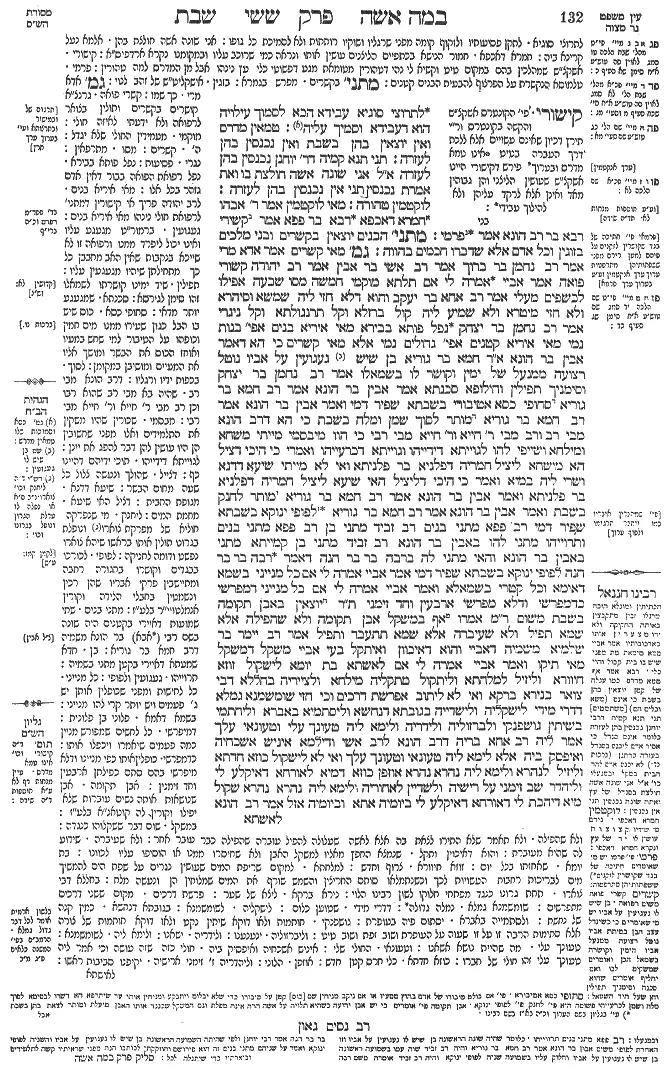
Shabbat 66b - Guemara
לתרוצי סוגיא עבידא הכא לסמוך עילויה הוא דעבידא וסמיך עליה:
טמאין מדרס ואין יוצאין בהן בשבת ואין נכנסין בהן לעזרה:
תני תנא קמיה דר' יוחנן נכנסין בהן לעזרה א"ל אני שונה אשה חולצת בו ואת אמרת נכנסין תני אין נכנסין בהן לעזרה:
לוקטמין טהורה:
מאי לוקטמין אמר ר' אבהו חמרא דאכפא רבא בר פפא אמר קשירי רבא בר רב הונא אמר פרמי:
מתני׳ הבנים יוצאין בקשרים ובני מלכים בזוגין וכל אדם אלא שדברו חכמים בהווה:
גמ׳ מאי קשרים אמר אדא מרי אמר רב נחמן בר ברוך אמר רב אשי בר אבין אמר רב יהודה קשורי פואה אמר אביי אמרה לי אם תלתא מוקמי חמשה מסו שבעה אפילו לכשפים מעלי אמר רב אחא בר יעקב והוא דלא חזי ליה שמשא וסיהרא ולא חזי מיטרא ולא שמיע ליה קול ברזלא וקל תרנגולתא וקל ניגרי אמר רב נחמן בר יצחק נפל פותא בבירא מאי איריא בנים אפי' בנות נמי מאי איריא קטנים אפי' גדולים נמי אלא מאי קשרים כי הא דאמר אבין בר הונא א"ר חמא בר גוריא בן שיש געגועין על אביו נוטל רצועה ממנעל של ימין וקושר לו בשמאלו אמר רב נחמן בר יצחק וסימניך תפילין וחילופא סכנתא אמר אבין בר הונא אמר רב חמא בר גוריא סחופי כסא אטיבורי בשבתא שפיר דמי ואמר אבין בר הונא אמר רב חמא בר גוריא מותר לסוך שמן ומלח בשבת כי הא דרב הונא מבי רב ורב מבי ר' חייא ור' חייא מבי רבי כי הוו מיבסמי מייתי משחא ומילחא ושייפי להו לגוייתא דידייהו וגוייתא דכרעייהו ואמרי כי היכי דציל הא מישחא ליציל חמריה דפלניא בר פלניתא ואי לא מייתי שיעא דדנא ושרי ליה במיא ואמר כי היכי דליציל האי שיעא ליציל חמריה דפלניא בר פלניתא ואמר אבין בר הונא אמר רב חמא בר גוריא מותר לחנק בשבת ואמר אבין בר הונא אמר רב חמא בר גוריא לפופי ינוקא בשבתא שפיר דמי רב פפא מתני בנים רב זביד מתני בן רב פפא מתני בנים ותרוייהו מתני להו באבין בר הונא רב זביד מתני בן קמייתא מתני באבין בר הונא והאי מתני לה ברבה בר בר חנה דאמר רבה בר בר חנה לפופי ינוקא בשבתא שפיר דמי אמר אביי אמרה לי אם כל מנייני בשמא דאימא וכל קטרי בשמאלא ואמר אביי אמרה לי אם כל מנייני דמפרשי כדמפרשי ודלא מפרשי ארבעין וחד זימני ת"ר יוצאין באבן תקומה בשבת משום ר"מ אמרו אף במשקל אבן תקומה ולא שהפילה אלא שמא תפיל ולא שעיברה אלא שמא תתעבר ותפיל אמר רב יימר בר שלמיא משמיה דאביי והוא דאיכוון ואיתקל בעי אביי משקל דמשקל מאי תיקו ואמר אביי אמרה לי אם לאשתא בת יומא לישקול זוזא חיוורא וליזיל למלחתא וליתקול מתקליה מילחא ולצייריה בחללא דבי צואר בנירא ברקא ואי לא ליתוב אפרשת דרכים וכי חזי שומשמנא גמלא דדרי מידי לישקליה ולישדייה בגובתא דנחשא וליסתמיא באברא וליחתמי בשיתין גושפנקי ולברזוליה ולידריה ולימא ליה טעונך עלי וטעונאי עלך אמר ליה רב אחא בריה דרב הונא לרב אשי ודילמא איניש אשכחיה ואיפסק ביה אלא לימא ליה טעונאי וטעונך עלך ואי לא לישקול כוזא חדתא וליזיל לנהרא ולימא ליה נהרא נהרא אוזפן כוזא דמיא לאורחא דאיקלע לי וליהדר שב זימני על רישיה ולשדיין לאחוריה ולימא ליה נהרא נהרא שקול מיא דיהבת לי דאורחא דאיקלע לי ביומיה אתא וביומיה אזל אמר רב הונא
Comments from Rashi on Masechet Shabbat Page 66b
לתרוצי סוגיא . לתקן פסיעותיו ולזקוף קומה מפני שרגליו ושוקיו רותתות ולא לסמיכת כל גופו: אני שונה אשה חולצת בהן . אלמא נעל קרינא ביה: חמרא דאכפא . חמור הנישא בכתפיים הליצנים עושין אותו ונראה כמי שרוכב עליו ובמקומנו נקרא ארדפיס"א: קישורי . אשקצ"ש שמהלכין בהם במקום טיט וקשיא לי נהי דטהורין מטומאת מגע דפשוטי כלי עץ נינהו אבל מן המדרס למה טהורין: פרמי . טלמוסא הנקשרת על הפרצוף להבעית הבנים קטנים: מתני' בקשרים . מפרש בגמרא: בזגין . אישקליט"ש של זהב לנוי: גמ' אדא מרי . כך שמו: קשרי פואה . גרנצ"א קושרים בקשרים ותולין בצואר לרפואה ולא ידעתי לאיזה חולי: מוקמי . מעמידין החולי שלא יגדל: ה' . קשרים: מסו . מתרפאין: נגרי . פסיעות: נפל פותא בבירא . נפל רפואת הפואה בבור דאין אדם נזהר בכל אלו: מאי איריא בנים . לרב יהודה פריך אי קישורין דמתני' לרפואת חולי נינהו מאי איריא בנים: געגועין . ברמור"ט מגעגע עליו ואינו יכול ליפרד ממנו ורפואה זו לא שייכא בנקבות שאין האב מחבבן כל כך מתחילתן שיהיו מגעגעין עליו: תפילין . שיד ימינו קושרתו לשמאלו זהו סימן לגירסא: סכנתא . שמגעגע יותר מדאי: סחופי כסא . כוס שיש בו הבל כגון שעירו ממנו מים חמין וכופהו על הטיבור למי שחש במעיו ואוחז הכוס את הבשר ומושך אליו את המעיים ומושיבן במקומן: לסוך . בכפות ידיו ורגליו: דרב הונא מבי רב . שהיה בא מבי רב שהוא רבו וכן רב מבי ר' חייא ור' חייא מבי רבי: מבסמי . שכורין שהיו משקין את התלמידים ואלו מפני שחשובין הן היו עושין להן דבר להפג את יינן: לגוייתא דידייהו . תוכי ידיהם דהיינו כף: דצייל . שהולך ונעשה צלול כל שעה מחום הבשר: שיעא דדנא . מגופת החבית: דציל האי שיעא . מחמת המים: ליחנק . מי שנפרקה חוליא של מפרקת צוארו ונופלת בגרונו תולין אותו בראשו שיהא צוארו נפשט ודומה לחניקה: לפופי . לכורכו בבגדים וקושרו בחגורה רחבה ומתיישבין פרקי אבריו שהן רכין ונשמטין בחבלי הלידה וקורין אנמלטויי"ר בלע"ז: מתני בנים . שתי שמועות דאיירי בקטנים היה שונה בשם רבי (אבא) בר הונא משמיה דרב חמא בר גוריא: בן . חדא שמעתא דאיירי בקטן מתני בשמיה: תרוייהו . געגועין ולפופי: כל מנייני . כל לחישות ומפני שכופלין אותן יש ג' פעמים ויש יותר קרי להו מנייני: בשמא דאמא . פלוני בן פלונית: דמיפרשי . כל לחשים שמפורש מניין כמה פעמים שיאמרו ויכפלו אותו: כדמפרשי . כופלין אותו כפי מניינו ודלא מיפרשי בהם סתם כפילתן ארבעין וחד זימנין: אבן תקומה . אבן שנושאות אותה נשים עוברות שלא יפילו וקורין לה קוטאנ"א בלע"ז: במשקל . שום דבר ששקלוהו כנגדה: ולא שהפילה . ולא תאמר שלא התירו לצאת בה אלא לאשה שעלולה להפיל עוברה שהפילה כבר עובר אחר: ולא שעיברה . שידוע לה שהיא מעוברת: והוא דאיכוין ותקל . שנמצא החפץ מאליו למשקל האבן ולא שחיסרו ממנו או הוסיפו עליו לכוונו: בת יומא . שאחזתו בכל יום: זוזא חיוורא . צרוף וחדש: למלחתא . למקום שריפת המים שעושין נגרים על שפת הים להמשיך מים לבריכות רחבות העשויות לכך וכשנתמלאו סותם החריצין והשמש שורף את המים שמלוחין הן ונעשה מלח: בחללא דבי צוארו . תחת גרונו כנגד מפתחי חלוקו לשון רבינו הלוי: נירא ברקא . ליצא של שער: פרשת דרכים . מקום ששני דרכים מתפרשים: שומשמנא גמלא . נמלה גדולה: דדרי מידי . שטוען כלום: לישקליה . לשומשמנא: בגובתא דנחשא . כמין קנה של נחשת: ולסתמייה באברא . יסתום פיה בעופרת: גושפנקי . חותמות ולאו דוקא שיתין נקט ולאו דוקא חותמות של צורה אלא סתימות הרבה זו על זו שעוה על העופרת ושוב זפת ושוב טיט: וליברזוליה . ינענענו: ולידריה . ישאנו: ולימא ליה . לשומשמנא: טעונך עלי . מה שהיית נושא אשאנו: וטעונאי . החולי שלי: איניש אשכחיה ואיפסיק ביה . חולי כזה שזה עושה וכי אמר ליה טעונך עלי זהו חולי של חברו: כוזא חדתא . כלי חרס קטן חדש: אוזפן . הלוני: וליהדריה ז' זימני ארישיה . יקיפנו סביבות ראשו:
Comments from Tosafot - Shabbat 66b
קישורי . פי' הקונטרס אשקצ"ש והקשה בקונטרס ור"י תירץ דכיון שאינם עשויים אלא ללכת דרך העברה בטיט אינו טמא מדרס ובערוך פירש דקישורי היינו אשקצ"ש שעושין הליצני והן גבוהין מאד ואינן אלא לרקד עליהן ולא להילוך עבידי:
Shabbat 66b - Mishnah translated into english
it is made merely to align his steps and straighten his posture. He does not completely lean all his weight on it. Here, in the case of a wooden leg, it is made to lean on, and in fact he leans all his weight on it.
It was taught in the mishna that the supports of a zav and his chair are subject to ritual impurity imparted by treading, and one may not go out with them on Shabbat, and one may not enter into the Temple courtyard with them.
The tanna, who recited mishnayot before Rabbi Yoḥanan, taught the opposite halakha in the mishna: One may enter into the Temple courtyard with them.
Rabbi Yoḥanan said to him: I teach that a woman may perform ḥalitza with this support, as it has the legal status of a shoe in every sense, and you say that one may enter the Temple courtyard? Teach the mishna in the following manner: One may not enter into the Temple courtyard with them.
We learned in the mishna that loketamin are pure. The Gemara asks: What are loketamin? Rabbi Abbahu said: They are wooden toys in the shape of a donkey one carried on the shoulders, creating the impression that the donkey is riding him. Rava bar Pappa said: They are stilts used to avoid getting dirty when walking in mud or for amusement. Rava bar Rav Huna said: They are masks [peramei].
MISHNA: Young boys may go out on Shabbat with knots as a folk remedy and princes with bells. And any person is permitted to go out on Shabbat with those objects; however, the Sages spoke in the present, addressing situations that were prevalent.
GEMARA: We learned in the mishna that young boys may go out on Shabbat with knots. The Gemara asks: What are these knots? Adda Mari said that Rav Naḥman bar Barukh said that Rav Ashi bar Avin said that Rav Yehuda said: They are garlands of the madder plant that are tied for their medicinal qualities.
Abaye said: Mother, actually his foster mother, said to me about the healing properties of madder: Three garlands maintain the illness at its present state and prevent it from worsening, five garlands heal the illness, and seven are effective even against sorcery.
Rav Aḥa bar Ya’akov said: And that benefit provided by the madder plant is specifically in a case where one on whom the knots were tied does not look at the sun and the moon, and does not see rain, and hears neither the sound of clanging iron, nor the sound of the hen, nor the sound of footsteps. Rav Naḥman bar Yitzḥak said: If that is the case, the remedial powers of the madder fell in a pit, i.e., if so many conditions exist, for all intents and purposes it provides no benefit at all.
The Gemara asks: If these knots in the madder plant have remedial qualities, why specifically were boys mentioned in the mishna? Even girls can benefit from the cure as well. By the same token, why specifically were young boys mentioned in the mishna? Even adults can benefit from the cure as well.
Rather, what are these knots? Like that which Avin bar Huna said that Rav Ḥama bar Gurya said: A son who has longings for his father and has a difficult time leaving him, the father takes a strap from the right shoe and ties it on the boy’s left arm as a talisman to help the child overcome his longings. These feelings are more common in small children and especially in boys for their fathers, as fathers were more involved in raising their sons than they were in raising their daughters. Therefore, the Sages allowed specifically young boys to go out with these knots. With regard to this practice, Rav Naḥman bar Yitzḥak said: And your mnemonic for where to tie the strap is phylacteries, which are tied by the right hand on the left arm. And the opposite, tying the strap from the left shoe onto his right arm, is dangerous because it will exacerbate his longings.
On the topic of the use of various forms of healing and medicinal practices and their permissibility on Shabbat, the Gemara cites additional statements by that Sage on these topics. Avin bar Huna said that Rav Ḥama bar Gurya said: With regard to overturning an empty cup in which there had been hot water and placing it on one’s navel for healing purposes on Shabbat, he may well do so.
And Avin bar Huna said that Rav Ḥama bar Gurya said: It is permissible to smear oil and salt on oneself on Shabbat.
As in this case of Rav Huna, who departed from the house of Rav, and Rav, who departed from the house of Rabbi Ḥiyya, and Rabbi Ḥiyya, who departed from the house of Rabbi Yehuda HaNasi, when they were drunk, the rabbi would bring oil and salt and rub them on the palms of their hands and the soles of their feet and say: Just as this oil is clear, so let the wine of so-and-so, son of so-and-so, his mother, become clear. In other words, let them become sober. And if he could not bring oil and salt, or if they did not work, he would bring the sealing clay of a barrel and soak it in water and say: Just as this sealing clay is clear, so let the wine of so-and-so, son of so-and-so, become clear.
And Avin bar Huna said that Rav Ḥama bar Gurya said: It is permitted to strangle, i.e., tightly bandage the neck of one whose vertebra was dislocated in order to reset it, on Shabbat.
And Avin bar Huna said that Rav Ḥama bar Gurya said: With regard to tightly swaddling a baby born on Shabbat in order to align any limbs that may have been dislocated in birth, one may well do so.
There were different versions with regard to the halakhot of Avin bar Huna. Rav Pappa taught two halakhot with regard to children in his name and Rav Zevid taught one halakha with regard to a child in his name. The Gemara explains: Rav Pappa taught two halakhot with regard to children, and he taught both of them in the name of Avin bar Huna, i.e., the halakha with regard to knots and the halakha with regard to swaddling. Rav Zevid taught one halakha with regard to a child. The first, with regard to knots, he taught in the name of Avin bar Huna. And this, with regard to swaddling, he taught in the name of Rabba bar bar Ḥana, as Rabba bar bar Ḥana said: With regard to tightly swaddling a baby on Shabbat, one may well do so.
The Gemara cites additional statements said by Abaye in the name of the woman who raised him with regard to remedies. Abaye said, Mother said to me: All incantations that are repeated are intoned using the name of the mother of the one requiring the incantation, and all knots tied for the purpose of healing are tied on the left.
And Abaye said, Mother said to me: All incantations for which the number of times they must be intoned is specified, one recites them as they are specified; and those for which the number of times they must be intoned is not specified, one recites them forty-one times.
The Sages taught in a baraita: One may go out with a preservation stone, which prevent miscarriages, on Shabbat. They said in the name of Rabbi Meir that one may go out even with the counterweight of a preservation stone; i.e., a stone or another object that was weighed against and found equivalent to the weight of the preservation stone, which is also effective. And this leniency applies not only to a woman who miscarried in the past and is concerned that she may miscarry again; rather, it applies even to a woman who never miscarried and is concerned lest she miscarry for the first time. And it applies not only to a woman who is aware that she is pregnant; rather, it applies even if a woman suspects that she may become pregnant and miscarry. Rav Yeimar bar Shelamya said in the name of Abaye: And this applies only when he happened upon an object that was found equal to the preservation stone when he weighed it against that stone, not when one alters the object to equal the weight of the preservation stone. Abaye raised a dilemma: With regard to a counterweight to the counterweight, i.e., one who finds an object and determines its weight by weighing it against the counterweight of the preservation stone, what is its legal status? May a woman go out into the public domain with it? The Gemara concludes: Let this dilemma stand unresolved.
And Abaye said, Mother said to me: To heal a fever of one day, let one take a pale, i.e., newly minted, dinar and go to the salt pools, and weigh its weight in salt against it, and let him bind the salt to the opening of the neckline of his garment with a thread made of hair.
And if this remedy is not effective, let him sit at a crossroads, and when he sees a large ant carrying something, he should take the ant and place it in a copper tube, and close it with lead, and seal it with sixty seals, and shake it, and lift it, and say to it: Your burden is upon me and my burden, my fever, is upon you. Rav Aḥa, son of Rav Huna, said to Rav Ashi: And perhaps a different person already found this ant and used this remedy to end his illness. In that case, by accepting the burden of the ant, he is bringing another’s illness upon himself. Rather, let him say to the ant: My burden and your burden are upon you.
And if that remedy is not effective, let him take a new jug, and go to the river, and say to it: River, river, lend me a jug of water for a guest who happened to come to me. And let him turn it around his head seven times, and pour out the water behind him, and say to it: River, river, take back the water that you gave me because the guest who happened to come to me came on its day and left on its day.
Rav Huna said:
Traduction : The William Davidson digital edition of the Koren Noé Talmud, with commentary by Rabbi Adin Even-Israel Steinsaltz.