 Talmud Bavli
Shabbat 64b : Youtube
Daf TubeYoutube
3 video classes :
Shabbat Page 64b
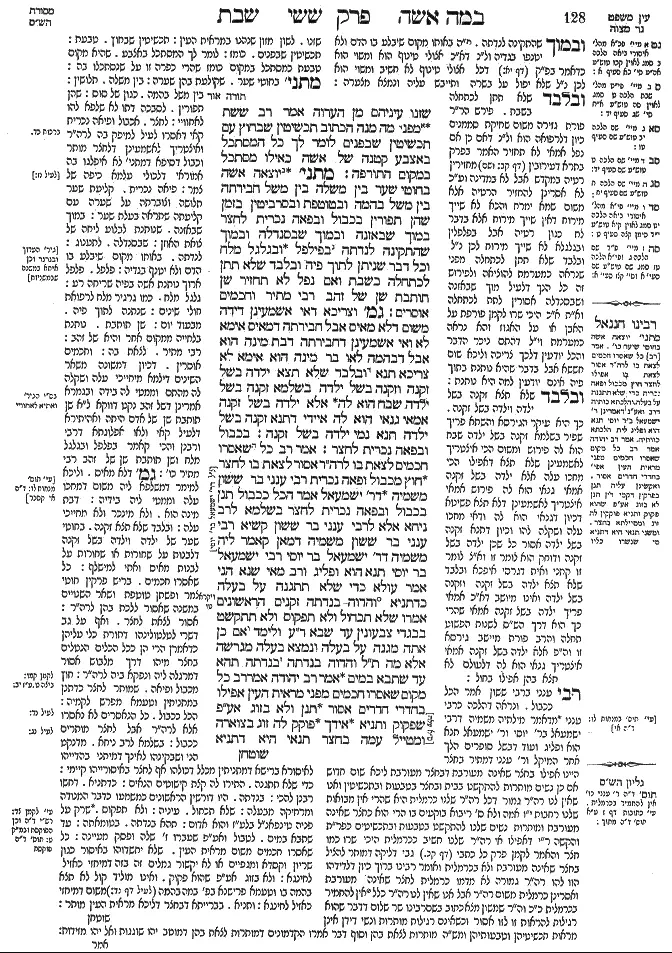
Shabbat 64b - Guemara
שזנו עיניהם מן הערווה אמר רב ששת מפני מה מנה הכתוב תכשיטין שבחוץ עם תכשיטין שבפנים לומר לך כל המסתכל באצבע קטנה של אשה כאילו מסתכל במקום התורפה:
מתני׳ יוצאה אשה בחוטי שער בין משלה בין משל חבירתה בין משל בהמה ובטוטפת ובסרביטין בזמן שהן תפורין בכבול ובפאה נכרית לחצר במוך שבאזנה ובמוך שבסנדלה ובמוך שהתקינה לנדתה בפילפל ובגלגל מלח וכל דבר שניתן לתוך פיה ובלבד שלא תתן לכתחלה בשבת ואם נפל לא תחזיר שן תותבת שן של זהב רבי מתיר וחכמים אוסרים:
גמ׳ וצריכא דאי אשמעינן דידה משום דלא מאיס אבל חבירתה דמאיס אימא לא ואי אשמעינן דחבירתה דבת מינה הוא אבל דבהמה לאו בר מינה הוא אימא לא צריכא תנא ובלבד שלא תצא ילדה בשל זקנה וזקנה בשל ילדה בשלמא זקנה בשל ילדה שבח הוא לה אלא ילדה בשל זקנה אמאי גנאי הוא לה איידי דתנא זקנה בשל ילדה תנא נמי ילדה בשל זקנה:
בכבול ובפאה נכרית לחצר:
אמר רב כל שאסרו חכמים לצאת בו לרה"ר אסור לצאת בו לחצר חוץ מכבול ופאה נכרית רבי ענני בר ששון משמיה דר' ישמעאל אמר הכל ככבול תנן בכבול ובפאה נכרית לחצר בשלמא לרב ניחא אלא לרבי ענני בר ששון קשיא רבי ענני בר ששון משמיה דמאן קאמר ליה משמיה דר' ישמעאל בר יוסי רבי ישמעאל בר יוסי תנא הוא ופליג ורב מאי שנא הני אמר עולא כדי שלא תתגנה על בעלה כדתניא (ויקרא טו, לג) והדוה בנדתה זקנים הראשונים אמרו שלא תכחול ולא תפקוס ולא תתקשט בבגדי צבעונין עד שבא ר"ע ולימד אם כן אתה מגנה על בעלה ונמצא בעלה מגרשה אלא מה ת"ל והדוה בנדתה בנדתה תהא עד שתבא במים אמר רב יהודה אמר רב כל מקום שאסרו חכמים מפני מראית העין אפילו בחדרי חדרים אסור תנן ולא בזוג אע"פ שפקוק ותניא אידך פוקק לה זוג בצוארה ומטייל עמה בחצר תנאי היא דתניא
Comments from Rashi on Masechet Shabbat Page 64b
שזנו . לשון מזון שנהנו במראית העין: תכשיטין שבחוץ . טבעת: תכשיטין שבפנים . כומז: לומר לך המסתכל באצבע . שהיא מקום טבעת כמסתכל במקום כומז שהרי כפרה זו על שנסתכלו בה: מתני' בחוטי שער . שקולעת בהן שערה: בין משלה . תלושין: בין משל בהמה . כגון של סוס: שהן תפורין . לסבכה דתו לא שלפא להו לאחוויי: לחצר . אכבול ופיאה נכרית קאי דאסרו לעיל למיפק בה לרה"ר ואיצטריך לאשמעינן דלחצר מותר וכבול דסיפא דמתני' לא איפלגו בה אמוראי דלכולי עלמא כיפה של צמר: פיאה נכרית . קליעת שער תלושה וצוברתה על שערה עם קליעתה שתראה בעלת שער: במוך שבאזנה . שנותנת לבלוע ליחה של צואת האוזן: שבסנדלה . לתענוג: לנדתה . באותו מקום שיבלע בו הדם ולא יטנף בגדיה: פלפל . פלפל ארוך נותנת אשה בפיה שריחה רע: גלגל מלח . כמו גרגיר מלח לרפואת חולי שינים: שנתנה לתוך פיה . מבעוד יום: שן תותבת . נותנת בלחייה ממקום אחר והיא של זהב: רבי מתיר . לצאת בה: וחכמים אוסרין . דכיון דמשונה משאר השינים דילמא מיחייכי עלה ושקלה לה מהתם וממטי לה בידה ובגמרא אמרינן דשל זהב נקט דווקא ל"א שן תותבת שן של אדם היתה ואהיתירא דלעיל קאי ולאו אפלוגתא דרבי ורבנן והכי קאמר בפלפל ובגלגל מלח ושן תותבת שן של זהב רבי מתיר כו': גמ' דלא מאיס . וליכא למימר דמשלפא ליה משום דמחכו עלה וממטי ליה בידיה: דבת מינה הוא . ולא מינכר ולא מחייכי עלה: ובלבד שלא תצא זקנה . בחוטי שער של ילדה וילדה בשל זקנה דלבנות על שחורות או שחורות על לבנות מאיס ואתי למישלף: כל שאסרו חכמים . בריש פרקין חוטי צמר ופשתן טוטפת ושאר השנויים במשנה שאסור ללכת בהן לרה"ר: אסור לצאת לחצר . ואף על גב דשרי לטלטולינהו דתורת כלי עליהן כדאמרן הרי הן ככל הכלים הנטלים בחצר מיהו דרך מלבוש אסור דמרגלה ליה ונפקא ביה לרה"ר: חוץ מכבול ופיאה . שמותר לחצר כדתנן במתניתין וטעמא מפרש לקמיה: הכל ככבול . כל הנאסרים לא נאסרו אלא לרה"ר אבל לחצר מותרים ככבול: בשלמא לרב ניחא . מדנקט הני ושבקינהו לאינך דמיתני בהדייהו לאיסורא ברישא דמתניתין מכלל דכולהו אף לחצר באיסורייהו קיימי: כדי שלא תתגנה . התירו לה קצת קישוטים הנאים: כדתניא . דחשו רבנן להכי: בנדתה . היו דורשין הראשונים כמשמעו כדבר המנודה ומרחיקה מבעלה: שלא תכחול . עיניה: ולא תפקוס . שרק על פניה טינפאנ"ל בלע"ז והוא אדום: תהא בנדתה . בטומאתה: עד שתבא במים . לטבול ואע"פ שעברו ז' שלה ופסק מעיינה: כל שאסרו חכמים משום מראית העין . שלא יחשדוהו באיסור כגון שריון וקסדא ומגפיים או לא יקשור גמלים זה בזה דמיחזי כאזיל לחינגא: ולא בזוג אע"פ שהוא פקוק . ואינו מוליד קול לא תצא בהמה בו וטעמא פרישנא בפ' במה בהמה (לעיל שבת דף נד:) משום דמיחזי כאזיל לחינגא: ותניא . בברייתא דבחצר דליכא מראית העין מותר:
Comments from Tosafot - Shabbat 64b
ובמוך שהתקינה לנדתה . פ"ה באותו מקום שיבלע בו הדם ולא יטנפו בגדיה ול"נ דא"כ אצולי טינוף הוא ומשוי הוא כדאמר בפ"ק (דף יא:) דכל אצולי טינוף לא חשיב ומשוי הוא לכן נ"ל שלא יפול על בשרה ותייבש עליה ונמצא מצערה: ובלבד שלא תתן לכתחלה בשבת . פירש הר"ר פורת גזירה משום שחיקת סממנים כיון דלרפואה הוא ול"נ דאם כן אם נפל אמאי לא תחזיר האמר בפרק בתרא דעירובין (דף קב: ושם) מחזירין רטיה במקדש אבל לא במדינה וע"כ לא אסרינן להחזיר הרטיה אלא משום שמא ימרח והכא לא שייך מירוח דאין שייך מירוח אלא בדבר לח כגון רטיה אבל בפלפלין ובגלגלא לא שייך מירוח לכן נ"ל ובלבד שלא תתן לכתחלה מפני שנראה כמערמת להוציאה ולפירוש זה כל הנך דלעיל מוך שבאזנה ושבסנדלה אסורין לתת לכתחלה וא"ת א"כ היכי שרו לקמן פורפת על האבן או על האגוז והא נראה כמערמת וי"ל דהתם ניכר הדבר והכל יודעין דלכך צריכה וליכא שום חששא אבל בדבר שהיא נותנת בתוך פיה אינם יודעין למה היא נותנת: ובלבד שלא תצא זקנה בשל ילדה וילדה בשל זקנה . כך היא עיקר הגירסא והשתא פריך שפיר בשלמא זקנה בשל ילדה שבח הוא לה פירוש ומשום הכי איצטריך לאשמעינן שלא תצא דאפילו הכי מחכו עלה אלא ילדה בשל זקנה אמאי גנאי הוא לה פירוש אמאי איצטריך לאשמעינן דלא תצא פשיטא דכיון דגנאי הוא לה ודאי מחכו עלה ושקלה להו וכיון דתנא זקנה בשל ילדה אסור כל שכן ילדה בשל זקנה ודוחק הוא לומר זו וא"צ לומר זו קתני ואית דגרסי איפכא ובלבד שלא תצא ילדה בשל זקנה וזקנה בשל ילדה ואינו מיושב דא"כ אמאי פריך ילדה בשל זקנה אמאי שהרי כך הוא דרך הש"ס לשנות הפשוט תחלה והרב פורת מיישב גירסא זו וה"פ אלא ילדה בשל זקנה אמאי איצטריך גנאי הוא לה דלעולם לא תצא בהן אפילו בחול: רבי ענני ברבי ששון אמר הכל ככבול . ונראה דהלכה כרבי ענני מדאמר מילתיה משמיה דרבי ישמעאל בר' יוסי ור' ישמעאל תנא הוא ופליג ועוד דבשל סופרים הלך אחר המיקל ור' ענני דמתיר בחצר היינו אפילו בחצר שאינה מעורבת דבחצר מעורבת ליכא שום חדוש אם כן נשים מותרות להתקשט בבית ובחצר בטבעות ובתכשיטין ואנו שאין לנו רה"ר גמור דכל רה"ר שלנו כרמלית היא שהרי אין מבואות שלנו רחבות י"ו אמה ולא ס' ריבוא בוקעים בו הרי הוא כחצר שאינה מעורבת ומותרות נשים שלנו להתקשט בטבעות ובתכשיטים כפר"ת והקשה ר"י דאפילו אי רה"ר שלנו חשיב ככרמלית היכי שרו כמו חצר והאמר לקמן פרק כל כתבי (שבת דף קכ.) גבי דליקה דמותר להציל בחצר שאינה. מעורבת ולא בכרמלית ואומר רבינו ברוך כיון דלדידהו הוו להו רה"ר גמורה לא מדמו כרמלית לחצר שאינה מעורבת ואסרינן כרמלית משום רה"ר אבל אנו שאין לנו רה"ר כלל אין להחמיר בכרמלית כ"כ וה"ר שמשון מצא כתוב בשם רבינו שר שלום דדבר שהוא רגילות להראות זו לזו אסור וכשאינם רגילות מותרות ונשי דידן אינן מראות תכשיטיהן וטבעותיהן ומש"ה מותרות לצאת בהן וסוף דבר אמרו הקדמונים דמותרות לצאת בהן דמוטב יהו שוגגות ואל יהו מזידות: אמר רב כל מקום שאסרו חכמים כו'. י"מ דאין הלכה כרב מדתני בחולין (דף מא.) אין שוחטין לתוך גומא ברשות הרבים שלא יחקה האפיקורסים ובחצר מותר ומיהו אין זה ראיה דבחצר מותר דאף הרואה אותו אומר לנקר חצרו הוא צריך אבל בעלמא שאם יראה אדם הרואה יחשדנו אפילו בחדרי חדרים אסור:
Shabbat 64b - Mishnah translated into english
they nourished their eyes from nakedness.
With regard to the verse that lists the ornaments, Rav Sheshet said: For what reason did the verse list outer ornaments, i.e., a bracelet, with inner ornaments, i.e., a kumaz? To tell you that anyone who gazes upon a woman’s little finger is considered as if he gazed upon her naked genitals. The atonement was for the sin of looking.
MISHNA: The mishna continues to discuss those items with which it is permitted to go out and those items with which it is prohibited to go out on Shabbat. A woman may go out with strands of hair that she put on her head, whether they are from her own hair that she made into a wig, or whether they are from the hair of another, or whether they are from the hair of an animal.
And a woman may go out with an ornament called totefet, and with sarvitin when they are sewn and will not fall.
She may go out on Shabbat with a woolen cap or with a wig to the courtyard, although not to the public domain. And likewise she may go out with a cloth that is in her ear, and with a cloth in her sandal, and with a cloth that she placed due to her menstrual status.
She may go out on Shabbat with pepper, or with a grain of salt, or anything placed in her mouth for healing or for preventing bad odor, as long as she does not put these objects in her mouth for the first time on Shabbat. And if it fell out she may not replace it.
A false tooth as well as (Ramban) a gold tooth, Rabbi Yehuda HaNasi permits going out with it, and the Rabbis prohibit doing so.
GEMARA: We learned in the mishna that a woman may go out with different strands of hair. The Gemara comments: And it is necessary to cite all of the cases. If the mishna taught us only with regard to her own hair, I would have said that she may go out with it because it is not repulsive, as it is her own hair; therefore, there is no concern lest she come to remove the strands and carry them in the public domain. However, the hair of another, which is repulsive and a different color from hers, say no, she may not go out with it, due to concern lest she be embarrassed, remove it, and come to carry it in the public domain.
And if the mishna taught us that she is permitted to go out with the hair of another, I would have said that she may go out with it because it is hair of her own kind. Therefore, it is not repulsive in her eyes and she will not come to remove it. However, the hair of an animal, since it is not of her own kind, say no, she may not go out with it due to concern lest she remove it. Therefore, it is necessary to cite all three cases.
It was taught in the Tosefta: It is permitted as long as a girl does not go out with the hair of an elderly woman, and an elderly woman does not go out with the hair of a girl.
The Gemara challenges: Granted, the Gemara cited the case of an elderly woman who goes out with the hair of a girl, as it is a reasonable scenario because it is flattering for her to look young. However, why would a girl go out with the hair of an elderly woman? Since it is demeaning for her to appear elderly, it is an unlikely scenario. The Gemara answers: Since the mishna taught the case of an elderly woman with the hair of a girl, it also taught the improbable case of a girl with the hair of an elderly woman.
It was taught in the mishna that a woman may go out with a woolen cap or with a wig to the courtyard. Rav said: With regard to all ornaments and garments with which the Sages prohibited going out into the public domain on Shabbat, it is also prohibited to go out with them into the courtyard due to the concern lest she forget and go out to the street, with the exception of a woolen cap and a wig.
Rabbi Anani bar Sason said in the name of Rabbi Yishmael: All ornaments have the same legal status as a woolen cap and may be worn into the courtyard.
We learned in the mishna that it is permitted to go out with a woolen cap or a wig into the courtyard. Granted, according to the opinion of Rav the matter works out well, as the mishna allows one to go out into a courtyard only with a woolen cap and a wig. However, according to the opinion of Rabbi Anani bar Sason, it is difficult. The Gemara answers: In whose name did Rabbi Anani bar Sason say his halakha? In the name of Rabbi Yishmael bar Yosei, and Rabbi Yishmael bar Yosei is a tanna and, as such, has the authority to dispute the determination in the mishna.
The Gemara asks: And according to Rav, what is different about these, the woolen cap and the wig, that the mishna permitted going out into the courtyard with them? Ulla said: So that she will not become unappealing to her husband. That would be the result if all ornamentation was prohibited. As it was taught in a baraita with regard to the verse: “And of her that is sick in her menstrual status [niddata]” (Leviticus 15:33), the Elders of the early generations said that this verse comes to teach us that the menstruating woman should be distanced from her husband in all senses, like a person ostracized [menudeh] by the Sages. This includes that she may not paint her eyes blue, and she may not rouge [pokeset] her face, and she may not adorn herself with colorful clothing. Until Rabbi Akiva came and taught: If you do so, you are making her unappealing to her husband, and her husband will consequently divorce her. Therefore, extreme strictures should not be instituted. Rather, what is the meaning of that which the verse states: “And of her that is sick in her menstrual status”? She shall remain prohibited in her menstrual status even after the flow of blood has stopped until she immerses in the water of a ritual bath.
Rav Yehuda said that Rav said: Wherever the Sages prohibited an action due to the appearance of prohibition, even in the innermost chambers, where no one will see it, it is prohibited. When prohibiting an action, the Sages did not distinguish between different circumstances. They prohibited performing the action in all cases.
The Gemara raises an objection. We learned in the mishna that an animal belonging to a Jew may not go out on Shabbat with a bell around its neck, even though it is plugged and makes no sound, due to the appearance of prohibition, as it appears as if he were taking the animal to the marketplace. And it was taught in another baraita: He may plug the bell on the animal’s neck and walk with it in the courtyard. Apparently, although the Sages prohibited this action due to the appearance of prohibition, they permitted it in the courtyard.
The Gemara answers: It is subject to a dispute between tanna’im in this matter, as it was taught in a baraita:
Traduction : The William Davidson digital edition of the Koren Noé Talmud, with commentary by Rabbi Adin Even-Israel Steinsaltz.
Shabbat 64b : Significance
Next step
Finished studying Shabbat 64b? Carry on with the rest of the tractate.
Study Shabbat 65aFrequently asked questions: Shabbat 64b
Where is Shabbat 64b in tractate Shabbat?
Shabbat 64b is page 126 of 312 in tractate Shabbat (Seder Moed).
When is daf 64 of Shabbat studied in Daf Yomi?
Daf Yomi covers one daf a day, both sides. Daf 64 of Shabbat will be studied on October 11, 2027.
Is there a video class on Shabbat 64b?
Yes, by Daf Tube, Rabbi Dr. Moshe Weisblum. These classes were published on YouTube by their authors and are gathered on this site.
What is tractate Shabbat about?
The Masechet Shabbat is the first tractate of the Seder Moed. The Gemara Shabbat is the study of the laws concerning the Shabbat day during which one must suspend all work according to what is written in the Torah. The preparations before the start of Shabbos, the 39 Melachot that the Torah forbids to be performed on Shabbos, as well as the rabbinical decrees intended to avoid transgressing them. The Shabbat tractate has 24 chapters.
Your study is also dedicated to them
- L'ilui Nishmat אליעזר בן רחל
- L'ilui Nishmat Rav Chlomo Ben Jamilla
- L'ilui Nishmat יוסף בן מושה