 Talmud Bavli
The learning on the whole site is dedicated : L'ilui Nishmat Jamila bat Chlomo Abensour
The learning on the whole site is dedicated : For the success of Elyahou ben H'anna & family
The learning on the whole site is dedicated : L'ilui Nishmat רינה בת לדיסיה
Shabbat 50b : Youtube
Daf TubeYoutube
3 video classes :
Shabbat Page 50b
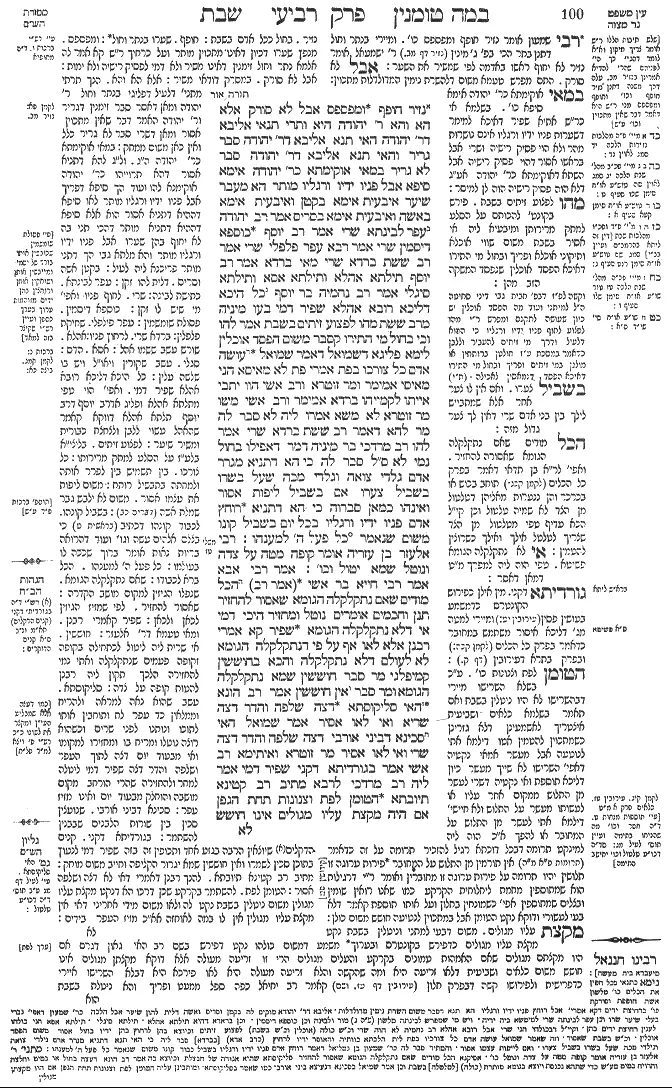
Shabbat 50b - Guemara
נזיר חופף ומפספס אבל לא סורק אלא הא והא ר' יהודה היא ותרי תנאי אליבא דר' יהודה האי תנא אליבא דר' יהודה סבר גריר והאי תנא אליבא דר' יהודה סבר לא גריר במאי אוקימתא כר' יהודה אימא סיפא אבל פניו ידיו ורגליו מותר הא מעבר שיער איבעית אימא בקטן ואיבעית אימא באשה ואיבעית אימא בסריס אמר רב יהודה עפר לבינתא שרי אמר רב יוסף כוספא דיסמין שרי אמר רבא עפר פלפלי שרי אמר רב ששת ברדא שרי מאי ברדא אמר רב יוסף תילתא אהלא ותילתא אסא ותילתא סיגלי אמר רב נחמיה בר יוסף כל היכא דליכא רובא אהלא שפיר דמי בעו מיניה מרב ששת מהו לפצוע זיתים בשבת אמר להו וכי בחול מי התירו קסבר משום הפסד אוכלין לימא פליגא דשמואל דאמר שמואל עושה אדם כל צורכו בפת אמרי פת לא מאיסא הני מאיסי אמימר ומר זוטרא ורב אשי הוו יתבי אייתו לקמייהו ברדא אמימר ורב אשי משו מר זוטרא לא משא אמרו ליה לא סבר לה מר להא דאמר רב ששת ברדא שרי אמר להו רב מרדכי בר מיניה דמר דאפילו בחול נמי לא ס"ל סבר לה כי הא דתניא מגרר אדם גלדי צואה וגלדי מכה שעל בשרו בשביל צערו אם בשביל ליפות אסור ואינהו כמאן סברוה כי הא דתניא רוחץ אדם פניו ידיו ורגליו בכל יום בשביל קונו משום שנאמר (משלי טז, ד) כל פעל ה' למענהו:
רבי אלעזר בן עזריה אומר קופה מטה על צדה ונוטל שמא יטול וכו':
אמר רבי אבא אמר רבי חייא בר אשי (אמר רב) הכל מודים שאם נתקלקלה הגומא שאסור להחזיר תנן וחכמים אומרים נוטל ומחזיר היכי דמי אי דלא נתקלקלה הגומא. שפיר קא אמרי רבנן אלא לאו אף על פי דנתקלקלה הגומא לא לעולם דלא נתקלקלה והכא בחוששין קמיפלגי מר סבר חוששין שמא נתקלקלה הגומא ומר סבר אין חוששין אמר רב הונא האי סליקוסתא דצה שלפה והדר דצה שריא ואי לאו אסיר אמר שמואל האי סכינא דביני אורבי דצה שלפה והדר דצה שרי ואי לאו אסיר מר זוטרא ואיתימא רב אשי אמר בגורדיתא דקני שפיר דמי אמר. ליה רב מרדכי לרבא מתיב רב קטינא תיובתא הטומן לפת וצנונות תחת הגפן אם היה מקצת עליו מגולים אינו חושש
Comments from Rashi on Masechet Shabbat Page 50b
נזיר . בחול ככל אדם בשבת: חופף . שערו בנתר וחול: ומפספס . מנפץ שערו דכיון דאינו מתכוין מותר ועל כרחיך ר"ש קא אמר לה אלמא נתר וחול זימנין דאינו משיר ולא דמי לפסיק רישיה ולא ימות: אבל לא סורק . במסרק דודאי משיר: אלא הא והא . הנך תרתי מתני' דלעיל דפליגי בנתר וחול ר' יהודה ומאן דאסר סבר זימנין דגריר ור' יהודה האמר דבר שאין מתכוין אסור ומאן דשרי סבר לא גריר כלל ואין כאן משום ממחק: במאי אוקימתא כר' יהודה ה"ג . ול"ג להא דתניא אסור דהא תרוייהו כר' יהודה אוקימנא להו ועוד הך סיפא דפריך אבל פניו ידיו ורגליו מותר לאו סיפא דההיא דתניא אסור הוא אלא סיפא דההיא דתניא מותר דהכי תני בה לא יחוף בהן שערו אבל פניו ידיו ורגליו מותר והא מלתא גבי הך דתני מותר פריכנא ליה לעיל: בקטן אשה וסריס . דלית להו זקן: עפר לבינתא . כתישת לבינה: שרי . לחוף פניו ואפי' מי שיש לו זקן: כוספא דיסמין . פסולת שומשמין: עפר פילפלי . שחיקת פלפלין: ברדא שרי . לרחוץ פניו: אהלא . שורש עשב ששמו אהל: אסא . הדס: סגלי . עשב שקורין ויאו"ל יש בו שלשה עלין: כל היכא דליכא רובא אהלא שפיר דמי . ואפי' הוי טפי מתלתא אהלא ופליג אדרב יוסף דרב יוסף תלתא אהלא דווקא קאמר שהאהל עשוי ללבן ולצחצח כבורית ומשיר שיער: לפצוע זיתים . בליצי"א בלע"ז על הסלע למתק מרירותו: כל צורכו . בין תשמיש בין לפרר אותה ולמחתה בתבשיל רותח: משום ליפות את עצמו אסור . משום לא ילבש גבר שמלת אשה (דברים כב): בשביל קונהו . לכבוד קונהו דכתיב (בראשית ט) כי בצלם אלהים עשה וגו' ועוד דהרואה בריות נאות אומר ברוך שככה לו בעולמו: כל פעל ה' למענהו . הכל ברא לכבודו: שאם נתקלקלה הגומא . שנפלו הגיזין למקום מושב הקדרה: שאסור להחזיר . לפי שמזיז הגיזין לכאן ולכאן: שפיר קאמרי רבנן . ומאי טעמא דר' אלעזר: חוששין . אי שרית ליה ליטול לכתחילה בקופה זקופה פעמים שנתקלקלה ואתי נמי להחזירה הלכך תקון ליה רבנן להטות קופה על צדה: סליקוסתא . עשב שהוא נאה למראה ולהריח וממלאין כד עפר לח ותוחבין אותו לתוכו ונותנו לפני שרים וכשהוא רוצה נוטלו ומריח בו ומחזירו למקומו ואי מבעוד יום דצה לתוך העפר ושלפה והדר דצה שפיר דמי ליטלה למחר ולהחזירה שהרי הורחב מקום מושבה והוחלק מבעוד יום ואינו מזיז עפר: סכינא דביני אורבי . שנועצין סכין בין שורות הלבנים שבבנין להשתמר: בגורדיתא דקני . קנים הדקלים שיוצאין הרבה בגזע אחד ותכופין זה בזה שפיר דמי לנעוץ בתוכן סכין לשמרו ואין חוששין שמא יגרור הקליפה וחייב משום מוחק: מתיב רב קטינא תיובתא . להנך רבנן דאמרי דאי לא דצה ושלפה אסור: הטומן לפת . להשתמר בקרקע שכן דרכו הא דנקט מקצת עליו מגולין משום ניטלין בשבת נקט לה ולאו משום מידי אחריני דאי אין מקצת עליו מגולין אין לו במה לאוחזה אא"כ מזיז העפר בידים:
Comments from Tosafot - Shabbat 50b
רבי שמעון אומר נזיר חופף ומפספס כו' . ומיירי בנתר וחול דתנן בתר הכי בפ' ג' מינין (נזיר דף מב.) ר' ישמעאל אומר נזיר לא יחוף ראשו באדמה לפי שמשיר את השער: אבל לא סורק . התם מפרש טעמא משום דלהשרת נימין המדולדלות מתכוין: במאי אוקימתא כר' יהודה אימא סיפא כו' . בשלמא אי כר"ש אתיא שפיר דאיכא למימר דשערות פניו ידיו ורגליו אינם נושרות מהר ולא הוי פסיק רישיה ושרי אבל בראשו אסור דהוי פסיק רישיה אבל השתא דאוקימתא כר' יהודה אע"ג דלא הוה פסיק רישיה הוה לן למיסר: מהו לפצוע זיתים בשבת . פירש בקונט' להכותם על הסלע למתק מרירותן ומיבעיא ליה אי אסיר בשבת משום שווי אוכלא ותיקוני אוכלא ופריך ובחול מי התירו דאיכא הפסד אוכלין שנפסד המשקה הזב מהן: וקשה לפ"ז דבפ' חבית גבי דיני סחיטה ה"ל למיתני ועוד מה הפסד אוכלין יש כיון שעושה לתקנם ומפרש ר"י מהו לפצוע לחוף פניו ידיו ורגליו כי ההוא דלעיל ודרך מי זיתים להעביר וללבן כדאמר במסכת ע"ז חולטן ברותחין או מולגן במי זיתים ופריך ובחול מי התירו דאיכא הפסד דנמאסין לאכילה (ת"י): בשביל צערו . ואם אין לו צער אחר אלא שמתבייש לילך בין בני אדם שרי דאין לך צער גדול מזה: הכל מודים שאם נתקלקלה הגומא שאסורה להחזיר . ואפי' לר"א בן תדאי דאמר בפרק כל הכלים (לקמן שבת קכג.) תוחב בכוש או בכרכר והן ננערות מאליהן דטלטול מן הצד לא שמיה טלטול וכן קי"ל הכא עדיף טפי מטלטול מן הצד שצריך לטלטל אילך ואילך כשרוצין להטמין: אי לא נתקלקלה הגומא פשיטא . טפי הוה ליה למפרך מ"ט דמאן דאסר: גורדיתא דקני . מין אילן כפירוש הקונטרס כדמשמע בעושין פסין (עירובין יט:) ומיירי למטה מג' דליכא איסור משתמש במחובר כדאמר בפרק כל הכלים (לקמן שבת קכה:) ובפרק בתרא דעירובין (דף ק.): הטומן לפת וצנונות כו' . ע"כ בשלא השרישו מיירי דבהשרישו לא היו ניטלין בשבת ואם תאמר בשלמא כלאים ושביעית איצטריך לאשמעינן דלא גזרינן כשמתכוין להטמין אטו דילמא אתי לנוטעה אבל מעשר אמאי נקטיה דאפי' השרישו לא שייך מעשר כיון דליכא תוספת ואי נקטיה דשרי לעשר מן התלוש ממקום אחר עליו או לעשותו מעשר על התלוש ולא חיישי' דילמא אתי לעשר מן התלוש על המחובר או להפך א"כ הוה ליה למינקט תרומה דבכל דוכתא רגיל להזכיר תרומה על זה כדאמר (תרומות פ"א מה) אין תורמין מן התלוש על המחובר פירות ערוגה זו תלושין יהיו תרומה על פירות ערוגה זו מחוברין ואומר ר"י דרגילות הוא שמתוספין מחמת ליחלוחית הקרקע כמו שאנו רואין שומין ובצלים שמתוספין אפי' כשמונחין בחלון ועל אותו תוספת קאמר דלא בעי לעשורי ודוקא נקט הטומן אבל במתכוין לנטיעה חושש משום כולן: מקצת עליו מגולים . משום דבעי למתני וניטלין בשבת נקט מקצת עליו מגולים כדפירש בקונטרס ובערוך משמע דמשום כולהו נקט דפירש בשם רב האי גאון דגרס אם היו מקצתם מגולים שאם האמהות טמונים בקרקע והעלים מגולים הרי זו זריעה מעולה אלא דוקא מקצתן מגולים אינו חושש משום כלאים ושביעית דלאו זריעה היא ומה שהקשה והלא זריעה מעולה היא לאו פירכא היא דבלא השרישו איירי כדפרישית ולפירושו קשה דבפרק חלון (עירובין דף עז. ושם) קאמר רב יחיאל כפה ספל ממעט ופריך והא ניטלת בשבת הוא ואמאי ממעט ומשני דאית לה אוגנים וחבריה בארעא ופריך וכי יש לו מאי הוי והתנן הטומן לפת כו' ואי גרס מקצת מגולים מאי פריך הא לא דמי לספל שיש לו אוגנים ואומר ר"י דיש לומר דבנטיעה איכא קרקע קשה ודבוק ביותר ומדמה ליה לספל שיש לו אוגנים ואין להקשות לפירוש הערוך דמאי פריך מינה לשמואל לימא דהך משנה סבר טלטול מן הצד לא שמיה טלטול כאלעזר בן תדאי ומקצת מגולין נקט משום אחריני ולא משום שבת ושמואל סבר כרבנן דאיכא למימר דמשמע ליה דמשום שבת נמי נקט לה מדלא תנא בהדיא וניטלין בשבת אפילו מכוסין ש"מ דמכוסין אסורין כרבנן ואפ"ה מקצתן מגולין שרי:
Shabbat 50b - Mishnah translated into english
A nazirite, for whom it is prohibited to cut his hair, may wash his hair with sand and natron and separate it with his fingers; however, he may not comb it, as combing will certainly cause hair to fall out. Apparently, Rabbi Shimon permits washing hair even in a case where it is prohibited to cause hair to fall out; in his opinion, the fact that washing one’s hair might inadvertently cause that to happen is not a source of concern.
Rather, both this baraita and that baraita, which disagree with regard to cleaning silver utensils with sand and natron, are in accordance with the opinion of Rabbi Yehuda, who holds that an unintentional act is prohibited. And there are two tanna’im in accordance with the opinion of Rabbi Yehuda. They disagree with regard to Rabbi Yehuda’s opinion. This tanna, in accordance with the opinion of Rabbi Yehuda, holds that sand and natron scrape and smooth the utensils. Therefore, their use on Shabbat is prohibited. And that tanna, also in accordance with the opinion of Rabbi Yehuda, holds that sand and natron do not scrape and smooth the utensils. Therefore, their use on Shabbat is permitted.
The Gemara raises an objection: How did you establish that baraita? It was in accordance with the opinion of Rabbi Yehuda. If so, say the latter clause of the baraita: But his face, his hands, and his feet, it is permitted to wash with sand and natron. Doesn’t he thereby cause hair to fall out? It should be prohibited according to Rabbi Yehuda.
The Gemara answers: If you wish, say that the permission to wash one’s face with sand and natron refers to a child; and if you wish, say instead that it refers to a woman; and if you wish, say instead that it refers to a eunuch. All of them have no facial hair, and that is why there is no concern that use of sand and natron to clean their faces will cause hair to fall out.
The Gemara continues: Rav Yehuda said: Washing one’s face with powdered frankincense (Rav Hai Gaon) is permitted on Shabbat, even if he has a beard, as it does not cause hair to fall out. Rav Yosef said: Washing with the solid residue of jasmine from which its fragrant oil was squeezed is permitted. Rava said: Washing with ground pepper is permitted. Rav Sheshet said: Washing with berada is permitted on Shabbat.
The Gemara asks: What is berada? Rav Yosef said: It is a mixture of one-third aloe, one-third myrtle, and one-third violets. Rav Neḥemya bar Yosef said: Everywhere that there is a mixture with no majority of aloe, it may well be used. Even if the mixture contains more than a third aloe, as long as it constitutes less than a majority, it does not cause hair to fall out.
The Sages raised a dilemma before Rav Sheshet: What is the halakha with regard to splitting olives on a rock on Shabbat in order to wash with the oil that oozes from them (ge’onim)? He said to them: And did they permit doing so on a weekday? Rav Sheshet holds that crushing olives in that manner is prohibited even during the week because it involves ruining food. After the olives are split in that manner, they are no longer fit for consumption.
The Gemara comments: Let us say that Rav Sheshet disagrees with the opinion of Shmuel. As Shmuel said: A person may perform all his needs with bread, and he need not be concerned that it might be ruined. The Sages said in response: Rav Sheshet does not necessarily disagree with Shmuel. Using bread does not render it disgusting and inedible; splitting these olives renders them disgusting and inedible.
The Gemara relates that Ameimar, Mar Zutra, and Rav Ashi were sitting on Shabbat, and they brought berada before them for washing. Ameimar and Rav Ashi washed with it; Mar Zutra did not wash. They said to him: Doesn’t the Master hold in accordance with that which Rav Sheshet said: Washing with berada is permitted on Shabbat? Rav Mordekhai, who was also there, said to them: Except for him, the Master; i.e., do not draw conclusions from Mar Zutra, as he does not hold that one is permitted to use berada, even on a weekday.
Mar Zutra holds in accordance with that which was taught in a baraita: A person may scrape off dried excrement crusts and scabs of a wound that are on his flesh because of the pain that they are causing him. However, if he does so in order to clean and beautify himself, it is prohibited. According to the tanna of this baraita, it is prohibited to adorn or beautify oneself, as the verse: “Neither shall a man put on a woman’s garment” (Deuteronomy 22:5) prohibits dressing or conducting oneself in the manner of women.
The Gemara asks: And Ameimar and Rav Ashi, who permit use of berada, in accordance with whose opinion do they hold? They hold in accordance with that which was taught in a baraita: A person must wash his face, his hands, and his feet every day for the sake of his Maker, as it is stated: “The Lord has made everything for His own purpose” (Proverbs 16:4). Every beautiful thing that exists in the world sings the praise of God Who created beautiful things. Therefore, it is appropriate for one to beautify himself in praise of God.
We learned in the mishna: Rabbi Elazar ben Azarya says: If he placed the pot in a basket filled with fleece, he leans the basket on its side so that the fleece will fall to the side of the pot, and takes the pot. Otherwise, there is room for concern lest the wool collapse when he lifts the pot from the basket. Then he will be unable to replace the pot. It is prohibited to move the fleece to make room for the pot, since the fleece is set-aside. However, the Rabbis disagree and say: He may lift the pot and afterward replace it. Rabbi Abba said that Rabbi Ḥiyya bar Ashi said that Rav said: Everyone agrees, even the Rabbis, that if the cavity in which the pot had been placed was destroyed, its walls having collapsed inward, it is prohibited to return the pot to the basket.
The Gemara asks, based on what we learned in the mishna. And the Rabbis say: He may lift the pot and afterward replace it. The Gemara elaborates: What are the circumstances? If the cavity in which the pot had been placed was not destroyed, the Rabbis say fittingly that it is permitted to replace the pot; why would Rabbi Elazar ben Azarya prohibit the practice? Rather, is it not that the Rabbis permit returning the pot even though the cavity was destroyed? Apparently, that is the subject of the dispute in the mishna.
The Gemara rejects this: No, actually, everyone agrees that if the cavity was destroyed, it is prohibited to return the pot to the basket. The mishna is dealing with a case where the cavity was not destroyed, and here the tanna’im disagree with regard to whether or not one need be concerned lest, if one is allowed to remove the pot from the basket without tilting it to the side, the cavity be destroyed and he will come to return the pot to the basket anyway. One Sage, Rabbi Elazar ben Azarya, holds that one need be concerned lest the cavity be destroyed and he return the pot anyway; and the other Sage, a reference to the Rabbis, holds that one need not be concerned about that.
The Gemara records several rulings with regard to placing an object into another object that is set-aside. Rav Huna said: With regard to this fragrant daffodil branch that was kept in a pot of moist earth in the house; if on Shabbat eve one inserted it into the earth, then pulled it out, and then inserted it again into the earth, it is permitted to pull it out again on Shabbat. By inserting it and then pulling it out, he has already widened the cavity in which the branch was placed. There is no room for concern that when he pulls it out again on Shabbat he will cause earth to shift from its place. And if he did not do so on Shabbat eve, it is prohibited to pull it out on Shabbat.
Shmuel said: This knife that is stored between bricks; if one stuck it between the bricks on Shabbat eve, pulled it out, and then stuck it between the bricks, it is permitted to pull it out on Shabbat. And if he did not do so on Shabbat eve, it is prohibited to pull it out on Shabbat.
Mar Zutra, and some say Rav Ashi, said: Placing a knife between the branches of a hedge of reeds (ge’onim) may well be done and there is no concern lest one come to cut the reeds when he removes it.
Rav Mordekhai said to Rava: Rav Ketina raised a conclusive refutation of the opinions of Rav Huna and Shmuel from that which we learned in a mishna: With regard to one who conceals a turnip or radish in the ground beneath a vine for safekeeping, if some of its leaves were showing, allowing access to pull the turnip or the radish from the ground, he need neither be concerned;
Traduction : The William Davidson digital edition of the Koren Noé Talmud, with commentary by Rabbi Adin Even-Israel Steinsaltz.