 Talmud Bavli
The learning on the whole site is dedicated : L'ilui Nishmat Rav Chlomo Ben Jamilla
The learning on the whole site is dedicated : L'ilui Nishmat Yaakov ben Myriam
The learning on the whole site is dedicated : L'ilui Nishmat אסתר בת חיים
Hullin 129b : Youtube
Rabbi Dr. Moshe WeisblumYoutube
1 video class :
Hullin Page 129b
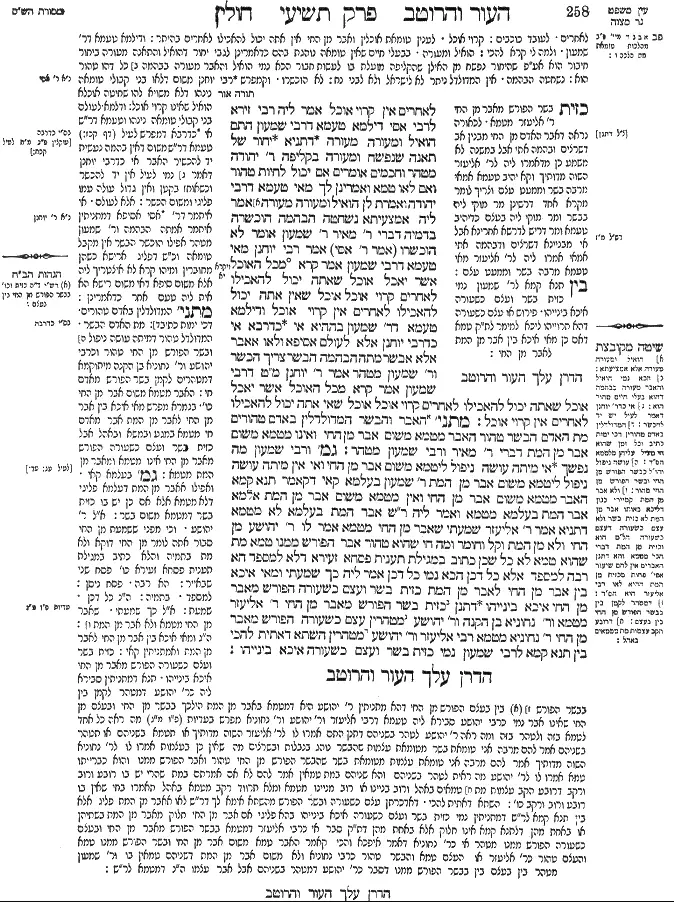
Hullin 129b - Guemara
לאחרים אין קרוי אוכל אמר ליה רבי זירא לרבי אסי דילמא טעמא דרבי שמעון התם הואיל ומעורה מעורה דתניא יחור של תאנה שנפשח ומעורה בקליפה ר' יהודה מטהר וחכמים אומרים אם יכול לחיות טהור ואם לאו טמא ואמרינן לך מאי טעמא דרבי יהודה ואמרת לן הואיל ומעורה מעורה אמר ליה אמצעיתא נשחטה הבהמה הוכשרה בדמיה דברי ר' מאיר ר' שמעון אומר לא הוכשרו (אמר ר' אסי) אמר רבי יוחנן מאי טעמא דרבי שמעון אמר קרא (ויקרא יא, לד) מכל האוכל אשר יאכל אוכל שאתה יכול להאכילו לאחרים קרוי אוכל אוכל שאין אתה יכול להאכילו לאחרים אין קרוי אוכל ודילמא טעמא דר' שמעון בההיא אי כדרבא אי כדרבי יוחנן אלא לעולם אסיפא ולאו אאבר אלא אבשר מתה הבהמה הבשר צריך הכשר ור' שמעון מטהר אמר ר' יוחנן מ"ט דרבי שמעון אמר קרא מכל האוכל אשר יאכל אוכל שאתה יכול להאכילו לאחרים קרוי אוכל אוכל שאי אתה יכול להאכילו לאחרים אין קרוי אוכל:
מתני׳ האבר והבשר המדולדלין באדם טהורים מת האדם הבשר טהור האבר מטמא משום אבר מן החי ואינו מטמא משום אבר מן המת דברי ר' מאיר ורבי שמעון מטהר:
גמ׳ ורבי שמעון מה נפשך אי מיתה עושה ניפול ליטמא משום אבר מן החי ואי אין מיתה עושה ניפול ליטמא משום אבר מן המת ר' שמעון בעלמא קאי דקאמר תנא קמא האבר מטמא משום אבר מן החי ואין מטמא משום אבר מן המת אלמא אבר המת בעלמא מטמא ואמר ליה ר"ש אבר המת בעלמא לא מטמא דתניא אמר ר' אליעזר שמעתי שאבר מן החי מטמא אמר לו ר' יהושע מן החי ולא מן המת וקל וחומר ומה חי שהוא טהור אבר הפורש ממנו טמא מת שהוא טמא לא כל שכן כתוב במגילת תענית פסחא זעירא דלא למספד הא רבה למספד אלא כל דכן הכא נמי כל דכן אמר ליה כך שמעתי ומאי איכא בין אבר מן החי לאבר מן המת כזית בשר ועצם כשעורה הפורש מאבר מן החי איכא בינייהו דתנן כזית בשר הפורש מאבר מן החי ר' אליעזר מטמא ור' נחוניא בן הקנה ור' יהושע מטהרין עצם כשעורה הפורש מאבר מן החי ר' נחוניא מטמא רבי אליעזר ור' יהושע מטהרין השתא דאתית להכי בין תנא קמא לרבי שמעון נמי כזית בשר ועצם כשעורה איכא בינייהו:
הדרן עלך העור והרוטב
Comments from Rashi on Masechet Hullin Page 129b
לאחרים . לעובד כוכבים: קרוי אוכל . לענין טומאת אוכלין ואבר מן החי אין אתה יכול להאכילו לאחרים בהיתר: ודילמא טעמא דר' שמעון . ולמה לי קרא להכי: הואיל ומעורה . בבעלי חיים שאין טומאה נוהגת בהם כדאמרינן לגבי יחור דהואיל והתאנה מעורה ביחור חיבור הוא אע"פ שהיחור נפשח מן האילן שהקליפה מועלת בו לעשות חבור הכא נמי הואיל והאבר מעורה בבהמה כל דהו טהור הוא: נשחטה הבהמה . אין המדולדל ניתר לא לישראל ולא לבני נח: לא הוכשרו . וקמפרש רבי יוחנן משום דלאו בני קבולי טומאה נינהו דלא משויא להו שחיטה אוכלא הואיל שאינו קרוי אוכל: ודלמא . לעולם בני קבולי טומאה נינהו וטעמא דר"ש אי כדרבא דמפרש לעיל (חולין דף קכז:) טעמא דר"ש משום דאין בהמה נעשית יד להכשיר האבר אי כדרבי יוחנן דאמר נמי לעיל אין יד להכשר וכשאוחז בקטן ואין גדול עולה עמו פליגי ומשום הכשר: אלא לעולם . אי איתמר דר' אסי אסיפא דמתניתין איתמר אמתה הבהמה ור' שמעון מטהר אפילו הוכשר הבשר אין מקבל טומאה וכ"ש דפליג ארישא כשהן מחוברין ומיהו קרא לא איצטריך ליה אלא משום סיפא דאי משום רישא הא אית ליה טעם אחר כדאמרינן: מתני' המדולדלין באדם טהורים . דכי ימות כתיב: מת האדם הבשר . המדולדל טהור דמיתה עושה ניפול ובשר הפורש מן החי טהור וכרבי יהושע ור' נחוניא בן הקנה מיתוקמא דמטהרים לקמן בשר הפורש מאדם חי: האבר מטמא משום אבר מן החי כו' . בגמרא מפרש מאי איכא בין אבר מן החי לאבר מן המת אבר מאדם חי מטמא במגע ובמשא ובאהל אבל כזית בשר ועצם כשעורה הפורש מאבר מן החי אינו מטמא ומאבר מן המת מטמא: גמ' בעלמא קאי . ואפילו אאבר מן המת דעלמא פליגי דלא מטמא אלא אם כן יש בו כזית בשר דמטמא משום בשר: א"ל ר' יהושע . וכי מפני ששמעת מן החי סבור אתה לומר מן החי דוקא ולא מת בתמיה והלא כתיב במגילת תענית פסחא זעירא כו' פסח שני שבאייר: הא רבה . פסח ניסן: למספד . בתמיה: ה"נ כל דכן . שמעת: א"ל כך שמעתי . שאבר מן החי מטמא ולא אבר מן המת: ה"ג ומאי איכא בין אבר מן החי לאבר מן המת . ואמתניתין קאי: כזית בשר ועצם כשעורה הפורש מאבר מן החי איכא בינייהו . תנא דמתניתין סבירא ליה כר' יהושע דמטהר לקמן בין בבשר הפורש בין בעצם הפורש מן החי דהא מתניתין ר' יהושע היא דמטמא באבר מן המת הילכך בבשר מן החי ובעצם מן החי שאינו אבר נמי כרבי יהושע סבירא ליה. טעמא דרבי אליעזר ור' יהושע ור' נחוניא מפרש בעדיות (פ"ו מ"ג) מה ראה כל אחד לטמא בזה ולטהר בזה ומה ראה ר' יהושע לטהר בשניהם דתנן התם אמרו לו לר' אליעזר השוה מדותיך או תטמא בשניהם או תטהר בשניהם אמר להם מרבה אני טומאת בשר מטומאת עצמות שהבשר נוהג בנבלות ובשרצים מה שאין כן בעצמות אמרו לו לר' נחוניא השוה מדותיך אמר להם מרבה אני טומאת עצמות מטומאת בשר שהבשר הפורש מן החי טהור ואבר הפורש ממנו והוא כברייתו טמא אמרו לו לר' יהושע מה ראית לטהר בשניהם והא שניהם במת טמאין אמר להם לא אם אמרתם במת שהרי יש בו רובע ורוב ורקב דרובע הקב עצמות מת טמאים באהל ורוב בניינו או רוב מניינו מטמא ומלא תרווד רקב מטמא באהל תאמרו בחי שאין בו רובע ורוב ורקב כו': השתא דאתית להכי . דאדכרתן עצם כשעורה ובשר הפורש מהשתא אימא לך דר"ש לאו אאבר מן המת פליג אלא בין תנא קמא לר"ש דמתניתין נמי כזית בשר ועצם כשעורה איכא בינייהו בהא פליגי אם אבר מן החי חלוק מאבר מן המת בשתיהן או באחת מהן דלתנא קמא אינו חלוק אלא באחת מהן דת"ק סבר אי כרבי אליעזר דמטמא בבשר הפורש מאבר מן החי ובעצם כשעורה הפורש ממנו מטהר אי כר' נחוניא דאמר איפכא והכי קאמר האבר טמא משום אבר מן החי ובשר הפורש ממנו טמא והעצם טהור כר' אליעזר או העצם טמא והבשר טהור כרבי נחוניא ולא משום אבר מן המת דשניהם טמאין בו ור' שמעון מטהר בין בעצם בין בבשר הפורש ממנו דסבר כר' יהושע דמטהר בשניהם אבל אבר עצמו ה"נ דמטמא לר"ש:
Comments from Tosafot - Hullin 129b
כזית בשר הפורש מאבר מן החי ר' אליעזר מטמא . לכאורה נראה דאבר האדם מן החי מבנין אב דשרצים ובהמה אתי אבל במשנה לא משמע כן מדאמרו ליה לר' אליעזר השוה מדותיך וקא יהיב טעמא אמאי מרבה בשר וממעט עצם וצריך לומר מקרא אחד דרשינן מר מוקי ליה בבשר ומר מוקי ליה בעצם כדיהיב טעמא ומר דריש לדרשא אחרינא אבל אי מבניינא דשרצים ודבהמה אתי אמאי אמרו ליה לר' אליעזר מאי טעמא מרבה בשר וממעט עצם: בין תנא קמא לר' שמעון נמי כזית בשר ועצם כשעורה איכא בינייהו . פירוש או עצם כשעורה דהא תרוייהו ליכא למימר לת"ק טמא דאם כן מאי איכא בין אבר מן המת לאבר מן החי:
Hullin 129b - Mishnah translated into english
to others, such as the limb and flesh from a living animal, which are forbidden even to gentiles, is not called food.
Rabbi Zeira questioned the explanation of Rabbi Yoḥanan and said to Rabbi Asi: If Rabbi Shimon is discussing the first clause in the mishna, claiming that a hanging limb or flesh is pure during the lifetime of the animal, the reason for his statement is not necessarily that food that is forbidden to all people is not considered food. Perhaps the reason for the opinion of Rabbi Shimon there is that since the flesh or limb is still attached to the animal, it is considered attached.
As it is taught in a mishna (Okatzin 3:8): With regard to a branch of a fig tree that was detached from the tree and remains attached only to the bark of the tree, Rabbi Yehuda deems the figs on the branch not susceptible to impurity, as they are considered attached to the tree. And the Rabbis say: If it is possible to reattach the branch to the tree and the branch can continue to live and produce fruit, then it is considered attached to the tree, and the fruit is not susceptible to impurity. But if not, the fruit is susceptible to impurity. And we said to you, Rabbi Asi: What is the reason for the opinion of Rabbi Yehuda? And you said to us: Since the branch is still attached to the bark of the tree, it is considered attached. Therefore, the same logic applies to the statement of Rabbi Shimon.
Rabbi Asi said to Rabbi Zeira: Rabbi Yoḥanan is explaining the reasoning for Rabbi Shimon’s opinion in the middle clause of the mishna, which teaches: If the animal was slaughtered, the limb and the flesh were rendered susceptible to impurity with the blood of the slaughtered animal; this is the statement of Rabbi Meir. Rabbi Shimon says: They were not rendered susceptible with the blood of the slaughtered animal.
Rabbi Asi said that Rabbi Yoḥanan said: What is the reason for the opinion of Rabbi Shimon? The reason is that the verse states with regard to impurity as food: “From all food which may be eaten, that on which water comes shall be impure” (Leviticus 11:34). The phrase “food which may be eaten” indicates that only food that you can feed to others, including gentiles, is called food in this regard, but food that you cannot feed to others, such as the limb and flesh from a living animal, is not called food.
Rabbi Zeira questioned this explanation of Rabbi Yoḥanan as well, and said to Rabbi Asi: If it is with regard to Rabbi Shimon’s opinion in the middle clause of the mishna, perhaps the reason for the opinion of Rabbi Shimon in that clause is not that food that is forbidden to all is not called food.
Rather, it is either in accordance with the explanation of Rava or in accordance with the explanation of Rabbi Yoḥanan cited earlier (127b–128a). According to both explanations of Rabbi Shimon’s opinion, the mishna is discussing a case where only the body of the animal, but not the partially severed limb, came into contact with the blood of slaughter. According to Rava, the reason for Rabbi Shimon’s opinion is that the body of the animal serves the partially severed limb as a handle, and he holds that a handle of a food item transmits impurity to the attached food, but a handle that comes into contact with liquid does not render the attached food susceptible to impurity. And according to Rabbi Yoḥanan, Rabbi Shimon holds that if one grasps a small part of a large item such that the large part does not ascend with the small part, the small part is not considered part of the item with regard to impurity (see 127b).
Rather, actually, one must explain the statement of Rabbi Shimon as it was explained originally, that he is referring to the latter clause of the mishna. And he is not referring to the case of a partially severed limb, but rather to the case of partially severed flesh. Therefore, the latter clause of the mishna teaches: If the animal died without slaughter, Rabbi Meir holds that the hanging flesh needs to be rendered susceptible to impurity in order to impart impurity as food, and Rabbi Shimon deems the limb not susceptible to impurity even if it came into contact with liquid.
Rabbi Yoḥanan said: What is the reason for the opinion of Rabbi Shimon? The reason is that the verse states with regard to impurity as food: “From all food which may be eaten, that on which water comes shall be impure” (Leviticus 11:34). The phrase “food which may be eaten” indicates that only food that you can feed to others, including gentiles, is called food with regard to being susceptible to impurity as food, but food that you cannot feed to others, such as flesh from a living animal, which is forbidden even to gentiles, is not called food.
MISHNA: The limb and the flesh of a person that were partially severed and remain hanging from a person are ritually pure, although there is no potential for healing. If the person died, the hanging flesh is ritually pure, as its halakhic status is that of flesh severed from a living person. The hanging limb imparts impurity as a limb severed from the living and does not impart impurity as a limb from a corpse; this is the statement of Rabbi Meir. And Rabbi Shimon deems the flesh and the limb ritually pure.
GEMARA: The Gemara challenges the opinion of Rabbi Shimon in the latter clause of the mishna: Whichever way you look at it, the ruling of Rabbi Shimon is difficult. If death renders a hanging limb fallen off, i.e., if after the person dies the hanging limb is considered to have fallen off his body beforehand, the limb should impart impurity as a limb severed from the living. And if death does not render a hanging limb fallen off, and the limb is considered attached to the body at the time of death, then the limb should impart impurity as a limb from a corpse.
The Gemara explains: This statement of Rabbi Shimon is not referring directly to the case in the mishna. Rather, the statement of Rabbi Shimon is referring to the matter of a limb that separates from a corpse in general. Rabbi Shimon inferred from that which the first tanna, Rabbi Meir, said: The hanging limb imparts impurity as a limb severed from the living and does not impart impurity as a limb from a corpse, that evidently, in general the limb of a corpse imparts impurity. And in reference to this Rabbi Shimon said to him: In general, the limb of a corpse does not impart impurity, if it does not contain an olive-bulk of flesh.
Another pair of tanna’im had the same dispute as Rabbi Meir and Rabbi Shimon, as it is taught in a baraita: Rabbi Eliezer says: I heard that a limb severed from the living imparts impurity. Rabbi Yehoshua said to him: May one infer from this statement that a limb from a living person imparts impurity but a limb from a corpse does not? But it can be inferred a fortiori that a limb from a corpse imparts impurity: If with regard to a living person, who is pure and does not impart impurity, nevertheless a limb that separates from him is impure, then with regard to a corpse, which is impure, all the more so is it not clear that the limb that separates from it is impure?
Furthermore, Rabbi Yehoshua adds that it is written in Megillat Ta’anit: On Minor Passover, i.e., the fourteenth of Iyyar, one does not eulogize. Should one infer from here that on Major Passover, i.e., the fourteenth of Nisan, it is permitted to eulogize? Clearly that is not the case. Rather, if one may not eulogize on the fourteenth of Iyyar, all the more so one may not eulogize on the fourteenth of Nisan. Here too, if a limb from a living person is impure, all the more so a limb from a corpse is impure. Rabbi Eliezer said to him: Despite this reasoning, such is the ruling I heard from my teachers.
§The mishna teaches that Rabbi Meir holds that with regard to a partially severed limb of a person, after the person dies the limb imparts impurity as a limb from a living person but not as a limb from a corpse. The Gemara asks: What difference is there between the impurity of a limb from a living person and the impurity of a limb from a corpse? The Gemara answers: The practical difference between them is with regard to the case of an olive-bulk of flesh, or a bone the volume of a barley grain, that separates from the severed limb of a living person.
As we learned in a mishna (Eduyyot 6:3): In the case of an olive-bulk of flesh that separates from a limb severed from a living person, Rabbi Eliezer deems it impure, and Rabbi Neḥunya ben HaKana and Rabbi Yehoshua deem it pure. In the case of a bone the volume of a barley-grain that separates from a limb severed from a living person, Rabbi Neḥunya deems it impure, and Rabbi Eliezer and Rabbi Yehoshua deem it pure.
The Gemara comments: Now that you have arrived at this dispute between tanna’im, it is possible to say that the difference between the first tanna in the mishna, i.e., Rabbi Meir, and Rabbi Shimon is also with regard to the cases of an olive-bulk of flesh and a bone the size of a barley grain. Rabbi Meir states that the partially severed limb of a person imparts the impurity of a limb from a living person but not the impurity of a limb from a corpse. The difference between these two types of impurity is with regard to a case where either an olive-bulk of flesh or a bone the size of a barley grain was separated from the severed limb; Rabbi Neḥunya holds that flesh that separated from a limb of a living person is pure, but a bone that separated from a limb of a living person is impure, and Rabbi Eliezer holds vice versa. Rabbi Meir consequently holds in accordance with one of these two opinions. Rabbi Shimon holds in accordance with the opinion of Rabbi Yehoshua that both a bone and flesh that separated from a limb of a living person are pure.
Traduction : The William Davidson digital edition of the Koren Noé Talmud, with commentary by Rabbi Adin Even-Israel Steinsaltz.