 Talmud Bavli
The learning on the whole site is dedicated : L'ilui Nishmat Avraham Ben Simha
The learning on the whole site is dedicated : L'ilui Nishmat יוסף בן מושה
The learning on the whole site is dedicated : L'ilui Nishmat Ledicia bat David Banoun
Bava Metzia 60b : Youtube
Daf TubeYoutube
1 video class :
Bava Metzia Page 60b
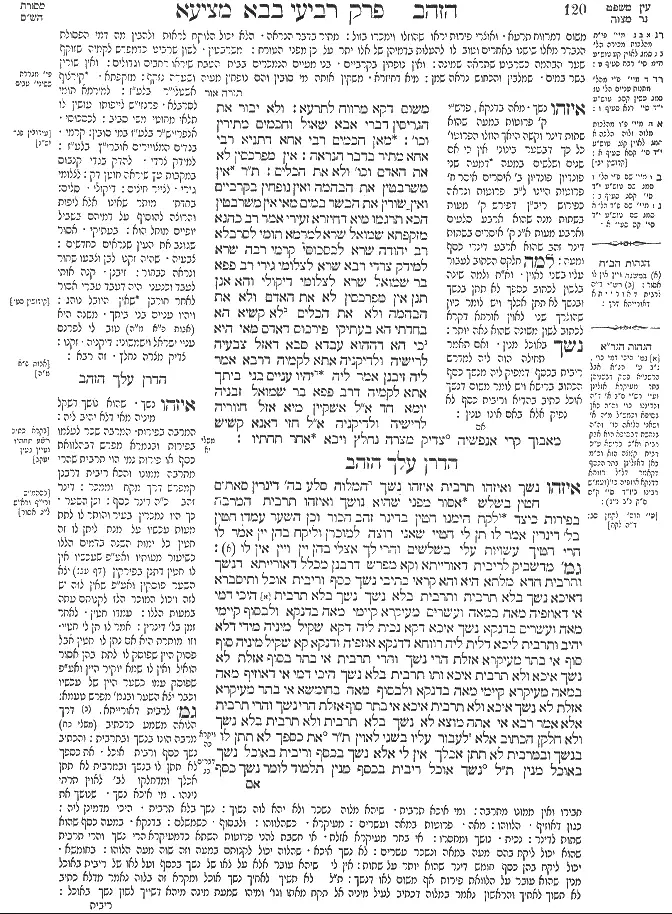
Bava Metzia 60b - Guemara
משום דקא מרווח לתרעא:
ולא יבור את הגריסין דברי אבא שאול וחכמים מתירין וכו':
מאן חכמים רבי אחא דתניא רבי אחא מתיר בדבר הנראה:
אין מפרכסין לא את האדם וכו' ולא את הכלים:
ת"ר אין משרבטין את הבהמה ואין נופחין בקרביים ואין. שורין את הבשר במים מאי אין משרבטין הכא תרגמו מיא דחיזרא זעירי אמר רב כהנא מזקפתא שמואל שרא למרמא תומי לסרבלא רב יהודה שרא לכסכוסי קרמי רבה שרא למידק צרדי רבא שרא לצלומי גירי רב פפא בר שמואל שרא לצלומי דיקולי והא אנן תנן אין מפרכסין לא את האדם ולא את הבהמה ולא את הכלים לא קשיא הא בחדתי הא בעתיקי פירכוס דאדם מאי היא כי הא דההוא עבדא סבא דאזל צבעיה לרישיה ולדיקניה אתא לקמיה דרבא אמר ליה זיבנן אמר ליה יהיו עניים בני ביתך אתא לקמיה דרב פפא בר שמואל זבניה יומא חד א"ל אשקיין מיא אזל חווריה לרישיה ולדיקניה א"ל חזי דאנא קשיש מאבוך קרי אנפשיה (משלי יא, ח) צדיק מצרה נחלץ ויבא אחר תחתיו:
הדרן עלך הזהב
מתני׳ איזהו נשך ואיזהו תרבית איזהו נשך המלוה סלע בה' דינרין סאתים חטין בשלש אסור מפני שהוא נושך ואיזהו תרבית המרבה בפירות כיצד לקח הימנו חטין בדינר זהב הכור וכן השער עמדו חטין בל' דינרין אמר לו תן לי חטיי שאני רוצה למוכרן וליקח בהן יין אמר לו הרי חטיך עשויות עלי בשלשים והרי לך אצלי בהן יין ויין אין לו:
גמ׳ מדשביק לריבית דאורייתא וקא מפרש דרבנן מכלל דאורייתא דנשך ותרבית חדא מלתא היא והא קראי כתיבי נשך כסף וריבית אוכל ותיסברא דאיכא נשך בלא תרבית ותרבית בלא נשך נשך בלא תרבית היכי דמי אי דאוזפיה מאה במאה ועשרים מעיקרא קיימי מאה בדנקא ולבסוף קיימי מאה ועשרים בדנקא נשך איכא דקא נכית ליה דקא שקיל מיניה מידי דלא יהיב ותרבית ליכא דלית ליה רווחא דדנקא אוזפיה ודנקא קא. שקיל מיניה סוף סוף אי בתר מעיקרא אזלת הרי נשך והרי תרבית אי בתר בסוף אזלת לא נשך איכא ולא תרבית איכא ותו תרבית בלא נשך היכי דמי אי דאוזיף מאה במאה מעיקרא קיימי מאה בדנקא ולבסוף מאה בחומשא אי בתר מעיקרא אזלת לא נשך איכא ולא תרבית איכא אי בתר סוף אזלת הרי נשך והרי תרבית אלא אמר רבא אי אתה מוצא לא נשך בלא תרבית ולא תרבית בלא נשך ולא חלקן הכתוב אלא לעבור עליו בשני לאוין ת"ר (ויקרא כה, לז) את כספך לא תתן לו בנשך ובמרבית לא תתן אכלך אין לי אלא נשך בכסף וריבית באוכל נשך באוכל מנין ת"ל (דברים כג, כ) נשך אוכל ריבית בכסף מנין תלמוד לומר נשך כסף
Comments from Rashi on Masechet Bava Metzia Page 60b
משום דמרווח תרעא . ואוצרי פירות יראו שהוזלו וימכרו בזול: מתיר בדבר הנראה . הלא יכול הלוקח לראות ולהבין מה דמי הפסולת הנברר מאלו שישנו באחרים וטוב לו להעלות בדמיהן של אלו יתר על כן מפני הטורח: משרבטין . לשון שרביט כדמפרש לקמיה שזוקף שער הבהמה כשרביט שתראה שמינה: ואין נופחין בקרביים . בני מעיים הנמכרים בבית הטבח שיראו רחבים וגדולים: ואין שורין בשר במים . שמלבין והכחוש נראה שמן: מיא דחיזרא . משקין אותה מי סובין והם נופחין מעיה ושערה נזקף: מזקפתא . קירצוף אשטלי"ר בלעז: למימרא תומי לסרבלא . פרנזי"ש לייפותו עושין לו תלאי מחוטי משי סביב: לכסכוסי אנפרייש"ר בלעז במי סובין: קרמי . בגדים המצויירים אוברי"ץ בלעז: למידק צרדי . להדק בגדי קנבוס במקבות עץ שיראה חוטן דק: לצלומי גירי . לצייר חיצים: דיקולי . סלים: בחדתי . מותר. שאינו אלא ליפות והרוצה להוסיף על דמיהם בשביל יופיים. מוחל הוא: בעתיקי . אסור שגונב את העין שנראים כחדשים: צבעיה . שהיה זקנו לבן וצבעו שחור ונראה כבחור: זיבנן . קנה אותי לעבד ונכרי היה דעבד עברי אסור לאחר חורבן שאין היובל נוהג: ויהיו עניים בני ביתך . משנה היא (אבות פ"א מ"ה) טוב לי לפרנס עניי ישראל וישמשוני: דיקניה . זקנו: צדיק מצרה נחלץ . זה רבא: מתני' איזהו נשך . שהוא נושך דשקל מיניה מאי דלא יהיב ליה: המרבה בפירות . המרבה שכר לעצמו בפירות ובגמרא מפרש דבהלוואת כסף או פירות נמי הוי תרבית שהרי מתרבה ממונו והכא ריבית דרבנן קמפרש דרך מקח וממכר: דינר זהב . כ"ה דינר כסף: וכן השער . כך היו נמכרין בעיר והותר לו לתת מעות עכשיו על מנת ליתן לו זה חטין כל ימות השנה בדמים הללו כשיעור מעותיו ואף על פי שעכשיו אין לו חטין דתנן בפירקין (עב ב) יצא השער. פוסקין ואף על פי שאין לזה יש לזה ויכול המוכר הלז לקנותם עתה במעות הללו: עמדו חטין . לאחר זמן בשלשים דינרין: אמר לו תן לי חטיי . וזו מותרת היא אם נתן לו חטין אבל פסוק היין שפוסק לו לתת בהן. אסור הואיל ואין לו שמא יוקיר היין ואף על פי שפוסק עמו כשער היין של עכשיו וכבר יצא השער ובגמרא מפרש טעמא: גמ' לרבית דאורייתא . דרך הלואה משמע כדכתיב (משלי כח) מרבה הונו בנשך ובתרבית: והכתיב נשך כסף ורבית אוכל . את כספך לא תתן לו בנשך ובמרבית לא תתן אכלך ומדחלקו לשני לאוין. תרתי נינהו: מי איכא נשך . שנושך את חבירו ואין ממונו מתרבה: ומי איכא תרבית . שיהא מלוה נשכר ולא יהא לוה נשוך: נשך בלא תרבית . היכי מדמינן ליה: כגון דאוזיף . הלווהו: מאה . פרוטות במאה ועשרים: מעיקרא . כשמלווהו: ולבסוף . כשמשלם: בדנקא . במעה כסף שהוא שתות לדינר: נכית . נושך ומחסרו: אי בתר מעיקרא אזלת . אי חשבת להני פרוטות השתא כדמעיקרא. הרי נשך והרי תרבית שהוא יכול ליקח בהם מעה במאה ונשכר עשרים: לא נשך איכא . שהלוה יכול לקנותם במעה וזה. שוה מעה הלוהו: בחומשא . יכול ליקח בהן כסף חומש דינר שהוא יותר על שתות: אין לי . שיהא עובר אלא על לאו של נשך. בכסף ועל לאו של ריבית. באוכל מנין שהוא עובר על הלוואת פירות אף משום לאו דנשך: תלמוד לומר . לא תשיך לאחיך נשך אוכל ומקרא זה בלוה נאמר מדלא כתיב לא תשוך לאחיך והראשון נאמר במלוה דכתיב לעיל מיניה אל תקח מאתו וגו' ומיהו שמעת מינה מיהא דשייך לשון נשך באוכל:
Comments from Tosafot - Bava Metzia 60b
מתני' איזהו נשך. מאה בדנקא פרש"י . ק' פרוטות במעה שהוא שתות דינר וקשה היאך הוזלו הפרוטו' כל כך דבשער בינוני אין כי אם שנים ושלשים במעה ומעה שני פונדיון פונדיון ב' איסרים איסר ח' פרוטות היינו ל"ב פרוטות ונראה כפירוש ריב"ן דפירש ק' מעות בשתות מנה שהוא ארבע סלעים וארבע מעות א"נ ק' איסרים בשתות דינר זהב שהוא ארבע דינרי כסף ומעה: למה חלקם הכתוב לעבור עליו בשני לאוין . וא"ת ולמה שינה בלשון לכתוב כספך לא תתן בנשך ובנשך לא תתן אכלך ויש לומר כיון שהוצרך שני לאוין אורחא דקרא לכתוב לשון משונה שהוא נאה יותר: נשך באוכל מנין . ואם תאמר תחילה הוה ליה למדרש ריבית בכסף דמפיק ליה מנשך כסף הכתוב ברישא ויש לומר משום דנשך אוכל כתיב בהדיא וריבית כסף לא נפיק אלא באם אינו ענין:
Bava Metzia 60b - Mishnah translated into english
The Gemara explains: It is due to the fact that by lowering the price he eases the market rate, i.e., his actions lead to the establishment of a lower market price.
The mishna teaches: And one may not sift ground beans to remove the waste and charge a higher price; this is the statement of Abba Shaul. And the Rabbis permit doing so. The Gemara comments: Who are the Rabbis whose opinion is cited in the mishna? It is Rabbi Aḥa, as it is taught in a baraita: Rabbi Aḥa permits mixing, and sifting, and the like, in the case of an item in which the change is obvious.
The mishna taught: One may neither adorn a person, nor an animal, nor vessels. The Sages taught: One may neither stiffen the hair of an animal to create the impression that it is more voluminous than it is, nor inflate innards sold as meat to create the impression that it is a more substantial piece of meat, nor soak meat in water in order to change its color and create the impression that it is a choice cut. The Gemara asks: What is the meaning of: One may not stiffen the hair of an animal? Here, in Babylonia, they explained that it means to feed the animal bran water, which inflates its intestines and causes its hair to stand on end. Ze’eiri said in the name of Rav Kahana: It means scrubbing the hair clean to increase its volume.
The Gemara relates: Shmuel permitted sellers to place fringes on a cloak; Rav Yehuda permitted them to clean and adorn ornamented garments; Rabba permitted them to taper linen garments to cause them to appear more fine; Rava permitted them to draw arrows to ornament garments; Rav Pappa bar Shmuel permitted them to draw baskets for ornamentation. The Gemara asks: But didn’t we learn in the mishna: One may neither adorn a person, nor an animal, nor vessels? The Gemara answers: This is not difficult, as this series of cases, where the Sages permitted adorning merchandise, are cases of new merchandise. It may be decorated, as doing so merely enhances its intrinsic beauty. That ruling in the mishna, according to which adornment is prohibited, is referring to cases of old merchandise, as the adornment is meant to conceal its flaws.
The Gemara asks: Adornment of a person, what is it? The Gemara relates: It is as in that incident involving a certain elderly slave who went and dyed his head and beard black to create a younger impression. He came before Rava and said to him: Purchase me as your slave. Rava said to him that there is a rabbinic adage: Let the poor be members of your household. I follow their advice and therefore do not require a slave. If I need assistance, the paupers who frequent my house can assist me.
The slave came before Rav Pappa bar Shmuel, who purchased him. One day Rav Pappa said to the slave: Give me water to drink. The slave went and removed the dye and whitened the hair on his head and his beard. The slave said to Rav Pappa: See that I am older than your father, and I am unfit to serve you. Rav Pappa read about himself: The righteous person is delivered from trouble, and another comes in his stead (see Proverbs 11:8). Rav Pappa applied the verse to the incident of the slave. The righteous person, Rava, was spared the problem of the slave; while another, Rav Pappa bar Shmuel, came in his stead.
MISHNA: The Torah states the prohibition against taking interest: “And if your brother becomes impoverished, and his hand falters with you, then you shall support him; whether a stranger or a native, he shall live with you. You shall not take from him interest [neshekh] or increase [tarbit]; you shall fear your God and your brother shall live with you. You shall not give him your money with neshekh and with marbit you shall not give him your food” (Leviticus 25:35–37). The mishna asks: Which is neshekh, and which is tarbit?
Which is the case in which there is neshekh? With regard to one who lends another a sela, worth four dinars, for five dinars to be paid later, or one who lends another two se’a of wheat for three se’a to be returned later, this is prohibited, as it is taking interest [noshekh].
And which is the case in which there is tarbit? It is the case of one who enters into a transaction that yields an increase in the produce beyond his investment. How so? For example, one acquired wheat from another at the price of one kor of wheat for one gold dinar, worth twenty-five silver dinars, with the wheat to be supplied at a later date, and such was the market price of wheat at the time he acquired it. The price of one kor of wheat then increased and stood at thirty dinars.
At that point, the buyer said to the seller: Give me all of my wheat now, as I wish to sell it and purchase wine with it. The seller said to him: Since it is ultimately wine that you want, not wheat, each kor of your wheat is considered by me to be worth thirty dinars, and you have the right to collect its value in wine from me. And in this case, the seller did not have wine in his possession. If wine then appreciates in value, the result will be an interest-bearing transaction, as the buyer collects from the seller wine worth more than the wheat for which he paid.
GEMARA: The Gemara asks: From the fact that in explaining the term tarbit, the tanna sets aside the topic of interest by Torah law, which is interest decided upon at the time of a loan, and instead explicates a case of lending with interest that is prohibited by rabbinic law, one can conclude by inference that by Torah law, neshekh and tarbit are one matter, and there is no halakhic distinction between them. The Gemara asks: But aren’t the verses written using the term neshekh for interest that is on a loan of money and tarbit or marbit, which are cognates of the term ribit, for interest that is on a loan of food? This is as the verse states: “You shall not give him your money with neshekh and with marbit you shall not give him your food” (Leviticus 25:37).
The Gemara asks: And can you understand that there is neshekh without tarbit, and tarbit without neshekh? The term neshekh, from a root meaning bite, connotes loss to the borrower, while the term tarbit, literally increase, connotes profit for the lender. The Gemara asks: What are the circumstances where there could be neshekh without tarbit?
If it is in a case where one lends to another one hundred perutot with the agreement to be repaid one hundred and twenty, and initially one hundred copper perutot are worth one-sixth [bedanka] of a dinar, and ultimately, when he pays, one hundred and twenty perutot are worth one-sixth of a dinar, this is not an example of one without the other. Although one might say that there is neshekh, as the lender reduces the borrower’s assets since the lender takes in payment from the borrower coins that he did not give him in the loan, and there is no tarbit, as there is no profit for the lender in this transaction, since he lent him one-sixth of a dinar and he received from him one-sixth of a dinar, that is not correct.
The Gemara explains: Ultimately, if you go according to the initial value, when the loan was granted, there is neshekh and there is tarbit, as the borrower agreed to pay more than he received. If you go according to the ultimate value, when the loan was repaid, there is neither neshekh nor is there tarbit, as he repaid only the value he received.
Additionally, what are the circumstances in which there could be tarbit without neshekh? If it is in a case where one lends to another one hundred perutot with the agreement to be repaid one hundred, and initially one hundred copper perutot are worth one-sixth of a dinar, and ultimately, when he is repaid, one hundred perutot are worth one-fifth of a dinar, this is not an example of one without the other.
The Gemara explains: If you go according to the initial value, when the loan was granted, there is neither neshekh nor is there tarbit, as he is repaid only the value that he lent. If you go according to the ultimate value, when the loan was repaid, there is neshekh and there is tarbit, as the value of one hundred perutot has increased.
Rather, Rava said: You do not find neshekh without tarbit nor tarbit without neshekh, and the verse distinguished between them only so that lending with interest always involves violating two prohibitions.
The Sages taught in a baraita: The verse states: “You shall not give him your money with neshekh and with marbit you shall not give him your food” (Leviticus 25:37). I have derived only that there is a prohibition of neshekh for a loan of money and a prohibition of ribit for a loan of food. From where is it derived that there is neshekh with regard to a loan of food as well? The baraita answers: A different verse states: “You shall not lend with interest [tashikh] to your brother: Neshekh of money, neshekh of food, neshekh of anything that is lent with interest [asher yishakh]” (Deuteronomy 23:20). The baraita continues: From where is it derived that there is ribit with regard to a loan of money? The verse states: “Neshekh of money.”
Traduction : The William Davidson digital edition of the Koren Noé Talmud, with commentary by Rabbi Adin Even-Israel Steinsaltz.