 Talmud Bavli
Yevamot 60a : Youtube
Daf TubeYoutube
2 video classes :
Yevamot Page 60a
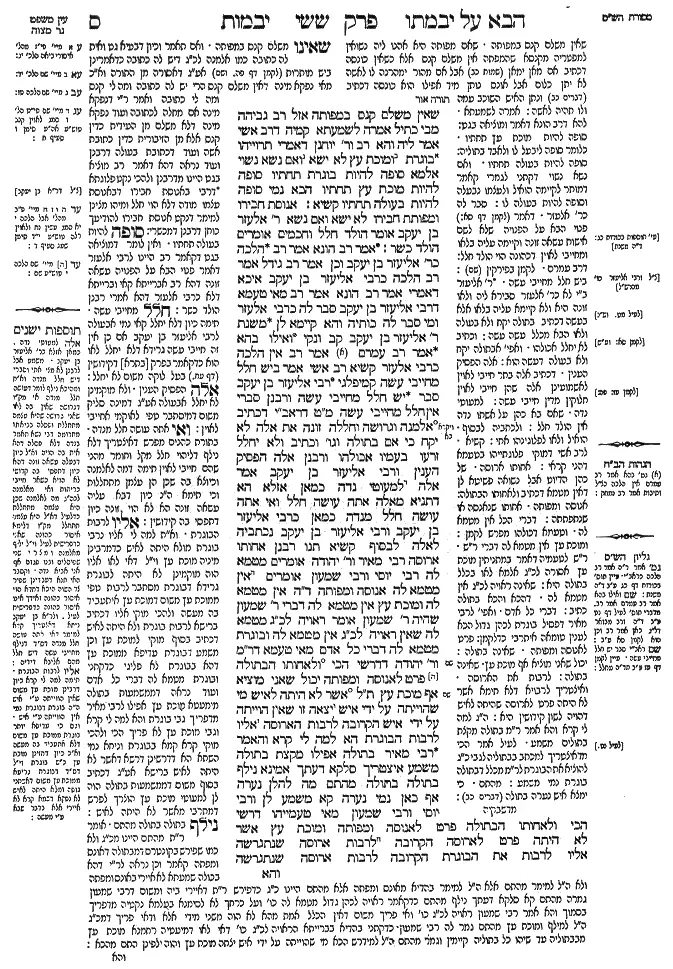
Yevamot 60a - Guemara
שאין משלם קנס במפותה אזל רב גביהה מבי כתיל אמרה לשמעתא קמיה דרב אשי אמר ליה והא רב ור' יוחנן דאמרי תרוייהו בוגרת ומוכת עץ לא ישא ואם נשא נשוי אלמא סופה להיות בוגרת תחתיו סופה להיות מוכת עץ תחתיו הכא נמי סופה להיות בעולה תחתיו קשיא:
אנוסת חבירו ומפותת חבירו לא ישא ואם נשא ר' אלעזר בן יעקב אומר הולד חלל וחכמים אומרים הולד כשר:
אמר רב הונא אמר רב הלכה כר' אליעזר בן יעקב וכן אמר רב גידל אמר רב הלכה כרבי אליעזר בן יעקב איכא דאמרי אמר רב הונא אמר רב מאי טעמא דרבי אליעזר בן יעקב סבר לה כרבי אלעזר ומי סבר לה כותיה והא קיימא לן משנת ר' אליעזר בן יעקב קב ונקי ואילו בהא אמר רב עמרם אמר רב אין הלכה כרבי אלעזר קשיא רב אשי אמר ביש חלל מחייבי עשה קמיפלגי רבי אליעזר בן יעקב סבר יש חלל מחייבי עשה ורבנן סברי אין חלל מחייבי עשה מ"ט דראב"י דכתיב (ויקרא כא, יד) אלמנה וגרושה וחללה זונה את אלה לא יקח כי אם בתולה וגו' וכתיב ולא יחלל זרעו בעמיו אכולהו ורבנן אלה הפסיק הענין ורבי אליעזר בן יעקב אמר אלה למעוטי נדה כמאן אזלא הא דתניא מאלה אתה עושה חלל ואי אתה עושה חלל מנדה כמאן כרבי אליעזר בן יעקב ורבי אליעזר בן יעקב נכתביה לאלה לבסוף קשיא תנו רבנן אחותו ארוסה רבי מאיר ור' יהודה אומרים מטמא לה רבי יוסי ורבי שמעון אומרים אין מטמא לה אנוסה ומפותה ד"ה אין מטמא לה ומוכת עץ אין מטמא לה דברי ר' שמעון שהיה ר' שמעון אומר ראויה לכ"ג מטמא לה שאין ראויה לכ"ג אין מטמא לה ובוגרת מטמא לה דברי כל אדם מאי טעמא דר"מ ור' יהודה דדרשי הכי (ויקרא כא, ג) ולאחותו הבתולה פרט לאנוסה ומפותה יכול שאני מוציא אף מוכת עץ ת"ל (ויקרא כא, ג) אשר לא היתה לאיש מי שהוייתה על ידי איש יצאה זו שאין הוייתה על ידי איש הקרובה לרבות הארוסה אליו לרבות הבוגרת הא למה לי קרא והאמר רבי מאיר בתולה אפילו מקצת בתולה משמע איצטריך סלקא דעתך אמינא נילף בתולה בתולה מהתם מה להלן נערה אף כאן נמי נערה קא משמע לן ורבי יוסי ורבי שמעון מאי טעמייהו דרשי הכי ולאחותו הבתולה פרט לאנוסה ומפותה ומוכת עץ אשר לא היתה פרט לארוסה הקרובה לרבות ארוסה שנתגרשה אליו לרבות את הבוגרת הקרובה לרבות ארוסה שנתגרשה
Comments from Rashi on Masechet Yevamot Page 60a
שאין משלם קנס במפותה . שאם מפותה היא אהנו ליה נשואין למפטריה מקנסא שהמפתה אין משלם קנס אלא כשאין כונסה דכתיב אם מאן ימאן (שמות כב) אבל אם מהור ימהרנה לו לאשה לא יתן כלום אבל אונס נותן מיד אפילו הוא כונסה דכתיב (דברים כב) ונתן האיש השוכב עמה ולו תהיה לאשה: אמרה לשמעתא . להא דרב הונא דאמר ומוציאה בגט: סופה להיות מוכת עץ תחתיו . כלומר סופה ליבעל לו ולאבד בתוליה: סופה להיות בעולה תחתיו . ואם נשא נשוי דקתני לגמרי קאמר דמותר לקיימה הואיל ולעצמו נבעלה וסופה להיות בעולה לו: סבר לה כר' אלעזר . דאמר (לקמן יבמות דף סא:) פנוי הבא על הפנויה שלא לשם אישות עשאה זונה וקיימה עליה בלאו ומחייבי לאוין דכהונה הוי הולד חלל: דרב עמרם . לקמן בפירקין (שם): ביש חלל מחייבי עשה . ר' אליעזר ב"י לא כר' אלעזר סבירא ליה ולאו זונה היא ולא קיימא עליה בלאו אלא בעשה דכתיב בתולה יקח ולא בעולה ולאו הבא מכלל עשה עשה: וכתיב לא יחלל אכולהו . ואפי' אבתולה יקח ולא בעולה דעשה הוא: אלה הפסיק הענין . דכתיב אלה בתר חייבי לאוין לאשמועינן אלה שהן חייבי לאוין חלוקין מדין חייבי עשה: למעוטי נדה . שאם בא כהן על אשתו נדה אין הולד חלל: ולכתביה לבסוף . הואיל ולאו לפלוגינהו אתי: קשיא . לרב אשי דמוקי פלוגתייהו בטעמא דהני קראי: אחותו ארוסה . של כהן הדיוט אבל נשואה פשיטא לן דאין מטמא דכתיב ולאחותו הבתולה: אנוסה ומפותה . אחותו שנאנסה או שנתפתתה: דברי הכל אין מטמא לה . וטעמא דכולהו מפרש לקמן: ומוכת עץ אין מטמא לה דברי ר"ש . ר"ש לטעמיה דאמר במתניתין מוכת עץ אסורה לכ"ג אלמא לאו בכלל בתולה היא: שאינה ראויה לכ"ג אין מטמא לה . דהכא והכא בתולה כתיב: דברי כל אדם . ואפי' לרבי מאיר דפסיל בוגרת לכהן גדול הכא לענין טומאה איתרבי כדלקמן: פרט לאנוסה ומפותה . שאינה בתולה: יכול שאני מוציא אף מוכת עץ . שאינה בתולה: לרבות את הארוסה . ואיצטריך לרבויא דלא תימא אשר לא היתה פרט לארוסה שהיתה לאיש דהויה לשון קידושין היא: ה"ג למה לי קרא והא אמר ר"מ בתולה מקצת בתולים משמע . לעיל אמר הכי מדאיצטריך למכתב בבתוליה לגבי כ"ג להוציא את הבוגרת לר"מ מכלל דבתולה בוגרת נמי משמע: מהתם . כי ימצא איש נערה בתולה (דברים כב):
Comments from Tosafot - Yevamot 60a
שאינו משלם קנס במפותה . ואם תאמר וכיון דבעיא גט ואית לה כתובה כמו אלמנה לכ"ג דיש לה כתובה כדאמרינן ביש מותרות (לקמן יבמות דף פה. ושם) אע"ג דאסורה מן התורה וא"כ מאי נפקא מינה דאין משלם קנס הרי יש לה כתובה ומה לי קנס ומה לי כתובה ואמר ר"י דנפקא מינה אם מחלה לכתובה ועוד נפקא מינה דלא משלם מן העידית כדין קנס אלא מן הזיבורית כדין כתובת אשה ועוד דכתובת בעולה דרבנן ועוד נראה דהא דאמר רב מוציא בגט היינו מדרבנן ולהכי נקט פלוגתא דרבי באנוסת חבירו דבאנוסת עצמו מודה דלא הוי חלל ומיהו מצינן למימר דנקט אנוסת חבירו להודיעך כוחן דרבנן דמכשרי: סופה להיות בעולה תחתיו . ואין לומר דמוציאה בגט דקאמר רב היינו לרבי אלעזר דאמר פנוי הבא על הפנויה עשאה זונה דהא רב אברייתא קאי וברייתא דלא כרבי אלעזר דהא אמרי רבנן הולד כשר: חלל מחייבי עשה . תימה כיון דלא יחלל קאי נמי אבעולה לרבי אליעזר בן יעקב אם כן אין זה חייבי עשה גרידא דלא יחלל לאו הוא כדקאמר בפרק בתרא דקידושין (דף עח.) בעל לוקה משום לא יחלל: אלה הפסיק הענין . ולא מוקמינן לא יחלל אבעולה אע"ג דמינה סליק משום דמיסתבר טפי לאוקמי אחייבי לאוין: ואי אתה עושה חלל מנדה . בתורת כהנים מפרש דאיצטריך דלא נילף דליהוי חלל מקל וחומר מהני שהם חייבי לאוין תימה דמה לאלמנה וכיוצא בה שכן הן עצמן מתחללות וכי תימא ה"נ כיון דבא עליה עשאה זונה הא לא הוי זונה כיון דתפסי בה קידושין: אליו לרבות הבוגרת . וא"ת למה לי אליו נרבי בוגרת מולא היתה לאיש כדמרבינן מיניה מוכת עץ וי"ל דאי לאו אליו הוה מוקמינן לא היתה לבוגרת גרידא דבוגרת מסתבר לרבות טפי ממוכת עץ משום דמוכת עץ איתעביד בה מעשה ולהכי מוקי אליו דכתיב ברישא לרבות בוגרת ולא היתה לאיש דכתיב בסוף מוקי למוכת עץ וכן משמע דבוגרת עדיפא ממוכת עץ דהא בבוגרת לא פליגי כדקתני ובוגרת מטמא לה דברי כל אדם ועוד נראה דממשמעות בתולה מימעטא מוכת עץ אפילו לרבי מאיר מדפריך גבי בוגרת והא למה לי קרא וגבי מוכת עץ לא פריך הכי ולהכי מוקי קרא קמא בבוגרת וניחא נמי השתא הא דדרשינן דרשא דאשר לא היתה לאיש ברישא אע"ג דכתיב בסוף משום דממשמעות בתולה הוה לן למעוטי מוכת עץ הוצרך לפרש דמתרבי מאשר לא היתה לאיש: נילף בתולה בתולה מהתם . אומר ר"ת מהתם היינו מכ"ג ולא כמו שפירש בקונטרס דמבתולה דאונס ומפתה קאמר וכן נראה לר"י דהא בכולה שמעתא לא איירי באונס ומפתה ולא ה"ל למימר מהתם אלא ה"ל למימר בהדיא מאונס ומפתה אלא מהתם היינו כ"ג כדפירש ר"ת דאיירי ביה ומשום דרבי שמעון גמרה מהתם קא סלקא דעתך נילף מהתם כדקאמר ראויה לכהן גדול מטמא לה כו' ועל כרחך לא לסימנא בעלמא נקטיה מדפריך בסמוך והא אמר רבי שמעון ראויה לכ"ג כו' ואי פריך משום דאין הכלל אמת מהא לא הוה משני מידי אלא ודאי פריך דמכ"ג ה"ל למילף ומוכת עץ מהתם גמר לה רבי שמעון כדקתני בהדיא בברייתא הראויה לכ"ג כו' דאי לאו דמיעטיה רחמנא מוכת עץ מבבתוליה עד שיהו כל בתוליה קיימין וגמר מהתם ה"ל למידרש הכא מי שהוייתה על ידי איש יצתה מוכת עץ והוה ילפינן התם מהכא:
Yevamot 60a - Mishnah translated into english
that he does not pay the fine of a seduced woman. One who seduced a woman and does not wish to marry her must pay a fine (see Exodus 22:14–15). Since in this case he did marry her, he is not liable to pay the fine even though he is required to divorce her.
The Gemara relates that when Rav Geviha went from Bei Ketil he stated this halakha before Rav Ashi, who said to him: Isn’t it Rav and Rabbi Yoḥanan who both say: A High Priest may not marry a grown woman and a woman whose hymen was torn accidentally, but if he married one of them he is married?
Apparently, the reason for this halakha is that since she will eventually be a grown woman under him, i.e., while married to him, and she will eventually be a woman whose hymen was torn under him, as she will not remain a virgin, they are permitted to remain married after the fact. Here too, in the case of a High Priest who married a woman he raped or seduced, since she will eventually be a non-virgin under him, the baraita should be understood as stating that they may remain married. The Gemara concludes: Indeed, this is difficult for Rav Huna.
§ The baraita cited above taught: With regard to a woman who was raped by another man and a woman seduced by another man, the High Priest may not marry her. And if he married her, Rabbi Eliezer ben Ya’akov says that the child born from this union is a ḥalal, and the Rabbis say the lineage of the offspring is unflawed. Rav Huna said that Rav said: The halakha is in accordance with the opinion of Rabbi Eliezer ben Ya’akov. And, so too, Rav Giddel said that Rav said: The halakha is in accordance with the opinion of Rabbi Eliezer ben Ya’akov.
Some say a different version of this statement. Rav Huna said that Rav said: What is the reason of Rabbi Eliezer ben Ya’akov? He holds in accordance with the opinion of Rabbi Elazar, that an unmarried man who has intercourse with an unmarried woman has thereby caused her to become a zona. Consequently, since the other man had intercourse with this woman outside of the context of marriage, she is a zona.
The Gemara asks: Does he really hold in accordance with the opinion of Rabbi Elazar? Don’t we maintain that the teaching of Rabbi Eliezer ben Ya’akov measures a kav but is clean, i.e., not many of his rulings have been recorded, but those that have been recorded are considered authoritative, and the halakha is always in accordance with his opinion? However, with regard to this ruling of Rabbi Elazar, Rav Amram said that Rav said that the halakha is not in accordance with Rabbi Elazar. The Gemara comments: This is indeed difficult.
Rav Ashi said: This is not the reason for the dispute. Rather, they disagree with regard to whether there is a ḥalal from a relationship for which the man and woman are liable for transgressing a positive mitzva. The marriage of a High Priest to a non-virgin is a violation of the mitzva that a High Priest marry a virgin, but it is not expressed in the Torah as a prohibition against a High Priest marrying a non-virgin. Rabbi Eliezer ben Ya’akov holds that there is a ḥalal from a relationship for which the man and woman are liable for violating a positive mitzva, and the Rabbis hold that there is no ḥalal from a relationship for which the man and woman are liable for violating a positive mitzva.
What is the reason of Rabbi Eliezer ben Ya’akov? As it is written: “A widow, or one divorced, or a ḥalala, or a zona, these shall he not take; but a virgin of his own people shall he take for a wife” (Leviticus 21:14), and it states subsequently: “And he shall not profane his seed among his people” (Leviticus 21:15). Rabbi Eliezer ben Ya’akov maintains that this profanation is referring to all of them, i.e., he profanes his seed by marrying any woman unfit for him, including a non-virgin.
And what do the Sages hold? The word “these” concluded discussion of that matter. Consequently, only the prohibitions listed before the phrase “these shall he not take” result in the offspring being a ḥalal. And Rabbi Eliezer ben Ya’akov said: The word “these” comes to exclude a menstruating woman. If a priest has relations with a menstruating woman, the offspring is not a ḥalal, as this is not a prohibition specific to priests.
The Gemara asks: In accordance with whose opinion is that which is taught in the following baraita: From the prohibitions preceding the phrase “these shall he not take” you cause your offspring to be a ḥalal, but you do not cause your offspring to be a ḥalal by having a child with a menstruating woman. In accordance with whose opinion is it? It is in accordance with the opinion of Rabbi Eliezer ben Ya’akov. The Gemara asks: And according to Rabbi Eliezer ben Ya’akov, let the verse write the word these at the end, after stating that a High Priest must marry a virgin, in order to make it clear that if he marries a non-virgin their child is a ḥalal. The Gemara responds: Indeed, this is difficult.
§ The Sages taught: With regard to a priest’s betrothed sister, Rabbi Meir and Rabbi Yehuda say: He must become impure for her upon her death. Rabbi Yosei and Rabbi Shimon say: He may not become impure for her. With regard to his sister who has been raped or seduced, all agree that he may not become impure for her upon her death. With regard to his sister whose hymen was torn accidentally, he may not become impure for her; this is the statement of Rabbi Shimon, as Rabbi Shimon would say the following principle: If his sister was fit for a High Priest, he must become impure for her, but if she was not fit for a High Priest, he may not become impure for her.
And if his sister was a grown woman, he must become impure for her according to everyone. Even those who hold that a High Priest may not marry a grown woman because her hymen is no longer whole agree that with regard to a priest becoming impure, she is considered a virgin and he must therefore become impure for her upon her death.
The Gemara analyzes this baraita: What is the reason of Rabbi Meir and Rabbi Yehuda? They expound the verse as follows: “And for his virgin sister, who is near to him, who has had no man, for her must he defile himself” (Leviticus 21:3). “And for his virgin sister” excludes one who has been raped or seduced, as they are not virgins.
One might have thought that I should exclude even a woman whose hymen was torn accidentally via a foreign object. The verse therefore states: “Who has had no man,” to include only one whose becoming a non-virgin was caused by a man, i.e., through intercourse. This case of a woman whose becoming a non-virgin was not caused by a man but rather by an object is thereby excluded from the category of a non-virgin, and her brother does become impure for her. “Who is near”; this is to include a betrothed sister. “To him”; this is to include a grown woman.
The Gemara asks: Why do I need a verse to include a grown woman? Didn’t Rabbi Meir say that the word “virgin” indicates even a woman who is partly a virgin, i.e., a grown woman, whose hymen is partially intact? Consequently, when the verse states that the priest becomes impure for his virgin sister, a grown woman is included. The Gemara answers: The derivation from the verse is necessary, as it might enter your mind to say that we should derive a verbal analogy from the word “virgin” in this context and the word “virgin” from there, the context of a High Priest: In the analogy, just as there the virgin referred to is a young woman and not a grown woman, so too here she must be a young woman. The verse therefore teaches us that a priest becomes impure for his sister even if she is a grown woman.
And Rabbi Yosei and Rabbi Shimon, what is their reason? They expound as follows: “And for his virgin sister” excludes a woman who was raped or seduced and a woman whose hymen was torn accidentally, who is also not considered a virgin. “Who has had no man” excludes a betrothed sister, although she is not yet fully married. “Who is near”; this is to include a betrothed woman who was then divorced, as she is once again near to her brother. “To him”; this is to include a grown woman. The Gemara asks: Can the term “who is near” come to include a betrothed woman who was divorced?
Traduction : The William Davidson digital edition of the Koren Noé Talmud, with commentary by Rabbi Adin Even-Israel Steinsaltz.