 Talmud Bavli
Yevamot 82a : Youtube
Daf TubeYoutube
2 video classes :
Yevamot Page 82a
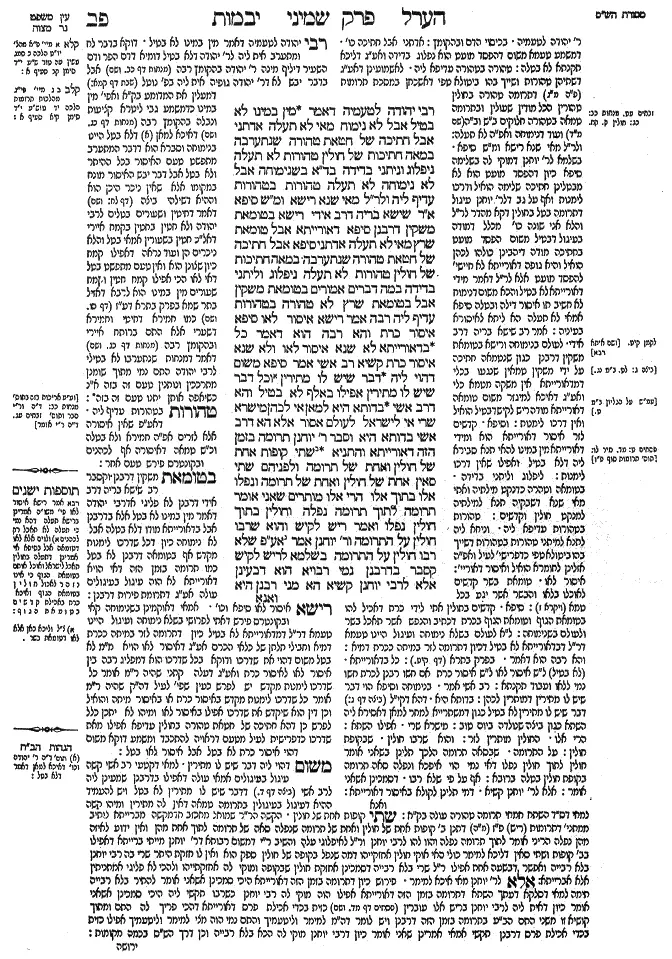
Yevamot 82a - Guemara
רבי יהודה לטעמיה דאמר מין במינו לא בטיל אבל לא נימוח מאי לא תעלה אדתני אבל חתיכה של חטאת טהורה שנתערבה במאה חתיכות של חולין טהורות לא תעלה ניפלוג וניתני בדידה בד"א בשנימוחה אבל לא נימוחה לא תעלה טהורות בטהורות עדיף ליה ולר"ל מאי שנא רישא ומ"ש סיפא א"ר שישא בריה דרב אידי רישא בטומאת משקין דרבנן סיפא דאורייתא אבל טומאת שרץ מאי לא תעלה אדתני סיפא אבל חתיכה של חטאת טהורה שנתערבה במאה חתיכות של חולין טהורות לא תעלה ניפלוג וליתני בדידה במה דברים אמורים בטומאת משקין אבל בטומאת שרץ לא טהורה בטהורות עדיף ליה רבה אמר רישא איסור לאו סיפא איסור כרת והא רבה הוא דאמר כל בדאורייתא לא שנא איסור לאו ולא שנא איסור כרת קשיא רב אשי אמר סיפא משום דהוי ליה דבר שיש לו מתירין וכל דבר שיש לו מתירין אפילו באלף לא בטיל והא דרב אשי בדותא היא למאן אי לכהן מישרא שרי אי לישראל לעולם אסור אלא הא דרב אשי בדותא היא וסבר ר' יוחנן תרומה בזמן הזה דאורייתא והתניא שתי קופות אחת של חולין ואחת של תרומה ולפניהם שתי סאין אחת של חולין ואחת של תרומה ונפלו אלו בתוך אלו הרי אלו מותרים שאני אומר תרומה לתוך תרומה נפלה וחולין בתוך חולין נפלו ואמר ריש לקיש והוא שרבו חולין על התרומה ור' יוחנן אמר אע"פ שלא רבו חולין על התרומה בשלמא לריש לקיש קסבר בדרבנן נמי רבויא הוא דבעינן אלא לרבי יוחנן קשיא הא מני רבנן היא
Comments from Rashi on Masechet Yevamot Page 82a
ר' יהודה לטעמיה . בכיסוי הדם ובהקומץ: אדתני אבל חתיכה כו' . דמשמע טעמא משום דהפסד מועט הוא נפלוג בדידה ואע"ג דליכא תקנתא לא בטלה: טהורה בטהורה עדיפא ליה . לאשמועינן דאע"ג דשתיהן טהורות ושייך בהו ביטולא טפי דאשכחן במסכת תרומות (פ"ה מ"ג) דתרומה טהורה בחולין טהורין הכל מודין שעולין ובתרומה טמאה בטהורה חלוקים ב"ש וב"ה (שם מ"ד) ועוד דנימוחה ואפ"ה לא תעלה: ולר"ל מאי שנא רישא ומ"ש סיפא . בשלמא לר' יוחנן דמוקי לה בשלימה סיפא כיון דהפסד מועט הוא לא מבטלינן חתיכה שלימה הואיל ודרכו לימנות ואף על גב דלר' יוחנן עיגול דתרומה בטל בחולין דקא מהדר לר"ל והלא אני שונה כו' מכלל דמודה בעיגול דבטיל משום הפסד מועט בחתיכה מודה דיהבינן כולהו לכהן הואיל והיא גופה דאורייתא לא חיישי' להפסד מועט אלא לר"ל דאמר מידי דאורייתא לא בטיל והכא משום דנימוח לא חשיב תו איסור דילה ובטלה סיפא אמאי לא תעלה הא ליתא לאיסורא בעיניה: אמר רב שישא בריה דרב אידי . לעולם בנימוחה ורישא בטומאת משקין דרבנן כגון שנטמאה חתיכה על ידי משקין טמאין שנגעו בכלי דמדאורייתא אין משקה מטמא כלי ואע"ג דאיכא למיגזר משום טומאה דאורייתא מודה ריש לקיש דבטיל הואיל ואין דרכו לימנות: וסיפא . קדשים לזר איסור דאורייתא הוא ומידי דאורייתא מין במינו להאי תנא סבירא ליה דלא בטיל ואפילו שאין דרכו לימנות: ליפלוג וליתני בדידה . בטומאה וטהרה כדנקט מילתיה ואתי מאי שנא דשבקיה תנא למילתיה למנקט חולין וקדשים: טהורות בטהורות עדיפא ליה . וניחא ליה לתנא למיתני טהורות בטהורות דשייך בהו ביטולא טפי כדפרישי' לעיל ואפ"ה אזלינן לחומרא הואיל ואיסור דאוריי': איסור לאו . טומאת בשר קדשים לאוכלו בלאו והבשר אשר יגע בכל טמא (ויקרא ז): סיפא . קדשים בחולין אתי לידי כרת דאכיל להו בטומאת הגוף וטומאת הגוף בכרת דכתיב והנפש אשר תאכל בשר ולעולם בשנימוחה: ל"א לעולם בשלא נימוחה . ועיגול היינו טעמא דר"ל דבדאורייתא לא בטיל דכיון דתרומה לזר במיתה ככרת דמיא: והא רבה הוא דאמר . בפרק בתרא (דף קיט.): כל בדאורייתא (לא בטיל) ל"ש איסור לאו ל"ש איסור כרת . אם חשו רבנן לכרת חשו נמי ללאו ועבוד תקנתא: רב אשי אמר . בנימוחה וסיפא הוי דבר שיש לו מתירין דמותרין לכהן: בדותא היא . דהא דקי"ל (ביצה דף ג:) דבר שיש לו מתירין לא בטיל כגון דמשתרייא למחר למאן דאסירא ליה השתא כגון ביצה שנולדה ביום טוב: מישרא שרי . אפילו השתא: הרי אלו . החולין מותרין לזר: והוא שרבו חולין . שבקופת חולין: על התרומה . שבסאה תרומה הלכך תלינן בשאני אומר חולין לתוך חולין נפלו דאי נמי הוי איפכא ונפלה סאה תרומה בקופת חולין בטלה ברובא: אף על פי שלא רבו . דסמכינן אשאני אומר: אלא לר' יוחנן קשיא . דמי תלינן לקולא באיסור דאורייתא:
Comments from Tosafot - Yevamot 82a
רבי יהודה לטעמיה דאמר מין במינו לא בטיל . דוקא בדבר לח ומתערב אית ליה לר' יהודה דלא בטיל דומיא דדם הפר ודם השעיר דיליף מינה ר' יהודה בהקומץ רבה (מנחות דף כב. ושם) אבל בדבר יבש לא דר' יהודה גופיה אית ליה בפ' נוטל (שבת דף קמא:) דמעלין את המדומע בק"א ואפי' מין במינו כדמשמע גבי ליטרא קציעות ונבלה בהקומץ רבה (מנחות דף כג. ושם) דאיכא למאן דלא בטל היינו בנימוחה וסברא הוא דדבר המתערב מתפשט טעם האיסור בכל ההיתר ולא בטל אבל דבר יבש האיסור מונח במקומו אלא שאין ניכר היכן הוא וההיא דשילהי ביצה (דף לח: ושם) דאמר דחיטין ושעורים בטלים לרבי יהודה ולא חטין בחטין בקמח איירי דאל"כ חטין בשעורין אמאי בטל והלא ניכרים הן ועוד נראה דאפילו קמח כיון שצונן הוא ואין טעם מתפשט בטל דאי לאו הכי אפילו קמח חטין וקמח שעורים מין במינו הוא לרבא דאזיל בתר שמא בפרק בתרא דע"ז (דף סו. ושם) כמו חמירא דחיטי וחמירא דשערי אלא התם ברותח איירי ובהקומץ רבה (מנחות דף כג. ושם) דאמר דמנחות שנתערבו לא בטילי לרבי יהודה התם נמי מתוך שומנן מתרככין ונותנין טעם זה בזה א"נ כשיאפה אותן יתנו טעם זה בזה: טהורות בטהורות עדיף ליה . דאע"פ שאין איסורה אלא לזרים אפ"ה חמירא ולא בטלה וכ"ש טמאה דאיסורה אף לכהנים ובקונטרס פירש טעם אחר: בטומאת משקין דרבנן . וקסבר רב שישא בריה דרב אידי דרבנן לא פליגי אדרבי יהודה דאמר מין במינו לא בטל אלא בדרבנן אבל בדאורייתא מודו דלא בטלה אבל לא נימוחה כיון דכל שדרכו לימנות מקדש אף בטומאה דרבנן לא בטל כמו תרומה בזמן הזה דאי הויא דאורייתא לא הוה עיגול בעיגולים עולה אע"ג דתרומת פירות דרבנן: רישא איסור לאו סיפא וכו' . אמאי דאוקמינן בשנימוחה קאי ובקונטרס פירש דאתי לפרושי בשלא נימוחה ועיגול היינו טעמא דר"ל דמדאורייתא לא בטיל כיון דתרומה לזר במיתה ככרת דמיא וחבילי תלתן של כלאי הכרם אע"ג דאיסור לאו הויא מ"מ לא בטל משום דהוי את שדרכו ודוקא בכל שדרכו הוא דמפליג רבה בין איסור לאו לאיסור כרת ואע"ג דעלה קתני שהיה ר"מ אומר כל שדרכו לימנות מקדש יש לפרש כעין שפי' לעיל דה"ק שהיה ר"מ אומר כל שדרכו לימנות מקדש באיסור כרת או באיסור מיתה והואיל וכן דין הוא שיקדש את שדרכו אפילו באיסור לאו ומיהו לא יתכן כלל לפרש כן דהא חתיכה של חטאת טהורה בחולין עדיפא אפילו מאת שדרכו כדפרישית לעיל מטעם דראויה להתכבד ומשמע דוקא משום דהוי איסור כרת לא בטל אבל איסור לאו בטל: משום דהוי ליה דבר שיש לו מתירין . למאי דקטעי רב אשי קשה עיגול בעיגולים אמאי עולה דאפילו בדרבנן שמעינן ליה לרב אשי (ביצה דף ד.) דדבר שיש לו מתירין לא בטל ויש להעמיד ההיא דעיגול בעיגולין בתרומה טמאה דאין לה מתירין ומיהו קשה למאי דס"ד השתא אמאי תרומה טהורה עולה בק"א: שתי קופות אחת של חולין . הקשה הר"ר שמואל מאכזב אדמקשה מברייתא לותיב ממתני' דתרומות (ריש) פ"ז (מ"ה) דתנן ב' קופות אחת של חולין ואחת של תרומה שנפלה סאה של תרומה לתוך אחת מהן ואין ידוע לאיזה מהן נפלה הריני אומר לתוך תרומה נפלה והוו להו לרבי יוחנן ור"ל לאיפלוגי עלה והשיב ר"י דמשום רבותא דר' יוחנן מייתי ברייתא דאפילו בב' קופות ושתי סאין דליכא למימר כולי האי אוקי חולין אחזקייהו דמה שנפל בקופה של חולין ספק הוא ואין לו חזקת היתר שרי בה רבי יוחנן בלא רבייה ואפשר דבסאה אחת אפילו ר"ל שרי בלא רבייה דסמכינן אחזקת חולין שבקופה ומוקי לה אחזקתייהו ולהכי לא פליגי אמתניתין אלא אברייתא: אלא לר' יוחנן מאי איכא למימר . פירוש כיון דתרומה בזמן הזה דאורייתא היכי סמכינן אשאני אומר להתיר בלא רבייה תימה למאי דסלקא דעתך השתא דתרומה בזמן הזה דאורייתא אפילו הוה מוקי לה רבי יוחנן כשרבו תקשי ליה היכי סמכינן אשאני אומר כיון דאית ליה לרבי יוחנן בריש אלו עוברין (פסחים דף מד. ושם) כזית בכדי אכילת פרס דאורייתא דהכי פריך לה התם ומתוך קושיא זו משני התם הב"ע בתרומה בזמן הזה דרבנן ויש לומר דה"מ למימר וליטעמיך והתם נמי הוה מצי למימר וליטעמיך אפילו כזית בכדי אכילת פרס דרבנן תקשי אמאי אמרינן שאני אומר כיון דרבי יוחנן מוקי לה הכא בלא רבייה וכן דרך הש"ס בכמה מקומות:
Yevamot 82a - Mishnah translated into english
The Gemara answers: Rabbi Yehuda conforms to his standard line of reasoning, as he stated a principle that if a particular type of food is mixed with food of its own type, it cannot be nullified under any circumstances.
The Gemara asks further: But had the piece of meat not been crushed, what would the halakha be? Presumably, it would not be nullified. If so, there is a difficulty, as instead of teaching a case involving non-sacred meat in the second half of the baraita, as follows: However, if a piece of a ritually pure sin-offering became intermingled with one hundred pieces of ritually pure non-sacred meat, the impure piece of a sin-offering is not nullified; let the tanna distinguish and teach it in the case involving only sacred meat, as follows: In what case is this statement said? It is in a case where the piece of meat has been crushed and broken into small parts, but if it has not been crushed, it is not nullified.
The Gemara answers: Even so, the tanna prefers to address the case of an intermingling of ritually pure items with other ritually pure items and thereby teach a novel halakha, notwithstanding the fact that he could have made a distinction within the case of a ritually impure piece itself.
The Gemara asks: And according to Reish Lakish, who establishes the baraita as referring to a piece of meat that has been crushed, what is different in the first clause of the baraita and what is different in the latter clause? Why is nullification possible in the case of impure pieces, but not in the case of pure ones? Rav Sheisha, son of Rav Idi, said: The first clause is dealing with a piece of a sin-offering that contracted ritual impurity due to liquids, which is imparted by rabbinic law. Since the sacred food contracted impurity that is only rabbinic in origin, it may be nullified rather than allowed to go to waste. The latter clause, on the other hand, deals with sacred food that became intermingled with ordinary non-sacred food. The sacred food is forbidden to non-priests by Torah law, and therefore it is not nullified.
The Gemara asks: But had the piece of meat mentioned in the first clause of the baraita contracted ritual impurity through contact with a creeping animal, which is imparted by Torah law, what would the halakha be? Presumably, it would not be nullified.
If so, there is a difficulty, as instead of teaching a case involving non-sacred meat in the latter clause of the baraita, as follows: However, if a piece of a ritually pure sin-offering became intermingled with one hundred pieces of ritually pure non-sacred meat, the impure piece of a sin-offering is not nullified; let the tanna distinguish and teach it in the case involving only sacred meat, as follows: In what case is this statement said? It is said in a case where the piece of meat contracted ritual impurity due to liquids, but where it contracted ritual impurity through a creeping animal it is not nullified. The Gemara answers: Even so, the tanna prefers to address the novel case of an intermingling of ritually pure items with other ritually pure items.
Rabba said that an alternative explanation may be suggested for the difference between the two clauses of the baraita: In the first clause of the baraita, which deals with the intermingling of impure sacred meat with pure sacred meat, there is concern about the violation of a standard prohibition, i.e., the prohibition against eating impure sacred meat; therefore, the piece of meat is nullified. In the latter clause of the baraita, which deals with the intermingling of sacred meat and non-sacred meat, there is concern about the violation of a prohibition that bears the punishment of karet, which bars a non-priest from eating pure sacrificial food; therefore, the piece of meat is not nullified.
The Gemara asks: But wasn’t it Rabba himself who said: With regard to the nullification of any item forbidden by Torah law that became intermingled with a permitted substance, there is no difference between that which is forbidden due to a standard prohibition and that which is forbidden due to a prohibition that entails the punishment of karet. The Gemara concludes: This is difficult for Rabba.
Rav Ashi said yet another explanation: In the latter clause, where ritually pure sacred meat became intermingled with ritually pure non-sacred meat, the sacred meat does not become nullified because it is an object whose prohibition is temporary. The piece of sacred meat is not absolutely forbidden, as it is permitted for a priest to eat it. And the halakha is that any object whose prohibition is temporary cannot be nullified, no matter how great the amount of permitted substance, even in a mixture of one to one thousand.
The Gemara comments: Now, that teaching ascribed to Rav Ashi is certainly a mistake [beduta], as the application of this principle to the case at hand can easily be shown to be erroneous. With regard to whom is the prohibition temporary? If one would say that it is for a priest, the sacred meat was always permitted to him, even before it became intermingled, as a priest may eat both sacred and non-sacred food, and therefore it was never a forbidden mixture with respect to him. And if one would say that it is for an Israelite, the meat will always be forbidden to him. Rather, that teaching attributed to Rav Ashi is clearly a mistake.
The Gemara raises a question with regard to Rabbi Yoḥanan’s opinion: And does Rabbi Yoḥanan maintain that teruma in the present applies by Torah law? But isn’t it taught in a baraita: There were two large baskets, one filled with non-sacred produce and the other one filled with teruma, and before them were two one-se’a vessels, one filled with non-sacred produce and the other one filled with teruma. And these, the contents of each of the se’a vessels, fell into those, each of the baskets. It is possible that the teruma fell into the non-sacred produce, and it is prohibited for non-priests to eat a mixture of teruma and non-sacred produce. Nevertheless, the produce found in the basket containing the non-sacred produce is permitted, as I say that the teruma fell into the teruma and the non-sacred produce fell into the non-sacred produce.
And Reish Lakish said that this is only the case if the non-sacred produce in the basket was greater in quantity than the teruma in the one-se’a vessel, so that even if the teruma fell into the non-sacred produce, it is nullified. And Rabbi Yoḥanan said: The mixture is permitted even if the non-sacred produce was not greater in quantity than the teruma, as one may rely on the assumption that each type of produce fell into its own type.
Granted, according to Reish Lakish, who maintains that teruma nowadays applies by rabbinic law, this is logical, as he maintains that even with regard to teruma that is in effect only by rabbinic law, we also require the permitted portion of the mixture to be greater in quantity so that it can nullify the forbidden part. But according to Rabbi Yoḥanan, it is difficult because if he maintains that even nowadays teruma is mandated by Torah law, how can one disregard the concern and permit the mixture based merely on the assumption that the events occurred in a way that preserves the produce in its permitted state?
The Gemara answers that Rabbi Yoḥanan can say: In accordance with whose opinion is this baraita taught? It is in accordance with the opinion of the Rabbis, who maintain that teruma nowadays is in effect only by rabbinic law.
Traduction : The William Davidson digital edition of the Koren Noé Talmud, with commentary by Rabbi Adin Even-Israel Steinsaltz.