 Talmud Bavli
The learning on the whole site is dedicated : L'ilui Nishmat Reuven ben Rivka SEBBAG
The learning on the whole site is dedicated : L'ilui Nishmat Yaakov ben Myriam
The learning on the whole site is dedicated : L'ilui Nishmat Yechayahou ben Moche
Yevamot 5a : Youtube
Daf TubeYoutube
2 video classes :
Yevamot Page 5a
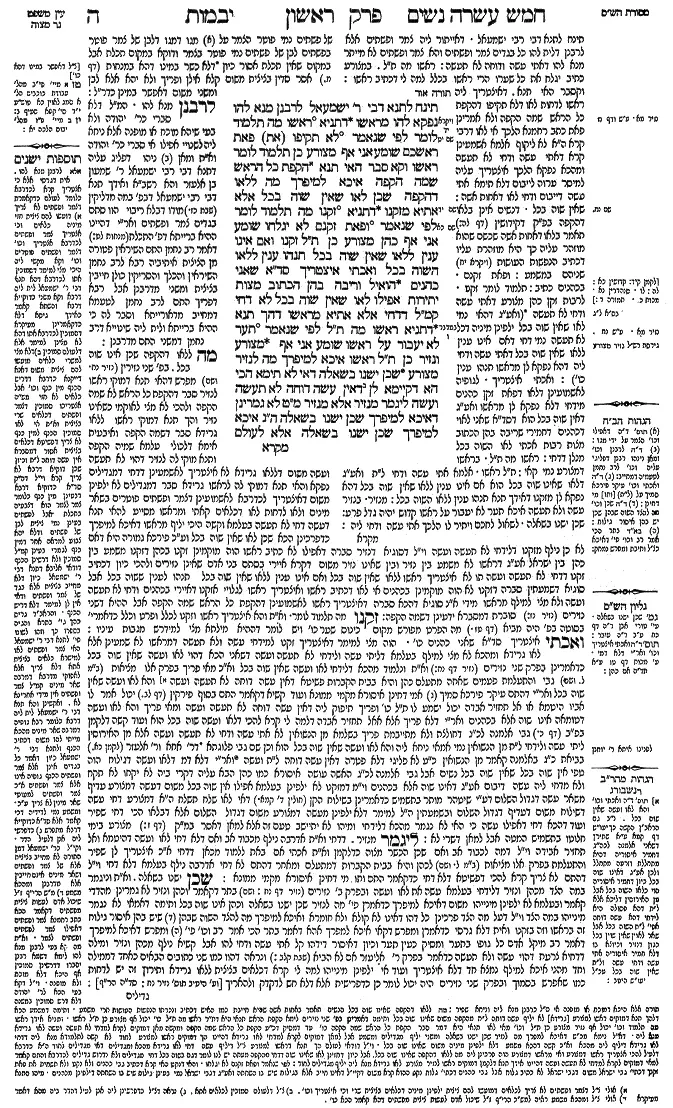
Yevamot 5a - Guemara
תינח לתנא דבי ר' ישמעאל לרבנן מנא להו נפקא להו מראשו דתניא (ויקרא יד, ט) ראשו מה תלמוד לומר לפי שנאמר (ויקרא יט, כז) לא תקיפו (את) פאת ראשכם שומע אני אף מצורע כן תלמוד לומר ראשו וקא סבר האי תנא הקפת כל הראש שמה הקפה איכא למיפרך מה ללאו דהקפה שכן לאו שאין שוה בכל אלא אתיא מזקנו דתניא (ויקרא יד, ט) זקנו מה תלמוד לומר לפי שנאמר (ויקרא כא, ה) ופאת זקנם לא יגלחו שומע אני אף כהן מצורע כן ת"ל זקנו ואם אינו ענין ללאו שאין שוה בכל תנהו ענין ללאו השוה בכל ואכתי איצטריך סד"א שאני כהנים הואיל וריבה בהן הכתוב מצות יתירות אפילו לאו שאין שוה בכל לא דחי קמ"ל דדחי אלא אתיא מראשו דהך תנא דתניא ראשו מה ת"ל לפי שנאמר (במדבר ו, ה) תער לא יעבור על ראשו שומע אני אף מצורע ונזיר כן ת"ל ראשו איכא למיפרך מה לנזיר מצורע שכן ישנו בשאלה דאי לא תימא הכי הא דקיימא לן דאין עשה דוחה לא תעשה ועשה ליגמר מנזיר אלא מנזיר מ"ט לא גמרינן דאיכא למיפרך שכן ישנו בשאלה ה"נ איכא למיפרך שכן ישנו בשאלה אלא לעולם
Comments from Rashi on Masechet Yevamot Page 5a
תינח לתנא דבי רבי ישמעאל . דאייתור ליה צמר ופשתים אלא לרבנן דלית להו כל בגדים צמר ופשתים והא צמר ופשתים לא מייתר מנא להו דאתי עשה ודוחה לא תעשה: ראשו מה ת"ל . במצורע כתיב יגלח את כל שערו הרי ראשו בכלל למה לי דכתיב ראשו: וקסבר האי תנא . דאיצטריך ליה ראשו לדחות לאו דלא תקיפו דהקפת כל הראש שמה הקפה ולא אמרינן פאת כתב רחמנא הלכך אי לאו דרבי קרא ה"א לא ליקוף. אלמא אשמעינן קרא דאתי עשה ודחי לא תעשה ומהכא נפקא. הלכך איצטריך עליה למיסר ערוה לייבום דלא תימא אתי עשה דייבום ודחי לאו דאחות אשה: שאין שוה בכל . דנשים אינן בלאו דהקפה בפ"ק דקידושין (דף לה:) תאמר בלאו דאחות אשה שכשם שהוא מוזהר עליה כך היא מוזהרת עליו דכתיב הנפשות העושות (ויקרא יח) שניהם במשמע: ופאת זקנם . בכהנים כתיב: תלמוד לומר זקנו . לרבות זקן כהן מצורע דאתי עשה ודחי לא תעשה (ואע"ג דהאי נמי לאו שאין שוה בכל ילפינן מיניה דכל לא תעשה נמי דחי דאם אינו ענין ללאו שאין שוה בכל דאתי עשה ודחי ליה דהא נפקא לן מראשו תנהו ענין כו'): ואכתי איצטריך . לגופיה לאשמועינן דלאו דפאת זקן כהנים מידחי דלא נפקא לן מראשו ואע"ג דאין שוה בכל הוא דסד"א שאני לאוי דכהנים דחמירי שריבה בהן הכתוב מצות רבות אכתי לאו השוה בכל מנלן דדחי: ראשו מה ת"ל . בראשו דמצורע נמי קאי: ת"ל ראשו . אלמא אתי עשה ודחי ל"ת. ואע"ג דלאו שאינו שוה בכל הוא אם אינו ענין ללאו שאין שוה בכל דהא נפקא לן מזקנו דאידך תנא תנהו ענין ללאו השוה בכל: מנזיר . בנזיר עשה ולא תעשה איכא תער לא יעבור על ראשו קדוש יהיה גדל פרע: שכן ישנו בשאלה . לשאול לחכם ויתיר לו הלכך אתי עשה ודחי ליה:
Comments from Tosafot - Yevamot 5a
לרבנן מנא להו . המ"ל דלא סברי כר' יהודה ולא בעי שיהא מוכח או מופנה אלא ניחא ליה לשנויי אפילו אי סברי כר' יהודה וא"ת ומאן ניהו דפליג עליה דתנא דבי רבי ישמעאל ר' שמעון בן אלעזר והא רשב"א ואידך תנא דבי רבי ישמעאל דבפ' במה מדליקין (שבת כז.) מודו דבלא ריבוי הוו סתם בגדים צמר ופשתים ואר"י דהיינו ההיא ברייתא דפ' התכלת (מנחות לט:) דאמר רב נחמן התם השיראין פטורה מן הציצית איתיביה רבא לרב נחמן השיראין והכלך והסריקין כולן חייבין בציצית ומשני מדרבנן אבל רבא דפריך התם לרב נחמן לטעמא דמחייב מדאורייתא וסבר לה כי ההיא ברייתא ולית ליה שינוייא דרב נחמן דמשני התם מדרבנן: מה ללאו דהקפה שכן אינו שוה בכל . בפ' שני נזירין (נזיר נח. ושם) מפרש דהאי תנא דמוקי ראשו לנזיר סבר דהקפת כל הראש לא שמה הקפה ולהכי לא מצי לאוקמי כשאינו נזיר והך תנא דמוקי ראשו ללאו גרידא סבר דשמה הקפה ואיבעית אימא דלכולי עלמא שמיה הקפה ותנא מוקי לה לנזיר דהוי לא תעשה ועשה משום דללאו גרידא לא איצטריך לאשמעינן דדחי דמגדילים נפקא והאי תנא דמוקי לה לראשו גרידא סבר דמגדילים לא ילפינן משום דאיצטריך לכדרבא לאשמועינן דצמר ופשתים פוטרים בשאר מינים ולאו לדחות לאו דכלאים קאתי ומראשו מסייע להאי תנא דעשה דחי לא תעשה בעלמא וקשה היכי יליף מראשו דאיכא למיפרך כדפרכינן הכא שכן לאו שאין שוה בכל וע"כ פירכא גמורה היא דאם לא כן נילף מזקנו דלידחי לא תעשה ועשה וי"ל דסוגיא דנזיר סברה דאפילו לא כתיב ראשו הוה מוקמינן זקנו בכהן דזקנו משמע בין כהן בין ישראל אע"ג דראשו לא משמע בין נזיר ובין שאינו נזיר משום דקרא איירי בסתם בני אדם שאינן נזירים ולהכי כיון דכתיב זקנו דדחי לא תעשה ועשה תו לא איצטריך ראשו ללאו שאין שוה בכל ואם אינו ענין ללאו שאין שוה בכל תנהו לענין ששוה בכל אבל סוגיא דשמעתין סברה דזקנו לא הוה מוקמינן בכהנים אי לאו דכתיב ראשו ואיצטריך ראשו לגלויי אזקנו דאיירי בכהנים ודחי לא תעשה ועשה ולא מצי למילף מראשו מידי א"נ סוגיא דהכא סברה דאיצטריך ראשו לאשמועינן דהקפת כל הראש שמה הקפה אבל ההיא דשני נזירים (נזיר נז:) סוברת דמסברא ידעינן דשמה הקפה: זקנו מה תלמוד לומר . וא"ת והא איצטריך ראשו וזקנו לכלל ופרט וכלל כדאמרי' בסוטה בפ' היה מביא (דף טז.) מה הפרט מפורש מקום כינוס שער כו' ויש לומר דההיא מילתא מצי למידרש מגבות עיניו: ואכתי איצטריך סד"א שאני כהנים כו' . הוה מצי למימר דאיצטריך זקנו למידחי עשה ולא תעשה דמראשו לא שמעינן אלא לאו גרידא ומהכא לא מצי למילף בעלמא דליתי עשה ולידחי לא תעשה ועשה דשאני הכא דהוי לאו ועשה שאין שוה בכל כדאמרינן בפרק שני נזירים (נזיר דף נח:) וא"ת ונלמוד מהכא דלידחי לאו ועשה שאין שוה בכל וא"כ מאי פריך בפרק אלו מציאות (ב"מ ל. ושם) גבי והתעלמת פעמים שאתה מתעלם כהן והיא בבית הקברות פשיטא דאין עשה דוחה לא תעשה ועשה והא לאו ועשה שאין שוה בכל ואר"י דהתם עיקר פירכא סמיך אמי דחינן איסורא מקמי ממונא ועוד קשיא דקאמר התם בסוף פירקין (דף לב.) יכול אמר לו אביו היטמא או אל תחזיר אבדה יכול ישמע לו ת"ל כו' ופריך תיפוק ליה דאין עשה דוחה לא תעשה ועשה ומאי פריך והא לאו ועשה דטומאה אינו שוה אלא בכהנים ואר"י דלא פריך אלא אאל תחזיר אבדה דלמה לי קרא להכי דלאו ועשה שוה בכל הוא ועוד קשה דלקמן בפ"ב (יבמות דף כ.) גבי אלמנה לכ"ג דחולצת ולא מתייבמת פריך בשלמא מן הנשואין לא אתי עשה ודחי לא תעשה ועשה אלא מן האירוסין ליתי עשה ולידחי ל"ת מן הנשואין נמי אמאי ניחא ליה והא לאו ועשה שאין שוה בכל הוא וכן שם גבי פלוגתא דר' אחא ור' אלעזר (לקמן יבמות כא.) בביאת כ"ג באלמנה קאמר מן הנשואין כ"ע לא פליגי דלא פטרה דאין עשה דוחה ל"ת ועשה ואר"י דלא דמו דלאו ועשה דגילוח הוה טפי אין שוה בכל שאין שוה בכל נשים אבל גבי אלמנה לכ"ג האשה עושה איסורא כמו כהן הבא עליה דקרי ביה לא יקחו לא תקח ולא מדחי ליה עשה דיבום אע"ג דאינו שוה אלא בכהנים וי"מ דמזקנו לא ילפינן בעלמא אפילו אין שוה בכל משום דעשה דמצורע עדיף משאר עשה דגדול השלום דע"י שיטהר מותר בתשמיש כדאמרינן בשילוח הקן (חולין ד' קמא.) דאי לאו שלח תשלח ה"א דמצורע דחי עשה דשילוח משום דעדיף דגדול השלום ובשמעתין ה"ל למימר דלא ילפינן מעשה דמצורע משום דגדול השלום אלא דבלאו הכי דחי שפיר ועוד דהכא דחי דאפילו עשה כי האי לא נגמר מהכא דלידחי ומיהו לא יתיישב טעם זה אלא למאן דאסר במ"ק (דף ז:) מצורע בימי חלוטו בתשמיש המטה אבל למאן דשרי לא: ליגמר מנזיר . דדחי וא"ת אדרבה נילף מכבוד אב ואם דלא דחי לאו ועשה דהיטמא ואל תחזיר אבידה וי"ל דמה לכבוד אב ואם שכן הכשר מצוה כדלקמן וא"ת אכתי אם באת ללמוד מכאן דדחי א"כ איצטריך לן שפיר והתעלמת בפרק אלו מציאות (ב"מ ל. ושם) לכהן והיא בבית הקברות דמתעלם ומאחר דהתם לא דחי אדרבה נילף בעלמא דלא דחי וי"ל דהתם לא צריך קרא להכי דפשיטא דלא דחי כדקאמר התם ותו מי דחינן איסורא מקמי ממונא: שכן ישנו בשאלה . וא"ת וניגמר במה הצד מכהן ונזיר דלידחי בעלמא עשה את לאו ועשה ובפרק ב' נזירים (נזיר דף נח: ושם) בתר דקאמר וכהן ונזיר לא גמרינן מהדדי קאמר ובעלמא לא ילפינן מינייהו משום דאיכא למיפרך כדאמרן פי' מה לנזיר שכן ישנו בשאלה וכהן אינו שוה בכל ותימה דאמאי לא נגמר מינייהו במה הצד וי"ל דעל מה הצד פרכינן כל דהו דאינו לא קולא ולא חומרא ואיכא למיפרך מה להצד השוה שבהן שיש בהן איסור גילוח זה בראשו וזה בזקנו ואית דלא גרסי כדאמרן ומפרש דקאי איכא למפרך אהא דאמר בתר הכי אמר רב וכו' פי' ומפרש דאיכא למיפרך דאמר רב מיקל אדם כל גופו בתער ומסיק כעין תער וכיון דאיסור דידהו קל אתי עשה ודחי להו אבל קשיא נילף מכהן ונזיר ומילה דדחיא צרעת דהוי עשה ולא תעשה כדאמר בפרק ר' אליעזר אם לא הביא (שבת קלב:) ונראה דהוו כמו שני כתובים הבאים כאחד דממילה וחד מהני איכא למילף נמצא חד דלא איצטריך ועוד אי ילפינן מינייהו למה לי קרא דכלאים בציצית ללאו גרידא ותירוץ זה יש לדחות כמו שאפרש בסמוך ובפרק שני נזירים היה יכול לומר כן כדפרישית אלא דלא חש לדקדק ולהאריך [וע' היטיב תוס' נזיר נח: סד"ה הר"ף]:
Yevamot 5a - Mishnah translated into english
§ The Gemara comments: This works out well with regard to that which the school of Rabbi Yishmael taught, that all garments mentioned in the Torah are composed of linen or wool. However, according to the opinion of the Rabbis, who do not accept this opinion, from where do they derive the principle that a positive mitzva overrides a prohibition? As stated previously, the conclusion that the positive mitzva to place fringes on a garment overrides the prohibition against mixing linen and wool is derived from a free expression in a biblical verse; however, the expression is free for interpretation only in the opinion of the tanna from the school of Rabbi Yishmael.
The Gemara responds: They derive it from the verse mentioned with regard to the halakhot of the purification of a leper from his leprosy [tzara’at]: “And it shall be on the seventh day, that he shall shave all his hair off his head and his beard and his eyebrows, even all his hair he shall shave off” (Leviticus 14:9). As it is taught in a baraita: Since it states “all his hair,” what is the meaning when the verse states “his head”? The baraita explains that as it is stated: “You shall not round the corners of your heads” (Leviticus 19:27), i.e., it is prohibited to shave the corners of the head, I would derive that even a leper is included in this prohibition.
Therefore, the verse states explicitly: “His head,” to teach that the mitzva that a leper must shave overrides the prohibition against rounding the corners of one’s head by shaving. The Gemara adds: And this tanna holds that the shaving of the entire head is considered rounding. Some Sages maintain that one violates the prohibition against rounding the corners of his head only when he leaves some hair intact and removes the corners alone. Conversely, this tanna holds that even when one removes all of the hair on the head, as a leper does when he performs his ritual shaving, as this act includes the corners, he thereby transgresses the prohibition against rounding the corners. This demonstrates that a positive mitzva overrides a prohibition.
The Gemara raises an objection against that claim. This proof can be refuted: What about the fact that the prohibition against rounding is specific in that this prohibition is not equally applicable for all, as it does not apply to women, and therefore other cases cannot be derived from it? One cannot learn from this halakha that a positive mitzva that applies only to some people overrides even a prohibition that applies equally to all people.
Rather, the Gemara provides an alternative suggestion: The principle that a positive mitzva overrides a prohibition is derived from the superfluous phrase: “His beard” (Leviticus 14:9). As it is taught in a different baraita: What is the meaning when the verse states: “His beard”? After all, a beard is already included in the phrase: “All his hair.” The baraita answers: As it is stated with regard to priests: “Neither shall they shave off the corners of their beard” (Leviticus 21:5), I would derive that even a leper who is a priest is included in this prohibition against shaving his beard. Therefore, the verse states “his beard” in the case of a leper.
However, the shaving of one’s beard is also a prohibition that is not equally applicable for all, as it does not apply to women. Therefore, it is necessary to develop this argument further. And if this derivation from the term “his beard” is not referring to the matter of a prohibition that is not equally applicable for all, as the principle that a positive mitzva overrides a prohibition that does not apply equally for all has already been derived from the phrase “his head,” then the repetition of this specific scenario must serve to expand upon the teaching. Consequently, refer it to the matter of a prohibition that is equally applicable for all, i.e., that a positive mitzva that is not equally applicable for all overrides even prohibitions that apply equally to all people.
The Gemara rejects this proof: Still, it is necessary for the verse to state: “His beard.” This phrase is not in fact superfluous at all, as it has a novelty: It could enter your mind to say that priests are different; since the verse includes for them additional mitzvot it is appropriate to be more stringent with them, and therefore one might think that a positive mitzva should not even override a prohibition that is not equally applicable for all. Consequently, the verse states: “His beard,” and it thereby teaches us that even with regard to priests a positive mitzva overrides a prohibition that is not equally applicable for all. This means that the principle that a positive mitzva overrides even a prohibition that is equally applicable for all cannot be derived from here.
§ Rather, the Gemara rejects this line of reasoning in favor of an alternative answer. The principle that a positive mitzva overrides a prohibition is derived from a different interpretation of the phrase “his head,” cited by this tanna. As it is taught in a baraita with regard to the verse: “He shall shave all his hair off his head” (Leviticus 14:9); what is the meaning when the verse states: “His head”? The baraita explains: As it is stated with regard to a nazirite: “No razor shall come upon his head” (Numbers 6:5), I would derive that even a leper who is a nazirite is prohibited from shaving his head upon purification. Therefore, the verse states: “His head.” This teaches that the positive mitzva for a leper to shave overrides the prohibition of a nazirite.
The Gemara responds that this proof can be refuted as well: What about the fact that the prohibition of a nazirite is not especially severe, as a leprous nazirite can request to have his nazirite vow dissolved by a Sage? Since he can nullify the prohibition against shaving, this prohibition is evidently not very severe, and therefore one cannot prove anything with regard to all of the prohibitions of the Torah from this case. The Gemara adds: As, if you do not say this, that the prohibitions of a nazirite are not as severe as other prohibitions, that halakhic ruling that we maintain that a positive mitzva does not override both a prohibition and a positive mitzva would be negated.
The Gemara explains the previous claim: Let us derive the opposite of this principle from the case of a nazirite, as in this case the positive mitzva for a leper to shave apparently overrides both the positive mitzva for a nazirite to grow hair and the prohibition against shaving. Rather, what is the reason that we do not derive this principle from the case of a nazirite? The reason is that there is room to refute this proof in the aforementioned manner: One cannot learn from a nazirite, as a leprous nazirite can request to have his nazirite vow dissolved. So too, there is room to refute the proof from the halakha of a nazirite that a positive mitzva overrides a prohibition, as he can request to have his vow dissolved.
§ If so, no proof can be brought from the case of a nazirite. Rather, the Gemara offers a different explanation: Actually,
Traduction : The William Davidson digital edition of the Koren Noé Talmud, with commentary by Rabbi Adin Even-Israel Steinsaltz.