 Talmud Bavli
The learning on the whole site is dedicated : L'ilui Nishmat Ledicia bat David Banoun
The learning on the whole site is dedicated : L'ilui Nishmat Reuven ben Rivka SEBBAG
The learning on the whole site is dedicated : L'ilui Nishmat Jacques Isaac Ben Amram Loubaton
Yevamot 25a : Youtube
Daf TubeYoutube
2 video classes :
Yevamot Page 25a
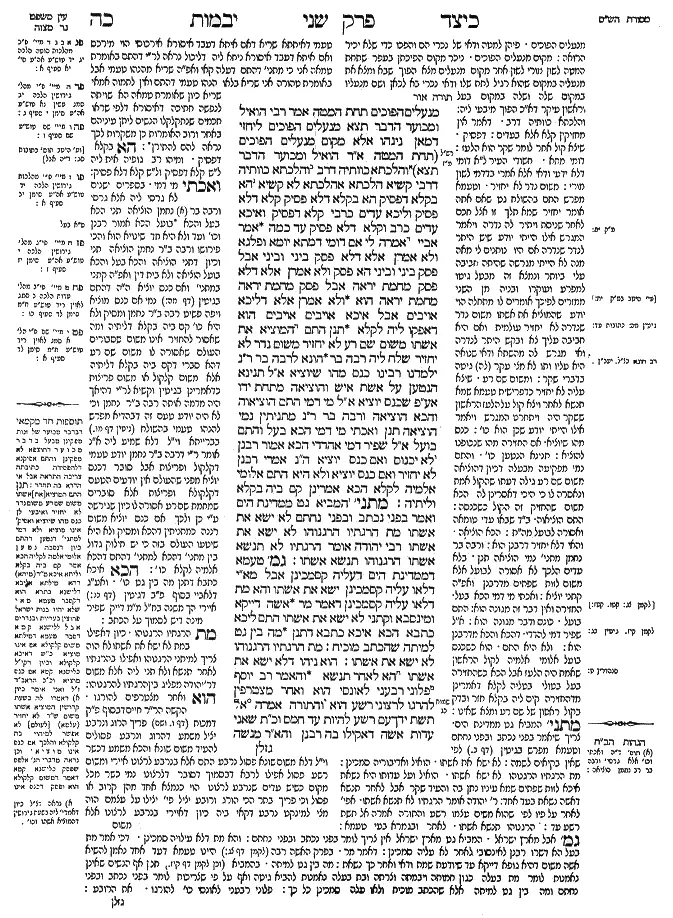
Yevamot 25a - Guemara
מנעלים הפוכים תחת המטה אמר רבי הואיל ומכוער הדבר תצא מנעלים הפוכים ליחזי דמאן נינהו אלא מקום מנעלים הפוכים (תחת המטה א"ר הואיל ומכוער הדבר תצא) והלכתא כוותיה דרב והלכתא כוותיה דרבי קשיא הלכתא אהלכתא לא קשיא הא בקלא דפסיק הא בקלא דלא פסיק קלא דלא פסיק וליכא עדים כרבי קלא דפסיק ואיכא עדים כרב וקלא דלא פסיק עד כמה אמר אביי אמרה לי אם דומי דמתא יומא ופלגא ולא אמרן אלא דלא פסק ביני וביני אבל פסק ביני וביני הא פסק ולא אמרן אלא דלא פסק מחמת יראה אבל פסק מחמת יראה מחמת יראה הוא ולא אמרן אלא דליכא אויבים אבל איכא אויבים אויבים הוא דאפקו ליה לקלא תנן התם המוציא את אשתו משום שם רע לא יחזיר משום נדר לא יחזיר שלח ליה רבה בר הונא לרבה בר ר"נ ילמדנו רבינו כנס מהו שיוציא א"ל תנינא הנטען על אשת איש והוציאה מתחת ידו אע"פ שכנס יוציא א"ל מי דמי התם הוציאוה והכא הוציאה ורבה בר ר"נ מתניתין נמי הוציאה תנן ואכתי מי דמי הכא בעל והתם בועל א"ל שפיר דמי אהדדי הכא אמור רבנן לא יכנוס ואם כנס יוציא ה"נ אמרי רבנן לא יחזיר ואם כנס יוציא ולא היא התם אלומי אלמיה לקלא הכא אמרינן קם ביה בקלא וליתיה:
מתני׳ המביא גט ממדינת הים ואמר בפני נכתב ובפני נחתם לא ישא את אשתו מת הרגתיו הרגנוהו לא ישא את אשתו רבי יהודה אומר הרגתיו לא תנשא אשתו הרגנוהו תנשא אשתו:
גמ׳ טעמא דממדינת הים דעליה קסמכינן אבל מא"י דלאו עליה קסמכינן ישא את אשתו והא מת דלאו עליה קסמכינן דאמר מר אשה דייקא ומינסבא וקתני לא ישא את אשתו התם ליכא כתבא הכא איכא כתבא דתנן מה בין גט למיתה שהכתב מוכיח:
מת הרגתיו הרגנוהו לא ישא את אשתו:
הוא ניהו דלא ישא את אשתו הא לאחר תנשא והאמר רב יוסף פלוני רבעני לאונסי הוא ואחר מצטרפין להרגו לרצוני רשע הוא והתורה אמרה (שמות כג, א) אל תשת ידך עם רשע להיות עד חמס וכ"ת שאני עדות אשה דאקילו בה רבנן והא"ר מנשה
Comments from Rashi on Masechet Yevamot Page 25a
מנעלים הפוכים . פיהן למטה ודאי של נכרי הם והפכו כדי שלא יכיר הרואה: מקום מנעלים הפוכים . ניכר מקום הפיכתן בעפר שתחת המטה לשון מורי. לשון אחר מקום מנעלים מצא הפוך שבא ומצא את מנעליה במקום שהוא רגיל לתת שלו ודאי נכרי בא לכאן ושם מנעליו במקום שלה ושלה במקום בעל וראשון עיקר דא"כ הפוך מיבעי ליה: והלכתא כוותיה דרב . דאמר אין מחזיקין קלא אלא בעדים: דפסיק . שיצא קול אחר לומר שקר הוא הלעז: דומי מתא . חשודי העיר. ל"א דומי דלא ידעי ודאי אלא אמרי בדדמי לשון מורי: ומשום שם רע . שיצא עליה לא יחזיר כדפרישית טעמא שמא תנשא לאחר ויצא קול על הלעז הראשון ששקר היה ויתחרט המגרש ויאמר אילו הייתי יודע שכן הוא כו': משום נדר לא יחזיר . וטעמא מפרש התם בהשולח גט שאם אתה אומר יחזיר שמא תלך זו אצל חכם לאחר שניסת ויתיר לה נדרה ויאמר המגרש אילו הייתי יודע שיש היתר לנדר שנדרה אם היו נותנים לי מאה מנה לא הייתי מגרשה שהיתה חביבה עלי ביותר ונמצא זה מבטל גיטו למפרע ועוקרו ובניה מן השני ממזרים לפיכך אומרים לו מתחלה הוי יודע שהמוציא את אשתו משום נדר שנדרה לא יחזיר עולמית ואם היא חביבה עליך צא ובקש היתר לנדרה ואי מגרש לה מהשתא ודאי שנואה היא עליו ותו לא מצי עקר (לה) גיטה בדברי שקר: כנס מהו שיוציא . אם החזירה מהו שנכופנו להוציא: תנינא הנטען כו' . והתם נמי מפקיעה מבעלה דכיון דהוציאה משום שם רע גילה דעתו שהקול אמת ונאסרה לו כי היכי דאסרינן לה הכא משום שהחזיק זה הקול כשכנסה: התם הוציאוה . ב"ד שבאו עדי טומאה ואסורה לבועל מה"ת: הכא הוציאה . והאי דלא יחזיר דרבנן הוא: ורבה בר נחמן מתני' נמי הוציאה תנן . בלא עדים הלכך לא אסורה לבועל אלא משום לזות שפתים מדרבנן ואפ"ה קתני יוציא: ואכתי מי דמי הכא בעל . החזירה ואין דבר זה מגונה הוא: התם בועל . כונס ודבר מגונה הוא: א"ל שפיר דמי להדדי . דהכא והכא מדרבנן הוא: ולא היא התם . הוא כשכנס בועל אלומי אלמיה לקול הראשון שאמת היה הלעז אבל הכא כשהחזירה בעל בטולי בטליה לקלא דאמרינן מדהחזירה קים ליה בקלא חזר ובדק בקול ראשון של שם רע ומצא שאינו: מתני' המביא גט ממדינת הים . צריך שיאמר בפני נכתב ובפני נחתם וטעמא מפרש בגיטין (דף ב.) לפי שאין בקיאים לשמה: לא ישא את אשתו . הואיל ואדיבוריה סמכינן: מת הרגתיו הרגנוהו לא ישא אשתו . הואיל ועל עדותו היא נשאת איכא לזות שפתים שמא עיניו נתן בה והעיד שקר. אבל לאחר תנשא דאשה נשאת בעד אחד: ר' יהודה אומר הרגתיו לא תנשא אשתו . אפי' לאחר על פיו לפי שהוא משים עצמו רשע והתורה אמרה אל תשת רשע עד: הרגנוהו תנשא אשתו . לאחר ובגמרא בעי טעמא: גמ' אבל מארץ ישראל . המביא גט מארץ ישראל אין צריך לומר בפני נכתב ובפני נחתם: והא מת דלא עילויה סמכינן . דכי אמר מת בעל הא דשרו רבנן לאינסובי לאחר לא עליה סמכינן: דאמר מר . בפרק האשה רבה (לקמן יבמות דף צג:) היינו טעמא דעד אחד נאמן להשיא אשה משום דהיא גופה דייקא עד שיודעת שמת ודאי ואחר כך נשאת: מה בין גט למיתה . בהמביא (וכן לקמן יבמות דף קיז.) תנן אף הנשים שאינן נאמנות לומר מת בעלה כגון חמותה ויבמתה וצרתה ובת בעלה נאמנות להביא גיטה ואף על פי שצריכות לומר בפני נכתב ובפני נחתם ומה בין גט למיתה אלא שהכתב מוכיח ולאו עלה סמכינן כל כך: פלוני רבעני לאונסי כו' להורגו . את הרובע:
Comments from Tosafot - Yevamot 25a
הא בקלא דפסיק . ומיהו רב גופיה אית ליה ל"ש קלא דפסיק ול"ש קלא דלא פסיק: ואכתי מי דמי . בספרים ישנים לא גרסי ליה אלא גרסי ורבה בר נחמן הוציאה תני הכא בעל והכא בועל הכא אמור רבנן וכו' ועד ולא היא חד שינויא הוא והכי פירושו ורבה ב"ר נחמן הוציאה תני וכיון דתני הוציאה והכא בעל והכא בועל הוציאה ולא בית דין ואפ"ה קתני במתני' ואם כנס יוציא ה"ה דהתם בגיטין (דף מה:) נמי אם כנס מוציא ויפה פשיט רבה ב"ר נחמן ומסיק ולא היא כו' קם ביה בקלא דליתיה ומה שאסור להחזיר אינו משום שסבורים העולם שאסורה לו משום שם רע דהא סברי דקם ביה בקלא דליתיה אלא משום קלקול או משום פריצות כדאמרינן בגיטין וקשיא לר"י דהיאך היה מדמה אותה רבה ב"ר נחמן וכי לא היה יודע טעם זה דבהדיא מפרש להנהו טעמי בהשולח (גיטין דף מו.) בברייתא וי"ל דלא שמיע ליה א"נ אומר ר"י דרבה ב"ר נחמן יודע טעמי דקלקול ופריצות אבל סובר דכנס יוציא מפני שהעולם אין יודעים הטעם דקלקולא ופריצות אלא סוברים שמחמת שם רע אסורה לו כיון שגירשה ע"י כן ולכך אם כנס יוציא משום רננה כמתניתין דהכא ומסיק ולא היא שיטעו העולם בזה כי יש חילוק גדול בין מתני' דהכא למתני' דהתם דהכא אלמיה לקלא כו': מת הרגתיו הרגנוהו . כיון דאפילו במת לא ישא את אשתו לא הוה צריך למיתני הרגנוהו ואפילו בהרגתיו לאחר תנשא ולא תני ליה אלא משום דר' יהודה מפליג בין הרגתיו להרגנוהו: הכא איכא כתבא דתנן מה בין גט כו' . ואע"ג דלאביי בסוף פ"ב דגיטין (דף כג:) איירי הך משנה בח"ל מ"מ דייק שפיר מינה דיש לסמוך על הכתב: הוא ואחר מצטרפים להורגו . הקשה הר"ר חיים דבסוף פ"ק דמכות (דף ו. ושם) פריך הרוג ונרבע יציל משמע דהרוג ונרבע פסולים להעיד משום שונא והכא משמע דכשר וי"ל דלא משום שונא פסול נרבע התם אלא בנרבע לרצונו איירי ומשום רשע פסול אפילו לרבא דבסמוך דסובר דלרצונו נמי כשר מכל מקום כשיש עדים שנרבע לרצונו הוי כנמצא אחד מהן קרוב או פסול וכי פריך בתר הכי הורג ורובע יציל פי' יצילו על עצמם הוה מצי למינקט נרבע דקאי ביה כיון דאיירי בנרבע לרצונו אלא משום דעד השתא איירי בהצלת הורג ורובע מסיק לה והרוג נמי לא משום שנאה פסיל ליה התם אלא אמר רבינו יצחק דמיפסל משעה שנעשה טרפה דטרפה פסול להעיד כדאמרי' בסנהדרין (דף עח. ושם) וה"ר יוסף מאורלינ"ש מפרש דפריך מהרוג ונרבע שיצילו כשהם קרובים להורג ורובע וקשה לר"י דאין ה"נ דנהי דבהרוג ליכא למימר דאין ה"נ שיציל דהרי חייב הכתוב מכה אביו מ"מ מנרבע מאי פריך וכ"ת בנרבע נמי דהא דרשינן בסנהדרין (דף נד.) ערות אביך ממש שרבעו ה"מ לענין כרת אבל מיתה לא אשכחן:
Yevamot 25a - Mishnah translated into english
The same applies if the husband found the shoes reversed under the bed, so that the toe of the shoe faced the bed; this is a sign that a stranger came in and placed them like that. Rabbi Yehuda HaNasi said: Since this is a distasteful matter, she must be divorced. The Gemara questions this: Shoes turned around? Let him see whose they are and clarify who the stranger was and then find out what he was doing there. Rather, the case was that he found the place of the shoes, i.e., shoe prints, reversed under the bed and cannot recognize whose shoe prints they are. Rabbi Yehuda HaNasi said: Since this is a distasteful matter, she must be divorced.
The Gemara concludes: The halakha is in accordance with the opinion of Rav, that they must divorce only if there were witnesses, and the halakha is in accordance with the opinion of Rabbi Yehuda HaNasi, that they must divorce if there is a matter that is distasteful. The Gemara challenges this: One halakha is difficult, as it contradicts the other halakha. The Gemara answers: This contradiction is not difficult. This one relates to a case where the rumor ceases and the woman is sent away only if there are witnesses, but that one relates to a case where the rumor does not cease, in which case he divorces her even if there are no witnesses. The Gemara elucidates the cases: In cases of a rumor that does not cease, even if there are no witnesses the halakha is in accordance with the opinion of Rabbi Yehuda HaNasi and he divorces her. If the rumor ceases and there are witnesses, the halakha is in accordance with the opinion of Rav, and he divorces her because there are witnesses.
The Gemara clarifies this: At what point is it considered to be a persistent rumor? Abaye said: My mother told me: A rumor in the city lasts a day and a half. The Gemara comments: We said that this is the length of time only if the rumor did not cease in the meantime. But if the rumor did cease in the meantime, even it was later renewed, this is considered a rumor that has ceased and is disregarded. And we said that a rumor that ceased is not considered persistent only if the reason it ceased was not due to fear of the individual about whom it is said. But if it ceased due to fear, it is only due to fear and is still considered a persistent rumor. And we said that a persistent rumor has validity only if the subject of the rumor does not have any known enemies, but if he has enemies it may be assumed that it is the enemies who put out the rumor about him.
§ We learned in a mishna there (Gittin 45b): A man who divorces his wife due to her bad reputation may not take her back again, even if it turns out that the rumor was untrue. Likewise, if he divorced his wife due to a vow of hers that is unbearable to him he may not take her back even if she is released from that vow. Rabba bar Rav Huna sent a question to Rabba bar Rav Naḥman: Our teacher, instruct us. If one of those men listed in that mishna divorced his wife due to her bad reputation or vow and it was therefore prohibited for him to take her back, yet he nevertheless remarried her, what is the halakha? Must he divorce her?
Rabba bar Rav Naḥman said to him: We already learned in the mishna (24b): With regard to one who is suspected of committing adultery with a married woman, and he, her husband, divorced her, even if he subsequently remarried her he must divorce her. Rabba bar Rav Huna said to him: Is this comparable to the case I asked about? There, in the mishna, it says: They, the court, remove her from him, whereas here (Gittin 45b), the mishna states: He divorced her of his own accord. Perhaps if the court requires them to divorce, the halakha is different. The Gemara explains: And Rabba bar Rav Naḥman, who held that the two mishnayot were comparable, had a text of the mishna that also read: He divorced her, instead of: They remove her.
Rabba bar Rav Huna asks: Still, is this comparable? Here, the question was raised in a case where the first husband remarried her, which will not strengthen the rumors of her bad reputation, but there, the mishna refers to the man with whom she committed adultery remarrying her, which strengthens those rumors. He said to him: They are certainly comparable to each other: Here, in the mishna discussing one who is suspected of committing adultery, the Sages said that he may not marry her and if he did marry her he must divorce her. So too, the Sages said in the case of one who divorced his wife due to her reputation or vow that he may not take her back, and if he does remarry her he must divorce her.
The Gemara rejects this: That is not so, as there, when the man suspected of committing adultery marries the woman, he thereby strengthens the rumor of adultery. For this reason he must divorce her. Here, we say that he, the husband, established the facts of the rumor and found that it was not so and the rumor was baseless. Therefore, there is no need for him to divorce her if he remarries her. Rabba bar Rav Huna’s question remains unresolved.
MISHNA: An agent who brought a bill of divorce from a country overseas and said: It was written in my presence and it was signed in my presence, as required in order to establish the bill of divorce as valid, may not marry the wife, i.e., the divorcée. Since the validity of the bill of divorce is based upon his testimony, marrying the divorcée creates the impression that he had an ulterior motive for his testimony. Similarly, a witness who testified that a certain man died, or testified: I killed him, or: We killed him, may not marry that man’s wife. Rabbi Yehuda says: If he testified: I killed him, his wife may not be married at all based on that evidence, as his testimony is unreliable, but if he said: We killed him, his wife may be married to anyone other than those witnesses.
GEMARA: The Gemara clarifies: The reason that the agent may not marry the divorcée applies specifically in a case where he brings the bill of divorce from a country overseas, as in this case we, the court, rely upon his testimony to validate the bill of divorce. But an agent who brings a bill of divorce from Eretz Yisrael need not make any verbal declaration, and since we, the court, do not rely upon his testimony but upon the written bill of divorce alone, he may marry his wife, i.e., the divorcée, since it does not arouse suspicion.
The Gemara challenges this: But also in the case of a witness who said that the husband died, we, the court, do not rely solely upon his testimony. As the Master said: A woman is exacting in her investigation of the truth of the testimony that her husband died before she marries again, and it is primarily on that basis that she is permitted to remarry. Yet it is taught that he still may not marry his wife.
The Gemara answers: The two cases are not comparable, as there, in the case when a witness testifies that the husband has died, there is not anything written as proof, and therefore he may not marry the widow. However, here, in a case where an agent brings a bill of divorce from Eretz Yisrael, there is a written document that is valid without any testimony. As we learned in a mishna (117a): What is the difference between a bill of divorce and death? Why does the court rely upon those men who are not trusted as witnesses to the death of a husband if they act as agents to bring a bill of divorce, even from overseas, such that they must give testimony that it was written and signed in their presence? The difference is that with regard to a bill of divorce the writing proves their testimony.
The mishna stated that if the witness said with regard to the husband that he died, or: I killed him, or: We killed him, then he may not marry the wife of the deceased. The Gemara infers that he, the witness himself, may not marry the wife; this implies that to another she may be married on the basis of his testimony.
The Gemara challenges this: Didn’t Rav Yosef say: With regard to one who testified that so-and-so sodomized me against my will, then he who testified to being the victim of the sexual assault and another bystander witness can combine as a pair of witnesses in order to put the assailant to death for homosexual intercourse. But if he testified: I was willingly sodomized by so-and-so, then he is wicked by his own admission, since he willingly transgressed. And the Torah said: “Put not your hand with the wicked to be a corrupt witness” (Exodus 23:1). If one renders himself unfit as a witness by admitting to murder, how can his testimony be accepted to permit the wife to remarry?
And if you would say that testimony that a woman’s husband died is different, as the Sages ruled leniently in such matters and perhaps accepted testimony of a wicked witness in such cases, didn’t Rav Menashe say:
Traduction : The William Davidson digital edition of the Koren Noé Talmud, with commentary by Rabbi Adin Even-Israel Steinsaltz.