 Talmud Bavli
Yevamot 87a : Youtube
Daf TubeYoutube
2 video classes :
Yevamot Page 87a
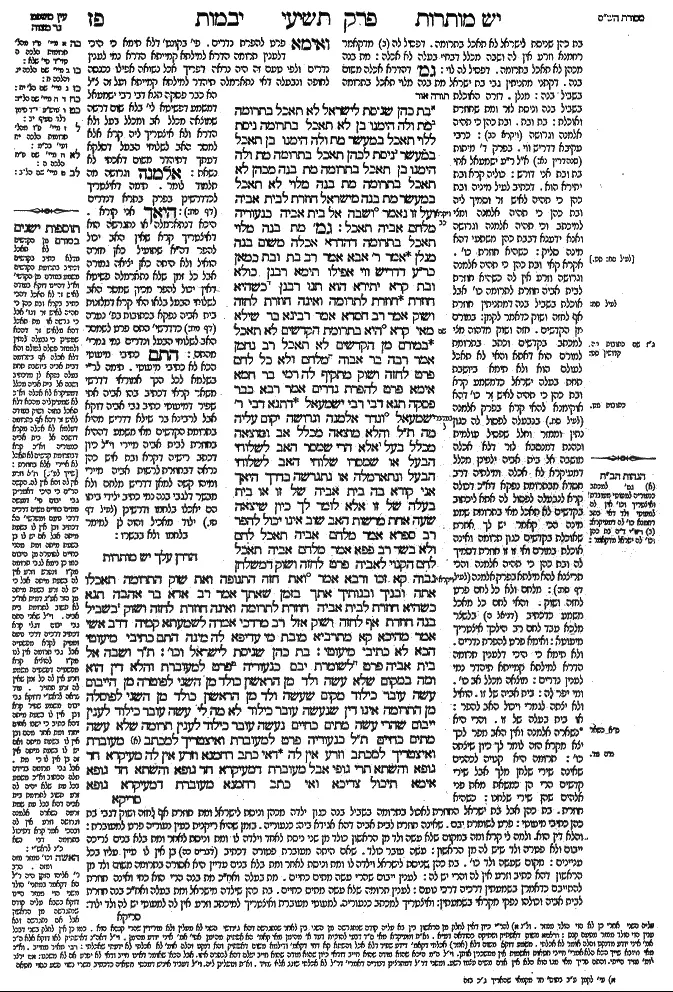
Yevamot 87a - Guemara
בת כהן שניסת לישראל לא תאכל בתרומה מת ולה הימנו בן לא תאכל בתרומה ניסת ללוי תאכל במעשר מת ולה הימנו בן תאכל במעשר ניסת לכהן תאכל בתרומה מת ולה הימנו בן תאכל בתרומה מת בנה מכהן לא תאכל בתרומה מת בנה מלוי לא תאכל במעשר מת בנה מישראל חוזרת לבית אביה ועל זו נאמר (ויקרא כב, יג) ושבה אל בית אביה כנעוריה מלחם אביה תאכל:
גמ׳ מת בנה מלוי תאכל בתרומה דהדרא אכלה משום בנה מנלן אמר ר' אבא אמר רב בת ובת כמאן כר"ע דדריש ווי אפילו תימא רבנן כולא ובת קרא יתירא הוא תנו רבנן כשהיא חוזרת חוזרת לתרומה ואינה חוזרת לחזה ושוק אמר רב חסדא אמר רבינא בר שילא מאי קרא (ויקרא כב, יב) היא בתרומת הקדשים לא תאכל במורם מן הקדשים לא תאכל רב נחמן אמר רבה בר אבוה מלחם ולא כל לחם פרט לחזה ושוק מתקיף לה רמי בר חמא אימא פרט להפרת נדרים אמר רבא כבר פסקה תנא דבי רבי ישמעאל דתנא דבי ר' ישמעאל (במדבר ל, י) ונדר אלמנה וגרושה יקום עליה מה ת"ל והלא מוצאה מכלל אב ומוצאה מכלל בעל אלא הרי שמסר האב לשלוחי הבעל או שמסרו שלוחי האב לשלוחי הבעל ונתארמלה או נתגרשה בדרך היאך אני קורא בה בית אביה של זו או בית בעלה של זו אלא לומר לך כיון שיצאה שעה אחת מרשות האב שוב אינו יכול להפר רב ספרא אמר מלחם אביה תאכל לחם ולא בשר רב פפא אמר מלחם אביה תאכל לחם הקנוי לאביה פרט לחזה ושוק דמשלחן גבוה קא זכו ורבא אמר (ויקרא י, יד) ואת חזה התנופה ואת שוק התרומה תאכלו אתה ובניך ובנותיך אתך בזמן שאתך אמר רב אדא בר אהבה תנא כשהיא חוזרת לבית אביה חוזרת לתרומה ואינה חוזרת לחזה ושוק בשביל בנה חוזרת אף לחזה ושוק אזל רב מרדכי אמרה לשמעתא קמיה דרב אשי אמר מהיכא קא מתרביא מובת מי עדיפא לה מינה התם כתיבי מיעוטי הכא לא כתיבי מיעוטי:
בת כהן שניסת לישראל וכו':
ת"ר ושבה אל בית אביה פרט לשומרת יבם כנעוריה פרט למעוברת והלא דין הוא ומה במקום שלא עשה ולד מן הראשון כולד מן השני לפוטרה מן הייבום עשה עובר כילוד מקום שעשה ולד מן הראשון כולד מן השני לפוסלה מן התרומה אינו דין שנעשה עובר כילוד לא מה לי עשה עובר כילוד לענין ייבום שהרי עשה מתים כחיים נעשה עובר כילוד לענין תרומה שלא עשה מתים כחיים ת"ל כנעוריה פרט למעוברת ואיצטריך למכתב מעוברת ואיצטריך למכתב וזרע אין לה דאי כתב רחמנא וזרע אין לה מעיקרא חד גופא והשתא תרי גופי אבל מעוברת דמעיקרא חד גופא והשתא חד גופא אימא תיכול צריכא ואי כתב רחמנא מעוברת דמעיקרא גופא
Comments from Rashi on Masechet Yevamot Page 87a
בת כהן שניסת לישראל לא תאכל בתרומה . דפסיל לה מדקאמר רחמנא וזרע אין לה ושבה מכלל דבחיי בעלה לא אכלה: מת בנה מכהן לא תאכל בתרומה . דפסיל לה לוי: גמ' דהדרא אכלה משום בנה . דקתני מתניתין גבי בת ישראל מת בנה מלוי תאכל בתרומה בשביל בנה: מנלן . דזרה האוכלת בשביל בנה וניסת לזר ומת שחוזרת ואוכלת: בת ובת . ובת כהן כי תהיה אלמנה וגרושה (ויקרא כב): כרבי עקיבא דדריש ווי . בפרק ד' מיתות (סנהדרין נא:) א"ל ר"ע ישמעאל אחי בת ובת אני דורש: כוליה קרא ובת יתירא הוא . דכתיב לעיל מיניה ובת כהן כי תהיה לאיש זר וסמיך ליה ובת כהן כי תהיה אלמנה ומצי למיכתב וכי תהיה אלמנה וגרושה ואנא ידענא דבבת כהן משתעי דהא מינה סליק: כשהיא חוזרת כו' . אקרא קאי ובת כהן כי תהיה אלמנה וגרושה וזרע אין לה כשהיא חוזרת לבית אביה חוזרת לתרומה כו' אבל אוכלת בשביל בנה דמתניתין חוזרת אף לחזה ושוק כדאמר לקמן: במורם מן הקדשים . חזה ושוק מדהוה מצי למכתב בקדשים וכתב בתרומת למורם הוא דאתא והאי לא תאכל לעולם הוא ולא תימא ביושבת תחת בעלה ישראל כדמשמע קרא ובת כהן כי תהיה לאיש זר כו' דהא אוקימנא להאי קרא בפרק אלמנה (לעיל יבמות סח.) בנבעלה לפסול לה כגון נתין וממזר וחלל שפסול עולמית וכהנת דמנסבא לזר דלא אכלה מושבה אל בית אביה ילפינן מכלל דמעיקרא לא אכלה ומילתיה דרב חסדא מבתרומת נפקא דא"כ דכולה קרא לנבעלה לפסול לה אתא ליכתוב בקדשים לא תאכל מאי בתרומת שמע מינה הכי קאמר יש לך אחרת שאוכלת בקדשים כגון תרומה ואינה אוכלת במורם ואי זו זו חוזרת דסמיך לה ובת כהן כי תהיה אלמנה והכי תריצנא להא מילתא בפרק אלמנה (לעיל יבמות דף סח:): מלחם ולא כל לחם פרט לחזה ושוק . והאי לחם כל מאכל משמע דכתיב (דניאל ה) בלשצר מלכא עבד לחם רב הילכך איצטריך מיעוטא: ואימא פרט להפרת נדרים . ולא תימא כי היכי דלענין תרומה הדרא למילתא קמייתא תיהדר נמי לענין נדרים: מוצאה מכלל אב כו' . ומי יפר לה: בית אביה של זו . הואיל ולא יצתה לגמרי ויכול האב להפר: או בית בעלה של זו . והרי היא נשארה אלמנה ואין האב מפר לכך יצא מקרא הזה לומר לך כיון שיצתה כו': תרומה היא קנויה לכהנים שאינה שירי שלחן מלך אבל שירי קדשים הרי הן כמשאת מאת פני אלהים שהן שירי שלחנו: כשהיא חוזרת . בת כהן. אבל בת ישראל החוזרת לאכול בתרומה בשביל בנה כגון ילדה מכהן וניסת לישראל ומת חוזרת אף לחזה ושוק דגבי בת כהן כתיבי מיעוטי: פרט לשומרת יבם . שאינה חוזרת לבית אביה דהא אגידא ביה: כנעוריה . בזמן שהיא ריקנית כעין נעוריה פרט למעוברת: והלא דין הוא . ולמה לי קרא ומה במקום שלא עשה ולד מן הראשון כולד מן שני ניסת לאחד וילדה לו ומת וניסת לאחר ומת בלא בנים צריכה ייבום ולא פטרה ולד שיש לה מן הראשון: עשה עובר כולד . שאם היתה מעוברת פטורה דכתיב (דברים כה) בן אין לו עיין עליו בכל עניינים: מקום שעשה ולד כו' . בת כהן שניסת לישראל וילדה לו ומת וניסת לאחר ומת בלא בנים עדיין היא אסורה בתרומה משום ולד מן הראשון דהא כתיב וזרע אין לה והרי יש לה: לענין ייבום שהרי עשה מתים כחיים . מת בעלה ואח"כ מת בנה הרי הוא כחי ואינה חוזרת להתייבם כדאמרן בשמעתין דרכיה דרכי נועם: לענין תרומה שלא עשה מתים כחיים . בת כהן שילדה מישראל ומת בעלה ואח"כ בנה חוזרת לבית אביה. וכולהו נפקי מקראי בשמעתין: ואיצטריך למכתב כנעוריה . למעוטי מעוברת ואיצטריך למיכתב וזרע אין לה למעוטי יש לה ולד ילוד:
Comments from Tosafot - Yevamot 87a
ואימא פרט להפרת נדרים . פי' בקונט' דלא תימא כי היכי דלענין תרומה הדרא למילתא קמייתא הדרא נמי לענין נדרים ולפי טעם זה היה נראה דפריך אכל נשואה אפילו נכנסה לחופה ונבעלה דאי נתארמלה תיהדר למילתא קמייתא ועל זה צ"ל הא כבר פסקה תנא דבי רבי ישמעאל דמשמע דפשיטא לי' בלא שום דרשה שמוצאה מכלל אב ומכלל בעל ולא הדרא ולא איצטריך ליה קרא אלא למסר האב לשלוחי הבעל דסלקא דעתך דתיהדר משום דאכתי לא נשאת: אלמנה וגרושה מה תלמוד לומר . תימה דאיצטריך לכדדרשינן בפרק בתרא דנדרים (דף פח:): היאך אני קורא . היכא דנתארמלה או נתגרשה הוא דאיצטריך קרא שאין האב יכול להפר דה"א שתועיל כאן חזרה הואיל ולא היתה כאן יציאה גמורה אבל כל זמן שלא נתארמלה פשיטא דאין יכול להפר מכיון שמסר האב לשלוחי הבעל בלאו האי קרא דמלזנות בית אביה נפקא בכתובות בפ' נערה (דף מח:) כדדרשי' התם פרט לשמסר האב לשלוחי הבעל ונדרים נמי גמרי' מהתם: התם כתיבי מיעוטי הכא לא כתיבי מיעוטי . תימה לר"י בשלמא לכל הנך אמוראי דדרשי משאר קראי דכתיב בהו אביה אתי שפיר דמיעוטי כתיב גבי אביה דוקא אבל לרבינא בר שילא דדריש מהיא בתרומת הקדשים מאי משמע דההיא בחוזרת לבית אביה מיירי וי"ל כיון דכתב רישיה דקרא ובת איש כהן נראה דבחוזרת לרשות אביה מיירי ומיהו קשה למאן דדריש מלחם ולא מבשר דלגבי בנה נמי כתיב ילידי ביתו הם יאכלו בלחמו ודרשינן (לעיל יבמות דף סז.) ילוד מאכיל והוה לן למימר בלחמו ולא בבשרו:
Yevamot 87a - Mishnah translated into english
The daughter of a priest married to an Israelite may not partake of teruma. If the Israelite died and she has a son from him, she may not partake of teruma as long as that son is alive. If she subsequently married a Levite she may partake of tithe. If he died, and she had a son from him, she may still partake of tithe. If she subsequently married a priest, she may partake of teruma. If the priest died and she had a son from him, she may partake of teruma.
If her son from the priest also died, she may not partake of teruma, but she may partake of tithe, as she has a son from a Levite. If her son from the Levite died, she may no longer partake of tithe. If her son from the Israelite died, she returns to her father’s house and may once again partake of teruma. And with regard to this woman, it is stated: “And she is returned unto her father’s house, as in her youth; she may eat of her father’s bread” (Leviticus 22:13).
GEMARA: We learned in the mishna: If her son from the Levite died she may partake of teruma. The Gemara asks: This halakha with regard to a woman previously married to a priest, who had a child from the priest and was then married to a Levite and separated from him, that she once again may partake due to her son from the priest, from where do we derive it? Rabbi Abba said that Rav said: It states: “But if a priest’s daughter be a widow, or divorced, and have no child, and is returned unto her father’s house, as in her youth” (Leviticus 22:13). The verse could have stated: If a priest’s daughter. Instead, it states: “But if a priest’s daughter,” with an extra word, represented by the single Hebrew letter vav, to include this case.
The Gemara asks: In accordance with the opinion of which Sage is this exposition? Is it only in accordance with Rabbi Akiva, who expounds the additional letter vav, representing the word “and,” as an inclusive term? The Gemara refutes this suggestion: It can be understood even if you say it is in accordance with the Rabbis, who do not usually derive halakhot from an additional vav, as in this case the entire phrase: “But if a priest’s daughter,” is superfluous, as the previous verse had already specified that we are dealing with “the daughter of a priest.” Therefore, everyone agrees that in this context the additional letter in the text comes to include the additional case.
§ The Sages taught: With regard to the daughter of a priest, when she returns to her father’s house after having been married to a non-priest and then separated from her husband, she returns to partaking of teruma but she does not return to partake of the breast and right hind leg of peace-offerings. Rav Ḥisda said that Ravina bar Sheila said: What is the verse that teaches us this halakha? “She may not eat of that which is set apart from the sacred things” (Leviticus 22:12). This verse indicates: From that which is separated from the sacred things, i.e., offerings, and given to a priest, she may not eat. Rav Naḥman said that Rabba bar Avuh said that this halakha comes from a different source: We infer from the words “she may eat of her father’s bread” (Leviticus 22:13), that she may not eat all bread; this comes to exclude the breast and right hind leg.
Rami bar Ḥama objects to this: But we can say that the verse comes to exclude nullification of vows. The Torah would consequently be teaching us that even after she “is returned unto her father’s house, as in her youth” (Leviticus 22:13), she does not return to her youth in all ways, as her father may not nullify her vows. Rava said: The connection between her and her father’s house with regard to vows has already been severed, as taught by the school of Rabbi Yishmael, as the school of Rabbi Yishmael taught: “But the vow of a widow, or of a divorcée…shall stand against her” (Numbers 30:10). What is the meaning when the verse states this? She was removed from the category of one who is under the authority of her father when she married, and she has likewise been removed from the category of one who is under the authority of her husband, as she is no longer married to him.
Rather, the verse is referring to a case where the father transferred his daughter to the husband’s agents for the purpose of marriage, and she consequently left her father’s house. Or, it is referring to a case where the father’s agents transferred her to the husband’s agents and she was widowed or divorced on the way, before she arrived at her husband’s house. How shall I consider her? Is she in the house of this one, her father, or is she in the house of that one, her husband? Rather, this comes to tell you: Since she has entirely left her father’s jurisdiction when she was transferred to the husband’s agents, even if for just one moment, her father is no longer able to nullify her vows. We learn from here that a father cannot annul his daughter’s vows after she has been married, and there is no need for an additional verse to teach this halakha.
Rav Safra said: The halakha that she does not return to her father’s house with regard to the breast and the right hind leg is derived from the verse: “From her father’s bread she may eat,” which indicates that she partakes of the “bread” of teruma but not of the meat of the breast and hind leg. Rav Pappa said a different interpretation: “From her father’s bread she may eat” is referring to bread owned by her father, such as teruma, which is the property of the priest, which excludes the breast and right hind leg, as the priests receive their portion from the table of the Most High. Unlike teruma, the breast and right hind leg do not belong to the priests. Rather, after the offering is sacrificed to God, they eat these portions but are not considered to own them.
And Rava said: It states: “And the breast of waving and the hind leg of heaving you shall eat…you, and your sons and your daughters with you” (Leviticus 10:14). This indicates that daughters of priests may eat at a time when they are “with you,” but once they have left the priest’s domain, e.g., by marrying an ordinary Israelite, they may no longer partake of these gifts even if they subsequently return to his household.
Rav Adda bar Ahava said: It was taught: With regard to the daughter of a priest, when she returns to her father’s house, after marrying and separating from her husband without a child, she returns for the purposes of eating teruma, but she does not return for the purposes of eating the breast and right hind leg. By contrast, if an Israelite woman ate on account of her son from a priest, if she later married an Israelite and he died, she returns to partake even of the breast and right hind leg.
Rav Mordekhai went and stated this halakha before Rav Ashi, who said to him: From where does he include the case of a woman who partakes of teruma on account of her son? From the verse “but if a priest’s daughter” (Leviticus 22:13). Is the Israelite woman preferable to her, the daughter of a priest herself, who does not return to eating the breast and hind leg? The Gemara answers: There, the Torah writes exclusions, as we learned above, which teach us that she does not return in all regards, whereas here it does not write exclusions. Consequently, although the halakha of a woman who has a son from a priest is itself derived from the case of the daughter of a priest returning to her father’s house, she has more abilities than the latter.
§ The Gemara returns to the mishna. The mishna taught: The daughter of a priest married to an Israelite may not partake of teruma. The Sages taught: “And she is returned unto her father’s house” (Leviticus 22:13); this excludes a widow awaiting her yavam, for she cannot go back to her father’s house as long as she is still waiting for the yavam to perform levirate marriage. “As in her youth”; this excludes a pregnant woman, as her pregnancy has changed her, and she is no longer as she was in her youth.
But could this not be derived through an a fortiori inference, without the need for a special exposition of a verse? If in a place, i.e., a case, where the Torah did not make the halakha pertaining to a child from the first husband like the halakha pertaining to a child from the second husband to exempt her from levirate marriage; this is the case of a woman who married a man, had a son with him, was widowed, remarried, and her second husband died childless. She requires levirate marriage despite the fact that she has a child, as the first husband’s child is irrelevant with regard to her need for levirate marriage for the second husband. Despite this limitation, the Torah made the status of a fetus like that of a child who was born, as a pregnant woman does not perform levirate marriage.
If this is so, then in a place where the Torah did make the halakha pertaining to a child from the first husband like the halakha pertaining to a child from the second husband to disqualify her from teruma; this is the case of a daughter of a priest who married an Israelite, had a son with him, was widowed, and afterward married another Israelite, who died childless. She may not partake of teruma on account of her son from the first husband. Is it not, therefore, right that we should make a fetus like a child who was born with regard to teruma, that would prevent her from returning to partake of teruma if she is pregnant? If this reasoning is correct, there is no need for the biblical exposition.
However, this proof can be refuted: No, what I should say is that the Torah made a fetus like a child who was born with regard to levirate marriage, because with regard to levirate marriage the Torah made the dead like the living: If the woman had a child at the time of her husband’s death she is entirely exempt from levirate marriage, even if her son subsequently died. The deceased child is like a living one in the sense that he continues to exempt his mother from the requirement of levirate marriage. Shall we then make a fetus like a child who was born with regard to teruma, where the Torah did not make the dead like the living? In the case of teruma, as long as the daughter of a priest has a living son from her Israelite husband, she is disqualified from teruma, but if he dies she may partake of teruma again, as we do not consider him like a living son. Consequently, we cannot learn the halakha of teruma from levirate marriage with regard to the status of a fetus. Therefore, the verse states “as in her youth” to exclude a pregnant woman.
The Gemara comments: And it was necessary to write this verse that teaches the halakha of a pregnant woman, and it was necessary also to write “and she have no child” (Leviticus 22:13) because had the Merciful One written only: “And she have no child,” I would have said that at the outset she was only one body when she ate teruma, and now, upon her return, there are two bodies, and that is why she is no longer “as in her youth.” But a pregnant woman, who at the outset was one body and now is still one body, one might say that she may partake of teruma until the birth of her son. Consequently, it is necessary for a verse to teach the halakha. And vice-versa, had the Merciful One written the halakha with regard to a pregnant woman, I might have said that this is true only of a pregnant woman because at the outset her body
Traduction : The William Davidson digital edition of the Koren Noé Talmud, with commentary by Rabbi Adin Even-Israel Steinsaltz.