 Talmud Bavli
The learning on the whole site is dedicated : L'ilui Nishmat רינה בת לדיסיה
The learning on the whole site is dedicated : L'ilui Nishmat Reuven ben Rivka SEBBAG
The learning on the whole site is dedicated : L'ilui Nishmat Avraham Ben Simha
Yevamot 108a : Youtube
Daf TubeYoutube
1 video class :
Yevamot Page 108a
Yevamot 108a - Guemara
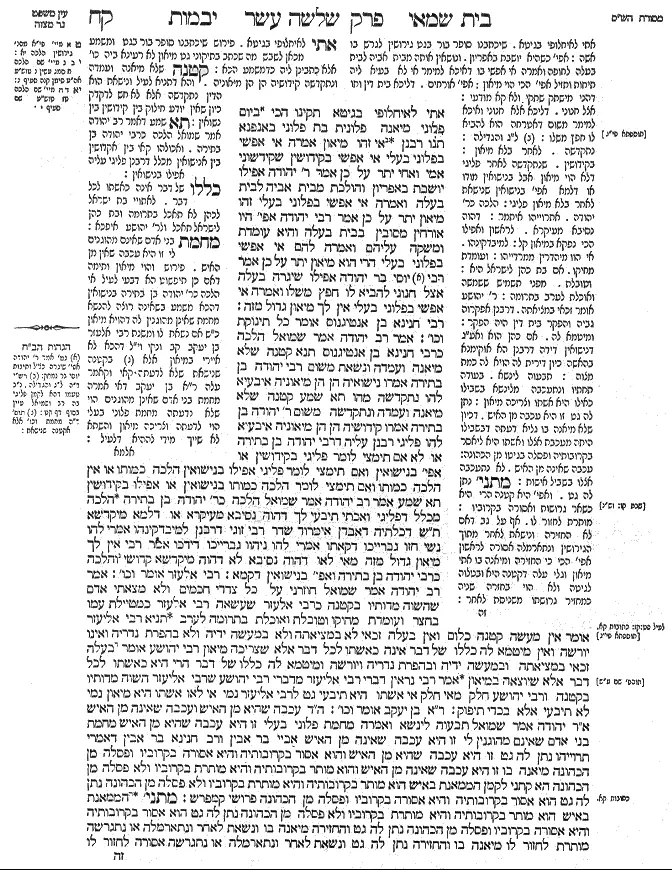
אתי לאיחלופי בגיטא תקינו הכי ביום פלוני מיאנה פלונית בת פלוני באנפנא תנו רבנן אי זהו מיאון אמרה אי אפשי בפלוני בעלי אי אפשי בקידושין שקידשוני אמי ואחי יתר על כן אמר ר' יהודה אפילו יושבת באפריון והולכת מבית אביה לבית בעלה ואמרה אי אפשי בפלוני בעלי זהו מיאון יתר על כן אמר רבי יהודה אפי' היו אורחין מסובין בבית בעלה והיא עומדת ומשקה עליהם ואמרה להם אי אפשי בפלוני בעלי הרי הוא מיאון יתר על כן אמר רבי יוסי בר יהודה אפילו שיגרה בעלה אצל חנוני להביא לו חפץ משלו ואמרה אי אפשי בפלוני בעלי אין לך מיאון גדול מזה:
רבי חנינא בן אנטיגנוס אומר כל תינוקת וכו':
אמר רב יהודה אמר שמואל הלכה כרבי חנינא בן אנטיגנוס תנא קטנה שלא מיאנה ועמדה ונשאת משום רבי יהודה בן בתירה אמרו נישואיה הן הן מיאוניה איבעיא להו נתקדשה מהו תא שמע קטנה שלא מיאנה ועמדה ונתקדשה משום ר' יהודה בן בתירה אמרו קידושיה הן הן מיאוניה איבעיא להו פליגי רבנן עליה דרבי יהודה בן בתירה או לא אם תימצי לומר פליגי בקידושין או אפי' בנישואין ואם תימצי לומר פליגי אפילו בנישואין הלכה כמותו או אין הלכה כמותו ואם תימצי לומר הלכה כמותו בנישואין או אפילו בקידושין תא שמע אמר רב יהודה אמר שמואל הלכה כר' יהודה בן בתירה הלכה מכלל דפליגי ואכתי תיבעי לך דהוה נסיבא מעיקרא או דלמא מיקדשא ת"ש דכלתיה דאבדן אימרוד שדר רבי זוגי דרבנן למיבדקינהו אמרי להו נשי חזו גברייכו דקאתו אמרי להו ניהוו גברייכו דידכו אמר רבי אין לך מיאון גדול מזה מאי לאו דהוה נסיבא לא דהוה מיקדשא קדושי והלכה כרבי יהודה בן בתירה ואפי' בנישואין דקמא:
רבי אלעזר אומר וכו':
אמר רב יהודה אמר שמואל חוזרני על כל צדדי חכמים ולא מצאתי אדם שהשוה מדותיו בקטנה כרבי אלעזר שעשאה רבי אלעזר כמטיילת עמו בחצר ועומדת מחיקו וטובלת ואוכלת בתרומה לערב תניא רבי אליעזר אומר אין מעשה קטנה כלום ואין בעלה זכאי לא במציאתה ולא במעשה ידיה ולא בהפרת נדריה ואינו יורשה ואין מיטמא לה כללו של דבר אינה כאשתו לכל דבר אלא שצריכה מיאון רבי יהושע אומר בעלה זכאי במציאתה ובמעשה ידיה ובהפרת נדריה ויורשה ומיטמא לה כללו של דבר הרי היא כאשתו לכל דבר אלא שיוצאה במיאון אמר רבי נראין דברי רבי אליעזר מדברי רבי יהושע שרבי אליעזר השוה מדותיו בקטנה ורבי יהושע חלק מאי חלק אי אשתו היא תיבעי גט לרבי אליעזר נמי אי לאו אשתו היא מיאון נמי לא תיבעי אלא בכדי תיפוק:
ר"א בן יעקב אומר וכו':
ה"ד עכבה שהיא מן האיש ועכבה שאינה מן האיש א"ר יהודה אמר שמואל תבעוה לינשא ואמרה מחמת פלוני בעלי זו היא עכבה שהיא מן האיש מחמת בני אדם שאינם מהוגנין לי זו היא עכבה שאינה מן האיש אביי בר אבין ורב חנינא בר אבין דאמרי תרוייהו נתן לה גט זו היא עכבה שהיא מן האיש והוא אסור בקרובותיה והיא אסורה בקרוביו ופסלה מן הכהונה מיאנה בו זו היא עכבה שאינה מן האיש והוא מותר בקרובותיה והיא מותרת בקרוביו ולא פסלה מן הכהונה הא קתני לקמן הממאנת באיש הוא מותר בקרובותיה והיא מותרת בקרוביו ולא פסלה מן הכהונה נתן לה גט הוא אסור בקרובותיה והיא אסורה בקרוביו ופסלה מן הכהונה פרושי קמפרש:
מתני׳ הממאנת באיש הוא מותר בקרובותיה והיא מותרת בקרוביו ולא פסלה מן הכהונה נתן לה גט הוא אסור בקרובותיה והיא אסורה בקרוביו ופסלה מן הכהונה נתן לה גט והחזירה מיאנה בו ונשאת לאחר ונתארמלה או נתגרשה מותרת לחזור לו מיאנה בו והחזירה נתן לה גט ונשאת לאחר ונתארמלה או נתגרשה אסורה לחזור לו
Comments from Rashi on Masechet Yevamot Page 108a
גמ' אתי לאיחלופי בגיטא . שיכתבנו סופר בור בגט גירושין לגרש בו אשה: אפי' כשהיא יושבת באפריון . ונושאין אותה מבית אביה לבית בעלה לחופה ואמרה אי אפשי בו דאיכא למימר אי לא בעיא ליה תיחות ותזיל אפי' הכי הוי מיאון: אפי' אורחים . דליכא בית דין ותו דהני מישתק שתקי ולא קא מודעי: אצל חנוני . דליכא אלא חנוני ואיכא למימר משום דאטרחה הוא להביא לו חפץ משלו:
ל"ג והגדילה: נתקדשה . לאחר בלא מיאון: בקידושין . שנתקדשה לאחר פליגי דלא הוי מיאון אבל בנישואין מודו או דלמא אפי' בנישואין שנישאת לאחר בלא מיאון פליגי: הלכה כר' יהודה . אתרוייהו איתמר: דהוה נסיבא מעיקרא . לראשון ואפילו הכי נפקא במיאון קל: למיבדקינהו . אי הוו מיהדרין ממרדייהו: ועומדת מחיקו . אם בת כהן לישראל היא: וטובלת . מפני תשמיש ששמשה ואוכלת לערב בתרומה: ר' יהושע אומר זכאי במציאתה . דרבנן אפקרוה גביה והפקר בית דין היה הפקר: ומיטמא לה . אם כהן הוא ואע"ג דנישואין דידה דרבנן הא אוקימנא בהאשה כיון דירית לה הויא לה כמת מצוה: תבעוה לינשא . בעודה תחתיו ונתעכבה מלינשא בשבילו כאילו היא אשתו וצריכה מיאון: נתן לה גט זו היא עכבה מן האיש . דכיון שלא מיאנה בו גליא דעתה דבשבילו היתה מעכבת אצלו ואשתו היא ליאסר בקרובותיה ופסלה בגיטו מן הכהונה: עכבה שאינה מן האיש . לא נתעכבה אצלו בשביל אישות: מתני' נתן לה גט . ואפי' היא קטנה הרי היא כשאר גרושות ואסורה בקרוביו:
מותרת לחזור לו . אף על גב דאם לא החזירה ונישאת לאחר מתוך הגירושין ונתארמלה אסורה לראשון אפי' הכי כי החזירה ומיאנה בו אתי מיאון וגלי עלה דקטנה היא ובטלוה לגיטה ולא הוי בחזרה שניה כמחזיר גרושתו משניסת לאחר:
Comments from Tosafot - Yevamot 108a
אתי לאיחלופי בגיטא . פירוש שיכתבנו סופר בור בגט ומשמע מכאן לשבש מה שכתב בתיקוני גט מיאון לא רעינא ביה כו' אלא כתבינן ליה כדמשמע הכא: קטנה שלא מיאנה ועמדה ונתקדשה קידושיה הן הן מיאוניה . והא דתניא לעיל ונישאת הוא הדין נתקדשה אלא לא חש לדקדק כיון שאין יודע חילוק בין קידושין בין נשואין: תא שמע דאמר רב יהודה אמר שמואל הלכה כרבי יהודה בן בתירה . ואכולהו קאי בין אקדושין בין אנישואין מכלל דרבנן פליגי עליה אפילו בנישואין: כללו של דבר אינה כאשתו לכל דבר . לאתויי בת ישראל לכהן לא תאכל בתרומה ובת כהן לישראל תאכל ולר' יהושע איפכא: מחמת בני אדם שאינם מהוגנים לי זו היא עכבה שאין מן האיש . פירוש והוי מיאון ותימה דאם כן תיפשוט הא דבעי לעיל אי הלכה כר' יהודה בן בתירה בנישואין דהכא משמע בשאינה רוצה להנשא מחמת שאינן מהוגנין לה דהויא מיאון כ"ש אם נשאת לו ומשנת רבי אלעזר בן יעקב קב ונקי וי"ל דהכא לא איירי במיאון אלא בקטנה שנישאת שלא לדעתה קאי וקאמר עלה ר"א בן יעקב דאי אמרה מחמת בני אדם שאינן מהוגנים הוי שלא לדעתה מחמת פלוני בעלי הוי לדעתה וצריכה מיאון והשתא לא שייך מידי לההיא דלעיל:
Yevamot 108a - Mishnah translated into english
This document may come to be confused with a bill of divorce and perhaps a man will err and give a bill of divorce using the text of refusal. Therefore, they decreed that one should write as follows: On such and such a day, so-and-so, the daughter of so-and-so, performed refusal in our presence, and no more.
§ The Sages taught: What constitutes a refusal? If she said: I do not want so-and-so as my husband, or: I do not want the betrothal in which my mother and brothers had me betrothed, that is a refusal. Rabbi Yehuda said more than that: Even if she is sitting in a bridal chair [apiryon] going from her father’s house to her husband’s house and said along the way: I do not want so-and-so as my husband, this constitutes a refusal.
Rabbi Yehuda said even more than that: Even if guests are reclining at her husband’s house and she is standing and serving them drinks as hostess, and she said to them: I do not want so-and-so as my husband, this constitutes a refusal, even though it is possible that she is merely complaining about the effort she is expending. Rabbi Yosei bar Yehuda said more than that: Even if her husband sent her to a shopkeeper to bring him an article of his and she said: I do not want so-and-so as my husband, there is no greater refusal than this.
§ It was taught in the mishna: Rabbi Ḥanina ben Antigonus says: Any girl who is so young that she cannot keep her betrothal safe does not need to refuse. Rav Yehuda said that Shmuel said: The halakha is in accordance with the opinion of Rabbi Ḥanina ben Antigonus. It was taught: In the case of a minor girl who did not refuse her husband, but who went and married someone else, it was said in the name of Rabbi Yehuda ben Beteira: Her new marriage constitutes her refusal, as she made her state of mind known, that she does not want him, and that is sufficient.
A dilemma was raised before the Sages: What is the halakha if she was betrothed to another man without performing refusal of the first husband? Is her acceptance of the betrothal sufficient to indicate that she refuses the first husband? The Gemara suggests: Come and hear an answer from a baraita: If a minor girl did not refuse her husband but went and became betrothed to another man, then, as the Sages said in the name of Rabbi Yehuda ben Beteira: Her betrothal constitutes her refusal.
A dilemma was raised before the Sages: Do the Rabbis disagree with Rabbi Yehuda ben Beteira or not? And further, if you say that they do disagree with him, do they disagree with him with regard to betrothal alone, or do they also disagree with him with regard to marriage? And if you say that they disagree even with regard to marriage, is the halakha in accordance with his opinion or is the halakha not in accordance with his opinion? And if you say that the halakha is in accordance with his opinion, is this only with regard to marriage, or is it even with regard to betrothal?
The Gemara cites a tradition: Come and hear: Rav Yehuda said that Shmuel said: The halakha is in accordance with the opinion of Rabbi Yehuda ben Beteira with regard to both marriage and betrothal. From the fact that he ruled the halakha, one may derive by inference that the Rabbis disagree.
But still, you should raise the dilemma: Does Rabbi Yehuda ben Beteira say that her betrothal to another counts as refusal even when she had initially been married or perhaps only if she was betrothed but not married beforehand? Come and hear: The daughters-in-law of Abdan rebelled against their husbands. Rabbi Yehuda HaNasi sent a pair of Sages to examine them and determine what could be done to rectify the matter. Some women said to the daughters-in-law: See, it is your husbands that are coming. They said back to them: Let them be your husbands.
Rabbi Yehuda HaNasi said: There is no greater refusal than this. What is the case? Is it not that they were already married? The Gemara rejects this: No, they were merely betrothed, but not married. This story cannot establish unequivocally what the halakha is in the case when the girl is married. The Gemara nevertheless concludes: The halakha is in accordance with the opinion of Rabbi Yehuda ben Beteira in all of these matters, even with regard to her marriage to the first husband: Even if she had actually been married to the first man, the marriage is invalidated by her betrothal to another.
§ It is taught in the mishna: Rabbi Elazar says: The act of a minor girl is nothing. Rather, her status is as though she were a seduced unmarried woman. Rav Yehuda said that Shmuel said: I reviewed all the opinions of the Sages concerning these matters, and I did not find any person who applied a consistent standard with regard to a minor like Rabbi Elazar did. For Rabbi Elazar portrayed her as a girl walking with her husband in a courtyard, who stands up from his bosom after he engaged in intercourse with her, and immerses herself to become ritually pure, and partakes of teruma by evening as if there were no marital bond between them and as if she, as the daughter of a priest, could continue to partake of teruma. The daughter of a priest is prohibited from eating teruma once she is married to a non-priest.
It is taught in a baraita: Rabbi Eliezer says: The act of a minor girl is nothing, and therefore her marriage is not valid. And her husband has no rights to items she finds, nor to her earnings; nor does he have the right to annul her vows; he does not inherit her assets if she dies; and if she dies he may not become ritually impure on her account if he is a priest, i.e., through his presence in the same room as her corpse. The principle is: She is not his wife in any sense, except that she must perform refusal in order to marry someone else.
Rabbi Yehoshua says: In the case of a minor whose mother or brother married her off, her husband has rights to items she finds, and to her earnings; and he has the right to annul her vows; and he inherits her assets if she dies; and if she dies he must become ritually impure on her account even if he is a priest. The principle is: She is his wife in every sense, except that she can leave him by means of refusal and does not require a bill of divorce.
Rabbi Yehuda HaNasi said: The statement of Rabbi Eliezer appears to be more correct than the statement of Rabbi Yehoshua, as Rabbi Eliezer applied a consistent standard with regard to a minor, while Rabbi Yehoshua applied an inconsistent standard. The Gemara asks: In what way is his standard inconsistent? The Gemara answers: If she is his wife, she should require a bill of divorce from him.
According to Rabbi Eliezer too, there appears to be an inconsistency, as, if she is not his wife, she should not be required to perform refusal either. The Gemara answers: But shall she leave with no ritual at all? Some sort of act is required to indicate that their relationship is permanently severed. Rabbi Eliezer has a consistent standard, according to which the marriage of a minor has no substance and to dissolve it she need only indicate that she does not want her husband. Rabbi Yehoshua is inconsistent in treating the relationship as a marriage even though it can be dissolved easily.
§ The mishna stated: Rabbi Eliezer ben Ya’akov says: If there is any obstruction in the matter due to the man, it is as if she were his wife. If there is any obstruction in the matter that is not due to the man, it is as if she were not his wife. The Gemara asks: What are the circumstances of an obstruction due to the man, and an obstruction that is not due to the man? Rav Yehuda said that Shmuel said: If someone proposed marriage to her and she said: I do not wish to marry on account of so-and-so, my husband, this is an obstruction that is due to the man. When she declined the proposal, she made it clear that she views herself as his wife. But if she says: I do not want to marry because the men suggested to me are not suitable for me, this is an obstruction that is not due to the man, and she is not considered to be his wife.
Abaye bar Avin and Rav Ḥanina bar Avin both say: If the minor’s husband gave her a bill of divorce, this is an obstruction that is due to the man, since in presenting the bill of divorce, the marriage is being treated as valid. Therefore, from then onward, he is prohibited from marrying her close relatives, and she is prohibited from marrying his close relatives; and, as a divorced woman, she is disqualified from marrying into the priesthood. However, if she refuses him, this is an obstruction that is not due to the man. Therefore, he is permitted to marry her close relatives, and she is permitted to marry his close relatives, and she is not disqualified from the priesthood, since her refusal annuls the marriage retroactively.
The Gemara challenges: But it is taught explicitly below, in the following mishna: If a minor girl refuses a man, he is permitted to marry her close relatives and she is permitted to marry his close relatives, and he has not disqualified her from marrying into the priesthood. If he gave her a bill of divorce, he is prohibited from marrying her close relatives, and she is prohibited from marrying his close relatives, and he has disqualified her from marrying into the priesthood. Since the difference between refusal and a bill of divorce is already addressed in the following mishna, why is the same ruling repeated here? The Gemara answers: The following mishna is explaining the latter part of this mishna.
MISHNA: If a minor girl refuses a man, he is permitted to marry her close relatives, such as her mother or her sister, and she is permitted to marry his close relatives, such as his father or brother, and he has not disqualified her from marrying into the priesthood, as she is not considered divorced. However, if he gave her a bill of divorce, then even though the marriage was valid according to rabbinic law and not Torah law, he is prohibited from marrying her close relatives, and she is prohibited from marrying his close relatives, and he has disqualified her from marrying into the priesthood.
If he gave her a bill of divorce but afterward remarried her, and she subsequently refused him and married another man, and then she was widowed or divorced from her second husband, she is permitted to return to him. Since she left him the last time by means of refusal, the refusal cancels the bill of divorce that he gave her previously, and her status is that of a minor girl who refused her husband, who is not forbidden to her first husband after a second marriage. However, if the order was different, and if she refused him and he subsequently remarried her, and this time he gave her a bill of divorce and she married another man, and she was widowed or divorced, she is forbidden to return to him, like any divorced woman who married another man.
Traduction : The William Davidson digital edition of the Koren Noé Talmud, with commentary by Rabbi Adin Even-Israel Steinsaltz.