 Talmud Bavli
Yevamot 16a : Youtube
Daf TubeYoutube
2 video classes :
Yevamot Page 16a
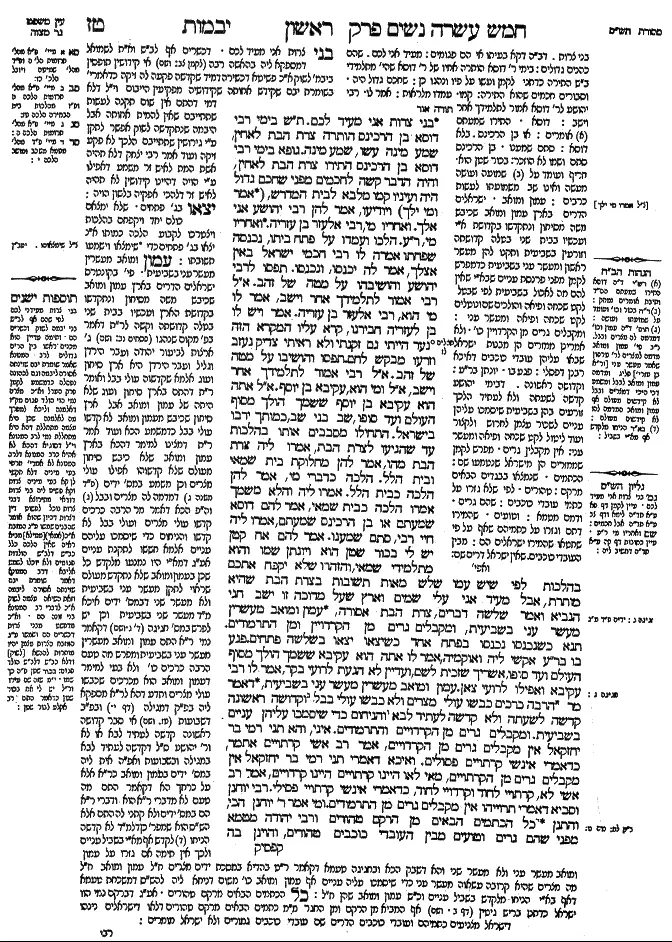
Yevamot 16a - Guemara
בני צרות אני מעיד לכם ת"ש בימי רבי דוסא בן הרכינס הותרה צרת הבת לאחין שמע מינה עשו שמע מינה גופא בימי רבי דוסא בן הרכינס התירו צרת הבת לאחין והיה הדבר קשה לחכמים מפני שחכם גדול היה ועיניו קמו מלבא לבית המדרש (אמר ומי ילך) ויודיעו אמר להן רבי יהושע אני אלך ואחריו מי רבי אלעזר בן עזריה ואחריו מי ר"ע הלכו ועמדו על פתח ביתו נכנסה שפחתו אמרה לו רבי חכמי ישראל באין אצלך אמר לה יכנסו ונכנסו תפסו לרבי יהושע והושיבהו על מטה של זהב א"ל רבי אמור לתלמידך אחר וישב אמר לו מי הוא רבי אלעזר בן עזריה אמר ויש לו בן לעזריה חבירנו קרא עליו המקרא הזה (תהלים לז, כה) נער הייתי גם זקנתי ולא ראיתי צדיק נעזב וזרעו מבקש לחם תפסו והושיבו על מטה של זהב א"ל רבי אמור לתלמידך אחר וישב א"ל ומי הוא עקיבא בן יוסף א"ל אתה הוא עקיבא בן יוסף ששמך הולך מסוף העולם ועד סופו שב בני שב כמותך ירבו בישראל התחילו מסבבים אותו בהלכות עד שהגיעו לצרת הבת אמרו ליה צרת הבת מהו אמר להן מחלוקת בית שמאי ובית הלל הלכה כדברי מי אמר להן הלכה כבית הלל אמרו ליה והלא משמך אמרו הלכה כבית שמאי אמר להם דוסא שמעתם או בן הרכינס שמעתם אמרו ליה חיי רבי סתם שמענו אמר להם אח קטן יש לי בכור שטן הוא ויונתן שמו והוא מתלמידי שמאי והזהרו שלא יקפח אתכם בהלכות לפי שיש עמו שלש מאות תשובות בצרת הבת שהיא מותרת אבל מעיד אני עלי שמים וארץ שעל מדוכה זו ישב חגי הנביא ואמר שלשה דברים צרת הבת אסורה עמון ומואב מעשרין מעשר עני בשביעית ומקבלים גרים מן הקרדויין ומן התרמודים תנא כשנכנסו נכנסו בפתח אחד כשיצאו יצאו בשלשה פתחים פגע בו בר"ע אקשי ליה ואוקמיה אמר לו אתה הוא עקיבא ששמך הולך מסוף העולם ועד סופו אשריך שזכית לשם ועדיין לא הגעת לרועי בקר אמר לו רבי עקיבא ואפילו לרועי צאן עמון ומואב מעשרין מעשר עני בשביעית דאמר מר הרבה כרכים כבשו עולי מצרים ולא כבשו עולי בבל וקדושה ראשונה קדשה לשעתה ולא קדשה לעתיד לבא והניחום כדי שיסמכו עליהן עניים בשביעית ומקבלים גרים מן הקרדויים והתרמודים איני והא תני רמי בר יחזקאל אין מקבלים גרים מן הקרדויים אמר רב אשי קרתויים אתמר כדאמרי אינשי קרתויים פסולים ואיכא דאמרי תני רמי בר יחזקאל אין מקבלים גרים מן הקרתויים מאי לאו היינו קרתויים היינו קרדויים אמר רב אשי לא קרתויי לחוד וקרדויי לחוד כדאמרי אינשי קרתויי פסילי רבי יוחנן וסביא דאמרי תרוייהו אין מקבלים גרים מן התרמודים ומי אמר ר' יוחנן הכי והתנן כל הכתמים הבאים מן הרקם טהורים ורבי יהודה מטמא מפני שהם גרים וטועים מבין העובדי כוכבים טהורים והוינן בה
Comments from Rashi on Masechet Yevamot Page 16a
בני צרות . דב"ה דקא בעיתו אי הם פגומים: מעיד אני לכם . שהם כהנים גדולים: בימי ר' דוסא הותרה . אחיו של ר' דוסא שהי' מתלמידי ב"ש התירה כדתני לקמן ועשו על פיו ונהגו כן: שחכם גדול היה . וסבורים חכמים שהוא התירה: קמו . עמדו מלראות: אמר לו . רבי יהושע לר' דוסא אמור לתלמידך אחר וישב: דוסא . התירו שמעתם אומרים: או בן הרכינס . בלא דוסא: סתם שמענו . בן הרכינס סתם ושמו לא הוזכר: בכור שטן הוא . חריף ועומד על שמועה ועושה מעשה ואינו שב משמועתו לעשות כרבים: עמון ומואב . ישראלים הדרים בארץ עמון ומואב שכיבש משה מסיחון ונתקדשו בקדושת א"י ועכשיו בבית שני בטלה קדושתה וזורעין בשביעית ותקנו להן מעשר ראשון ומעשר עני בשביעית כדמפרש לקמן מפני פרנסת עניים שבא"י שאין להם מה לאכול בשביעית לפי שבטל לקט שכחה ופיאה והולכים שם ונוטלים לקט שכחה ופיאה ומעשר עני: ומקבלים גרים מן הקרדויין כו' . ולא אמרינן ממזרים הן מבנות ישראל שבאו עליהן עובדי כוכבים דאיכא רבנן דפסלי: פגע בו . יונתן בר"ע: וקדושה ראשונה . דבימי יהושע קדשה לשעתה ולא לעתיד הלכך זורעים בהן בשביעית שיסמכו עליהן עניים לשכור עצמן לחרוש ולקצור ועוד ליטול לקט שכחה ופיאה ומעשר עני: אין מקבלין גרים . מפרש לקמן שממזרים הן מישראל שנטמעו שם: הכתמים . שנמצאו בבגדים הבאים מרקם: טהורים . לפי שלא גזרו על כתמי עובדי כוכבים: שהם גרים . ודמם מטמא: וטועים . שהמירו דתם וגזרו על כתמיהם שאף על פי שחטאו שהמירו ישראלים הם: מבין העובדי כוכבים . שאין ישראל דרים שם:
Comments from Tosafot - Yevamot 16a
בני צרות אני מעיד לכם . דכשרים אף לב"ש וא"ת לשמואל דמספקא ליה בהאשה רבה (לקמן יבמות צב: ושם) אי קידושין תופסין ביבמ' לשוק א"כ פשיטא דכשירה דמיד שקדשה פקעה לה זיקה כדאמרי' בשומרת יבם שקידש אחותה שקידושיה מפקיעין הייבום וי"ל דלא דמי דהתם אין שום תקנה לעשות שתתייבם שאין להמית אחותה אבל היבמה שנתקדשה לשוק אפשר לתקן ע"י גירושין שתתייבם הלכך לא פקע זיקה ועוד אמר רבי יצחק דלא תהיה אשת המת לאיש זר משמע דאפילו ע"י הויה דהיינו קידושין לא תהיה לאיש זר דלהכי אפקיה בלשון הויה: יצאו בג' פתחים . שלא ימצאם כולם יחד ויקפחם בהלכות ויצטרכו לקבוע הלכה כמותו א"נ יצאו בג' פתחים כדי שימצאו וישמעו תשובתו: עמון ומואב מעשרין מעשר עני בשביעית . פי' בקונטרס ישראלים הדרים בארץ עמון ומואב שכיבש משה מסיחון ונתקדשו בקדושת הארץ ועכשיו בבית שני בטלה קדושתה וקשה לר"ת דאמר בפ' מקום שנהגו (פסחים נב: ושם) ג' ארצות לביעור יהודה ועבר הירדן וגליל ועבר הירדן היא ארץ סיחון ועוג אלמא שקדשוה עולי בבל ואומר ר"ת דהתם בארץ סיחון ועוג שלא היתה של עמון ומואב אבל ארץ סיחון שכיבש מעמון ומואב לא קדשו עולי בבל כדמשמע הכא ועוד אמר ר"ת דמצינו למימר דהכא בארץ עמון ומואב שלא כיבש סיחון מעולם שלא קדשוהו אפילו עולי מצרים וכן משמע במס' ידים (פ"ד משנה ג) דמדמה לה מצרים ובבל וה"פ הכא דאמר מר הרבה כרכים קדשו עולי מצרים ועולי בבל לא קדשו והניחום כדי שיסמכו עליהם עניים אלמא חששו לתקנת עניים אע"ג דמא"י היו נמנעו מלקדש כל שכן בעמון ומואב שלא נתקדש מעולם שראוי לתקן מעשר עני בשביעית ולא מעשר שני דבמס' ידים איכא מ"ד מעשר שני בשביעית וכן יש לפרש במס' חגיגה (ד' ג. ושם) דקאמר נמי ר"א התם עמון ומואב מעשרין מעשר עני בשביעית ומפרש מה טעם הרבה כרכים כו' ולא בעי למימר דעמון ומואב הוא מכרכים שכבשו עולי מצרים ותדע דהא לר"א מספקא ליה בפ"ק דמגילה (דף י.) ובפ"ב דשבועות (טז. ושם) אי סבר קדושה ראשונה קדשה לעתיד לבא או לא ור' יהושע ס"ל דקדשה לעתיד לבא במגילה ובשבועות ואפ"ה אית ליה במס' ידים בעמון ומואב כר"א אלא על כרחך הא דקאמר התם מה טעם לא מדברי ר"א הוא ודברי ר"א הם במס' ידים ולא קתני לה התם אלא הש"ס הוא שמפר' כן דלמ"ד לא קדשה הניחו לקדש אף מא"י בשביל עניים ולכך אין תימה אם גזרו על עמון ומואב מעשר עני ולא מעשר שני והא דשבק הכא ובחגיגה טעמא דקאמר ר"ט בהדיא במסכת ידים מצרים ח"ל עמון ומואב ח"ל מה מצרים שהיא קרובה עשאוה מעשר עני כדי שיסמכו עליה עניים אף עמון ומואב כו' משום דניחא ליה להש"ס דמשכחת טעמא דאף בא"י הניחו מלקדש בשביל עניים וכ"ש עמון ומואב שהן ח"ל: רבי יוחנן וסביא אמרי אין מקבלין גרים מן התרמודיים . תימה היכי פליג ר' יוחנן אחגי הנביא ושמא סבר ר' יוחנן שלא אמרה חגי מעולם: כל הכתמים הבאים מרקם טהורים . אע"ג דברקם נמי הוו ישראל כדתנן בריש גיטין (דף ב. ושם) אף המביא מן הרקם ומן החגר מ"מ כתמים הבאים מרקם טהורים דלאו דישראלים נינהו דישראל מצניעים כתמיהם ועובדי כוכבים הדרים שם עובדי כוכבים גמורים ולא ישראל מומרים:
Yevamot 16a - Mishnah translated into english
whereas with regard to the children of rival wives, I testify to you that they are not disqualified, since, as stated, their descendants served as High Priests.
§ The Gemara states: Come and hear another source that indicates Beit Shammai did act upon their opinions: In the time of Rabbi Dosa ben Harkinas, the rival wife of a daughter was permitted to the brothers. Conclude from this that Beit Shammai did act in accordance with their opinions. The Gemara summarizes these proofs: Indeed, conclude from these sources that Beit Shammai did put their rulings into practice.
§ Since the last source is only part of a larger incident, the Gemara cites the matter itself. In the time of Rabbi Dosa ben Harkinas the Sages permitted the rival wife of a daughter to the brothers. In other words, it became known that Rabbi Dosa ben Harkinas deemed permitted a daughter’s rival wife. And this matter was difficult in the eyes of the Rabbis because he was a great Sage and his decision in favor of Beit Shammai carried great weight. They could not approach him immediately, as he was very old and his eyes had dimmed so much that he was incapable of coming to the study hall.
They said: And who will go and notify him that this matter requires clarification? Rabbi Yehoshua said to them: I will go. They asked: And who shall go after him? They selected Rabbi Elazar ben Azarya, who was one of the great Sages of the generation, notwithstanding his youth. They further inquired: And who after him? Rabbi Akiva. They went and stood at the entrance of Rabbi Dosa ben Harkinas’s house. His maidservant entered and said to him: Rabbi, the Sages of Israel have come to you. He said to her: Let them enter, and they entered.
Rabbi Dosa ben Harkinas grabbed Rabbi Yehoshua, with whom he was already acquainted, and sat him on a bed of gold, as Rabbi Dosa was extremely wealthy. Rabbi Yehoshua said to him: Rabbi, call your other disciple so that he may sit. He asked him to call the other Sage as well, as it is a mark of respect when speaking to a great scholar to call every other Sage his disciple. He said to him: Who is it? Rabbi Yehoshua replied: Rabbi Elazar ben Azarya. Rabbi Dosa said: And does our colleague Azarya have a son? Due to his old age and prolonged absence from the study hall he had not heard of him.
Rabbi Dosa ben Harkinas recited this verse about Rabbi Elazar ben Azarya: “I have been young, and now am old; yet I have not seen the righteous forsaken, nor his seed begging bread” (Psalms 37:25). He interpreted this verse to mean that the son of a Torah scholar also becomes a Torah scholar. He grabbed him and sat him on a bed of gold. Rabbi Yehoshua said to him: Rabbi, call your other disciple so that he may sit. He said to him: Who is that? He said to him: Akiva ben Yosef. Rabbi Dosa said to him: You are Akiva ben Yosef, whose name has spread from one end of the world to the other? Even Rabbi Dosa had heard of Rabbi Akiva’s reputation as a great man. Sit, my son, sit. May the likes of you multiply in Israel.
Out of courtesy, they did not wish to broach the subject immediately. Rather, they began to encircle him with deliberations on different halakhot, until they came to the case of the rival wife of a daughter. They said to him: What is the halakha with regard to the rival wife of a daughter? He said that it is a matter of dispute between Beit Shammai and Beit Hillel. They asked him: According to whose statement is the halakha? He said to them: The halakha is in accordance with the opinion of Beit Hillel. They said to him: But didn’t they say in your name that the halakha is in accordance with the opinion of Beit Shammai?
He said to them: Did you hear that Dosa ben Harkinas issued this ruling, or did you hear that it was stated by ben Harkinas? They said to him: On your life, Rabbi, we heard simply ben Harkinas. He said to them: If so, it is no wonder, as I have a younger brother who is the firstborn of the Satan, i.e., he is extremely sharp and as brazen as a demon. And his name is Yonatan, and he is among the disciples of Shammai. It is he who issued this ruling.
Rabbi Dosa ben Harkinas added: And beware that he not batter you with halakhot in this matter, as he has with him three hundred proofs with regard to the rival wife of a daughter that she is permitted. However, you need not worry about the issue itself, as I call as witnesses before me the heavens and the earth that on this very mortar, which was preserved in my house due to its historical importance, Haggai the prophet sat, and I have a tradition that he said three matters of halakha: First, that the rival wife of a daughter is forbidden.
Second, that the halakhic rulings for the territories of Ammon and Moab in Transjordan, although similar to those of Eretz Yisrael, are not exactly the same, as their residents tithe the poor man’s tithe in the Sabbatical Year. The total abandonment of fields in the seventh year does not apply in Ammon and Moab, as they are not part of Eretz Yisrael. Instead, in those areas one must bring the poor man’s tithe to the paupers of Eretz Yisrael, as there are no tithes in Eretz Yisrael in the Sabbatical Year. Lastly, Haggai testified: And one accepts converts from the Karduyin and the Tarmodim, without concern that there might be Jews mingled among them, which could render them mamzerim and prohibited from entering the community.
The Sage taught: When they entered, they all entered through one entrance. When they left, they left through three entrances, in an effort to try to find Rabbi Dosa’s brother. Rabbi Akiva encountered him. Yonatan ben Harkinas raised against him all of his objections to the opinion of Beit Hillel, and he withstood him, i.e., Rabbi Akiva was able to respond to all of them.
Yonatan ben Harkinas grew angry and said to him: You are Akiva ben Yosef, whose name has spread from one end of the world to the other? Be happy that you have merited a great name, and yet you have not yet reached the level of cattle herders. Cattle herders were generally simple individuals who were not familiar even with ordinary matters, and certainly not with halakha. Rabbi Akiva said to him with characteristic modesty: And I have not even reached the level of shepherds, who are considered even worse than cattle herders, as they are unfit for giving testimony.
§ Since the halakhot of the prophet Haggai were mentioned, the Gemara discusses them here. Haggai said that Ammon and Moab tithe the poor man’s tithe in the Sabbatical Year, as the Master said: Many cities were conquered by those who returned from Egypt, and were not conquered by those who returned from Babylonia after the destruction of the First Temple. And the initial consecration of Eretz Yisrael, by those who returned from Egypt, sanctified it for its time and did not sanctify it forever, as the future sanctification of Eretz Yisrael depended on the renewed conquest of the land by the Jewish people.
And those who returned from Babylonia left those places aside and did not consider them part of Eretz Yisrael even after Jewish settlement was renewed there. They would plow and harvest in these places in the Sabbatical Year and tithe the poor man’s tithe so that the poor of Eretz Yisrael who did not have sufficient income from the previous years could rely upon them. Consequently, in the Sabbatical Year the poor received help from this tithe.
§ Haggai also declared: And one accepts converts from the Karduyim and the Tarmodim. The Gemara asks: Is that so? But didn’t Rami bar Yeḥezkel teach in a baraita: One does not accept converts from the Karduyim? Rav Ashi said: Kartuyim, not Karduyim, was stated by Rami bar Yeḥezkel. As people say in common discourse: The Kartuyim are unfit.
And there are those who say a slightly different version of this discussion. Rami bar Yeḥezkel taught: One does not accept converts from the Kartuyim. What, is it not the case that Kartuyim is the same as Karduyim? If so there is a contradiction between the baraita of Rami bar Yeḥezkel and the statement of Rabbi Dosa ben Harkinas. Rav Ashi said: No; the Kartuyim are one discrete category and the Karduyim are another discrete category, as people say: Kartuyim are unfit.
Rabbi Yoḥanan and the Elders both say: One does not accept converts from the Tarmodim. The Gemara asks: And did Rabbi Yoḥanan actually say this, that one does not accept converts from the Tarmodim due to a concern that Jews may have intermingled with them? But didn’t we learn in a mishna: All clothing with stains of blood that might be from a menstruating woman and that come from the city on the border of Eretz Yisrael called Rekem are ritually pure, as it can be assumed that they belong to gentiles, and the blood of a menstruating gentile woman is not ritually impure.
And Rabbi Yehuda deems it ritually impure because those residents of that place are converts and are in error. In other words, some of the inhabitants of Rekem assimilated and no longer observe the halakhot of the Torah, and therefore one must be wary lest the stains are in fact from a Jewish menstruating woman. Stains that came from among the gentiles, however, are ritually pure. And we discussed the following problem:
Traduction : The William Davidson digital edition of the Koren Noé Talmud, with commentary by Rabbi Adin Even-Israel Steinsaltz.