 Talmud Bavli
The learning on the whole site is dedicated : L'ilui Nishmat Rav Chlomo Ben Jamilla
The learning on the whole site is dedicated : L'ilui Nishmat רינה בת לדיסיה
The learning on the whole site is dedicated : L'ilui Nishmat יוסף בן מושה
Yevamot 95a : Youtube
Daf TubeYoutube
1 video class :
Yevamot Page 95a
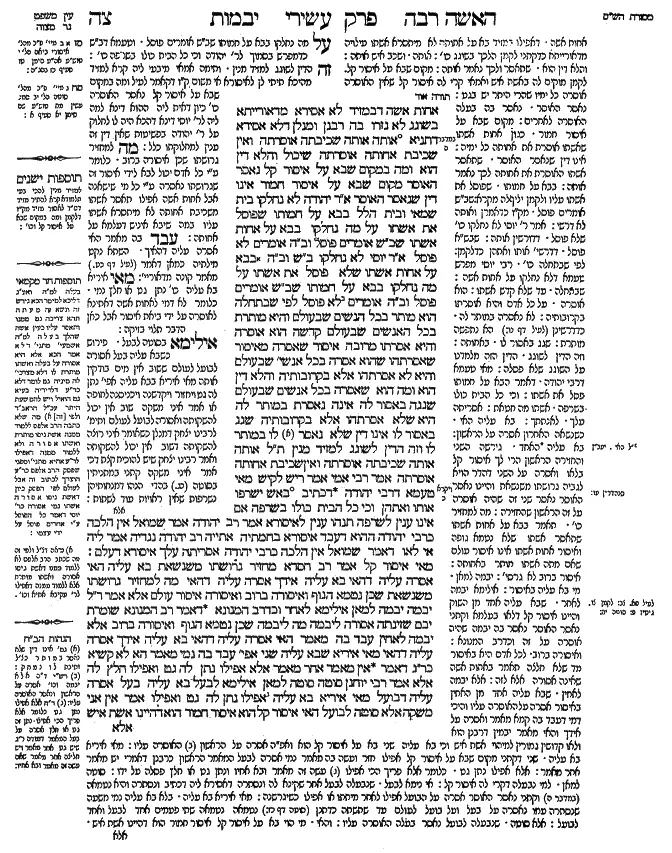
Yevamot 95a - Guemara
אחות אשה דבמזיד לא אסירא מדאורייתא בשוגג לא גזרו בה רבנן ומנלן דלא אסירא דתניא (במדבר ה, יג) אותה אותה שכיבתה אוסרתה ואין שכיבת אחותה אוסרתה שיכול והלא דין הוא ומה במקום שבא על איסור קל נאסר האוסר מקום שבא על איסור חמור אינו דין שנאסר האוסר א"ר יהודה לא נחלקו בית שמאי ובית הלל בבא על חמותו שפוסל את אשתו על מה נחלקו בבא על אחות אשתו שב"ש אומרים פוסל וב"ה אומרים לא פוסל א"ר יוסי לא נחלקו ב"ש וב"ה בבא על אחות אשתו שלא פוסל את אשתו על מה נחלקו בבא על חמותו שב"ש אומרים פוסל וב"ה אומרים לא פוסל לפי שבתחלה הוא מותר בכל הנשים שבעולם והיא מותרת בכל האנשים שבעולם קדשה הוא אוסרה והיא אסרתו מרובה איסור שאסרה מאיסור שאסרתהו שהוא אסרה בכל אנשי' שבעולם והיא לא אסרתהו אלא בקרובותיה והלא דין הוא ומה הוא שאסרה בכל אנשים שבעולם שגגה באסור לה אינה נאסרת במותר לה היא שלא אסרתהו אלא בקרובותיה שגג באסור לו אינו דין שלא נאסר לו במותר לו וזה הדין לשוגג למזיד מנין ת"ל אותה אותה שכיבתה אוסרתה ואין שכיבת אחותה אוסרתה אמר רבי אמי אמר ריש לקיש מאי טעמא דרבי יהודה דכתיב (ויקרא כ, יד) באש ישרפו אותו ואתהן וכי כל הבית כולו בשרפה אם אינו ענין לשרפה תנהו ענין לאיסורא אמר רב יהודה אמר שמואל אין הלכה כרבי יהודה ההוא דעבד איסורא בחמתיה אתייה רב יהודה נגדיה אמר ליה אי לאו דאמר שמואל אין הלכה כרבי יהודה אסריתה עלך איסורא דעלם:
מאי איסור קל אמר רב חסדא מחזיר גרושתו משנשאת בא עליה האי אסרה עליה דהאי בא עליה אידך אסרה עליה דהאי מה למחזיר גרושתו משנשאת שכן נטמא הגוף ואיסורה ברוב ואיסורה איסור עולם אלא אמר ר"ל יבמה יבמה למאן אילימא לאחר וכדרב המנונא דאמר רב המנונא שומרת יבם שזינתה אסורה ליבמה מה ליבמה שכן נטמא הגוף ואיסורה ברוב אלא יבמה לאחין עבד בה מאמר האי אסרה עליה דהאי בא עליה אידך אסרה עליה דהאי מאי איריא שבא עליה שני אפי' עבד בה נמי מאמר הא לא קשיא כר"ג דאמר אין מאמר אחר מאמר אלא אפילו נתן לה גט ואפילו חלץ לה אלא אמר רבי יוחנן סוטה סוטה למאן אילימא לבעל בא עליה בעל אסרה עליה דבועל מאי איריא בא עליה אפילו נתן לה גט ואפילו אמר אין אני משקה אלא סוטה לבועל האי איסור קל הוא איסור חמור הוא דהיינו אשת איש
Comments from Rashi on Masechet Yevamot Page 95a
אחות אשה . דאפילו במזיד בא על אחותה לא מיתסרא אשתו עילויה מדאורייתא כדקתני לקמן הלכך בשוגג כו': אותה . ושכב איש אותה: והלא דין הוא . שתאסר ולכך נאמר אותה: מקום שבא על איסור קל . לקמן מוקים לה באשת איש ואמאי קרי לה איסור קל שאין האוסרה אוסרה כל ימיו שהרי היתר יש בגט: נאסר האוסר . נאסר בה בעלה האוסרה לאחרים: מקום שבא על איסור חמור . כגון אחות אשתו שאשתו אוסרת את אחותה כל ימיה: אינו דין שנאסר האוסר . שתאסר אשתו האוסרת את אחותה לכך נאמר אותה: בבא על חמותו שפוסל את אשתו עליו . ולקמן יליף לה מקרא: שב"ש אומרים פוסל . מק"ו כדאמרן ואותה לא דרשי: אמר ר' יוסי לא נחלקו כו' שלא פוסל . דדורשין אותה: שבש"א פוסל . דדרשי' אותו ואתהן כדלקמן: לפי שבתחלה כו' . רבי יוסי מפרש טעמא דלא נחלקו על אחות אשה: שבתחלה . עד שלא קדש אשתו: הוא אוסרה . על כל אדם והיא אוסרתו בקרובותיה: לא נאסרה במותר לה . כדדרשינן (לעיל יבמות דף נו:) הא נתפשה מותרת: שגג באסור לו . באחותה: וזה הדין לשוגג . הדין הזה מלמדנו על השוגג שלא פסלה: מאי טעמא דרבי יהודה . דאמר הבא על חמותו פסל את אשתו: וכי כל הבית כולו בשרפה . אשתו מה חטאת: אסריתה עלך . לאנתתך: בא עליה האי . כשנשאה האחרון אסרה על הראשון: בא עליה האחד . גירשה השני והחזירה הראשון הרי לך איסור קל בלאו ואסרה על השני דהדר הויא לגביה גרושתו משנשאת והיינו נאסר האוסר נאסר שני זה שהיה אוסרה על זה הראשון שהחזירה: מה למחזיר כו' . תאמר בבא על אחות אשתו שתאסר אשתו שלא נטמא גופה ואיסור אחות אשתו אינו איסור עולם שאם מתה אשתו מותר באחותה: איסור ברוב לא גרסי': יבמה למאן . מי בא עליה באיסור: אילימא יבמה לאחר . שבא עליה אחד מן השוק והיינו איסור קל דלאו בעלמא וקתני נאסר האוסר נאסר בה יבמה שהיה אוסרה על זה וכדרב המנונא: ואיסורה ברוב . לכל אדם היא באיסור עד שלא חלצה תאמר באחות אשה שאינה אסורה אלא לזה: אלא יבמה לאחין . שבא עליה אחד מן האחין באיסור אסרה על האוסרה עליו והיכי דמי דעבד בה קמא מאמר ואסרה על אידך והאי מאמר יבמין דרבנן הוא ולאו קדושין גמורין למיהוי אשת איש וכי בא עליה שני בא על איסור קל הוא ואפ"ה אסרה על הראשון האוסרה עליו: מאי איריא בא עליה שני . דקתני מקום שבא על איסור קל אפילו חזר ועשה בה מאמר נמי אסרה לבעל המאמר הראשון כרבנן דאמרי יש מאמר אחר מאמר: אלא אפילו נתן גט . כלומר אלא פריך הכי אפילו עשה זה מאמר ובא אחיו ונתן גט או חלץ פסלה על ידו: סוטה למאן . למי נבעלה דקרי לה איסור קל: אי נימא לבעל . שנבעלה לבעל אחר שקינא לה ונסתרה דאסירא ליה דכתיב ונסתרה והיא נטמאה (במדבר ה) וקתני נאסר האוסר אסרה על הבועל אפילו לאחר מיתתו או אפילו כשיגרשנה: מאי איריא בא עליה . בלא בא עליה נמי משעה שנסתרה עמו נאסרה על בעל ועל בועל לעולם עד שתשתה כדתנן (סוטה דף כז:) נטמאה נטמאה שתי פעמים אחד לבעל ואחד לבועל: אלא סוטה . שנבעלה לבועל נאסר בעלה האוסרה עליו: והאי . מי הוי בא על איסור קל איסור חמור הוא דהיינו אשת איש:
Comments from Tosafot - Yevamot 95a
על מה נחלקו בבא על חמותו שב"ש אומרים פוסל . וטעמא דב"ש כדמפרש בסמוך לר' יהודה וכי כל הבית כולו בשרפה כו': זה הדין לשוגג למזיד מנין . ותימה אמאי מיבעי ליה קרא למזיד מהיכא תיתי לן לאיסורא אי משום ק"ו דקאמר לעיל ומה במקום שבא על איסור קל נאסר האוסרה כו' כיון דאית ליה ההוא דינא למה ליה לר' יוסי דינא דהכא היה לו לחלוק על ר' יהודה בפשיטות שאין דין זה ענין למחלוקתו כלל: מה למחזיר גרושתו שכן איסורה ברוב . כלומר ע"י כל אדם יכול לבא לידי איסור זה שגרושתו נאסרה ע"י כל מי שישאנה אבל אחות אשה אפילו תאסר אשתו משכיבת אחותה לא מיתסרא אשתו עליו במה שיבא איניש דעלמא על אחותה: עבד בה מאמר האי אסרה עליה דהאיך . השתא נקט מילתיה כמאן דאמר (לעיל יבמות דף כט.) מאמר קונה מדאוריי': מאי איריא בא עליה כו' נתן גט או חלץ נמי . כלומר לא דמי לאחות אשה דאתינא לאוסרה על ידי ביאת איסור אבל כאן הדבר תלוי בזיקה: אילימא בסוטה לבעל . פירוש כשבא עליה בעל אסורה לבועל לעולם ששוב אין מים בודקין אותה מאי איריא בבא עליה אפי' נתן לה גט ויחזור ויקדשנה ויכניסנה לחופה או אמר איני משקה שוב אין יכול להשקותה ואסורה לבועל לעולם ותימ' לרבינו יצחק דמנלן כשאומר איני רוצה להשקותה דשוב אין יכול להשקותה ואמר רבינו יצחק שיש להוכיח קצת דכי אמר איני משקה קתני במתניתין בסוטה (כג.) בהדי הנהו דמנחותיהן נשרפות שאין ראויות עוד לשתות:
Yevamot 95a - Mishnah translated into english
However, with regard to a wife’s sister, where even if the sister sins intentionally the wife is not forbidden to him by Torah law, if he did so unwittingly the Sages did not decree with regard to him. And from where do we derive that she is not forbidden? As it is taught in a baraita that in the verse: “A man, when his wife goes aside…and a man lies with her” (Numbers 5:12–13), the emphasis of “her” teaches: It is her intercourse with another man that renders her forbidden to her husband, but the intercourse of her sister does not render her forbidden.
As, were it not for this verse, one might have thought: Could this not be derived through an a fortiori inference: And if in a case where he has relations subject to a light prohibition, the one causing her to be rendered prohibited is forbidden, then in a situation where he has intercourse subject to a severe prohibition, is it not right that the one causing her to be rendered prohibited should be forbidden? This a fortiori inference will be explained later in the Gemara.
Rabbi Yehuda said: Beit Shammai and Beit Hillel did not disagree with regard to one who has relations with his mother-in-law, that he renders his wife disqualified from remaining married to him. With regard to what case did they disagree? With regard to one who has relations with his wife’s sister, as Beit Shammai say that he renders his wife disqualified, and Beit Hillel say he does not render her disqualified. Rabbi Yosei said: Not so, as Beit Shammai and Beit Hillel did not disagree with regard to one who has relations with his wife’s sister, that he does not render his wife disqualified from remaining married to him. With regard to what did they disagree? With regard to one who has relations with his mother-in-law, as Beit Shammai say he renders his wife disqualified and Beit Hillel say he does not render her disqualified.
Rabbi Yosei explains why Beit Shammai and Beit Hillel did not disagree with regard to the case of one who has relations with his wife’s sister. This is because at first, before the marriage, he is permitted to all the women in the world and she is permitted to all the men in the world. After he has betrothed her as his wife, he renders her forbidden to all men, and she renders him forbidden to her relatives. Consequently, the prohibition by which he renders her forbidden is greater than the prohibition by which she renders him forbidden, as he renders her forbidden to all the men in the world and she renders him forbidden by their betrothal only to her relatives.
Rabbi Yosei’s explanation continues. Could this halakha of a wife’s sister not be derived through an a fortiori inference: And if he prohibited her through their betrothal to all men in the world, and yet she was unwitting with one forbidden to her, i.e., she had relations with another man by mistake, she is not forbidden to he who is permitted to her, her husband; she, who prohibited him only to her relatives, if he was unwitting with one forbidden to him, her sister, is it not right that we should not render him forbidden to her, she who is permitted to him, namely his wife?
And this is the a fortiori inference and the reason for the halakha of an unwitting sinner, i.e., that if he had unwitting relations with one of his wife’s relations the wife is not thereby rendered forbidden to him. With regard to one whose act was intentional, from where is the halakha derived? The verse states: “Her,” meaning that it is her intercourse with another man that renders her forbidden to her husband, but the intercourse of her husband with her sister does not render her forbidden to him.
Rabbi Ami said that Reish Lakish said: What is the reason of Rabbi Yehuda, who maintains that one who has intercourse with his mother-in-law is forbidden to his wife? As it is written: “They shall be burned in fire, he and they” (Leviticus 20:14). This verse is puzzling: And shall the entire house be punished by burning? Why should both women be punished when only one of them transgressed? If it does not refer to the matter of burning, refer it to the matter of a prohibition, that they are both forbidden to him. This teaches that he is forbidden not only to the woman with whom he sinned, but also to his wife.
Rav Yehuda said that Shmuel said: The halakha is not in accordance with the opinion of Rabbi Yehuda. The Gemara relates: A certain individual performed a transgression by having relations with his mother-in-law. Rav Yehuda had him brought for judgment and ordered that he be flogged. He said to him: If it were not for the fact that Shmuel said the halakha is not in accordance with the opinion of Rabbi Yehuda, I would render your wife forbidden to you permanently.
§ At the start of the baraita the tanna stated an a fortiori inference that is not entirely clear: If in a place where he has relations subject to a light prohibition, the one causing her to be rendered prohibited is forbidden. The Gemara asks: What is this light prohibition? Rav Ḥisda said: It is referring to one who remarries his divorcée after she married another man.
The Gemara explains that according to this interpretation the a fortiori inference should be understood as follows: If this one, the second husband, has relations with her, he has rendered her forbidden to that one, the first husband. And if the second man divorced her and then the other one, the first husband, had relations with her, he has likewise rendered her forbidden to this one. This demonstrates that even with regard to a light prohibition the man who renders her forbidden is also forbidden by this intercourse.
The Gemara refutes this interpretation: What about the fact that one who remarries his divorcée after she married another man cannot be considered to have violated a light prohibition, as the prohibition is stringent in several regards: As the body is defiled by this intercourse, for the Torah states “after she has been defiled” (Deuteronomy 24:4); and her prohibition applies to the majority of the Jewish people, not to select groups; and her prohibition is an irrevocable prohibition, as she is no longer permitted to her first husband after having relations with her second husband. This last stringency is not true of his wife’s sister, who is permitted to him after the death of his wife.
Rather, the Gemara rejects this explanation in favor of the following one that Reish Lakish said: The baraita is referring to relations with a yevama, which is called a light prohibition, as the man who has relations with her is forbidden to her. The Gemara clarifies: With regard to this yevama, with whom did she engage in intercourse? If we say that she had relations with another man, not her yavam, this would mean that the ruling is in accordance with the opinion of Rav Hamnuna. As Rav Hamnuna said: A widow waiting for her yavam who engaged in licentious sexual relations with another man is forbidden to her yavam. The argument would be as follows: Although the yavam renders the yevama forbidden to every other man, if she has relations with another she becomes forbidden to him as well.
However, this argument can also be challenged: What about the fact that in the case of a yevama who engages in this forbidden relationship, the body is defiled and her prohibition applies equally to the majority of the people. Therefore, one cannot derive the prohibitions of one’s wife’s relatives from this halakha.
Rather, the baraita must be referring to a case of a yevama to the brothers, as follows: If this brother performed levirate betrothal [ma’amar] with her he has rendered her forbidden to that one, the other brothers, as she is effectively betrothed to him. If one of the other brothers, who had not performed levirate betrothal with her, subsequently has relations with her, he has rendered her forbidden to this one who had performed levirate betrothal with her. The Gemara asks: If that is the meaning of the baraita, why specifically state that the second had relations with her? Even if he performed levirate betrothal with her too, he thereby renders her forbidden to the first brother, which proves that it is not the act of intercourse itself that causes the prohibition.
The Gemara refutes this suggestion: This is not difficult, as it can be explained in accordance with the opinion of Rabban Gamliel, who said: There is no levirate betrothal after a levirate betrothal, i.e., if one brother performed levirate betrothal with the yevama, no other levirate betrothal is of any effect. However, this explanation can still be refuted, as her prohibition to the yavam is not due to the act of intercourse, as even if the other brother gave her a bill of divorce, or even if he performed ḥalitza with her, he has likewise rendered her forbidden to the first brother, who performed levirate betrothal.
Rather, Rabbi Yoḥanan said: The light prohibition is that of a sota. The Gemara asks: This sota, to whom is she forbidden? If we say that she is forbidden to the husband, the explanation would be as follows: If her husband has relations with her, despite the fact that she is forbidden to him after she disobeyed his warning not to seclude herself with a certain man, he has rendered her forbidden to the fornicator, as she is barred from marrying him even if her husband divorces her. However, why is this true specifically in a case in which he had relations with her? Even if her husband only gave her a bill of divorce and did not have relations with her after her seclusion, or even if he said: I will not force her to drink the waters of a sota, she is likewise forbidden to the other man.
Rather, the baraita is referring to a sota who had relations with the fornicator, thereby rendering herself permanently forbidden to her husband, as she was a married woman at the time. Yet this too is puzzling: Is this a light prohibition? It is a severe prohibition, as this is the prohibition proscribing a married woman, one of the most serious of all prohibitions.
Traduction : The William Davidson digital edition of the Koren Noé Talmud, with commentary by Rabbi Adin Even-Israel Steinsaltz.