 Talmud Bavli
The learning on the whole site is dedicated : L'ilui Nishmat Rav Chlomo Ben Jamilla
The learning on the whole site is dedicated : L'ilui Nishmat Yechayahou ben Moche
The learning on the whole site is dedicated : L'ilui Nishmat Nissim ben Barukh Malka
Yevamot 111a : Youtube
Daf TubeYoutube
1 video class :
Yevamot Page 111a
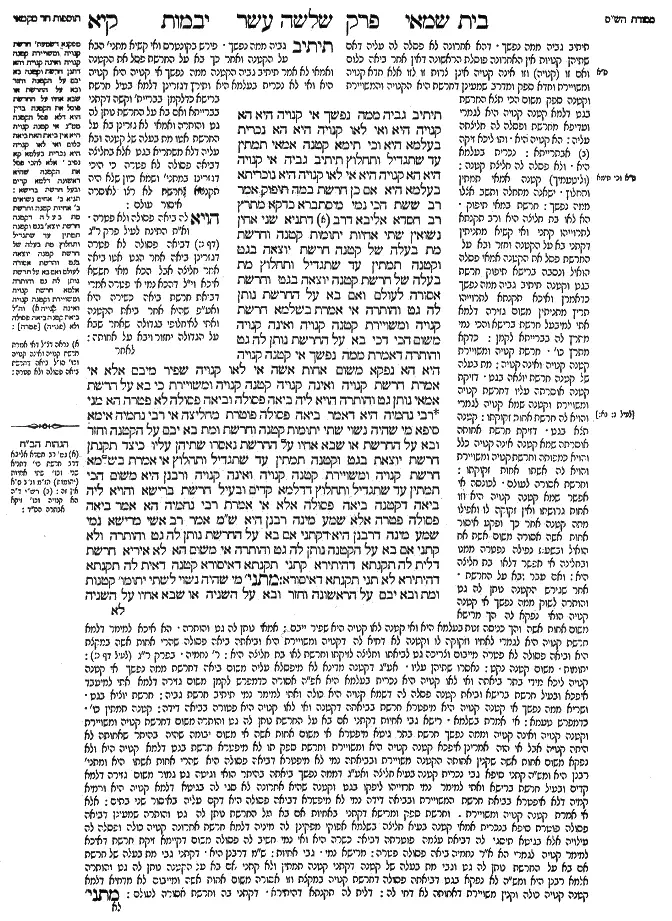
Yevamot 111a - Guemara
תיתיב גביה ממה נפשך אי קנויה היא הא קנויה היא ואי לאו קנויה היא הא נכרית בעלמא היא וכי תימא קטנה אמאי תמתין עד שתגדיל ותחלוץ תיתיב גביה אי קנויה היא הא קנויה היא אי לאו קנויה היא נוכריתא בעלמא היא אם כן חרשת במה תיפוק אמר רב ששת הכי נמי מיסתברא כדקא מתרץ רב חסדא אליבא דרב דתניא שני אחין נשואין שתי אחיות יתומות קטנה וחרשת מת בעלה של קטנה חרשת יוצאה בגט וקטנה תמתין עד שתגדיל ותחלוץ מת בעלה של חרשת קטנה יוצאה בגט וחרשת אסורה לעולם ואם בא על החרשת נותן לה גט והותרה אי אמרת בשלמא חרשת קנויה ומשויירת קטנה קנויה ואינה קנויה משום הכי דכי בא על החרשת נותן לה גט והותרה דאמרת ממה נפשך אי קטנה קנויה היא הא נפקא משום אחות אשה אי לאו קנויה שפיר מיבם אלא אי אמרת חרשת קנויה ואינה קנויה קטנה קנויה ומשויירת כי בא על חרשת אמאי נותן גט והותרה הויא ליה ביאה פסולה וביאה פסולה לא פטרה הא מני רבי נחמיה היא דאמר ביאה פסולה פוטרת מחליצה אי רבי נחמיה אימא סיפא מי שהיה נשוי שתי יתומות קטנה וחרשת ומת בא יבם על הקטנה וחזר ובא על החרשת או שבא אחיו על החרשת נאסרו שתיהן עליו כיצד תקנתן חרשת יוצאת בגט וקטנה תמתין עד שתגדיל ותחלוץ אי אמרת בשלמא חרשת קנויה ומשויירת קטנה קנויה ואינה קנויה ורבנן היא משום הכי תמתין עד שתגדיל ותחלוץ דדלמא קדים ובעיל חרשת ברישא והויא ליה ביאה דקטנה ביאה פסולה אלא אי אמרת רבי נחמיה הא אמר ביאה פסולה פטרה אלא שמע מינה רבנן היא ש"מ אמר רב אשי מרישא נמי שמע מינה דרבנן היא דקתני אם בא על החרשת נותן לה גט והותרה ולא קתני אם בא על הקטנה נותן לה גט והותרה אי משום הא לא איריא חרשת דלית לה תקנתא דהיתירא קתני תקנתא דאיסורא קטנה דאית לה תקנתא דהיתירא לא תני תקנתא דאיסורא:
מתני׳ מי שהיה נשוי לשתי יתומו' קטנות ומת ובא יבם על הראשונה וחזר ובא על השניה או שבא אחיו על השניה
Comments from Rashi on Masechet Yevamot Page 111a
הא קנויה היא . ותו ליכא זיקה אבתרייתא: נכרית בעלמא היא . ולא פסלה לה חליצת קטנה: (וליטעמיך) קטנה אמאי תמתין ותחלוץ . ישאנה מתחלה ותשב אצלו ממה נפשך: חרשת במאי תיפוק . הא לאו בת חליצה היא ורב תקנתא לתרוייהו קתני. ואי קשיא מתניתין דקתני בא על הקטנה וחזר ובא על החרשת פסל את הקטנה אמאי פסלה הואיל ונסבה ברישא תיפוק חרשת בגט וקטנה תיתיב גביה ממה נפשך כדאמרן ואיכא תקנתא לתרוייהו תריץ מתניתין משום גזירה דלמא אתי למיבעל חרשת ברישא והכי נמי מתרץ לה בברייתא לקמן: כדקא מתרץ כו' . חרשת קנויה ומשויירת קטנה קנויה ואינה קנויה: מת בעלה של קטנה חרשת יוצאה בגט . דזיקת קטנה אוסרתה עליו דחרשת קנויה ומשויירת וקטנה שמא קנויה לגמרי והויא לה חרשת אחות זקוקתו: קטנה תצא בגט . דזיקת חרשת אחותה אוסרתה שמא קטנה אינה קנויה כלל והויא כמפותה וחרשת קנויה ומשויירת והויא לה אשתו אחות זקוקתו: וחרשת אסורה לעולם . לכונסה אי אפשר שמא קטנה קנויה היא וזו אחות גרושתו ואין זקוקה לו ואפילו מתה קטנה אחר כך ופקע איסור אחות אשה אסורה משום אשת אח הואיל ובשעת נפילה נפטרה ממנו ובחליצה אי אפשר דלאו בת חליצה היא: ואם עבר ובא על החרשת . אחר שגירש הקטנה נותן לה גט והותרה לשוק ממה נפשך אי קטנה קנויה הואי נפקא לה הך מרישא משום אחות אשה והך כניסה זנות בעלמא היא ואי קטנה לאו קנויה היא שפיר ייבם: אמאי נותן לה גט והותרה . הא איכא למימר דלמא חרשת קנויה היא לגמרי לאחיו וזקוקה לו וקטנה לא דחיא לה דקנויה ומשויירת היא וביאתה ביאה פסולה שהרי אחות אשה במקצת היא וביאה פסולה לא פטרה מייבום וצריכה גט לביאתו וחליצה לזיקתו וחרשת לאו בת חליצה היא: ר' נחמיה . בפרק ר"ג (לעיל יבמות דף נ:): יתומות . משום קטנה נקט: נאסרו שתיהן עליו . אע"ג דקטנה מדינא לא מיפסלא עליה משום ביאה דחרשת ממה נפשך אי קטנה קנויה ליכא מידי בתר ביאתה ואי לאו קנויה היא נכרית בעלמא היא אפ"ה אסורה כדמפרש לקמן משום גזירה דלמא אתי למיעבד איפכא ובעיל חרשת ברישא וביאת קטנה פסלה לה דשמא קנויה היא כולה ואתי למימר נמי תיתיב חרשת גביה: חרשת יוציא בגט . ושריא ממה נפשך אי קטנה קנויה היא מיפטרא חרשת בביאתה דקטנה ואי לאו קנויה היא פטורה בביאה דידה: קטנה תמתין כו' . כדמפרש טעמא: אי אמרת בשלמא . רישא גבי אחיות דקתני אם בא על החרשת נותן לה גט והותרה משום דחרשת קנויה ומשויירת וקטנה קנויה ואינה קנויה וממה נפשך חרשת בתר גיטא מיפטרא אי משום אחות אשה אי משום יבומה שהיה בהיתר שאחותה לא היתה קנויה אבל אי הוה אמרינן איפכא קטנה קנויה היא ומשויירת וחרשת ספק תו לא מיפטרא חרשת בגט דלמא קנויה היא ולא נפקא משום אחות אשה שקנין אחותה הקטנה משויירת ובביאתה נמי לא מיפטרא דביאה פסולה היא שהרי אחות אשתו היא ומתני' רבנן היא. ומש"ה קתני סיפא גבי נכרית קטנה בעיא חליצה ואע"ג דממה נפשך ביאתה בהיתר הואי וגיטה גט גמור משום גזירה דלמא קדים ובעיל חרשת ברישא ואתי למימר נמי תרוייהו ליפקו בגט וקטנה שהיא אחרונה לא סגי לה בגיטא דלמא קנויה היא ורמיא קמיה דלא איפטרא בביאת חרשת המשויירת ובביאה דידה נמי לא מיפטרא דביאה פסולה היא דקם עליה באיסור שני בתים: אלא אי אמרת קטנה קנויה ומשויירת . וחרשת ספק ומרישא דקתני באחיות אם בא על החרשת נותן לה גט והותרה שמעינן דביאה פסולה פוטרת סיפא בנכרית אמאי קטנה בעיא חליצה בשלמא אפוקי מפקינן לה מיניה דלמא חרשת אחרונה קנויה כולה ופסלה לה עילויה אלא בגיטא תיסגי לה דביאת עצמה פוטרתה דביאה כשרה היא ואי נמי חשיב לה פסולה משום דקיימא זיקת חרשת דאיכא למימר קנויה לגמרי הא א"ר נחמיה ביאה פסולה פטרה: מרישא נמי . גבי אחיות: ש"מ דרבנן היא . דקתני גבי מת בעלה של חרשת אם בא על החרשת נותן לה גט וגבי מת בעלה של קטנה דקתני קטנה תמתין ולא קתני אם בא על הקטנה נותן לה גט והותרה אלמא רבנן היא ומש"ה לא נפקא בגט דביאתה פסולה דחרשת קנויה במקצת וזו אסורה משום אחות אשה ומייבום לא מדחיא דלמא קטנה קנויה כולה וקנין משויירת דאחותה לא דחי לה: דלית לה תקנתא דהיתירא . דקתני בה וחרשת אסורה לעולם:
Comments from Tosafot - Yevamot 111a
תיתיב גביה ממה נפשך . פירש בקונטרס ואי קשיא מתני' הבא על הקטנה ואחר כך בא על החרשת פסל את הקטנה ואמאי לא אמר תיתיב גביה הקטנה ממה נפשך אי קנויה היא קנויה היא ואי לא נכרית בעלמא היא ותירץ דגזרינן דלמא בעיל חרשת ברישא כדלקמן בבריית' וקשה דקתני בברייתא ואם בא על החרשת נותן לה גט והותרה ואמאי לא גזרינן בא על החרשת אטו מת בעלה של קטנה ובא עליה דלא משתריא בגט אלא בחליצה דביאה פסולה לא פטרה כי היכי דגזרינן במתני' ושמא כיון שלא היה תקנתא לחרשת לא רצו לאוסרה איסור עולם: הויא לה ביאה פסולה ולא פטרה . וא"ת התינח לעיל פרק ר"ג (יבמות דף נ:) דביאה פסולה לא פטרה דגזרינן ביאה אחר הגט אטו ביאה אחר חליצה אבל הכא מאי חששא איכא וי"ל דהכא נמי אי פטרה אמרי דביאת חרשת ביאה כשירה היא ואע"פ שהיא אחר ביאת הקטנה ואתי לאיחלופי בגדולה שאחר שבא על הגדולה יחזור ויבא על אחותה:
Yevamot 111a - Mishnah translated into english
Let her stay with him, as she is permitted whichever way you look at it: If she is acquired, then she is fully acquired; and if she is not acquired at all, then she is merely an unrelated woman. If the marriage to the deceased brother was not a true marriage, there is no reason for her to be forbidden to him.
And if you would say that the same question could be asked if you claim that it is the minor whose acquisition is uncertain: Why should she wait until she reaches majority and performs ḥalitza? Let her stay with him: If she is acquired, then she is fully acquired; and if she is not acquired at all, then she is merely an unrelated woman. However, you cannot say that because, if that is so, how shall the deaf-mute be released? As a deaf-mute, she cannot perform ḥalitza, and he cannot consummate the levirate marriage with her since the minor may be considered to be acquired by him, in which case the deaf-mute would be disqualified as the rival wife of his yevama. Rav’s suggestion was meant to find a way for both of them to be able to remarry, and that is only possible if the minor and deaf-mute’s statuses are as Rav Ḥisda argues.
Rav Sheshet said: Indeed, this too stands to reason, i.e., only the way that Rav Ḥisda explained the halakha in accordance with the opinion of Rav is reasonable.
As it is taught in a baraita about the following case: Two brothers married two orphaned sisters, one of them a minor and one of them a deaf-mute. If the husband of the minor dies and she happens before the husband of the deaf-mute for levirate marriage, the deaf-mute must be released by means of a bill of divorce due to her sister’s levirate bond, and the minor must wait until she reaches majority and perform ḥalitza.
If the deaf-mute’s husband dies, the minor must be released by means of a bill of divorce and the deaf-mute is forbidden forever. He must divorce the minor because of the levirate bond with her sister. He may not consummate the levirate marriage with the deaf-mute because she is his ex-wife’s sister; and he cannot perform ḥalitza with her, because she is not capable of performing ḥalitza. And if he transgresses and consummates the levirate marriage with the deaf-mute, he gives her a bill of divorce afterward, and she is thereby released.
Granted, this argument works if you say that the deaf-mute is partially acquired, and the minor is either acquired or not acquired; it is due to that reason that if he transgresses and consummates the levirate marriage with the deaf-mute, he gives her a bill of divorce and she is released. You would say she is released whichever way you look at it: If the minor is fully acquired by her husband, then the deaf-mute is released due to her status as the sister of his wife, who is a forbidden relative and as such is entirely exempt from levirate marriage. And if the minor is not acquired at all, then he may rightly consummate the levirate marriage and afterward divorce her.
But if you say that the deaf-mute is either acquired or not acquired, i.e., the status of a marriage with a deaf-mute is uncertain, while the minor is partially acquired, then when he transgresses and has intercourse with the deaf-mute, why should he give her a bill of divorce and she thereby be released? It is an invalid sexual act, as the minor is partially acquired, which disqualifies her sister from levirate marriage. And an invalid sexual act does not exempt her, i.e., does not constitute full consummation of the levirate marriage, making it possible for him to divorce her. She still requires ḥalitza, and a deaf-mute cannot perform ḥalitza. Therefore it must be, as Rav Ḥisda suggested, that the deaf-mute is partially acquired while it is uncertain whether the minor is acquired or not.
The Gemara rejects the conclusion that the baraita provides evidence for Rav Ḥisda’s explanation, as it is possible to say: In accordance with whose opinion is this baraita? It is in accordance with the opinion of Rabbi Neḥemya, who said: An invalid sexual act also exempts a woman from ḥalitza.
The Gemara asks: If one accepts the suggestion that this baraita is in accordance with the opinion of Rabbi Neḥemya, say the latter clause of this same baraita: Consider the case of one who was married to two orphans, a minor and a deaf-mute, and he died. If the yavam had intercourse with the minor and then had intercourse with the deaf-mute, or if one of his brothers had intercourse with the deaf-mute after the first brother engaged in intercourse with the minor, they are both forbidden to the first brother. How can their situation be rectified? The deaf-mute must be released with a bill of divorce, and the minor must wait until she reaches majority and then perform ḥalitza.
Granted, this halakha makes sense if you say that a deaf-mute is partially acquired, meaning that she was never fully acquired in the first place; that a minor is either acquired or not acquired; and that the baraita is in accordance with the opinion of the Rabbis who state that an invalid sexual act does not exempt a woman from ḥalitza. For these reasons, the minor must wait until she reaches majority and then perform ḥalitza. The Sages decreed that she must perform ḥalitza no matter what, as perhaps he may precipitately have intercourse with the deaf-mute first, so that the subsequent intercourse with the minor is considered an invalid sexual act, because he is already partially married to her rival wife. However, since the deaf-mute is only partially acquired, her levirate marriage does not exempt the minor and the minor still must perform ḥalitza.
But if you say it is in accordance with the opinion of Rabbi Neḥemya, and also that the status of a deaf-mute’s marriage is uncertain while the status of the minor is that she is partially acquired, there is no explanation why the minor must perform ḥalitza when she reaches majority, as he said that an invalid sexual act exempts her.
Rather, conclude from this reasoning that this baraita is in accordance with the opinion of the Rabbis. The Gemara concludes: Learn from it.
Rav Ashi said: One may learn also from the first clause of the baraita that it is in accordance with the opinion of the Rabbis, as it teaches: If he transgresses and consummates the levirate marriage with the sister, who is a deaf-mute, he gives her a bill of divorce afterward, and she is thereby released. And it does not teach: If he consummates the levirate marriage with the minor, he gives her a bill of divorce and she is released. This is presumably because consummation of levirate marriage with the minor is an invalid sexual act, as her deaf-mute sister is partially married to the yavam. Even if he does engage in intercourse with her, she will still require ḥalitza.
The Gemara rejects this argument: If it is due to that reason, there is no conclusive argument, as one may say that for the deaf-mute, whose situation has no rectification that is permitted because she cannot perform ḥalitza, the baraita teaches a prohibited rectification; but for the minor, whose situation has a permitted rectification, in that she can perform ḥalitza after she reaches majority, the baraita does not teach a prohibited rectification.
MISHNA: If a man was married to two minor orphans and he died, and a yavam engaged in intercourse with the first of them to consummate the levirate marriage, and then engaged in intercourse with the second, or if his brother who is also their yavam engaged in intercourse with the second,
Traduction : The William Davidson digital edition of the Koren Noé Talmud, with commentary by Rabbi Adin Even-Israel Steinsaltz.