 Talmud Bavli
The learning on the whole site is dedicated : L'ilui Nishmat אסתר בת חיים
The learning on the whole site is dedicated : L'ilui Nishmat אליעזר בן רחל
The learning on the whole site is dedicated : L'ilui Nishmat Jamila bat Chlomo Abensour
Yevamot 7a : Youtube
Daf TubeYoutube
2 video classes :
Yevamot Page 7a
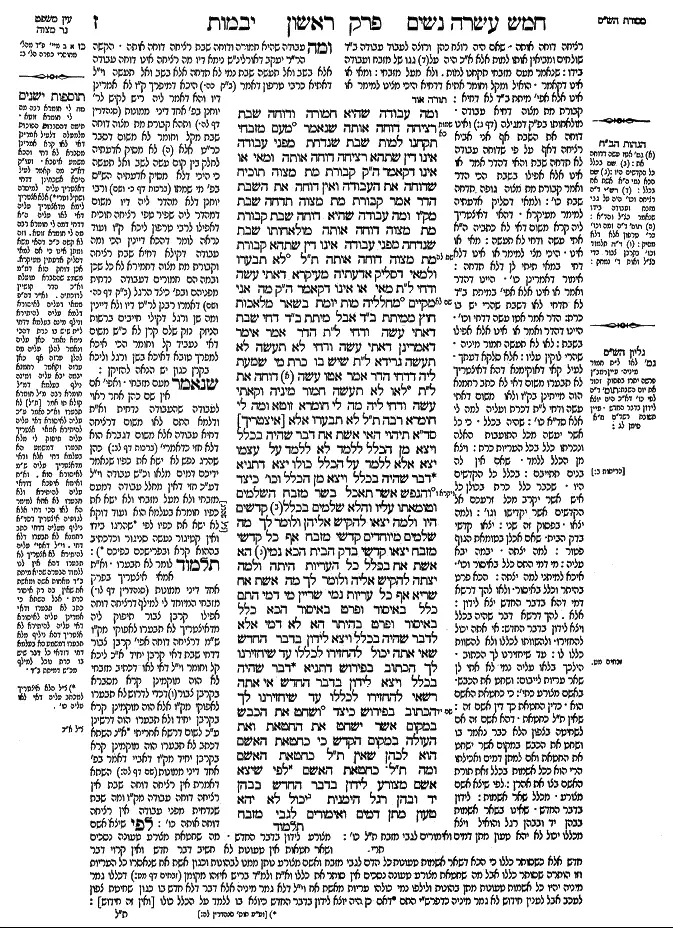
Yevamot 7a - Guemara
ומה עבודה שהיא חמורה ודוחה שבת רציחה דוחה אותה שנאמר (שמות כא, יד) מעם מזבחי תקחנו למות שבת שנדחת מפני עבודה אינו דין שתהא רציחה דוחה אותה ומאי או אינו דקאמר ה"ק קבורת מת מצוה תוכיח שדוחה את העבודה ואין דוחה את השבת הדר אמר קבורת מת מצוה תדחה שבת מק"ו ומה עבודה שהיא דוחה שבת קבורת מת מצוה דוחה אותה מולאחותו שבת שנדחה מפני עבודה אינו דין שתהא קבורת מת מצוה דוחה אותה ת"ל (שמות לה, ג) לא תבערו ולמאי דסליק אדעתיה מעיקרא דאתי עשה ודחי ל"ת מאי או אינו דקאמר ה"ק מה אני מקיים (שמות לא, יד) מחלליה מות יומת בשאר מלאכות חוץ ממיתת ב"ד אבל מיתת ב"ד דחי שבת דאתי עשה ודחי ל"ת הדר אמר אימר דאמרינן דאתי עשה ודחי לא תעשה לא תעשה גרידא ל"ת שיש בו כרת מי שמעת ליה דדחי הדר אמר אטו עשה דוחה את ל"ת לאו לא תעשה חמור מיניה וקאתי עשה ודחי ליה מה לי חומרא זוטא ומה לי חומרא רבה ת"ל לא תבערו אלא [איצטריך] סד"א תיהוי האי אשת אח דבר שהיה בכלל ויצא מן הכלל ללמד לא ללמד על עצמו יצא אלא ללמד על הכלל כולו יצא דתניא דבר שהיה בכלל ויצא מן הכלל וכו' כיצד (ויקרא ז, כ) והנפש אשר תאכל בשר מזבח השלמים וטומאתו עליו והלא שלמים בכלל קדשים היו ולמה יצאו להקיש אליהן ולומר לך מה שלמים מיוחדים קדשי מזבח אף כל קדשי מזבח יצאו קדשי בדק הבית הכא נמי הא אשת אח בכלל כל העריות היתה ולמה יצתה להקיש אליה ולומר לך מה אשת אח שריא אף כל עריות נמי שריין מי דמי התם כלל באיסור ופרט באיסור הכא כלל באיסור ופרט בהיתר הא לא דמי אלא לדבר שהיה בכלל ויצא לידון בדבר החדש שאי אתה יכול להחזירו לכללו עד שיחזירנו לך הכתוב בפירוש דתניא דבר שהיה בכלל ויצא לידון בדבר החדש אי אתה רשאי להחזירו לכללו עד שיחזירנו לך הכתוב בפירוש כיצד (ויקרא יד, יג) ושחט את הכבש במקום אשר ישחט את החטאת ואת העולה במקום הקדש כי כחטאת האשם הוא לכהן שאין ת"ל כחטאת האשם ומה ת"ל כחטאת האשם לפי שיצא אשם מצורע לידון בדבר החדש בבהן יד ובהן רגל הימנית יכול לא יהא טעון מתן דמים ואימורים לגבי מזבח
Comments from Rashi on Masechet Yevamot Page 7a
רציחה דוחה אותה . שאם היה רוצח כהן ורוצה לעבוד עבודה ב"ד שולחים ומביאין אותו למות אלא א"כ היה על גגו של מזבח ועבודה בידו: שנאמר מעם מזבחי תקחנו למות . ולא מעל מזבחי: ומאי או אינו דקאמר . הואיל ומקל וחומר אתיא דדחיא היכי מצינו למימר או אינו אלא אפי' מיתת ב"ד לא דחיא: קבורת מת מצוה . דחיא עבודה מולאחותו בפ"ק דמגילה (דף ג:) ואינו דוחה את השבת אף אני אביא רציחה דאף על פי שדוחה עבודה לא תדחה שבת. והאי דהדר אמר או אינו אלא אפילו בשבת הכי הדר ואמר קבורת מת מצוה גופה תדחה שבת כו': ולמאי דסליק אדעתיה למימר מעיקרא . דהאי דאיצטריך ליה קרא משום דאי לא כתביה ה"א אתי עשה ודחי לא תעשה: מאי או אינו . היכי מצי למימר או אינו דלא דחי במאי תיתי לן דלא תדחה: אימור דאמרינן כו' . היינו דהדר ואמר או אינו אלא אפי' במיתת ב"ד לא תדחי לאו דשבת שהרי יש בו כרת: הדר אמר אטו עשה דדחי וכו' . היינו דהדר ואמר או אינו אלא אפילו בשבת: לאו לא תעשה חמור מיניה . שהרי לוקין עליו: אלא סלקא דעתך . לעיל קאי דאוקימנא דהא דאיצטריך לא תבערו משום דאי לא כתב רחמנא הוה מייתינן בק"ו ולאו משום דאתי עשה ודחי ל"ת דכרת ועליה למה לי אלא סד"א כו': שהיה בכלל . כי כל אשר יעשה מכל התועבות האלה ונכרתו כלל בכל העריות כרת: ויצא מן הכלל ללמד . שאם אין לה בנים תתייבם: בכלל כל הקדשים היו . שכבר כלל כרת בכולן כל איש אשר יקרב מכל זרעכם אל הקדשים אשר יקדישו וגו': ולמה יצאו . בפסוק זה שני: יצאו קדשי בדק הבית . שאם אכלן בטומאת הגוף פטור: למה יצתה . יבמה יבא עליה: מי דמי התם כלל באיסור וכו' . איכא למיתני למה יצתה: הכא פרט בהיתר וכלל באיסור . ולאו להך דרשא דמי דהא בדבר החדש יצא לידון: אלא . להך דרשא דבר שהיה בכלל ויצא לידון בדבר החדש: אי אתה יכול להחזירו . ולהשוותו לכללו ולא להשוות כללו לו: עד שיחזירנו לך הכתוב . הילכך בלאו עליה נמי לא אתי לן שאר עריות לייבום: ושחט את הכבש . באשם מצורע כתי': כי כחטאת האשם הוא . כדין החטאת כך דין אשם זה: שאין ת"ל כחטאת . דהא אשם זה אם לשחיטה בצפון הלא כבר נאמר בו ושחט את הכבש במקום אשר ישחט את החטאת ואם למתן דמים ואכילתו הרי הוא ככל אשמות בכלל זאת תורת האשם בצו את אהרן: לפי שיצא אשם מצורע . מכלל שאר אשמות: לידון בדבר החדש . שאינו בשאר אשמות בבהן יד ובבהן רגל והואיל ויצא מכללו יכול לא יהא טעון מתן דמים ואימורים לגבי מזבח ת"ל כו':
Comments from Tosafot - Yevamot 7a
ומה עבודה שהיא חמורה ודוחה שבת רציחה דוחה אותה . הקשה הר"ר יעקב דאורלינ"ש נימא דיו מה רציחה אינו דוחה עבודה אלא בשב ואל תעשה שבת נמי לא תדחה אלא בשב ואל תעשה וי"ל דאתיא כרבי טרפון דאמר (ב"ק כה.) היכא דמיפרך ק"ו לא אמרינן דיו והא דאמר ליה ריש לקיש לר' יוחנן בפ' אחד דיני ממונות (סנהדרין דף לה.) ותהא קבורת מת מצוה דוחה שבת מקל וחומר לא משום דסבר כר"ט אלא לא מסיק אדעתיה לחלק בין קום עשה לשב ואל תעשה כי היכי דלא מסיק אדעתיה הש"ס בפ' מי שמתו (ברכות דף כ. ושם) ורבי יוחנן דלא מהדר ליה דיו משום דמהדר ליה שפיר טפי רציחה תוכיח דאפילו לרבי טרפון ליכא ק"ו ועוד נראה לומר דהכא דיינין הכי ומה עבודה דקילא דחיא שבת רציחה וקבורת מת מצוה דחמירא לא כל שכן ובמה הם חמורים דעבודה נדחית מפניהם ובפ' כיצד הרגל (ב"ק דף כה. ושם) דאמרו רבנן לר"ט דיו ולא דיינין ומה שן ורגל דקילי חייבים ברשות הניזק נזק שלם קרן לא כ"ש משום דאי נעביד קל וחומר הכי איכא למפרך טובא דאיכא בשן ורגל וליכא בקרן כגון יש הנאה להזיקן: שנאמר מעם מזבחי . ואפי' אם אין שם כהן אחר ראוי לעבודה שהעבודה נדחית וא"ת ודלמא התם לאו משום דרציחה דחיא עבודה אלא משום דגברא הוא דלא חזי כדאמרי' (ברכות דף לב:) כהן שהרג נפש לא ישא את כפיו שנאמר ידיכם דמים מלאו וכ"ש עבודה וי"ל דע"כ חזי דאין מחלל עבודה דמעם מזבחי ולא מעל מזבחי ולא ישא את כפיו חומרא בעלמא הוא ועוד דוקא לא ישא את כפיו לפי שהרגו בידו ואין קטיגור נעשה סניגור וכדכתיב בההוא קרא ובפרישכם כפיכם: תלמוד לומר לא תבערו . וא"ת אמאי איצטריך בפרק אחד דיני ממונות (סנהדרין דף לו.) מזבחי המיוחד לי למילף דרציחה דוחה אפילו קרבן צבור תיפוק ליה מדאיצטריך לא תבערו לאפוקי מק"ו ש"מ דרציחה דוחה אפי' קרבן צבור דדחי שבת דאי קרבן יחיד א"כ ליכא קל וחומר וי"ל דאי לאו דכתיב מזבחי לא הוה מוקמינן קרא מסברא בקרבן צבור דכדי לדרוש לא תבערו לאפוקי מק"ו אלא הוה מוקמינן קרא בקרבן יחיד ולא תבערו הוה דרשינן ע"כ לשום דרשא אחריתי א"נ השתא דכתב לא תבערו הוה מוקמינן קרא בקרבן יחיד מק"ו דאביי דאמר בפ' אחד דיני ממונות (שם דף לה:) השתא דאמרת אין רציחה דוחה שבת אין רציחה דוחה עבודה מק"ו ומה שבת שנדחית מפני עבודה אין רציחה דוחה אותה כו': לפי שיצא אשם מצורע לידון בדבר החדש . מה שחטאת מצורע טעונה נסכים ושאר חטאות אין טעונות לא חשיב דבר חדש ואין קרוי דבר חדש אלא כשסותר כללו כי הכא דשאר אשמות טעונות כל הדם לגבי מזבח ואשם מצורע נותן ממנו לבהונות וכגון אשת אח שנאסרו כל העריות וזו הותרה שסותר כללו אבל מה שחטאת מצורע טעונה נסכים אין סותר את כללו וא"ת ולמ"ד בריש איזהו מקומן (זבחים דף מט:) דכללו גמר מיניה יהיו כל אשמות טעונות מתן בהונות ולילפו נמי כולהו עריות מאשת אח וי"ל דלא גמר מיניה אלא דבר דלא חדש בו כגון שחיטת צפון לעכב אבל לענין חידוש לא גמר מיניה כדפרש"י התם דאם כן היה יוצא לידון בדבר החדש כיוצא בו ללמד על הכלל כולו [ואין זה חידוש]:
Yevamot 7a - Mishnah translated into english
If the Temple service, which includes the sacrifice of offerings, is so severe that it overrides Shabbat, as offerings were brought on Shabbat, and yet the halakha of murder overrides it, i.e., the obligation to execute a sentenced convict overrides the Temple service, as it is stated with regard to one sentenced to death: “You shall take him from My altar, that he may die” (Exodus 21:14), then in the case of Shabbat, which is overridden by the Temple service, is it not right that the halakhot of murder should likewise override it?
§ The Gemara analyzes a puzzling statement in the above baraita. And what is the meaning of the claim: Or perhaps it is only the case that capital punishments may be administered even on Shabbat, which the tanna stated in an unexplained reversion to his previous suggestion? The Gemara explains that this is what he is saying: The a fortiori reasoning can be refuted, as the obligation to bury a corpse with no one available to bury it [met mitzva] can prove otherwise, as the obligation to bury a met mitzva overrides the Temple service, and yet it does not override Shabbat. The tanna then retracted his statement and said that one can claim that the burial of a met mitzva overrides Shabbat by means of the same a fortiori inference: If the Temple service overrides Shabbat, and the burial of a met mitzva overrides it.
The Gemara pauses in the middle of the a fortiori inference to explain this last point. This is derived from the superfluous phrase “or for his sister” in the verse “He shall not make himself ritually impure for his father, or for his mother, for his brother, or for his sister, when they die” (Numbers 6:7), which is referring to a nazirite. This verse teaches that even a nazirite on his way to sacrifice the Paschal lamb must render himself ritually impure to bury a met mitzva. The Gemara resumes the a fortiori inference: If so, as Shabbat is overridden by the Temple service, is it not right that the burial of a met mitzva should override it? Therefore, the verse states: “You shall kindle no fire throughout your habitations on Shabbat day” (Exodus 35:3).
This concludes Rav Shimi bar Ashi’s interpretation of the baraita, that the tanna suggested that a court-administered death penalty might override Shabbat not because of the principle that a positive mitzva overrides a prohibition, but due to a potential a fortiori inference. The Gemara asks: And according to that which entered his mind at the outset, that the assumption of the tanna was indeed based on the principle that a positive mitzva comes and overrides a prohibition, what is the meaning of the clause: Or perhaps it is only the case that capital punishments may be administered even on Shabbat, that the tanna said? How should the baraita be explained according to the initial interpretation?
The Gemara explains that this is what the tanna is saying: It would have been possible to say the following: How do I establish the verse “Every one who profanes it shall surely be put to death” (Exodus 31:14)? This applies to other prohibited labors, except for court-imposed capital punishment. However, court-imposed capital punishment overrides Shabbat, as a positive mitzva comes and overrides a prohibition.
The tanna then retracted his statement and said: You can say that we stated the principle that a positive mitzva comes and overrides a prohibition, yet this is true for a regular prohibition alone. However, did you hear that it overrides a prohibition that includes karet? The tanna then said, hinting at a counter-claim: Is that not to say, with regard to the principle that a positive mitzva overrides a prohibition, that the prohibition is more stringent than the positive mitzva? After all, the court punishes one who violates a prohibition with lashes, which is not the case for a failure to uphold a positive mitzva. And yet by Torah law the positive mitzva comes and overrides it.
If so, what difference is it to me if it is a case of a minor stringency and what difference is it to me if it is a major stringency? Once the Torah has stated that a positive mitzva supersedes a prohibition, there should be no difference between a relatively stringent prohibition and a lenient one. Therefore, the verse states: “You shall not kindle.” In sum, the Gemara has not found a clear proof for the opinion that a positive mitzva supersedes a prohibition that incurs karet.
Consequently, the Gemara suggests a different interpretation. The superfluous phrase “with her” indeed teaches that the obligation of levirate marriage does not override the prohibition with regard to women with whom relations are forbidden. However, this derivation is required not because one might have thought that a positive mitzva supersedes a prohibition that incurs karet. Rather, this phrase is necessary because it could enter your mind to say: Let this case of a brother’s wife, to whom the mitzva of levirate marriage applies, be treated in accordance with a well-established hermeneutical principle: A matter that was included in a generalization, but emerged to teach, emerged to teach not just about itself but to teach about the entire generalization.
The Gemara explains the application of this principle to the current case. Since the prohibition proscribing a brother’s wife is included in the general prohibition with regard to women with whom relations are forbidden, it can be claimed that the halakha of levirate marriage renders not only a brother’s childless wife permitted, but in this case it renders permitted all women with whom relations are usually forbidden. As it is taught in a baraita that clarifies this hermeneutical principle: A matter that was included in a generalization, but emerged to teach, emerged to teach not just about itself but to teach about the entire generalization. How so?
The baraita provides an example of this principle by citing a verse: “But the soul that eats of the flesh of the sacrifice of peace-offerings that belong to the Lord, with his ritual impurity upon him, that soul shall be cut off from his people” (Leviticus 7:20). But aren’t peace-offerings included in the general category of all consecrated offerings? And why were they explicitly singled out from of the rest in the above verse? To draw an analogy between them and to say to you: Just as peace-offerings are unique in that they are consecrated for the altar, so too, this halakha that one who eats of them is liable to receive karet applies to all food that is consecrated for the altar, which excludes objects that are consecrated for the Temple maintenance.
The above baraita provided an example of the principle that an item singled out from a general category teaches a halakha with regard to the entire category. Here too, one can argue: This case of a brother’s wife was included in the general category of all women with whom relations are forbidden, and why was she singled out? To compare to her and say to you: Just as a childless brother’s wife is permitted, so too, all women with whom relations are forbidden are likewise permitted.
The Gemara raises an objection: Is it comparable? There, in the case cited as an example of this hermeneutical principle, the generalization, i.e., all offerings, are included in the prohibition against eating offerings while ritually impure, and the detailed case of peace-offerings is also included in the prohibition. Consequently, it can be said that the specific case was singled out to teach about the entire category. By contrast, here, in the case of levirate marriage with forbidden relatives, the generalization is included in the prohibition against engaging in forbidden relations, and yet the detailed case is permitted. Therefore, it cannot be said that the detail has been singled out so as to clarify some aspect of the general category; rather, its halakha differs from the rest.
Instead, this case is comparable only to those that fit a different hermeneutical principle, concerning a matter that was included in a generalization but emerged to discuss a new matter. If a novel aspect or special ruling is taught with regard to a specific case within a broader general category, then you cannot return it to its generalization even for other matters, to the extent that this case has been entirely removed from the general category until the Torah explicitly returns it to its generalization. As it is taught in a baraita: With regard to a matter that was included in a generalization but emerged to discuss a new matter, you may not return it to its generalization until the Torah explicitly returns it to its generalization.
How so? The baraita provides an example of this principle. With regard to the guilt-offering of a leper, the verse states: “And he shall slaughter the sheep in the place where they slaughter the sin-offering and the burnt-offering, in the place of the Sanctuary; for as the sin-offering is the priest’s, so is the guilt-offering” (Leviticus 14:13). As there is no need for the verse to state: “As the sin-offering…so is the guilt-offering,” since apparently this comparison does not teach anything new because the halakhot of guilt-offerings are already stated elsewhere (Leviticus 7:1–10), then what is the meaning when the verse states: “As the sin-offering…so is the guilt-offering”?
Since the guilt-offering of a leper was specified from the general category of all guilt-offerings to discuss a new matter, i.e., that the blood is placed on the thumb of the right hand and the big toe of the right foot of the leper, one might have thought that this guilt-offering does not require placement of the blood and sacrificial parts on the altar, as for this guilt-offering the placement of blood on the leper is sufficient.
Traduction : The William Davidson digital edition of the Koren Noé Talmud, with commentary by Rabbi Adin Even-Israel Steinsaltz.