 Talmud Bavli
Yevamot 72a : Youtube
Daf TubeYoutube
2 video classes :
Yevamot Page 72a
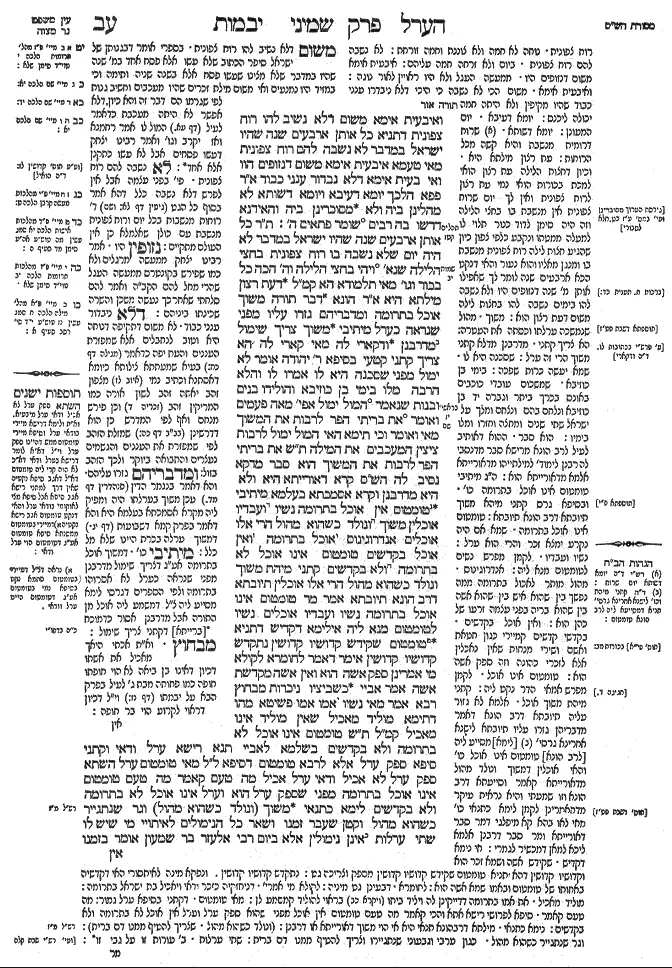
Yevamot 72a - Guemara
ואיבעית אימא משום דלא נשיב להו רוח צפונית דתניא כל אותן ארבעים שנה שהיו ישראל במדבר לא נשבה להם רוח צפונית מאי טעמא איבעית אימא משום דנזופים הוו ואי בעית אימא דלא נבדור ענני כבוד א"ר פפא הלכך יומא דעיבא ויומא דשותא לא מהלינן ביה ולא מסוכרינן ביה והאידנא דדשו בה רבים (תהלים קטז, ו) שומר פתאים ה':
ת"ר כל אותן ארבעים שנה שהיו ישראל במדבר לא היה יום שלא נשבה בו רוח צפונית בחצי הלילה שנא' (שמות יב, כט) ויהי בחצי הלילה וה' הכה כל בכור וגו' מאי תלמודא הא קמ"ל דעת רצון מילתא היא א"ר הונא דבר תורה משוך אוכל בתרומה ומדבריהם גזרו עליו מפני שנראה כערל מיתיבי משוך צריך שימול מדרבנן ודקארי לה מאי קארי לה הא צריך קתני קטעי בסיפא ר' יהודה אומר לא ימול מפני שסכנה היא לו אמרו לו והלא הרבה מלו בימי בן כוזיבא והולידו בנים ובנות שנאמר (בראשית יז, יג) המול ימול אפי' מאה פעמים ואומר (בראשית יז, יד) את בריתי הפר לרבות את המשוך מאי ואומר וכי תימא האי המול ימול לרבות ציצין המעכבים את המילה ת"ש את בריתי הפר לרבות את המשוך הוא סבר מדקא נסיב לה הש"ס קרא דאורייתא היא ולא היא מדרבנן וקרא אסמכתא בעלמא מיתיבי טומטום אין אוכל בתרומה נשיו ועבדיו אוכלין משוך ונולד כשהוא מהול הרי אלו אוכלים אנדרוגינוס אוכל בתרומה ואין אוכל בקדשים טומטום אינו אוכל לא בתרומה ולא בקדשים קתני מיהת משוך ונולד כשהוא מהול הרי אלו אוכלין תיובתא דרב הונא תיובתא אמר מר טומטום אינו אוכל בתרומה נשיו ועבדיו אוכלים נשיו לטומטום מנא ליה אילימא דקדיש דתניא טומטום שקידש קדושיו קדושין נתקדש קדושיו קדושין אימר דאמר לחומרא לקולא מי אמרינן ספק אשה הוא ואין אשה מקדשת אשה אמר אביי כשביציו ניכרות מבחוץ רבא אמר מאי נשיו אמו אמו פשיטא מהו דתימא מוליד מאכיל שאין מוליד אינו מאכיל קמ"ל ת"ש טומטום אינו אוכל לא בתרומה ולא בקדשים בשלמא לאביי תנא רישא ערל ודאי וקתני סיפא ספק ערל אלא לרבא טומטום דסיפא ל"ל מאי טומטום ערל השתא ספק ערל לא אכיל ודאי ערל אכיל מה טעם קאמר מה טעם טומטום אינו אוכל בתרומה מפני שספק ערל הוא וערל אינו אוכל לא בתרומה ולא בקדשים לימא כתנאי משוך (ונולד כשהוא מהול) וגר שנתגייר כשהוא מהול וקטן שעבר זמנו ושאר כל הנימולים לאיתויי מי שיש לו שתי ערלות אינן נימולין אלא ביום רבי אלעזר בר שמעון אומר בזמנו
Comments from Rashi on Masechet Yevamot Page 72a
רוח צפונית . נוחה לא חמה ולא צוננת וחמה זורחת: לא נשבה להם רוח צפונית . ביום ולא זרחה חמה עליהם: איבעית אימא משום דנזופים היו . ממעשה העגל ולא היו ראויין לאור נוגה: ואיבעית אימא . משום הכי לא נשבה כי היכי דלא ניבדרו ענני כבוד שהיו מקיפין ולא היתה חמה יכולה ליכנס: יומא דעיבא . יום המעונן: יומא דשותא . שרוח דרומית מנשבת והיא קשה מכל הרוחות: עת רצון מילתא היא . וכיון דחצות הלילה עת רצון הואי למכת בכורות הואי נמי עת רצון לרוח צפונית ואין לך יום שרוח צפונית אין מנשבת בו בחצי הלילה. וזה היה סימן לדוד כנור תלוי לו למעלה ממטתו ונקבע כלפי צפון כיון שהגיע חצות לילה רוח צפונית מנשבת בו ומנגן מאליו והוא נעור. והאי דנקט הכא ארבעים שנה לומר לך שאפילו אותן מ' שנה דנזופים היו ולא נשבה להו בימים נשבה להו בחצות לילה משום דעת רצון הוא: משוך . מהול שנמשכה ערלתו וכסתה את העטרה: הא צריך קתני . מדרבנן מדלא קתני משוך הרי זה ערל: שסכנה היא לו . שמא יעשה כרות שפכה: בימי בן כוזיבא . שמשכום עובדי כוכבים באונס בכרך ביתר וגברה יד בן כוזיבא ונלחם בהם ונצחם ומלך על ישראל שתי שנים ומחצה וחזרו ומלו בימיו: הוא סבר . ההוא דאותיב לעיל לרב הונא מרישא סבר מדנסבי לה רבנן לימוד' למילתייהו מדאורייתא אלמא מדאורייתא הוא: ה"ג מיתיבי טומטום אינו אוכל בתרומה כו' ובסיפא גרס קתני מיהא משוך תיובתא דרב הונא תיובתא: טומטום אינו אוכל בתרומה . שמא אם היה נקרע ימצא זכר והרי הוא ערל: נשיו ועבדיו . לקמן מפרש נשים לטומטום מנא ליה: אנדרוגינוס . מהול מותר לאכול בתרומה ממה נפשך בין שהוא איש בין שהוא אשה בין שהוא בריה בפני עצמה זרעו של כהן הוא: ואין אוכל בקדשים . בקדשי קדשים קמיירי כגון חטאת ואשם ושירי מנחות שאין נאכלין אלא לזכרי כהונה וזה ספק אשה הוא: טומטום אינו אוכל . לקמן מפרש אמאי הדר נקט ליה: קתני מיהת משוך אוכל . אלמא לא גזור עליה תיובתא דרב הונא דאמר מדבריהן גזרו עליו תיובתא. לישנא אחרינא גרסי' [לימא] מסייע ליה [לרב הונא] טומטום אינו אוכל כו' והאי אוכלין דמשוך ונולד מהול מדאורייתא קאמר וסייעתא דרב הונא וזו שמעתי והיא נראית עיקר מדקאמרינן לקמן לימא כתנאי כו' מאי לאו בהא קא מיפלגי דמר סבר דאורייתא ומר סבר דרבנן אלמא ליכא למאן דמכשיר לגמרי: אי נימא דקדיש . שקידש אשה ושמא זכר הוא וקדושיו קדושין דהא תניא טומטום שקידש קדושיו קדושין מספק וצריכה גט: נתקדש קדושיו קדושין . ונפקא מינה לאיתסורי האי דקדשיה באחותו של טומטום ובאמו שמא אשה הוא: לחומרא . דבעינן גט מיניה: לקולא מי אמרי' . דניחזקיה כזכר ודאי ויאכיל בת ישראל בתרומה: מוליד מאכיל . את אמו בתרומה דדייקינן לה ויליד ביתו (ויקרא כב) בראוי להוליד קמשמע לן: מאי טומטום . דקתני בסיפא ערל גמור: מה טעם קאמר . סיפא לפרושי רישא אתא והכי קאמר מה טעם טומטום אין אוכל מפני שהוא ספק ערל וערל אין אוכל לא בתרומה ולא בקדשים: נימא כתנאי . מילתא דרב הונא תנאי היא אי הוי משוך דאורייתא או דרבנן: (ונולד כשהוא מהול . שצריך להטיף ממנו דם ברית): וגר שנתגייר כשהוא מהול . כגון ערבי וגבעוני שנתגיירו וצריך להטיף ממנו דם ברית: שתי ערלות . ב' עורות זו על גבי זו:
Comments from Tosafot - Yevamot 72a
משום דלא נשיב להו רוח צפונית . בספרי אומר דבגנותן של ישראל סיפר הכתוב שלא עשו אלא פסח אחד במ' שנה שהיו במדבר שלא מצינו שעשו פסח אלא בשנה שניה ותימה וכי במזיד היו נמנעים ואי משום מילת זכרים שהיו מעכבים וחשיב גנות לפי שגרמו הם דבר זה והא כיון דלא אפשר לא היתה מעכבת כדאמר לעיל (יבמות דף עא.) המול לו אמר רחמנא ואז יקרב וגו' ואמר רבינו יצחק דעשו פסחים אבל לא עשו כתקנן אלא אחד: לא נשבה להם רוח צפונית . פי' בפני עצמה אבל אין לפרש דלא נשבה כלל דהא אמר בסוף כל הגט (גיטין דף לא: ושם) ד' רוחות מנשבות בכל יום ורוח צפונית מנשבת עם כולן שאלמלא כן אין העולם מתקיים: נזופין היו . אמר רבינו יצחק ממעשה מרגלים ולא כמו שפירש בקונטרס ממעשה העגל שהרי מחל להם הקב"ה ואמר להם סלחתי שאחר כך נעשה משכן והשרה שכינתו ביניהם: דלא ניבדור ענני כבוד . לא משום דתקיפה דנוחה היא וטוב לנחבלים אלא שמפזרת העננים והעת יפה כדאמר (מגילה דף כח:) בעיא שמעתתא צילותא כיומא דאסתנא וכתיב נמי (איוב לז) מצפון זהב יאתה זהב לשון אורה כמו המריקין זהב (זכריה ד) וכן פירש מנחם ואף לפי המדרש כן הוא דדרשינן (בב"ב דף כה:) שמזלת הזהב לפי שמפזרת את העננים והגשמים נעצרים והתבואה ביוקר ולכך הזהב בזול: ומדבריהם גזרו עליהם . והא דאמר בנגמר הדין (סנהדרין דף מד.) עכן משוך בערלתו היה ומפיק ליה מקרא אסמכתא בעלמא היא והא דאמר בפרק קמא דשבועות (דף יג.) דמשוך ערלה בכרת היינו שלא מל כלל: מיתיבי כו' . דמשוך אוכל בתרומה אע"ג דצריך שימול מדרבנן מפני שנראה כערל לא אסרוהו בתרומה ולפי הספרים דגרסי לימא מסייע ליה צ"ל דמשמע ליה אוכל מן התורה אבל מדרבנן אסור כדמוכח [ברייתא] דקתני צריך שימול: מבחוץ . וא"ת אכתי היאך מאכיל את אשתו דכיון דאינו בן ביאה לא הוי חופתו חופה כמו פחותה מבת ג' לעיל בפרק הבא על יבמתו (יבמות דף נז:) וי"ל דכיון דראוי לקרוע הוי בר חופה:
Yevamot 72a - Mishnah translated into english
And if you wish, say instead that it was because the north wind did not blow for them, and the hot weather was likely to lead to medical complications following the procedure. As it is taught in a baraita: All those forty years that the Jewish people were in the wilderness, the north wind did not blow for them.
The Gemara asks: What is the reason that this wholesome wind did not blow all those years? If you wish, say it was because they were under censure following the sin of the spies and were therefore undeserving of this salutary wind. And if you wish, say instead that it was so that the clouds of glory covering the Tabernacle should not disperse.
Rav Pappa said: Therefore, learn from here that on a cloudy day or on a day that a south wind [shuta] blows, we may neither circumcise nor let blood [mesokhrinan], owing to the danger involved. But nowadays, when many are accustomed to ignoring these safeguards, the verse “The Lord preserves the simple” (Psalms 116:6) is applied, and it is assumed that they will come to no harm.
The Sages taught in a baraita: All those forty years that the Jewish people were in the wilderness there was not a day in which the north wind did not blow at midnight, as it is stated: “And it came to pass at midnight, that the Lord smote all the firstborn in the land of Egypt” (Exodus 12:29). The Gemara asks: What is the biblical derivation? How is it derived from this verse that speaks of the exodus from Egypt that a north wind blew at midnight during the forty years that the Jewish people wandered in the wilderness? The Gemara answers: This comes to teach us that a time of favor is a significant matter. Since midnight had once been a time of divine favor at the beginning of the exodus from Egypt, it continued to be a time of favor throughout the forty years that the Jewish people sojourned in the wilderness.
§ Rav Huna said: By Torah law, if one had been circumcised, but subsequently the residual foreskin was drawn forward by itself or manually so that it covered the corona, he may partake of teruma, as he is considered circumcised. However, from the words of the Sages, they decreed that he must be circumcised again because he looks as if he were uncircumcised.
The Gemara raises an objection based on the following baraita: One whose residual foreskin was drawn forward so that it covers the corona requires a second circumcision, indicating that he is not considered circumcised. The Gemara explains: This requirement is by rabbinic law, and by Torah law he is considered circumcised. The Gemara asks: And the amora who asked this question, why did he ask it in the first place? The baraita merely teaches that such an individual requires circumcision, and does not indicate that it is a Torah obligation.
The Gemara explains: The amora who raised the question erred due to the latter clause of that same baraita, which states: Rabbi Yehuda says: He should not be circumcised because it would be dangerous for him to do so. His colleagues said to him: But weren’t there many who had drawn their residual foreskins forward and subsequently were circumcised a second time in the days of ben Koziva, otherwise known as bar Kokheva, and they fathered sons and daughters. Such re-circumcision is necessary, as it is stated: “He must surely be circumcised [himmol yimmol]” (Genesis 17:13), the double verb form indicating: Even one hundred times. And furthermore, it says: “He has broken My covenant” (Genesis 17:14), which comes to include one whose foreskin was drawn forward.
The Gemara comments: What is the meaning of: And furthermore, it says? Why was it necessary to cite two verses in support of the same halakha? The Gemara answers: The additional verse is necessary, lest you say that this first verse: “He shall surely be circumcised,” comes only to include the shreds of flesh that invalidate the circumcision if they are not cut and to indicate that they must be removed. If so, come and hear a second verse: “He has broken My covenant,” which comes to include one whose foreskin was drawn forward.
Now he, the amora who raised an objection based on the first part of the baraita, thought that since at the end of the baraita the tanna brings a derivation from a verse, this halakha must be by Torah law. But in fact that is not so. It is only by rabbinic law, and the verse quoted is a mere support but not the source of the halakha.
The Gemara raises an objection from a different source: A priest who is a tumtum may not partake of teruma, but his wives and slaves may partake of it. A priest who had been circumcised, but subsequently the residual foreskin was drawn forward, and similarly one who was born circumcised, i.e., without a foreskin, may partake of teruma. A priest who is a hermaphrodite [androginos], possessing both male and female genitals, and was circumcised may partake of teruma, as whether he is male or female he is entitled to eat teruma, but he may not partake of sacrificial food, which is permitted only to male priests, as he might not be a male. A priest who is a tumtum may not partake of teruma or sacrificial food, as he might be a male, and since his member is hidden he cannot be circumcised.
In any event, this baraita teaches that a priest whose foreskin was drawn forward and one who was born circumcised may partake of teruma. This would seem to be a conclusive refutation of the opinion of Rav Huna that a priest whose foreskin was drawn forward may not eat teruma at least by rabbinic law. The Gemara concludes: This is in fact a conclusive refutation of his opinion.
The Master said above in the baraita: A priest who is a tumtum may not partake of teruma, but his wives [nashav] and slaves may partake of it. The Gemara is puzzled by this teaching: From where does a tumtum have wives? If he does not have a visible male organ, how can he marry a woman? If we say that he merely betrothed a woman, as it is taught in another baraita: If a tumtum betrothed a woman his betrothal is considered a valid betrothal, as he might be a male, and similarly if he was betrothed by a man, his betrothal is deemed a valid betrothal as he might be a female, there is a difficulty.
One could say that the tanna said that the betrothal of a tumtum is valid only as a stringency, i.e., out of concern that he might be a male, and therefore the woman cannot leave without a proper bill of divorce. But should we say that his betrothal is valid also as a leniency, to allow his wife to eat teruma? There is an uncertainty here that perhaps he is a woman, and one woman cannot betroth another woman.
Abaye said: The tanna is referring to a tumtum whose male organ is hidden, but he is speaking of a situation where his testicles are visible externally. Since it is evident that he is a male, he can betroth a woman even though he cannot have relations with her.
Rava said a different answer: What is meant here by the word nashav, which was translated earlier as his wives, but which can also be understood as his women? It refers here to the priest’s mother, who, after her husband the priest has passed away, may continue to eat teruma by virtue of her son. The Gemara questions this interpretation of the baraita: His mother? It is obvious that she may eat teruma on his account, as he is her offspring by a priest. The Gemara explains: This statement is nevertheless necessary, lest you say that only if the priest is capable of having children does he enable his mother to eat teruma, but if he is incapable of having children he does not enable his mother to eat teruma, and therefore a tumtum, who cannot have children, should not enable his mother to eat teruma. Therefore, the tanna teaches us that this is not so, as a woman may eat teruma by virtue of the child she bore a priest, even if that child is incapable of having children.
Come and hear a proof in support of Abaye’s opinion from that which is taught in the latter part of the baraita: A priest who is a tumtum may not partake of teruma or sacrificial food. There is a difficulty here, as the halakha that a tumtum may not partake of teruma was already taught in the first part of the baraita. Granted, according to Abaye, the tanna teaches in the first clause of the baraita the halakha governing a tumtum who is definitely uncircumcised, i.e., one whose testicles are visible externally, so that he is definitely male but cannot undergo circumcision because his member itself is hidden. And then he teaches in the latter clause of the baraita the halakha governing a tumtum about whom there is uncertainty as to whether he is uncircumcised, i.e., one whose genitalia are completely hidden, so that he might not even be a male.
But according to Rava, why do I need the repetition of the halakha governing a tumtum in the latter clause? The tanna already stated this halakha in the first part of the baraita. The Gemara answers: What is this tumtum referred to in the latter clause? It is a man who is definitely uncircumcised.
The Gemara asks: Now, if a tumtum, about whom there is uncertainty as to whether he is uncircumcised, may not partake of teruma, as stated in the first clause of the baraita, can it be supposed that a man who is definitely uncircumcised may eat teruma, so that it was necessary for the baraita to teach in the latter clause that he may not do so? The Gemara answers: He is saying: What is the reason. The baraita should be understood as follows: What is the reason that a tumtum may not partake of teruma? It is because there is uncertainty as to whether he is uncircumcised, and an uncircumcised priest may not partake of teruma or sacrificial food.
The Gemara suggests: Let us say that this amoraic dispute as to whether or not one who had been circumcised but his residual foreskin was drawn forward is considered uncircumcised by Torah law is parallel to the following dispute between tanna’im. As it is taught in the Tosefta (Shabbat 16:7): One whose foreskin was drawn forward, and similarly, one who was born circumcised, and a convert who converted when he was already circumcised, and a child whose appropriate time for circumcision already passed and he was still uncircumcised, and all others who require circumcision, which, as the Gemara parenthetically adds, comes to include one who has two foreskins, both of which must be removed, may be circumcised only during the day. Rabbi Elazar bar Shimon says: If the circumcision is performed at its appropriate time, i.e., on the eighth day,
Traduction : The William Davidson digital edition of the Koren Noé Talmud, with commentary by Rabbi Adin Even-Israel Steinsaltz.