 Talmud Bavli
Yevamot 28a : Youtube
Daf TubeYoutube
2 video classes :
Yevamot Page 28a
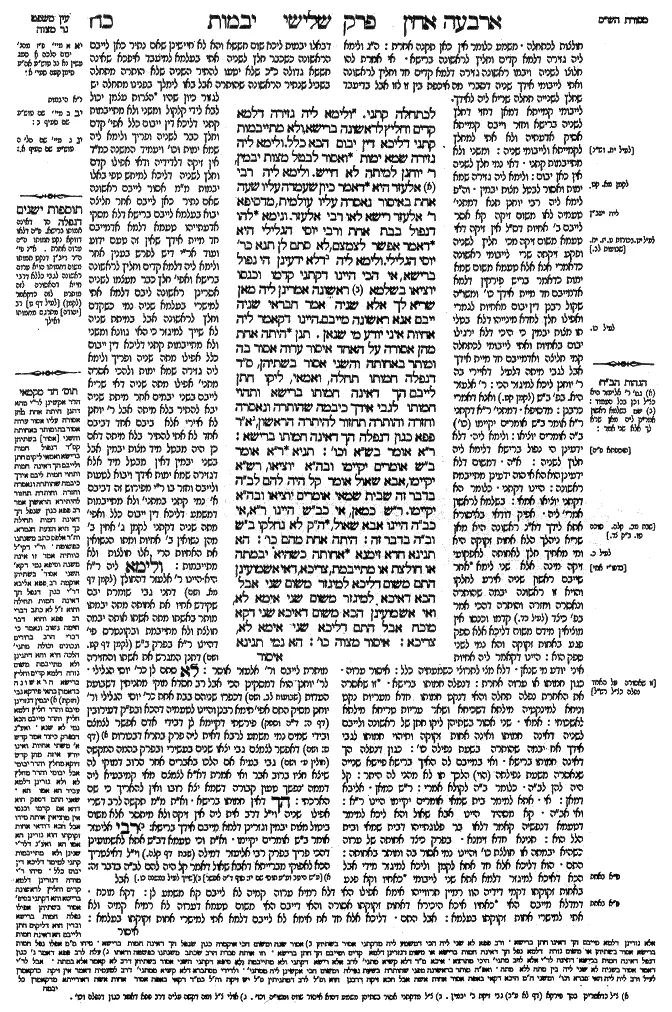
Yevamot 28a - Guemara
לכתחלה קתני ולימא ליה גזירה דלמא קדים וחליץ לראשונה ברישא ולא מתייבמות קתני דליכא דין יבום הכא כלל ולימא ליה גזירה שמא ימות ואסור לבטל מצות יבמין ר' יוחנן למיתה לא חייש ולימא ליה רבי אלעזר היא דאמר כיון שעמדה עליו שעה אחת באיסור נאסרה עליו עולמית מדסיפא ר' אלעזר רישא לאו רבי אלעזר ונימא להו דנפול בבת אחת ורבי יוסי הגלילי היא דאמר אפשר לצמצם לא סתם לן תנא כר' יוסי הגלילי ולימא ליה דלא ידעינן הי נפול ברישא אי הכי היינו דקתני קדמו וכנסו יוציאו בשלמא ראשונה אמרינן ליה מאן שריא לך אלא שניה אמר חבראי שניה ייבם אנא ראשונה מייבם היינו דקאמר ליה אחיות איני יודע מי שנאן:
תנן היתה אחת מהן אסורה על האחד איסור ערוה אסור בה ומותר באחותה והשני אסור בשתיהן ס"ד דנפלה חמותו תחלה ואמאי ליקו חתן לייבם הך דאינה חמותו ברישא ותהוי חמותו לגבי אידך כיבמה שהותרה ונאסרה וחזרה והותרה תחזור להיתרה הראשון א"ר פפא כגון דנפלה הך דאינה חמותו ברישא:
ר"א אומר בש"א וכו':
תניא ר"א אומר ב"ש אומרים יקיימו ובה"א יוציאו רש"א יקיימו אבא שאול אומר קל היה להם לב"ה בדבר זה שבית שמאי אומרים יוציאו ובה"א יקיימו ר"ש כמאן אי כב"ש היינו ר"א אי כב"ה היינו אבא שאול ה"ק לא נחלקו ב"ש וב"ה בדבר זה:
היתה אחת מהם כו':
הא תנינא חדא זימנא אחותה כשהיא יבמתה או חולצת או מתייבמת צריכא דאי אשמועינן התם משום דליכא למיגזר משום שני אבל הכא דאיכא למיגזר משום שני אימא לא ואי אשמועינן הכא משום דאיכא שני דקא מוכח אבל התם דליכא שני אימא לא צריכא:
איסור מצוה כו':
הא נמי תנינא
Comments from Rashi on Masechet Yevamot Page 28a
חולצות לכתחלה . משמע כלומר אין כאן תקנה אחרת: ה"ג ולימא ליה גזירה דלמא קדים וחליץ לראשונה ברישא . אי אמרת להו חלוצו לשניה ויבמו ראשונה גזירה דלמא קדים חד וחליץ לראשונה ואתי לייבומי אידך שניה דסברי מה איכפת בין זו לזו אבל בדיעבד שחלץ לשנייה תחלה שריא ליה לאידך לייבומי קמייתא דמאן דחזי דחלץ לשניה ברישא וחזר וייבם קמייתא אסיק אדעתיה ולא אתי למחלץ לקמייתא ולייבומי שניה: ומשני ולא מתייבמות קתני . דאי נמי חלץ לשניה אין כאן יבום: ולימא ליה גזירה שמא ימות ואסור לבטל מצות יבמין . וה"פ לימא ליה רבי יוחנן תנא דמתני' טעמיה לאו משום זיקה קא אסר לייבם ב' אחיות דס"ל אין זיקה דאי טעמא משום זיקה מכי חליץ לשניה ופקע זיקתה שרי לייבומי ראשונה כדאמרי אנא אלא טעמא משום שמא ימות כדאמר בריש פירקין דלמא אדמייבם חד מיית אידך כו' ומשו"ה שקול רבנן דין יבום מאחיות לגמרי ואפילו חלץ לחדא מינייהו דלא בטלי תו מצות יבמין כי היכי דלא ירגילו יבום באחיות ואתי לייבומי לכתחלה קמי חליצה ואדמייבם חד מיית אידך אבל לגבי מיתה דלעיל דאיירי בה ר' יוחנן ליכא למיגזר הכי: ר' אלעזר היא . בפ' ב"ש (לקמן יבמות קט.) ואנא דאמרי כרבנן: מדסיפא . דמתני' ר"א דקתני ר"א אומר ב"ש אומרים יקיימו (כו') ב"ה אומרים יוציאו: ולימא ליה . דלא ידעינן הי נפול ברישא דלימא ליה חלוץ לשניה: א"ה . דמשום דלא ידעינן הוא הא אי הוה ידעינן מתייבמת ראשונה: היינו דקתני . כלומר הא דקתני יוציאו אמאי: בשלמא לראשון אמרי' ליה . אפיק דודאי באיסורא אתא לידך דא"נ ראשונה היא מאן שריא ניהלך הלא אחות זקוקה היא ומי מאחיך חלץ לאחותה לאפקועי זיקה מינה אלא שני לימא אחר שייבם ראשון שניה אירע לחלקו והויא זו ראשונה יבמה שהותרה ונאסרה וחזרה והותרה דהכי אמר בפ' כיצד (לעיל יבמות כד.) קדמו וכנסו אין מוציאין מידם משום דליכא אלא ספק פגע באחות זקוקה והא נמי לשני ספק הוא: היינו דקאמר ליה אחיות איני יודע מי שנאן . דלא מצי לתרוצי כשמעתיה כלל: איסור ערוה . כגון חמותו או ערוה אחרת: דנפלה חמותו ברישא . זו שאסרה את האחרת נפלה תחלה. והאי דנקט חמותו חדא מעריות נקט וניחא למינקטיה מילתא דשכיחא ושאר עריות טריחא מילתא לאשכוחי: אמאי . שני אסור בשתיהן ליקו חתן של ראשונה ולייבם לשניה דאינה חמותו ואינה אחות זקוקה ותיהוי חמותו לגבי אידך אח יבמה שהותרה בשעת נפילה כו': כגון דנפלה הך דאינה חמותו ברישא . ואי במייבם לה האיך ברישא פיישא שנייה שנאסרה משעת נפילתה [הוי] הלכך תו לא מהני לה היתר: קל היה להן לב"ה . כלומר ב"ה לקולא אמרי: ר"ש כמאן . אליבא דמאן: אי . אתא למימר בית שמאי אומרים יקיימו היינו ר"א: ואי אב"ה . קא מסהיד היינו אבא שאול והא ליכא למימר דטעמא דנפשיה קאמר דלאו בר פלוגתייהו דבית שמאי ובית הלל הוא: תנינא חדא זימנא . בפרק כיצד אחותה של ערוה כשהיא יבמתה או חולצת כו' והיינו נמי אסור בה ומותר באחותה: התם . הוא דליכא אלא חד אחא לקמן וליכא למיגזר מידי אבל הכא דאיכא למיגזר דלמא אתא שני לייבומי כאחיו וקא פגע באחות זקוקתו דקמי דידיה הוו רמיין תרווייהו אימא אפילו האי דלא רמיא ערוה קמיה לא לייבם קא משמע לן: דקא מוכח . דמדלא מייבם האי כאחיו איכא היכירא דאחות זקוקתו אסורה והאי דייבם האי משום טעמא דערוה לא רמיא קמיה ולא אתי למישרי אחות זקוקתו בעלמא: אבל התם . דליכא אלא חד אח אימא לא לייבם דלמא אתי למישרי אחות זקוקתו בעלמא:
Comments from Tosafot - Yevamot 28a
ולימא ליה ר"א היא . היינו ר' אלעזר דהחולץ (לקמן יבמות דף מא. ושם) דתני גבי שומרת יבם שקידש אחיו את אחותה מתה יבמתו מותר באשתו מתה אשתו אותה יבמה חולצת ולא מתייבמת ובקונטרס פי' דהיינו ר"א בפרק ב"ש (לקמן יבמות דף קט. ושם) דתנן המגרש את אשתו והחזירה מותרת לייבם ור' אלעזר אוסר: לא סתם לן כר' יוסי הגלילי . לר' יוחנן הוא דמסקינן הכי אבל רב חסדא מוקי מתניתין דשבועת העדות (שבועות לב. ושם) דכפרו שניהם בבת אחת כר' יוסי הגלילי ור' יוחנן מסיק התם אפי' תימא רבנן והיינו לטעמיה דהכא ובפ"ק דעירובין (דף ה: ד"ה וספק) פירשתי דקיימא לן דבידי אדם אפשר לצמצם ובידי שמים נמי משמע לרבא דאית ליה פרק בתרא דבכורות (דף ס: ושם) דאפשר לצמצם גבי יצאו שנים בעשירי ובפרק בהמה המקשה (חולין ע. ושם) גבי בעיא אם הלכו באברים אחר הרוב דמוקי לה שיצא חציו ברוב אבר ואי אמרת דא"א לצמצם מאי קמיבעיא ליה דממה נפשך טעון קבורה דשמא יצא רובו ואין להאריך כי שם הארכתי: הך דאין חמותו ברישא . וא"ת מ"מ תקשה לרב דשרי אפילו שניה וי"ל דרב אית ליה אין זיקה ולא מיתסר אלא משום ביטול מצות יבמין וגזרינן דלמא מייבם אידך ברישא: רבי אליעזר אומר ב"ש אומרים יקיימו . וא"ת וכי טעמא דב"ש אתא לאשמועינן דהכי פריך בפרק רבי אליעזר דמילה (שבת דף קלה.) וי"ל דאיצטריך הכא לאפוקי מברייתא דאבא שאול דאמר קל היה להם לב"ה בדבר זה:
Yevamot 28a - Mishnah translated into english
implies that the mishna teaches a case in which ḥalitza is performed ab initio. This indicates that this is the first course of action and the only way to resolve the situation. The Gemara asks further: And let him say to him the following: The mishna prohibits levirate marriage ab initio in this case, due to a rabbinic decree lest he proceed and perform the ḥalitza with the first sister first, whereby it would be prohibited to consummate the levirate marriage with the second. Perhaps for this reason the Sages decreed that it is prohibited to consummate the levirate marriage even if ḥalitza was performed with the second sister. The Gemara answers: It teaches: They may not enter into levirate marriage. This indicates that the halakha of levirate marriage does not apply here at all. Accordingly, even after the fact, if he performed ḥalitza with the second sister, the halakha of levirate marriage would not apply to the first sister.
The Gemara asks: And let him say to him a different reason for the ruling of the mishna: It is due to a rabbinic decree lest the second brother die, and it is prohibited to negate the mitzva of levirate marriage. Perhaps for this reason it would be forbidden to consummate the levirate marriage in the case where two sisters happened before him for levirate marriage, and not due to the prohibition proscribing the sister of a woman with whom he has a levirate bond. The Gemara answers: Rabbi Yoḥanan was not concerned over the possibility of the death of a brother, and in his opinion there is no need to make a decree to address such cases.
The Gemara asks: And let Rabbi Yoḥanan say to him that this mishna is in accordance with the opinion of Rabbi Elazar, who said: Once the yevama stood before him at one time as forbidden, even if it was not at the time that she happened before him, she remains forbidden to him forever. Perhaps the mishna could be explained according to Rabbi Elazar’s opinion. The Gemara answers: Since the opinion of Rabbi Elazar is cited explicitly in the latter clause of the mishna, it can be deduced that the first clause is not according to the opinion of Rabbi Elazar. Therefore, this ruling cannot be attributed to Rabbi Elazar.
The Gemara asks: And let him say to him that here the reference is to a situation where the two brothers died at once, and consequently both of the women happened before the yevamin for levirate marriage at the same time. And this mishna is in accordance with the opinion of Rabbi Yosei HaGelili, who says: It is possible to be precise. It is possible to determine that two events occurred at exactly the same moment, where both sisters were forbidden at the time that they happened before the brothers-in-law. The Gemara answers: The tanna did not teach an unattributed mishna in accordance with the opinion of Rabbi Yosei HaGelili. Any time the mishna is cited in accordance with Rabbi Yosei HaGelili’s opinion, it is always attributed to him explicitly.
The Gemara asks: And let him say to him a different explanation for the ruling: This mishna is indeed addressing a case where the brothers died one after the other, yet we do not know which sister happened before the yevamin for levirate marriage first. In that case, it would be impossible to determine which sister would be permitted.
The Gemara answers: If so, that which the mishna teaches in the latter clause: And if they married their wives before consulting the court they should divorce them, is difficult. Why must they divorce their wives in this situation? Granted, the brother who took the first sister in levirate marriage must divorce her, as we say to him: Who permitted her to you? Indeed, she was forbidden as the sister of a woman with whom he had a levirate bond, and so he must divorce her. However, the brother who took the second sister could say: My fellow brother consummated the levirate marriage with the second sister, but I am consummating the levirate marriage with the first sister. It is possible that after the other brother consummated the levirate marriage with the second sister, the first sister would then be permitted to him after the fact, and he is not required to divorce her unless it is certain that he violated a prohibition.
The Gemara concludes: Indeed, this is what Rabbi Yoḥanan meant when he said to Rabbi Yosei bar Ḥanina: I do not know who taught: Sisters, for according to these considerations he cannot properly resolve the ruling of this mishna.
We learned in the mishna: If one of the sisters was forbidden to one of the brothers due to a prohibition against forbidden relatives because she was a relative of his wife or a relative from his mother’s side, then he is prohibited from marrying her but permitted to marry her sister. But the second brother, who is not a close relative of either sister, is prohibited from marrying both of them. It enters your mind to say that a forbidden woman, such as his mother-in-law, happened before the yavam for levirate marriage first.
Accordingly, the Gemara asks: And why would both women be forbidden to the second brother? Let the son-in-law rise and consummate the levirate marriage with the sister who is not his mother-in-law first. Consequently, with regard to the other brother, his mother-in-law would be considered a yevama who was permitted to perform levirate marriage at the time that she happened before him, and then forbidden when her sister happened before him for levirate marriage as well, and then subsequently became permitted when his brother consummated the levirate marriage with her sister. If so, the mother-in-law should return to her original permitted status and may enter into levirate marriage with him.
Rav Pappa said: The mishna is referring to a case where the woman who was not his mother-in-law happened before the brothers for levirate marriage first, in which case she was permitted to both of them. When her sister, i.e., the mother-in-law, happened before them for levirate marriage as well, both women were rendered forbidden to the second brother, as each one is the sister of a woman with whom he has a levirate bond. Because the mother-in-law was forbidden from the time that she happened before the yavam for levirate marriage, she can never be permitted to him.
§ With regard to the case of two brothers who married their wives before consulting the court, the mishna states that the women should be divorced. Rabbi Eliezer disagrees and says that this is a matter of dispute between Beit Shammai and Beit Hillel, as Beit Shammai say: They may maintain them as their wives, and Beit Hillel say: They should divorce them. An expanded version of this discussion is taught in the Tosefta (5:1): Rabbi Eliezer says that Beit Shammai say: They may maintain them as their wives, and Beit Hillel say: They should divorce them. Rabbi Shimon says: They may maintain them as their wives. Abba Shaul disagrees with Rabbi Eliezer and says: This was a matter of leniency for Beit Hillel. They were the ones who put forth a lenient ruling, as Beit Shammai say: They should divorce them, and Beit Hillel say: They may maintain them as their wives.
The Gemara asks about this baraita: In accordance with whose opinion is the statement of Rabbi Shimon? This matter is a dispute between Beit Hillel and Beit Shammai, with different versions of their opinions, and therefore Rabbi Shimon should not have formulated the halakha in this manner. Indeed, if he holds in accordance with the opinion of Beit Shammai, then that is the same as the opinion of Rabbi Eliezer. He would thereby conclude that the halakha is in accordance with the opinion of Beit Shammai, as per Rabbi Eliezer’s version. If so, he should have formulated his opinion in that way. If, however, he holds in accordance with the opinion of Beit Hillel, then that is the opinion of Abba Shaul. The Gemara responds: This is what he is saying: Rabbi Shimon actually maintains a third opinion: Beit Shammai and Beit Hillel did not dispute this matter; both agreed that the marriages may be maintained.
§ The mishna stated: If one of the sisters was forbidden to one of the brothers due to a prohibition against forbidden relations, then he is prohibited from marrying her but permitted to marry her sister. The Gemara asks: We already learned this on one occasion: When her sister, who is a forbidden relative to the yavam, is her yevama as well, she either performs ḥalitza or enters into levirate marriage.
The Gemara answers: It is necessary that this be said here as well, for if it taught us this halakha only there in its more general formulation (Yevamot 20a), then I might have said: The yavam is permitted to marry the sister because there is no reason to issue a rabbinic decree due to a second brother. There, there is only one yavam, to whom one sister is permitted and the other is forbidden. Here, however, in the case of two brothers, where there is reason to issue a rabbinic decree due to the second brother, lest he consummate the levirate marriage as well, I would say that we do not allow even the first brother to perform levirate marriage, and both sisters-in-law should be forbidden to both brothers.
And if the mishna had taught us the halakha only here, it would have been possible to say that the permissibility of levirate marriage here is because there is a second brother who indicates, by refraining from performing levirate marriage, that the sister of a woman bound by a levirate bond is forbidden. However, there, where there is not a second brother, I would say no, this halakha would not apply, due to a concern that people might wrongly conclude that the sister of a woman bound by a levirate bond is permitted. Therefore, it is necessary to state this halakha in both places.
It was taught in the mishna: If one of the sisters was forbidden to one of the brothers due to a prohibition resulting from a mitzva or due to a prohibition stemming from sanctity, then her sister must perform ḥalitza and may not enter into levirate marriage. The Gemara wonders: We already learned this as well:
Traduction : The William Davidson digital edition of the Koren Noé Talmud, with commentary by Rabbi Adin Even-Israel Steinsaltz.