 Talmud Bavli
Shabbat 61b : Youtube
Daf TubeYoutube
3 video classes :
Shabbat Page 61b
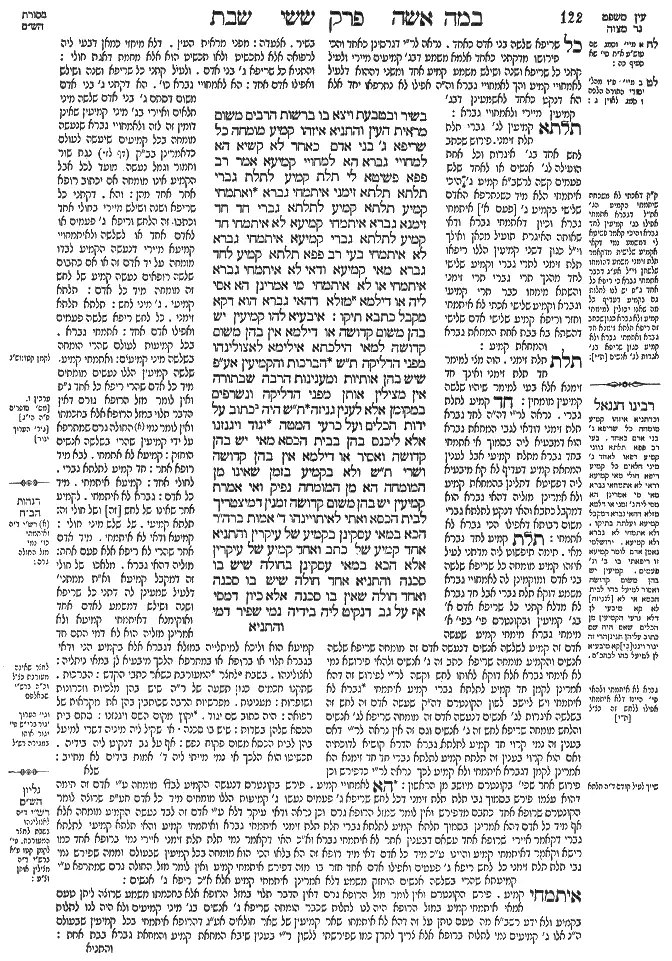
Shabbat 61b - Guemara
בשיר ובטבעת ויצא בו ברשות הרבים משום מראית העין והתניא איזהו קמיע מומחה כל שריפא ג' בני אדם כאחד לא קשיא הא למחויי גברא הא למחויי קמיעא אמר רב פפא פשיטא לי תלת קמיע לתלת גברי תלתא תלתא זימני איתמחי גברא ואתמחי קמיע תלתא קמיע לתלתא גברי חד חד זימנא גברא איתמחי קמיעא לא איתמחי חד קמיע לתלתא גברי קמיעא איתמחי גברא לא איתמחי בעי רב פפא תלתא קמיע לחד גברא מאי קמיעא ודאי לא איתמחי גברא איתמחי או לא איתמחי מי אמרינן הא אסי ליה או דילמא מזלא דהאי גברא הוא דקא מקבל כתבא תיקו. איבעיא להו קמיעין יש . בהן משום קדושה או דילמא אין בהן משום קדושה למאי הילכתא אילימא לאצולינהו מפני הדליקה ת"ש הברכות והקמיעין אע"פ שיש בהן אותיות ומענינות הרבה שבתורה אין מצילין אותן מפני הדליקה ונשרפים במקומן אלא לענין גניזה ת"ש * היה כתוב על ידות הכלים ועל כרעי המטה יגוד ויגנזנו אלא ליכנס בהן בבית הכסא מאי יש בהן קדושה ואסיר או דילמא אין בהן קדושה ושרי ת"ש ולא בקמיע בזמן שאינו מן המומחה הא מן המומחה נפיק ואי אמרת קמיעין יש בהן משום קדושה זמנין דמיצטריך לבית הכסא ואתי לאיתויינהו ד' אמות ברה"ר הכא במאי עסקינן בקמיע של עיקרין והתניא אחד קמיע של כתב ואחד קמיע של עיקרין אלא הכא במאי עסקינן בחולה שיש בו סכנה והתניא אחד חולה שיש בו סכנה ואחד חולה שאין בו סכנה אלא כיון דמסי אף על גב דנקיט ליה בידיה נמי שפיר דמי
Comments from Rashi on Masechet Shabbat Page 61b
בשיר . אצעדה: מפני מראית העין . דלא מיחזי כמאן דבעי ליה לרפואה אלא לתכשיט ולאו תכשיט הוא אלא מחמת דאגת חולי: והתניא כל שריפא ג' בני אדם . ולעיל קתני כל שריפא ושנה ושילש ואפילו אדם אחד: הא לאמחויי גברא כו' . הא דקתני ג' בני אדם משום דסתם ג' בני אדם שלשה מיני חלאים ואיירי בג' מיני קמיעין שאינן דומין זה לזה ולאמחויי גברא שנעשה מומחה בכל קמיעים שיעשה לעולם כדאמרינן בב"ק (דף לז.) נגח שור וחמור וגמל נעשה מועד לכל אבל הקמיע אינו מומחה אם יכתוב רופא אחר אחד מהן: והא . דקתני כל שריפא ושנה ושילש מיירי בחולי אחד וכתבו זה הלחש וריפא ג' פעמים או לאדם אחד או לשלשה ולאיתמחויי קמיעא מיירי דנעשה הקמיע לבדו מומחה על יד אדם זה או אם כתבום שלשה רופאים נעשה קמיע של לחש זה מומחה מיד כל אדם: תלתא קמיעי . ג' מיני לחש: תלתא תלתא זימני . כל לחש ריפא שלשה פעמים ואפילו אדם אחד: אתמחי גברא . בכל קמיעות לעולם שהרי הומחה בשלשה מיני קמיעים: ואתמחי קמיע . שלשה קמיעין הללו נעשים מומחים מיד כל אדם שהרי ריפא כל אחד ג"פ ואין לומר מזל הרופא גורם דאין הדבר תלוי במזל הרופא אלא בחכמתו ואין לומר נמי החולה גרם שמתרפא על ידי קמיעין שהרי בשלשה אנשים הוחזק: קמיעא לא אתמחי . לבא מיד רופא אחר: חד קמיע לתלתא גברי . לחולי אחד: קמיעא איתמחי . מיד כל אדם: גברא לא איתמחי . לקמיע אחר שאינו של לחש ושל חולי זה: תלתא קמיעי . של שלשה מיני חולי: קמיעא ודאי לא איתמחי . מיד אדם אחר שהרי לא ריפא אלא פעם אחת: מזליה דהאי גברא . מלאכו של חולי זה דמקבל קמיעא וא"ת ממתני' דלעיל שמעינן לה דקתני כל שריפא ושנה ושילש דמשמע לאדם אחד ואוקימנא דאיתמחי קמיעא ולא אמרינן מזליה הוא לא דמי התם חד קמיעא הוא וליכא למיתלייה במזלא דגברא אלא בקמיע הני ודאי בגברא תלוי או ברופא או במתרפא הלכך מיבעיא לן במאי ניתליה: לאצולינהו . בשבת לחצר המעורבת כשאר כתבי הקדש: הברכות . שתקנו חכמים כגון תשעה של ר"ה שיש בהן מלכיות וזכרונות ושופרות: מענינות . מפרשיות הרבה שכותבין בהן את מקראות של רפואה: היה כתוב שם יגוד . יקוץ מקום השם ויגנזנו: סתם בית הכסא שלהן בשדות: שיש בו סכנה . אי שקיל ליה מיניה דשרי למיעל בהן לבית הכסא משום פיקוח נפש: אף על גב דנקיט ליה בידיה . תכשיטו הוא הלכך אי נמי מייתי ליה ד' אמות בידים לא מחייב:
Comments from Tosafot - Shabbat 61b
כל שריפא שלשה בני אדם כאחד . נראה לר"י דגרסינן כאחד והכי פירושו מדקתני כאחד אלמא משמע דבג' קמיעים מיירי ולעיל קתני כל שריפא ושנה ושילש משמע קמיע אחד ומשני דההוא דלעיל לאמחויי קמיע והך לאמחויי גברא וה"ה אפילו לא נתרפאו יחד אלא הא דנקט כאחד לאשמעינן דבג' קמיעין מיירי ולאמחויי גברא: הא לאמחויי קמיע . פירש בקונטרס דנעשה הקמיע לבדו מומחה ע"י אדם זה תימה דהוא עצמו פירש בסמוך גבי תלת תלת זימני דכל לחש שריפא ג' פעמים נעשו ג' קמיעות הללו מומחים מיד כל אדם אע"פ שרוצה לומר הקונטרס שרופא אחד כתבם מדפירש ואין לומר שמזל הרופא גרם וכן נראה ודאי עיקר דלא ע"י אדם זה לבד נעשה הקמיע מומחה אלא אף מיד כל אדם דהא אמרינן בסמוך תלתא קמיע לתלתא גברי תלת תלת זימני איתמחי גברא ואיתמחי קמיע והאי תלתא קמיעי לתלתא גברי דקאמר איירי שרופא אחד עשאם דבענין אחר לא איתמחי גברא וא"כ האי דקאמר נמי תלת תלת זימני איירי נמי ברופא אחד כמו רישא וקאמר דאיתמחי קמיע והיינו ע"כ מיד כל אדם דאי מיד רופא זה הא בלאו הכי הוא מומחה בכל קמיעין שבעולם וממה שפירש נמי גבי תלת תלת זימני כל לחש ריפא ג' פעמים ואפילו אדם אחד חזר בו מזה דפירש איתמחי קמיע ואין לומר מזל החולה גרם שמתרפא ע"י קמיעתא שהרי בשלשה אנשים הוחזק משמע דלא אמרינן איתמחי קמיע אלא א"כ ריפא ג' אנשים: תלתא קמיעין לג' גברי תלת תלת זימני . פירוש שכתב לחש אחד בג' איגרות וכל אחת הועילה לג' אנשים או לאחד שלש פעמים קשה לרשב"א קמיע ג' היכי איתמחי הלא מיד כשנתרפא האדם שלישי בקמיע ג' [פעם א'] איתמחי גברא וכיון דאתמחי גברא ודאי שאותה האיגרת תועיל מכאן ואילך וי"ל כגון דשני קמיעין הללו ריפאו תלת זימני לתרי גברי וקמיע שלישי לחד מהנך תרי גברי תרי זימני והשתא מימחו כבר תרי קמיעי וגברא וקמיע שלישי אכתי לא איתמחי וחזר וריפא קמיע שלישי אדם שלישי דהשתא בא בבת אחת המחאת גברא והמחאת קמיע: תלת תלת זימני . הוה מצי למימר חד תלת זימני ואינך חד זימנא אלא בעי למימר שיהיו שלשה קמיעין מומחין: איתמחי קמיע . פירש הקונטרס ואין לומר מזל הרופא גרם דאין הדבר תלוי במזל הרופא אלא בחכמתו משמע שרוצה ליתן טעם אמאי איתמחי קמיע במזל הרופא היה לנו לתלות שכבר הומחה שריפא ג' אנשים בג' מיני קמיעים ולא היה לנו לתלות בקמיע ולא ידע רשב"א מה טעם נותן על זה דהא לא איתמחו שאר קמיעין של שאר חולאים אע"ג דהרופא איתמחי בכל קמיעין שבעולם ה"נ אלו ג' קמיעים נמי לתלות ברופא אלא צריך לתרץ כמו שפירשתי ללשון ר"י בענין שיבא המחאת קמיע והמחאת גברא בבת אחת: חד קמיע לתלת גברי . נראה לר"י דה"ה לחד גברא תלת זימני דודאי לגבי המחאת גברא הוא דמבעיא ליה בסמוך אי אתמחי בחד גברא מתלת קמיעי אבל לענין המחאת קמיע דעדיף לא קא מיבעיא ליה דפשיטא דתלינן בהמחאת קמיע ולא אמרינן מזליה דהאי גברא הוא דמקבל כתבא והאי דנקט לתלתא גברי משום רבותא דאפילו הכי גברא לא אתמחי: תלת קמיע לחד גברא מאי . תימה תיפשוט ליה מדתני לעיל איזהו קמיע מומחה כל שריפא שלשה בני אדם ומוקמינן לה לאמחויי גברא משמע דוקא תלת גברי אבל חד גברא לא מדלא קתני כל שריפא אדם א' בג' קמיעין ובקונטרס פי' בפי' א' מימחי גברא מימחי קמיע שעשה אדם זה קמיע לשלשה אנשים דנעשה אדם זה מומחה שריפא שלשה אנשים והקמיע מומחה שריפא כתב זה ג' אנשים ולהאי פירושא נמי לא אימחי גברא אלא דוקא לאותו לחש וקשה לר"י לפירוש זה דהא אמרינן לקמן חד קמיע לתלתא גברי קמיע איתמחי גברא לא איתמחי ויש ליישב לשון הקונטרס דה"ק שעשה אדם זה לחש זה בשלשה איגרות לג' אנשים דנעשה אדם זה מומחה שריפא לג' אנשים והלחש מומחה שריפא לחש זה ג' אנשים וגם זה אין נראה לר"י דאם בענין זה נמי קרוי חד קמיע לתלתא גברא הדרא קושיא לדוכתיה ואם הוא קרוי בענין זה תלתא קמיע לתלתא גברי חד חד זימנא הא אמרינן לקמן דגברא איתמחי ולא קמיע לכך נראה לר"י כדפירש וכן פירוש אחר שפי' בקונטרס מיושב מן הראשון:
Shabbat 61b - Mishnah translated into english
to a bracelet or a ring and go out with it into the public domain. The reason for the prohibition is due to the appearance of transgression, as, in that case, it appears that he is wearing the amulet strictly for ornamental purposes, which is prohibited.
With regard to the definition of an effective amulet as one which healed one person three times, the Gemara raises an objection. Wasn’t it taught in a baraita: Which is an effective amulet; any amulet that healed three people as one?
The Gemara answers: This is not difficult. This, where it was taught in the baraita that the amulet must have healed three different people, is referring to proving the expertise of the man who wrote it. Once his amulets have proven themselves by healing three different people stricken with different illnesses, clearly the one who wrote them is an expert. That, where it was taught in the Tosefta that even if the amulet healed one person three times, is referring to proving that the amulet is effective in fulfilling its designated purpose.
Rav Pappa said: It is obvious to me in a case where three amulets were written for three people and effectively healed each three times that both the man who wrote them is proven an expert and the amulet is proven effective. Likewise, it is obvious to me that in the case of one who writes three amulets for three people and healed each one time, the man is proven to be an expert; however, the amulet is not proven effective. Similarly, if one wrote one amulet for three people and it healed them, the amulet is proven effective, while the man who wrote it is not thereby proven an expert.
Rav Pappa raised a dilemma: Three amulets for one person, what is the status of the amulet and the one who wrote it in that case? The amulet is certainly not proven effective; however, with regard to the man who wrote it, is he proven an expert or is he not proven an expert? This is the dilemma: Do we say that the person is an expert since the amulet that he wrote healed the person who was ill? Or, perhaps we say that it was the fortune of that sick man who received the influence of the writing of the amulet, but a different person would not be healed? The Gemara concludes: Let this dilemma stand unresolved.
A dilemma was raised before the Sages: Do amulets have an element of sanctity, or perhaps they have no element of sanctity? The Gemara asks: With regard to what halakha is this dilemma relevant? If you say it is relevant with regard to rescuing them from fire on Shabbat, there is a clear resolution to the dilemma. Come and hear what was taught: The blessings and the amulets, even though there are letters of holy names and many matters that are in the Torah written in them, one may not rescue them from the fire, and they burn in their place.
Rather, the dilemma is relevant with regard to the matter of interment of sacred documents. Must an amulet no longer in use be buried, or may it be discarded? However, with regard to the matter of interment as well, come and hear a resolution from what was taught: If one of the names of God was written even on the handles of the vessels and even on legs of the bed, he must cut off the name and bury it, as one must be exacting with regard to the name of God, wherever it is written.
Rather, the dilemma was raised with regard to whether or not it is permitted to enter the bathroom with them. What is the halakha? Do they have sanctity, and it is therefore prohibited? Or, perhaps they have no sanctity, and it is permitted? Come and hear a resolution from that which we learned in our mishna: Nor with an amulet, when it is not from an expert. By inference: If it is from an expert, he may go out with it.
And, if you say that amulets have an element of sanctity, at times he will need to go to the bathroom, will be required to remove the amulets, forget that he removed them, and come to carry them four cubits in the public domain. Since the mishna did not address these complications, apparently amulets do not have an element of sanctity in that regard and one may enter the bathroom with them. The Gemara rejects this: With what we are dealing here? With an amulet made of herbal roots that certainly has no sanctity.
The Gemara asks: Wasn’t it taught in a baraita: This is the case with regard to both a written amulet and an amulet of herbal roots, indicating that their halakhot are equal? Rather, with what we are dealing here? With a person who is dangerously ill. Because of the life-threatening situation, he is permitted to enter the bathroom with his amulet, despite the resulting degradation of the Holy Name. Wasn’t it taught in the same baraita that the halakha applies to both a sick person who is dangerously ill and a sick person who is not dangerously ill, indicating that they share the same status in this regard?
Rather, since the amulet heals, even though he holds it in his hand, he may well go out with it too. In terms of healing, there is no difference whether the amulet is hanging around his neck or whether it is in his hand; just as they permitted him to wear it around his neck on Shabbat, so too they permitted him to carry it in his hand.
Traduction : The William Davidson digital edition of the Koren Noé Talmud, with commentary by Rabbi Adin Even-Israel Steinsaltz.
Shabbat 61b : Significance
Next step
Finished studying Shabbat 61b? Carry on with the rest of the tractate.
Study Shabbat 62aFrequently asked questions: Shabbat 61b
Where is Shabbat 61b in tractate Shabbat?
Shabbat 61b is page 120 of 312 in tractate Shabbat (Seder Moed).
When is daf 61 of Shabbat studied in Daf Yomi?
Daf Yomi covers one daf a day, both sides. Daf 61 of Shabbat will be studied on October 8, 2027.
Is there a video class on Shabbat 61b?
Yes, by Daf Tube, Rabbi Dr. Moshe Weisblum. These classes were published on YouTube by their authors and are gathered on this site.
What is tractate Shabbat about?
The Masechet Shabbat is the first tractate of the Seder Moed. The Gemara Shabbat is the study of the laws concerning the Shabbat day during which one must suspend all work according to what is written in the Torah. The preparations before the start of Shabbos, the 39 Melachot that the Torah forbids to be performed on Shabbos, as well as the rabbinical decrees intended to avoid transgressing them. The Shabbat tractate has 24 chapters.
Your study is also dedicated to them
- L'ilui Nishmat אסתר בת חיים
- L'ilui Nishmat Yaakov ben Myriam
- L'ilui Nishmat Avraham Ben Simha