 Talmud Bavli
Shabbat 129b : Youtube
Daf TubeYoutube
2 video classes :
Shabbat Page 129b
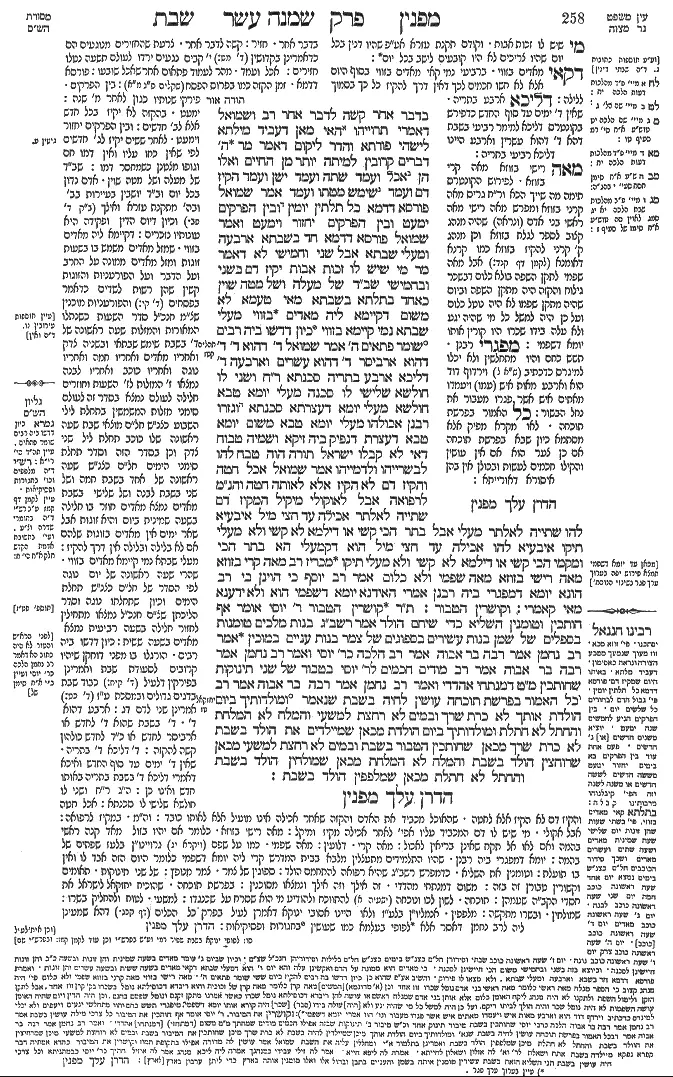
Shabbat 129b - Guemara
בדבר אחר קשה לדבר אחר רב ושמואל דאמרי תרוייהו האי מאן דעביד מילתא לישהי פורתא והדר ליקום דאמר מר ה' דברים קרובין למיתה יותר מן החיים ואלו הן אכל ועמד שתה ועמד ישן ועמד הקיז דם ועמד שימש מטתו ועמד אמר שמואל פורסא דדמא כל תלתין יומין ובין הפרקים ימעט ובין הפרקים יחזור וימעט ואמר שמואל פורסא דדמא חד בשבתא ארבעה ומעלי שבתא אבל שני וחמישי לא דאמר מר מי שיש לו זכות אבות יקיז דם בשני ובחמישי שב"ד של מעלה ושל מטה שוין כאחד בתלתא בשבתא מאי טעמא לא משום דקיימא ליה מאדים בזווי מעלי שבתא נמי קיימא בזווי כיון דדשו ביה רבים (תהלים קטז, ו) שומר פתאים ה' אמר שמואל ד' דהוא ד' ד' דהוא ארביסר ד' דהוא עשרים וארבעה ד' דליכא ארבע בתריה סכנתא ר"ח ושני לו חולשא שלישי לו סכנה מעלי יומא טבא חולשא מעלי יומא דעצרתא סכנתא וגזרו רבנן אכולהו מעלי יומא טבא משום יומא טבא דעצרת דנפיק ביה זיקא ושמיה טבוח דאי לא קבלו ישראל תורה הוה טבח להו לבשרייהו ולדמייהו אמר שמואל אכל חטה והקיז דם לא הקיז אלא לאותה חטה והנ"מ לרפואה אבל לאוקולי מיקיל המקיז דם שתייה לאלתר אכילה עד חצי מיל איבעיא להו שתייה לאלתר מעלי אבל בתר הכי קשי או דילמא לא קשי ולא מעלי תיקו איבעיא להו אכילה עד חצי מיל הוא דקמעלי הא בתר הכי ומקמי הכי קשי או דילמא לא קשי ולא מעלי תיקו מכריז רב מאה קרי בזוזא מאה רישי בזוזא מאה שפמי ולא כלום אמר רב יוסף כי הוינן בי רב הונא יומא דמפגרי ביה רבנן אמרי האידנא יומא דשפמי הוא ולא ידענא מאי קאמרי:
וקושרין הטבור:
ת"ר קושרין הטבור ר' יוסי אומר אף חותכין וטומנין השליא כדי שיחם הולד אמר רשב"ג בנות מלכים טומנות בספלים של שמן בנות עשירים בספוגים של צמר בנות עניים במוכין אמר רב נחמן אמר רבה בר אבוה אמר רב הלכה כר' יוסי ואמר רב נחמן אמר רבה בר אבוה אמר רב מודים חכמים לר' יוסי בטבור של שני תינוקות שחותכין מ"ט דמנתחי אהדדי ואמר רב נחמן אמר רבה בר אבוה אמר רב כל האמור בפרשת תוכחה עושין לחיה בשבת שנאמר (יחזקאל טז, ד) ומולדותיך ביום הולדת אותך לא כרת שרך ובמים לא רחצת למשעי והמלח לא המלחת והחתל לא חתלת ומולדותיך ביום הולדת מכאן שמיילדים את הולד בשבת לא כרת שרך מכאן שחותכין הטבור בשבת ובמים לא רחצת למשעי מכאן שרוחצין הולד בשבת והמלח לא המלחת מכאן שמולחין הולד בשבת והחתל לא חתלת מכאן שמלפפין הולד בשבת:
הדרן עלך מפנין
Comments from Rashi on Masechet Shabbat Page 129b
בדבר אחר . חזיר: קשה לדבר אחר . צרעת שהחזירים מנוגעים הם כדאמרינן בקדושין (ד' מט:) י' קבים נגעים ירדו לעולם תשעה נטלו חזירים: אכל ועמד . מהר לעמוד פתאום אחר שאכל שובעו: פורסא דדמא . זמן הקזה כמו בפרוס הפסח: בין הפרקים . פירקי שנותיו כגון לאחר מ' שנה: ימעט . בהקזה לא יקיז בכל חדש אלא לב' חדשים: ובין הפרקים יחזור וימעט . לאחר ששים יקיז לג' חדשים לפי שאין כחו עליו ואין דמו חם וגופו מצטנן כשמחסר דמו: שב"ד של מעלה ושל מטה שוין . אדם נדון בכל יום וב"ד יושבין בעיירות בב' ובה' מתקנת עזרא ואילך (ב"ק ד' פב.) וכיון דיום הדין ופקידה היא עונותיו נזכרים: דקיימא ליה מאדים בזווי . שמזל מאדים משמש בו בשעות זוגות ומזל מאדים ממונה על החרב ועל הדבר ועל הפורעניות והזוגות קשין שהן רשות לשדים כדאמר בפסחים (ד' קי:) והפורעניות מוכנין שצ"מ חנכ"ל סדר השעות כשנתלו המאורות והמזלות שעה ראשונה של ד' בשבת שימש שבתאי ובשניה צדק ואחריו מאדים ואחריו חמה ואחריו נוגה ואחריו כוכב ואחריו לבנה נמצאו ז' המזלות לז' השעות וחוזרים חלילה לעולם נמצא בסדר זה לעולם סימני מזלות המשמשין בתחלת לילי השבוע כצנ"ש חל"ם מוצאי שבת שעה ראשונה שלו כוכב תחלת ליל שני צדק וכן בסדר הזה וסדר תחלת סימני הימים חל"ם כצנ"ש שעה ראשונה של אחד בשבת חמה ושל שני בשבת לבנה ושל שלישי בשבת מאדים נמצא מאדים חוזר בו חלילה בשעה שמינית ביום והיא זוגות אבל שאר ימים אין מאדים בזוגות שלהם אם לא בלילה ובלילה אין דרך להקיז: מעלי שבתא נמי קיימא מאדים בזווי . שהרי שעה ראשונה של יום נוגה לפי הסדר של חל"ם כצנ"ש תחלת הימים וכיון שתחלתו נוגה וסדר הליכתן שצ"ם חנכ"ל נמצאו מתחילין לחזור חלילה בשעה רביעית נמצא מאדים בשעה ששית: כיון דדשו ביה רבים . הורגלו בו מפני דוחקן שיהיו קרובים לסעודת שבת ואמרינן בפירקין דלעיל (ד' קיר:) כבוד שבת בדגים גדולים ובמסכת ע"ז (ד' כט:) אמרינן שני לדם דג: ארבע דהוא ד' . ד' בשבת שהוא ד' לחדש או ארביסר לחדש או כ"ד לחדש כולהון קשה להקזה: ד' דליכא ד' בתריה . שאין ד' ימים עד סוף החדש ואיכא דאמרי דליכא ד' בשבת בתריה באותו חדש ואינו כן: ה"ג ר"ח ושני לו חולשא שלישי לו סכנתא: אכל חטה והקיז דם לא הקיז אלא לחטה . שהאוכל מכביד את האדם והקזה שאחר אכילה אינו מועיל אלא לאותו כובד: וה"מ . במקיז לרפואה: אבל אקולי . מי שיש לו דם המכביד עליו אפי' לאחר אכילה מקיז ומיקל: מאה רישי בזוזא . כלומר אם יהיו בזול מאד קנה ראשי בהמה ואם לאו אל תקח שאינן בריאין לאכול: מאה קרי . דלועין: מאה שפמי . כמו על שפם (ויקרא ינ) גרויינו"ן בלעז שפתים של בהמה: יומא דמפגרי ביה רבנן . שהיו התלמידים מתעצלין מלבא בבית המדרש קרי ליה יומא דשפמי כלומר היום הזה אבד לו ואין בו תועלת: וטומנין את השליא . כדמפרש רשב"ג שהיא רפואה להתחמם הולד: ספוגין של צמר . צמר מנופץ: של שני תינוקות . תאומים וקשורין טבורן זה בזה: משום דמנתחי מהדדי . זה אילך וזה אילך ונמצאו מסוכנין: בפרשת תוכחה . שהוכיח יחזקאל לישראל את חסדי הקב"ה שעמהן: תוכחה . לשון לכו ונוכחה (ישעיהו א) להתווכח ולהודיע מי הוא שסרח על שכנגדו: למשעי . לטוח ולהחליק בשרו: שמולחין . ובשרו מתקשה: מלפפין . אנמליו"ן בלע"ז ולאו היינו אסובי ינוקא דאמרן לעיל בפרק כל הכלים (שבת דף קכג.) דהא שמעינן ליה לרב נחמן דאסר אלא לפופי בעלמא כמו שעושין בחגורות ופסיקיאות:
Comments from Tosafot - Shabbat 129b
מי שיש לו זכות אבות . וקודם תקנת עזרא אע"פ שהיו דנין בכל יום שהיו צריכים לא היו קובעים לישב בכל יום: דקאי מאדים בזווי . ברביעי נמי קאי מאדים בזווי בסוף היום אלא לא חשו חכמים לכך דאין דרך להקיז כל כך בסמוך ללילה: דליכא ארבע בתריה . שאין ד' ימים עד סוף החדש כדפירש בקונטרס דליכא למימר רביעי בשבת דהא ד' דהוא עשרין וארבע היינו דליכא רביעי בתריה: מאה רישי בזוזא מאה קרי בזוזא . לפירוש הקונטרס תימה מה שייך הכא ור"ח גריס מאה קרני בזוזא ומפרש מאה רישי מאה ראשי בני אדם (ונראה) שהיה מנהג קצוב לספר לגלח בזוזא וכן מנהג ק' קרני להקיז בזוזא כמו קרנא דאומנא (לקמן שבת דף קנד:) אבל מאה שפמי לתקן השפה בולא כלום דבשכר גילוח והקזה היה מתקן השפה וביום שהיה מתקן שפמו לא היה נוטל כלום ועל כן היה למשל כל מי שהיה יגע ולא עלה בידו שכרו היו קורין אותו יומא דשפמי: מפגרי רבנן . תשש כחם והיו מתחלשין ולא יכלו למיגרס כדכתיב (שמואל א ל) וירדוף דוד הוא וארבע מאות איש (עמו) ויעמדו מאתים איש אשר פגרו מעבור את נחל הבשור: כל האמור בפרשת תוכחה . לאו מקרא מפיק אלא מסתמא כיון שבא בפרשת תוכחה אם כן צער הוא אם אין עושין והקילו חכמים לעשות ובכולן אין בהן איסורא דאורייתא:
Shabbat 129b - Mishnah translated into english
something else, a euphemism for a pig, it is harmful with regard to something else, a euphemism for leprosy.
It was Rav and Shmuel who both said: With regard to one who performs the practice of bloodletting, let him wait a bit and then let him rise, as the Master said: There are five matters that render one closer to death than life, and they are these: If one ate and immediately rose, if one drank and rose, if one slept and immediately rose, if one let blood and rose, if one engaged in conjugal relations and rose.
Shmuel said: The interval for bloodletting is every thirty days. And during the middle periods of one’s life, he should decrease the frequency of bloodletting; and during the later periods, he should decrease its frequency again.
And Shmuel said: The times for bloodletting are the first day of the week, the fourth day of the week and Shabbat eve. However, on the second and the fifth days of the week, no, one should not let blood, as the Master said: Only one who has the merit of his ancestors and relies on it should let blood on the second and on the fifth days of the week, as the court on High, in the heavens, and the court below are equal. The courts in the cities convene on Mondays and Thursdays, as does the heavenly court. Letting blood on a day of judgment is dangerous. If one is judged unfavorably all his blood could flow out.
The Gemara explains: On the third day of the week, what is the reason that one does not let blood? It is because the planet Mars is dominant during the even hours. Since it is a planet of blood, and the even hours are a bad omen, that combination gives cause for concern. The Gemara asks: On Shabbat eve, Mars also dominates during the even hours. The Gemara answers: Since the multitudes have already become accustomed to letting blood on Shabbat eve, the verse: “The Lord protects the simple-hearted” (Psalms 116:6) applies in this case.
Similarly, Shmuel says: On the fourth day of the week that is the fourth day of the month; on the fourth day of the week that is the fourteenth of the month; on the fourth day of the week that is the twenty-fourth of the month; and on the fourth day of the week after which there are not four days remaining in the month it is dangerous to let blood.
Bloodletting on the New Moon and on the second day of the month causes weakness; bloodletting on the third day of the month leads to danger. Bloodletting on the eve of a Festival causes weakness; bloodletting on the eve of the festival of Shavuot leads to danger. And the Sages issued a decree prohibiting bloodletting on the eve of every Festival due to the festival of Shavuot. On Shavuot, an evil spirit named Tibbuaḥ, from the Hebrew word meaning slaughter, emerges, as had the Jewish people not accepted the Torah on the festival of Shavuot, Tibbuaḥ would have slaughtered their flesh and their blood. Consequently, it remains a dangerous day.
Shmuel said: If one ate wheat and afterward let blood, he only let that wheat. The bloodletting was ineffective as the wheat replaced any blood that was let. And this ineffectiveness applies only if he let blood to cure an illness; however, to relieve discomfort, bloodletting after eating wheat relieves one’s discomfort.
One who lets blood should engage in drinking immediately; he should not engage in eating until the time that it takes to walk half a mil has elapsed.
A dilemma was raised before the Sages: When they said that one should engage in drinking immediately, does that mean that drinking immediately is beneficial; however, thereafter, it is injurious? Or perhaps, thereafter it is neither injurious nor beneficial. No resolution is found for this dilemma, therefore it stands unresolved.
Similarly, a dilemma was raised before the Sages: When they said one should not engage in eating until the time that it takes to walk half a mil has elapsed, does that mean that only at that time it is beneficial, however, after that time or before that time it is injurious? Or perhaps, before and after that time it is neither injurious nor beneficial. No resolution is found for this dilemma, therefore it too stands unresolved.
Rav would announce: One hundred bloodlettings for a zuz; cutting the hair on one hundred heads for a zuz; grooming one hundred moustaches does not cost anything (ge’onim). Blood letters typically served as barbers as well and did not charge for grooming a moustache. If one hundred men happened to arrive one day to have their moustaches groomed, the barber would work all day without receiving any pay. Rav Yosef said: When we were students in Rav Huna’s school, on a day when the Sages were sluggish in their studies, they would say: Today is the day of the moustaches, and I did not know what they were saying. Now that I heard Rav’s statement, I understand that they meant that it was a day without purpose.
We learned in the mishna: And one may tie the umbilical cord of a child born on Shabbat. The Sages taught similarly in the Tosefta and even added to it: One may tie the umbilical cord of a child born on Shabbat. Rabbi Yosei said: One may even cut the umbilical cord. And one may insulate the placenta as a healing remedy so as to warm the newborn. Rabban Shimon ben Gamliel said: Princesses insulate the placenta in mugs of oil; the daughters of the wealthy do so in combed wool; the daughters of the poor in soft rags.
Rav Naḥman said that Rabba bar Avuh said that Rav said: The halakha is in accordance with the opinion of Rabbi Yosei that it is even permitted to cut the umbilical cord on Shabbat.
And Rav Naḥman said that Rabba bar Avuh said that Rav said: The Rabbis concede to Rabbi Yosei with regard to the umbilical cord attached to twin babies that one may cut it on Shabbat. What is the reason for this? In that case, leaving the cord attached is dangerous. Since the attached twins will try to disengage from each other, they could potentially rip each other’s cords.
And Rav Naḥman said that Rabba bar Avuh said that Rav said: Everything stated in the passage of rebuke (Ezekiel 16) one may perform for a woman in childbirth on Shabbat. Since that chapter speaks of the dangerous birth of an abandoned child, for all other children, these issues should be addressed. As it is stated there: “And as for your birth, on the day you were born, your navel was not cut, and you were not washed in water for cleansing, and you were not salted, nor were you swaddled” (Ezekiel 16:4).
The Gemara explains: “And as for your birth, on the day you were born”; from here it is derived that one delivers the newborn on Shabbat. “Your navel was not cut”; from here it is derived that one cuts the umbilical cord on Shabbat. “And you were not washed in water for cleansing”; from here it is derived that one washes the newborn on Shabbat. “And you were not salted”; from here it is derived that one salts the newborn on Shabbat. “Nor were you swaddled”; from here it is derived that one swaddles the newborn on Shabbat.
Traduction : The William Davidson digital edition of the Koren Noé Talmud, with commentary by Rabbi Adin Even-Israel Steinsaltz.