 Talmud Bavli
The learning on the whole site is dedicated : L'ilui Nishmat Yaakov ben Myriam
The learning on the whole site is dedicated : L'ilui Nishmat Jamila bat Chlomo Abensour
The learning on the whole site is dedicated : L'ilui Nishmat Rav Chlomo Ben Jamilla
Shabbat 107b : Youtube
Daf TubeYoutube
2 video classes :
Shabbat Page 107b
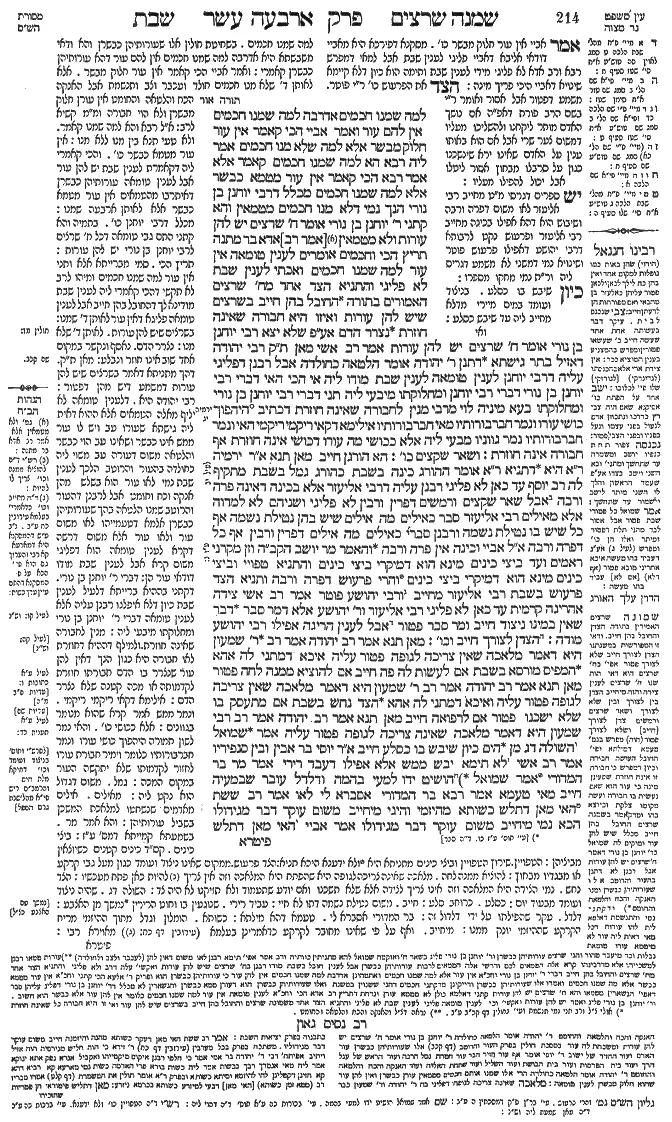
Shabbat 107b - Guemara
למה שמנו חכמים אדרבה למה שמנו חכמים אין להם עור ואמר אביי הכי קאמר אין עור חלוק מבשר אלא למה שלא מנו חכמים אמר ליה רבא הא למה שמנו חכמים קאמר אלא אמר רבא הכי קאמר אין עור מטמא כבשר אלא למה שמנו חכמים מכלל דרבי יוחנן בן נורי הנך נמי דלא מנו חכמים מטמאין והא קתני ר' יוחנן בן נורי אומר ח' שרצים יש להן עורות ולא מטמאין [אמר רב] אדא בר מתנה תריץ הכי וחכמים אומרים לענין טומאה אין עור למה שמנו חכמים ואכתי לענין שבת לא פליגי והתניא הצד אחד מח' שרצים האמורים בתורה החובל בהן חייב בשרצים שיש להן עורות ואיזו היא חבורה שאינה חוזרת נצרר הדם אע"פ שלא יצא רבי יוחנן בן נורי אומר ח' שרצים יש להן עורות אמר רב אשי מאן ת"ק רבי יהודה דאזיל בתר גישתא דתנן ר' יהודה אומר הלטאה כחולדה אבל רבנן דפליגי עליה דרבי יוחנן לענין טומאה לענין שבת מודו ליה אי הכי האי דברי רבי יוחנן בן נורי דברי רבי יוחנן ומחלוקתו מיבעי ליה תני דברי רבי יוחנן בן נורי ומחלוקתו בעא מיניה לוי מרבי מנין לחבורה שאינה חוזרת דכתיב (ירמיהו יג, כג) היהפוך כושי עורו ונמר חברבורותיו מאי חברבורותיו אילימא דקאי ריקמי ריקמי האי ונמר חברבורותיו נמר גווניו מבעי ליה אלא ככושי מה עורו דכושי אינה חוזרת אף חבורה אינה חוזרת:
ושאר שקצים כו':
הא הורגן חייב מאן תנא א"ר ירמיה ר"א היא דתניא ר"א אומר ההורג כינה בשבת כהורג גמל בשבת מתקיף לה רב יוסף עד כאן לא פליגי רבנן עליה דרבי אליעזר אלא בכינה דאינה פרה ורבה אבל שאר שקצים ורמשים דפרין ורבין לא פליגי ושניהם לא למדוה אלא מאילים רבי אליעזר סבר כאילים מה אילים שיש בהן נטילת נשמה אף כל שיש בו נטילת נשמה ורבנן סברי כאילים מה אילים דפרין ורבין אף כל דפרה ורבה א"ל אביי וכינה אין פרה ורבה והאמר מר יושב הקב"ה וזן מקרני ראמים ועד ביצי כינים מינא הוא דמיקרי ביצי כינים והתניא טפויי וביצי כינים מינא הוא דמיקרי ביצי כינים והרי פרעוש דפרה ורבה ותניא הצד פרעוש בשבת רבי אליעזר מחייב ורבי יהושע פוטר אמר רב אשי צידה אהריגה קרמית עד כאן לא פליגי רבי אליעזר ור' יהושע אלא דמר סבר דבר שאין במינו ניצוד חייב ומר סבר פטור אבל לענין הריגה אפילו רבי יהושע מודה:
הצדן לצורך חייב וכו':
מאן תנא אמר רב יהודה אמר רב ר' שמעון היא דאמר מלאכה שאין צריכה לגופה פטור עליה איכא דמתני לה אהא המפיס מורסא בשבת אם לעשות לה פה חייב אם להוציא ממנה לחה פטור מאן תנא אמר רב יהודה אמר רב ר' שמעון היא דאמר מלאכה שאין צריכה לגופה פטור עליה ואיכא דמתני לה אהא הצד נחש בשבת אם מתעסק בו שלא ישכנו פטור אם לרפואה חייב מאן תנא אמר רב יהודה אמר רב רבי שמעון היא דאמר מלאכה שאינה צריכה לגופה פטור עליה אמר שמואל השולה דג מן הים כיון שיבש בו כסלע חייב א"ר יוסי בר אבין ובין סנפיריו אמר רב אשי לא תימא יבש ממש אלא אפילו דעבד רירי אמר מר בר המדורי אמר שמואל הושיט ידו למעי בהמה ודלדל עובר שבמעיה חייב מאי טעמא אמר רבא בר המדורי אסברא לי לאו אמר רב ששת האי מאן דתלש כשותא מהיזמי והיגי מיחייב משום עוקר דבר מגידולו הכא נמי מיחייב משום עוקר דבר מגידולו אמר אביי האי מאן דתלש
Comments from Rashi on Masechet Shabbat Page 107b
למה שמנו חכמים . בשחיטת חולין אלו שעורותיהן כבשרן והא ודאי משבשתא היא אדרבה למה שמנו חכמים אין להם עור דהא עורותיהן כבשרן קאמרי: ואמר אביי הכי קאמר אין עור חלוק מבשר . אלא לאותן ד' שלא מנו חכמים חולד ועכבר וצב ותנשמת אבל האנקה הכח והלטאה והחומט אין עורן חלוק מבשרן ולא הוי חבורה ומ"מ קשיא לרב: א"ל רבא והא למה שמנו קאמר . ולא טעי תנא בין מנו ללא מנו: אין עור מטמא כבשר כו' . והכי קאמרי ליה דקאמרת לענין שבת יש להן עור אבל לענין טומאה עורותיהן כבשרן דאיתרבו מהטמאים אין עור מטמא כבשר אלא לאותן ארבעה שמנו: מכלל דר' יוחנן כו' . בתמיה והא קתני התם גבי טומאה דכל ח' שרצים לר' יוחנן בן נורי יש להן עורות: תריץ הכי . סמי מברייתא אלא ותני אין עור למה שמנו חכמים ומיהו לרב לא תקשי דהכי קאמרי ליה לענין שבת מודינא לך דהחובל בהן חייב אבל לענין טומאה פליגא דאין עור לאותן ד' שמנו: בשרצים שיש להן עורות . לאותן ד' שלא מנו: נצרר הדם . נאסף ונקשר במקום אחד שוב אינו חוזר ונבלע: מאן ת"ק . דהך מתניתא דאמר בשרצים שיש להן עורות דמשמע דיש מהן דפטור: רבי יהודה היא . דלענין טומאה לא יליף מאלה הטמאים אלא ההוא דאית ליה גישתא שעורו עב ויש לו עור ממש אינו כבשר ושאינו עב הוי כבשר והלטאה משום דעורה עב משוי ליה כחולדה בהעור והרוטב הלכך לענין שבת נמי לאו עור הוא בשלש מהן אנקה וכח וחומט אבל לרבנן דהעור והרוטב שמנו הלטאה בהך שעורותיהן כבשרן אלמא דטעמייהו לאו משום עור ולאו עור אלא משום דרשה דקרא לענין טומאה הוא דפליגי משום קרא אבל לענין שבת מודו דודאי עור הן: דברי ר' יוחנן בן נורי . דקתני בההיא ברייתא דלעיל לענין שבת כיון דלא איפלגו רבנן עליה אלא לענין טומאה דברי ר' יוחנן בן נורי ומחלוקתו מיבעי ליה מנין לחבורה שאינה חוזרת . ולמילף דההיא דחוזרת לאו חבורה היא כגון הנך דאין להן עור שנצרר בו הדם חבורתו חוזרת לקדמותה או מכה קטנה שלא נצרר הדם: אילימא דקאי ריקמי ריקמי . ונמר ממש אמר קרא שהוא מנומר בגוונים: אלא ככושי כו' . והאי נמר לשון תמורה היהפוך כושי עורו ונמר חברבורותיו כלומר וימיר חבורת עורו לחזור לקדמותו שלא יתקשה העור במקום המכה: גמל . משום דגדול הוא נקט ליה: מאילים . אילים מאדמים שנשחטו למלאכת המשכן בשביל עורותיהן: והא אמר מר . בשמעתא קמייתא דמס' ע"ז: ביצי כינים . קס"ד כינים קטנים כשיוצאים מביציהן: הטפויין . שירוץ הטפויין וביצי כינים מתניתא היא ולא ידענא היכא תניא: הצד פרעוש . ממקום שאינו ניצוד ועומד כגון מעל גבי קרקע או מבגדיו מבחוץ: להוציא ממנה לחה . מלאכה שאינה צריכה לגופה היא שהפתח היא המלאכה וזה אין צריך להיות כאן פתח מעכשיו: הצד נחש . נמי הצידה היא המלאכה וזה אינו צריך לצידה אלא שלא תשכנו ואם יודע שתעמוד ולא תזיקנו לא היה צד: השולה דג . שהיה ניצוד ועומד מבעוד יום: כסלע . כרוחב סלע: חייב . משום נטילת נשמה דתו לא חיי: עביד רירי . שנוגעין בו וחוט הרירין נמשך מן האצבע: דלדל . עקר שהפילתו על ידי דלדול זה: בר המדורי אסברא לי . טעמא דהא מילתא: כשותא . הומלון וגדל מתוך ההיזמי מריח הקרקע שההיזמי יונק ממנו: מיחייב . ואף על פי שאינו מחובר לקרקע כדאמרינן בעלמא (עירובין דף כח:) מאוירא רבי:
Comments from Tosafot - Shabbat 107b
אמר אביי אין עור חלוק מבשר כו' . מסקנא דפירכא היא מאביי דודאי אליבא דאביי פליגי לענין שבת אבל למאי דמפרש רבא ורב אדא לא פליגי מידי לענין שבת ותימה הוא כיון דלא קיימא שינויא דאביי היכי פריך מינה: הצד את הפרעוש כו' ר"י פוטר . משמע דפטור אבל אסור ואומר ר"י בשם הרב פורת דאפ"ה אם נושך האדם מותר ליקחנו ולהשליכו מעליו דמשום צער שרי אבל אם הוא באותו ענין על האדם שאינו ירא שינשכנו כגון על סרבלו מבחוץ אסור ליטלו אבל יכול להפילו מעליו: יש ספרים דגרסי מ"ט מחייב רבי אליעזר לאו משום דפרה ורבה ושיבוש הוא דהא אפילו בכינה מחייב רבי אליעזר ופרעוש נקט לרבותא דרבי יהושע דאפילו פרעוש פוטר ושינויא נמי דמשני לא משמע דגריס ליה ור"ת נמי מחקו מספרו: כיון שיבש בו כסלע . בניצוד ועומד במים מיירי מדלא מחייב ליה עד שיבש כסלע:
Shabbat 107b - Mishnah translated into english
with regard to those animals enumerated by the Sages as having skin, since their skin is considered by the Sages to be similar to their flesh. The Gemara asks: On the contrary, those that the Sages enumerated, whose skin and flesh are equated, do not have skins. And Abaye said: This is what the tanna in the baraita is saying: Only those that the Sages did not enumerate have skin discrete from their flesh. Rava said to him: Doesn’t the baraita say the opposite: That those enumerated by the Sages have skin discrete from their flesh? Rather, Rava said: This is what the baraita is saying: Only the skin of those animals enumerated by the Sages transmits impurity like flesh. The Gemara asks: Is that to say by inference that Rabbi Yoḥanan ben Nuri holds that even the creeping animals not enumerated by the Sages also transmit impurity? Isn’t the opposite taught, that Rabbi Yoḥanan ben Nuri says: The eight creeping animals have skin that does not transmit impurity? Rav Adda bar Mattana said to resolve it this way: And the Rabbis say: With regard to impurity, those animals enumerated by the Sages do not have skin. According to this explanation, Rabbi Yoḥanan ben Nuri and the Rabbis disagree only with regard to the laws of impurity.
But still, is it clear that they do not disagree with regard to the matter of Shabbat? Wasn’t it taught in a baraita: One who traps one of the eight creeping animals mentioned in the Torah on Shabbat is liable, as is one who wounds them, if they are creeping animals that have skins? And what is considered to be an irreversible wound? It is a wound where the blood collects in a single spot beneath the skin, even if it does not emerge. Rabbi Yoḥanan ben Nuri says: The eight creeping animals have skins. Apparently, there is disagreement with regard to Shabbat as well.
Rav Ashi said: Who is the first tanna? It is Rabbi Yehuda, who follows the texture of the skin. He does not distinguish between those creeping animals whose skin is considered like flesh and those whose skin is discrete from the flesh as the verses may imply; rather, creeping animals are distinguished based on the texture of their skin, as we learned in a mishna that Rabbi Yehuda says: Even though the lizard is mentioned in the verse, it has the same ruling as the weasel because the weasel has skin discrete from its flesh. However, the Rabbis, who disagree with Rabbi Yoḥanan with regard to impurity, concede with regard to Shabbat and hold that all creeping animals have skins. The Gemara asks: If so, the phrase in the baraita: This is the statement of Rabbi Yoḥanan ben Nuri, is difficult. It should have said: This is the statement of Rabbi Yoḥanan ben Nuri and those who disagree with him, as the Rabbis who disagree with him with regard to impurity concede to him with regard to the laws of Shabbat. The Gemara responds: This is not difficult. Emend the baraita and teach: The statement of Rabbi Yoḥanan ben Nuri and those who disagree with him.
Levi raised a dilemma before Rabbi Yehuda HaNasi: From where is it derived that a wound is defined as something irreversible? He answered him that it is derived as it is written: “Can a Cushite change his skin, or a leopard its spots [ḥavarburotav]?” (Jeremiah 13:23). The Gemara explains: What does ḥavarburotav mean? If you say that they are spotted marks on the leopard’s skin, that phrase: Or a leopard its spots, should have been: Or a leopard its colors. Rather, ḥavarburotav means wounds, and they are similar to the skin of a Cushite: Just like the skin of a Cushite will not change its color to white, so too a wound is something that does not reverse.
We learned in the mishna: And one who traps other abominations is exempt. The Gemara infers: If one kills them he is liable. The Gemara asks: Who is the tanna who holds this opinion? Rabbi Yirmeya said: It is the opinion of Rabbi Eliezer, as it was taught in a baraita that Rabbi Eliezer says: One who kills lice on Shabbat is akin to one who kills a camel on Shabbat. Apparently, he is the Sage who holds that one is liable for killing any living creature. Rav Yosef strongly objects to this: Perhaps this is not so, as the Rabbis disagree with Rabbi Eliezer only with regard to lice, which do not procreate. However, with regard to other abominations and crawling things that procreate, they do not disagree with him.
And fundamentally they both derived this halakha from the reddened ram skins used to cover the Tabernacle. Rabbi Eliezer holds that liability for killing an animal on Shabbat exists only with regard to animals like rams. Just as rams have their lives taken and die, so too, one is liable for killing any animal whose life is taken, including lice. And the Rabbis also hold that liability for killing an animal on Shabbat exists only with regard to animals like rams. Just as rams procreate, so too, one is liable for killing any creature that procreates. One is not liable for killing lice, which do not procreate. Abaye said to Rav Yosef: And lice do not procreate? Didn’t the Master say: The Holy One, Blessed be He, sits and sustains everything from the horns of wild oxen to the eggs of lice? Apparently, lice reproduce by laying eggs. Rav Yosef answered him: There is a species of insect that is called lice eggs, but lice themselves do not actually lay eggs.
Again he asked: And wasn’t it taught in the baraita that lists types of creeping animals: Tefuyei, a type of insect, and lice eggs? He answered him: There is a species of insect called lice eggs. Again he asked: And still, there is the issue of a flea, which procreates according to all opinions, and nevertheless, it was taught in a baraita: With regard to one who traps a flea on Shabbat, Rabbi Eliezer deems him liable and Rabbi Yehoshua deems him exempt. Rav Ashi said: Are you raising a contradiction between trapping with killing? Rabbi Eliezer and Rabbi Yehoshua disagree only in that one Sage, Rabbi Eliezer, holds that one is liable for trapping even a species that is not typically trapped; and one Sage, Rabbi Yehoshua, holds that one is exempt in that case. However, with regard to killing, even Rabbi Yehoshua concedes that one is liable.
We learned in the mishna that one who traps creeping animals for a specific need is liable, but one who traps them for no specific need is exempt. The Gemara asks: Who is the tanna who holds this way? Rav Yehuda said that Rav said: It is Rabbi Shimon, who said that for a prohibited labor performed not for its own sake, one is exempt.
Some taught the statement of Rav in reference to this: With regard to one who drains an abscess in a boil containing pus on Shabbat, if his intention is to create an opening for it he is liable; if his intention is to remove pus from it he is exempt. The Gemara asks: Who is the tanna who holds this way? Rav Yehuda said that Rav said: It is Rabbi Shimon, who said that for a prohibited labor performed not for its own sake, one is exempt.
Some teach the statement of Rav as referring to this: With regard to one who traps a snake on Shabbat, if he engages in its trapping so it does not bite him, he is exempt; if he does so for medicinal purposes he is liable. The Gemara asks: Who is the tanna who holds this way? Rav Yehuda said that Rav said: It is Rabbi Shimon, who said that for a prohibited labor performed not for its own sake, one is exempt.
Shmuel said: With regard to one who removes a fish from the sea, when an area on the skin of the fish has dried up the size of a sela, he is liable. A fish in that condition cannot survive, and therefore the individual who removed it from the water is liable for killing it. Rabbi Yosei bar Avin said: That is so as long as the skin that dried is between its fins. Rav Ashi said: Do not say that this halakha applies only in a case where it actually dried. Rather, it applies even if the fish has dried to the extent that mucus has formed, and if one were to touch that area it would stick to his fingers.
Mar bar Hamdurei said that Shmuel said: One who reached his hand into the innards of an animal on Shabbat and detached a fetus that was in its womb is liable. The Gemara asks: What is the reason for this? It does not make sense to consider the fetus as a full-fledged living creature. Rava said: Bar Hamdurei explained this to me. Didn’t Rav Sheshet say: One who detaches hops on Shabbat from the shrubs and thorns on which they are growing is liable for uprooting an object from its place of growth? Here, too, in the case of the fetus, one is liable for uprooting an object from its place of growth. Abaye said: One who detached
Traduction : The William Davidson digital edition of the Koren Noé Talmud, with commentary by Rabbi Adin Even-Israel Steinsaltz.