 Talmud Bavli
Shabbat 102b : Youtube
Daf TubeYoutube
3 video classes :
Shabbat Page 102b
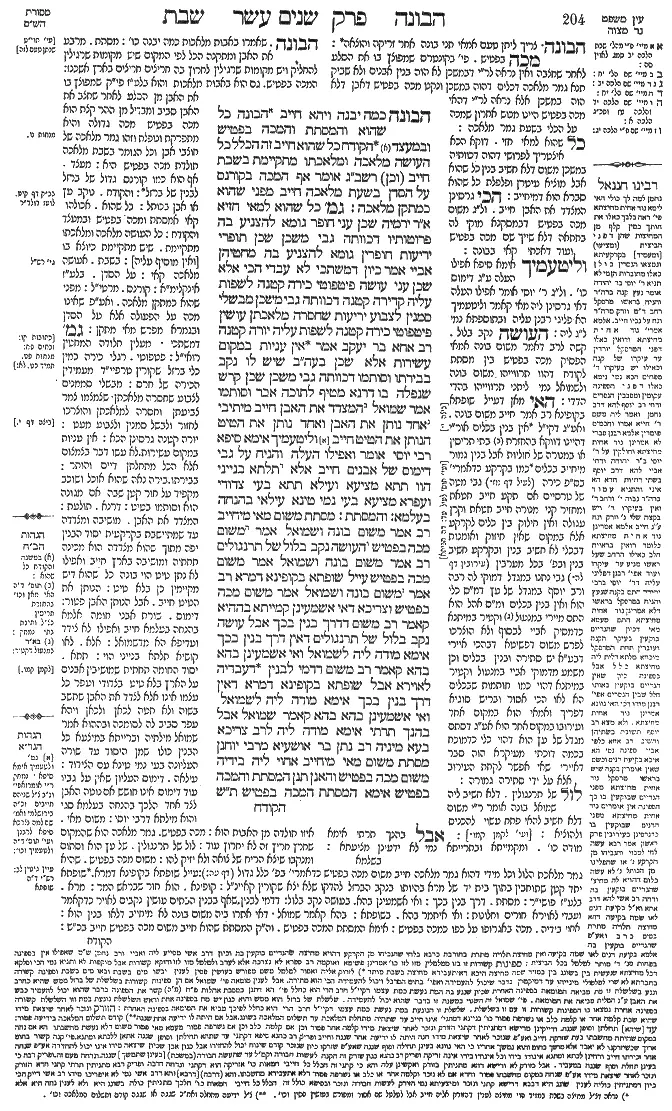
Shabbat 102b - Guemara
מתני׳ הבונה כמה יבנה ויהא חייב הבונה כל שהוא והמסתת והמכה בפטיש ובמעצד הקודח כל שהוא חייב זה הכלל כל העושה מלאכה ומלאכתו מתקיימת בשבת חייב (וכן) רשב"ג אומר אף המכה בקורנס על הסדן בשעת מלאכה חייב מפני שהוא כמתקן מלאכה:
גמ׳ כל שהוא למאי חזיא א"ר ירמיה שכן עני חופר גומא להצניע בה פרוטותיו דכוותה גבי משכן שכן תופרי יריעות חופרין גומא להצניע בה מחטיהן אביי אמר כיון דמשתכי לא עבדי הכי אלא שכן עני עושה פיטפוטי כירה קטנה לשפות עליה קדירה קטנה דכוותה גבי משכן מבשלי סמנין לצבוע יריעות שחסרה מלאכתן עושין פיטפוטי כירה קטנה לשפות עליה יורה קטנה רב אחא בר יעקב אמר אין עניות במקום עשירות אלא שכן בעה"ב שיש לו נקב בבירתו וסותמו דכוותה גבי משכן שכן קרש שנפלה בו דרנא מטיף לתוכה אבר וסותמו אמר שמואל המצדד את האבן חייב מיתיבי אחד נותן את האבן ואחד נותן את הטיט הנותן את הטיט חייב וליטעמיך אימא סיפא רבי יוסי אומר ואפילו העלה והניח על גבי דימוס של אבנים חייב אלא תלתא בנייני הוו תתא מציעא ועילא תתא בעי צדודי ועפרא מציעא בעי נמי טינא עילאי בהנחה בעלמא:
והמסתת:
מסתת משום מאי מיחייב רב אמר משום בונה ושמואל אמר משום מכה בפטיש העושה נקב בלול של תרנגולים רב אמר משום בונה ושמואל אמר משום מכה בפטיש עייל שופתא בקופינא דמרא רב אמר משום בונה ושמואל אמר משום מכה בפטיש וצריכא דאי אשמעינן קמייתא בההיא קאמר רב משום דדרך בנין בכך אבל עושה נקב בלול של תרנגולים דאין דרך בנין בכך אימא מודה ליה לשמואל ואי אשמעינן בהא בהא קאמר רב משום דדמי לבנין דעבדיה לאוירא אבל שופתא בקופינא דמרא דאין דרך בנין בכך אימא מודה ליה לשמואל ואי אשמעינן בהא בהא קאמר שמואל אבל בהנך תרתי אימא מודה ליה לרב צריכא בעא מיניה רב נתן בר אושעיא מרבי יוחנן מסתת משום מאי מיחייב אחוי ליה בידיה משום מכה בפטיש והאנן תנן המסתת והמכה בפטיש אימא המסתת המכה בפטיש ת"ש
Comments from Rashi on Masechet Shabbat Page 102b
מתני' הבונה שאמרו באבות מלאכות כמה יבנה כו': מסתת . מרבע את האבן ומתקנה הכל לפי המקום שיש מקומות שרגילין להחליק ויש מקומות שרגילין לחרוץ בה חריצים חריצים בארץ אשכנז: המכה בפטיש . גם הוא באבות מלאכות והוא בלעז פי"ק (מעדר) שמפוצץ בו את האבן מן הסלע לאחר שחצב את האבן סביב ומבדיל מן ההר קצת הוא מכה בפטיש מכה גדולה והיא מתפרקת ונופלת וזהו גמר מלאכה של חוצבי אבן וכל הגומר בשבת מלאכה תולדת מכה בפטיש היא: מעצד . אף הוא כמו קורנס גדול של ברזל לבנין של ברזל: והקודח . נוקב עץ או אבן בכותל: כל שהוא . אכולהו קאי אמסתת ומכה בפטיש ובמעצד והקודח: כל העושה מלאכה ומלאכתו מתקיימת . שיש מתקיימת כיוצא בו [ואין מוסיף עליה]: בשבת . אעושה מלאכה קאי: על הסדן . בלע"ז אינקלימ"א: קורנס . מרטי"ל: מפני שהוא כמתקן מלאכה . ואע"פ שאינו מכה על הפעולה אלא על הסדן ובגמרא מפרש מאי מתקן: גמ' דמשתכי . מעלין חלודה המחטין רואי"ל: פטפוטי . רגלי כירה כמין כלי ברזל שקורין טרפיי"ד מעמידין הכירה של חרס: מבשלי סממנים לצבוע שחסרה מלאכתן . שצמצמו צמר צביעתן וחסרה למלאכתן והוצרכו לחזור ולבשל סמנין ולצבוע מעט: יורה קטנה גרסינן הכא: אין עניות במקום עשירות . לא עשו דבר בצמצום אלא הכל מתחלתן דיים והותר: בבירתו . בירה נאה שהוא אוכל ושוכב מקפיד על חור קטן שבה אם מגונה הוא וסותמו בטיט: דרנא . תולעת: המצדד את האבן . מושיבה ומצדדה עד שמתיישבת בקרקעית יסוד הבנין יפה מתוך שהוא מצדדה הוא מכינה תחתיה ומושיבה בארץ חייב ואפילו לא נתן טיט הוי בונה כל שהוא דיש מקיימין כן בלא טיט: הנותן את הטיט חייב . אבל הנותן האבן פטור: דימוס . שורת אבני חומה אלמא בהנחה בעלמא חייב ואפילו לא צידד ועדיפא הא מדשמואל: אלא . לאו קושיא תלתא בנייני הוי: תתא . יסוד החומה תחתית שמושיבין אבנים על הארץ בלא טיט בצדודי ועפר כל עצמו אינו אלא לצדד את האבן שתשב בשוה ולא תטה לכאן ולכאן ויהא עפר סביב לה לסומכה ובההוא אמר שמואל מילתיה וברייתא במיצעא כל הבנין כולו שמן היסוד עד שורה העליונה בעי נמי טינא עם הצידוד: עילאה . דימוס העליון שאין על גביו עוד דימוס אינו חושש אם נוטה האבן לצד אחד הלכך בהנחה בעלמא סגי והוא מילתא דרבי יוסי: משום מאי . איזו תולדה מן האבות הוא: מכה בפטיש . גמר מלאכה הוא שהמקום שחרץ חריץ זה לא יחרוץ עוד: לול של תרנגולין . של עץ הוא וסתום ומנקבו שיצא הריח של צואה ולא יזיק להו: משום מכה בפטיש . שהיא גמר מלאכת הלול וכל מידי דהוא גמר מלאכה חייב משום מכה בפטיש כדאמרי' בפ' כלל גדול (דף עה:): עייל שופתא בקופינא דמרא . שופתא יתד קטן שתוחבין בתוך בית יד של מרא בהיותו בנקב הברזל להדקו שלא יצא שקורין קאיינ"ל: קופינא . הוא חור שבראש המר: מרא . בלע"ז פושי"ר: ואי אשמעינן בהא . בעושה נקב בלול: דדמי לבנין . שאף בבנין הבתים עושין נקבים לאויר כדקאמר ועבדי לאוירא חורים וחלונות: ואי איתמר בהא . בשופתא: בהא קאמר שמואל . דאי אתרו ביה משום בונה לא מיחייב דלאו בנין הוא: אחוי בידיה . מכה באגרופו על כפו כמכה בפטיש: אימא המסתת המכה בפטיש . וה"ק המסתת שהוא חייב משום מכה בפטיש חייב בכ"ש:
Comments from Tosafot - Shabbat 102b
הבונה . צריך ליתן טעם אמאי תני בונה אחר זריקה והוצאה: מכה בפטיש . פי' בקונטרס שמפוצץ בו את הסלע לאחר שחצבה ואין נראה לר"י דבמשכן לא הוה בנין אבנים ולא שביק תנא גמר מלאכה דכלים דהוה במשכן ונקט מכה בפטיש דאבן דלא הוה במשכן אלא נראה לר"י דהאי מכה בפטיש היינו מכוש אחרון שמכה על הכלי בשעת גמר מלאכה: כל שהוא למאי חזי . דוקא הכא איצטריך לפרושי דהוה דכוותיה במשכן משום דלא חשיב בנין כל שהוא אבל מוציא עיטרן ופלפלת כל שהוא סברא הוא דמיחייב: הכי גרסינן המצדד את האבן חייב . ול"ג משום מכה בפטיש דבמסקנא מוקי לה בתתאה דלא שייך שם מכה בפטיש ועוד דאכתי קאי בבונה: ולטעמיך אימא סיפא אפילו העלה ע"ג דימוס כו' . ול"ג ר' יוסי אומר אפילו העלה דאי גרסינן ליה מאי קאמר וליטעמיך הא פליגי רבנן עליה ובתוספתא נמי ל"ג ליה: העושה נקב בלול . קשה לרב דאמר משום בונה אמאי הפסיק מכה בפטיש בין מסתת לקודח דהוו תרווייהו משום בונה ולשמואל נמי ליתני תרווייהו בהדי הדדי: האי מאן דעייל שופתא בקופינא רב אמר חייב משום בונה . ואע"ג דקי"ל אין בנין. בכלים אור"י דהיינו דווקא בהחזרת בתי תריסין או במנורה של חוליות אבל בנין גמור מיחייב בכלים כמו בקרקע כדאמרי' בס"פ כירה (לעיל שבת דף מז.) גבי מטה של טרסיים אם תקע חייב חטאת ומחזיר קני מנורה חייב חטאת וקרן עגולה ואין חילוק. בין כלים לקרקע. אלא במקום שאין חיזוק ואומנות דבכלי לא חשיב בנין ובקרקע חשיב בנין ובפ' בכל מערבין (עירובין דף לה.) גבי נתנו במגדל דמוקי לה רבה ורב יוסף במגדל של עץ דמ"ס כלי הוא ואין בנין בכלים ומ"ס אהל הוא התם מיירי במנעול וקטיר במיתנא כדמסיק אביי לבסוף ולא הוצרכו לפרש משום דפשיטא דבהכי איירי דבע"א יש סתירה ובנין בכלים וכן משמע מדמוקי אביי במנעול וקטיר במיתנא דהוי כמו חותמות שבכלים הא לאו הכי אסור ובריש סוגיא דפריך ואמאי הוא במקום אחד ועירובו במקום אחר הוא אע"ג דסתם מגדל של עץ הוא דהוי כלי כדמוכח בכמה דוכתי מעיקרא הוה סבר דאיירי שאי אפשר לקחת העירוב אלא על ידי סתירה גמורה: לול של תרנגולין . דלא חשיב ליה שמואל בונה אומר ר"י משום דלא חשיב להאי פתח עשוי להכניס ולהוציא: אבל בהנך תרתי אימא מודה כו' . ומקמייתא ובתרייתא נמי לא ידעינן מציעתא:
Shabbat 102b - Mishnah translated into english
MISHNA: With regard to one who builds on Shabbat, thereby violating a prohibition in a primary category of prohibited labor, how much must he build to be liable to bring a sin-offering? The Sages said: One who builds is liable for building any amount. And one who chisels, or strikes with a hammer or with an adze, or one who drills a hole of any size on Shabbat, is liable. This is the principle: Anyone who performs a prohibited labor and his labor endures on Shabbat is liable. And so too, Rabban Shimon ben Gamliel says: Even one who strikes an anvil with a sledgehammer during his labor has performed a constructive act and is liable, because he is as one who improves the labor that he is performing.
GEMARA: The Gemara asks: With regard to any small amount of building, for what use is it suited? Rabbi Yirmeya said: As a poor person digs a hole in the floor of his house in which to hide his coins. Digging a hole in the floor of a house is an act of building. The corresponding situation in the Tabernacle was as those who sewed curtains in the Tabernacle dug holes in which to hide their needles. Abaye said: Since needles rust in the ground, they did not do so. The Gemara seeks a different example of small-scale building that is significant. Rather, an example is that a poor person makes legs for a small stove to place a small pot on it. The corresponding situation in the Tabernacle was with regard to those who cooked herbs used to dye curtains, whose dyeing process was lacking a small amount for completion. At that point, it was not worth the effort to cook a large quantity of dye, and so they would make legs for a small stove upon which to place a small cauldron to cook a small bit of dye to finish the job.
Rav Aḥa bar Ya’akov said: There is no poverty in a place of wealth. In the Tabernacle, as in any public project, actions are not performed on a small scale or in parsimonious quantities; they were performed generously. Those who cooked dyes in the Tabernacle had no use for small crucibles. Rather, an example of significant small-scale building is a homeowner who has a small hole in his house and seals it. The corresponding situation in the Tabernacle was with regard to a beam that was set upon by a worm that bore a hole into it; one pours lead into the hole and seals it.
Shmuel said: If one sets a stone in place on Shabbat, i.e., he takes a building stone and fixes it in place on the ground on Shabbat, he is liable for performing the prohibited labor of building. The Gemara raises an objection to this from that which the Sages taught with regard to building on Shabbat. In a case where one puts down a stone and another one places the mortar, the one who places the mortar is liable for building. Apparently, the prohibition of building is only violated when mortar is added. Merely setting a stone in place is not enough to establish liability.
The Gemara answers: And according to your line of reasoning, say the latter clause of that mishna where we learn that Rabbi Yosei says: And even if one lifted the stone and placed it on a top row of stones [dimos], he is liable even without securing it with mortar. Rather, apparently, there are three different kinds of building: Bottom row, middle row, and upper row. The bottom row requires setting the stones in place and dirt to hold it in place. The middle row requires mortar as well. The upper row suffices with mere placement.
We learned in the mishna: One who chisels any amount is liable. The Gemara asks: With regard to one who chisels, for which primary category of prohibited labor is he liable? Rav said: He is liable due to the prohibited labor of building. And Shmuel said: He is liable due to the prohibited labor of striking a blow with a hammer to complete the production process of a vessel. They similarly disagreed with regard to one who makes a hole in a chicken coop. Rav said: He is liable due to the prohibited labor of building. And Shmuel said: He is liable due to the prohibited labor of striking a blow with a hammer. And similarly, with regard to one who inserts a pin into the handle of a hoe in order to secure the handle, Rav said: He is liable due to the prohibited labor of building. And Shmuel said: He is liable due to the prohibited labor of striking a blow with a hammer.
The Gemara comments: It is necessary for the Gemara to teach us that Rav and Shmuel disagreed in each of these cases because one could not be inferred from the other. As, had the Gemara told us only the first case of chiseling, I would have said that it is specifically in that case that Rav said one is liable for building because it is a typical manner of building; however, with regard to one who makes a hole in a chicken coop, which is not a typical manner of building, say that Rav agrees with Shmuel that this is not subsumed under the rubric of the prohibited labor of building. And had the Gemara told us only about this case of making a hole in a chicken coop, I would have said that it is specifically in that case that Rav said one is liable for building, because it is similar to building, as people do so for ventilation in a chicken coop, just as they place windows in buildings.
However, inserting a pin into the handle of a hoe, which is not a typical manner of building, say that Rav agrees with Shmuel that it is not subsumed under the rubric of the prohibited labor of building. Conversely, had the Gemara told us only about this case of inserting a pin into the handle of a hoe, I would have said that it is only in that case that Shmuel said that the action is not subsumed under the rubric of the prohibited labor of building; however, with regard to these other two cases of chiseling and making a hole in the coop, say that Shmuel agrees with Rav that they are subsumed under the rubric of the prohibited labor of building. Therefore, it was necessary to cite all three disputes.
Rav Natan bar Oshaya raised a dilemma before Rabbi Yoḥanan: With regard to one who chisels, for which primary category of prohibited labor is he liable? He indicated with his hand that he is liable for striking a blow with a hammer. The Gemara asks: Didn’t we learn in the mishna: One who chisels and one who strikes a blow with a hammer, indicating that they are two different prohibitions? The Gemara answers: Emend this and say: One who chisels is liable due to the prohibition of striking a blow with a hammer.
Come and hear a proof that will resolve this dilemma from that which we learned:
Traduction : The William Davidson digital edition of the Koren Noé Talmud, with commentary by Rabbi Adin Even-Israel Steinsaltz.