 Talmud Bavli
Hullin 29b : Youtube
Rabbi Dr. Moshe WeisblumYoutube
1 video class :
Hullin Page 29b
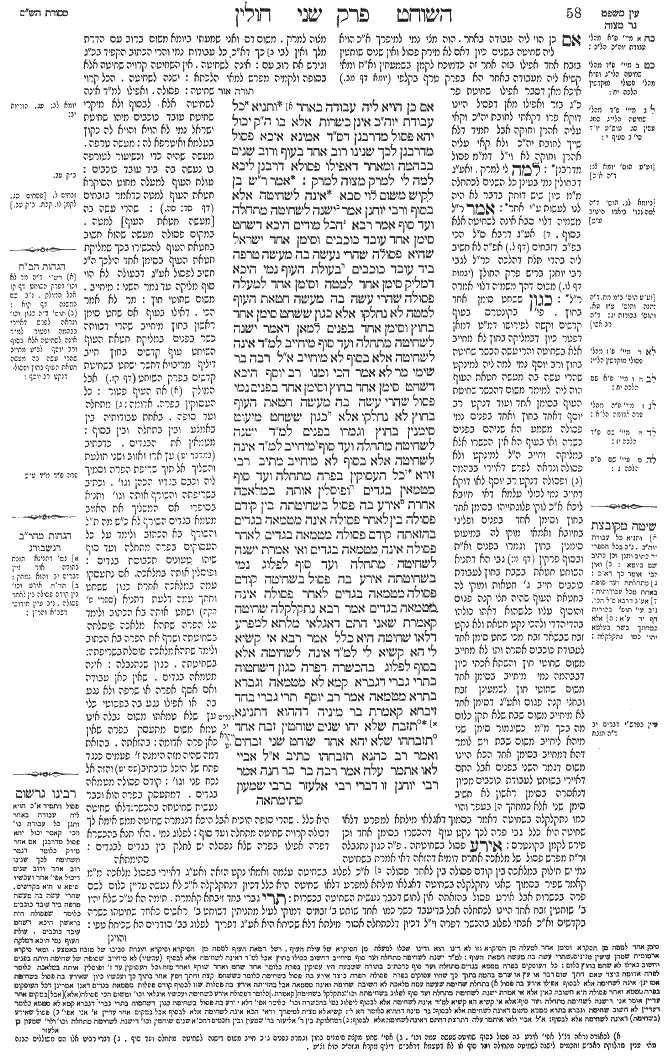
Hullin 29b - Guemara
אם כן הויא ליה עבודה באחר ותניא כל עבודת יוה"כ אינן כשרות אלא בו ה"ק יכול יהא פסול מדרבנן דס"ד אמינא איכא פסול מדרבנן לכך שנינו רוב אחד בעוף ורוב שנים בבהמה ומאחר דאפילו פסולא דרבנן ליכא למה לי למרק מצוה למרק:
אמר ר"ש בן לקיש משום לוי סבא אינה לשחיטה אלא בסוף ורבי יוחנן אמר ישנה לשחיטה מתחלה ועד סוף אמר רבא הכל מודים היכא דשחט סימן אחד עובד כוכבים וסימן אחד ישראל שהיא פסולה שהרי נעשה בה מעשה טרפה ביד עובד כוכבים בעולת העוף נמי היכא דמליק סימן אחד למטה וסימן אחד למעלה פסולה שהרי עשה בה מעשה חטאת העוף למטה לא נחלקו אלא כגון ששחט סימן אחד בחוץ וסימן אחד בפנים למאן דאמר ישנה לשחיטה מתחלה ועד סוף מיחייב למ"ד אינה לשחיטה אלא בסוף לא מיחייב א"ל רבה בר שימי מר לא אמר הכי ומנו רב יוסף היכא דשחט סימן אחד בחוץ וסימן אחד בפנים נמי פסול שהרי עשה בה מעשה חטאת העוף בחוץ לא נחלקו אלא כגון ששחט מיעוט סימנין בחוץ וגמרו בפנים למ"ד ישנה לשחיטה מתחלה ועד סוף מיחייב למ"ד אינה לשחיטה אלא בסוף לא מיחייב מתיב רבי זירא כל העסוקין בפרה מתחלה ועד סוף מטמאין בגדים ופוסלין אותה במלאכה אחרת אירע בה פסול בשחיטתה בין קודם פסולה בין לאחר פסולה אינה מטמאה בגדים בהזאתה קודם פסולה מטמאה בגדים לאחר פסולה אינה מטמאה בגדים ואי אמרת ישנה לשחיטה מתחלה ועד סוף לפלוג נמי בשחיטתה אירע בה פסול בשחיטה קודם פסולה מטמאה בגדים לאחר פסולה אינה מטמאה בגדים אמר רבא נתקלקלה שחיטה קאמרת שאני התם דאגלאי מלתא למפרע דלאו שחיטה היא כלל אמר רבא אי קשיא לי הא קשיא לי למ"ד אינה לשחיטה אלא בסוף לפלוג בהכשרה דפרה כגון דשחטוה בתרי גברי דגברא קמא לא מטמאה וגברא בתרא מטמאה אמר רב יוסף תרי גברי בחד זיבחא קאמרת בר מיניה דההוא דתנינא (דברים יב, טו) תזבח שלא יהו שנים שוחטין זבח אחד (ויקרא יט, ה) תזבחהו שלא יהא אחד שוחט שני זבחים ואמר רב כהנא תזבחהו כתיב א"ל אביי לאו אתמר עלה אמר רבה בר בר חנה אמר רבי יוחנן זו דברי רבי אלעזר ברבי שמעון
Comments from Rashi on Masechet Hullin Page 29b
מצוה למרק . משום דם. ואני שמעתי ביומא משום ברוב עם הדרת מלך ואין לבי כך דא"כ כל עבודות נמי והרי הכתוב הקפיד בכ"ג וגירש את רוב עם: אינה לשחיטה . אין השחיטה קרויה שחיטה אלא בסופה ולקמיה מפרש למאי הלכתא: ישנה לשחיטה . הכל קרוי שחיטה: פסולה . ואפילו למ"ד אינה לשחיטה אלא לבסוף ולא מיקרי שחיטת עובד כוכבים מיהו שחיטת ישראל נמי לא הויא והויא לה כקוץ בעלמא ואיטרפא לה: מעשה טרפה . מעשה שהיה כדי וכשיעור לטורפה בו נעשה בה ביד עובד כוכבים: עולת העוף למעלה מחוט הסיקרא חטאת העוף למטה כדאמר בזבחים (דף סד: סה.): שהרי עשה בה [מעשה חטאת העוף] למטה . במקום פסולה מעשה שהוא חשוב בחטאת העוף להכשירו בכך שמליקת חטאת העוף בסימן אחד הילכך ה"נ חשיב לפסול אע"ג דבעולה לא הוי סוף מליקה עד גמר השני: מיחייב . משום שחוטי חוץ: מר לא אמר הכי . דאילו בעוף אם שחט סימן ראשון בחוץ מיחייב שהרי דכוותה כשר בפנים במליקת חטאת העוף. השוחט עוף קדשים בחוץ חייב דיליף מריבויא דאשר ישחט בשחיטת קדשים בפרק השוחט (דף קז.) אבל המולק את העוף פטור: כל העסוקין בפרה . אדומה: מתחלה ועד סופה . באחת עבודותיה בין באמצע ובין בתחלה ובין בסוף: מטמאין את הבגדים . כדכתיב (במדבר יט) עץ ארז ואזוב ושני תולעת והשליך אל תוך שריפת הפרה וסמיך ליה וכבס בגדיו הכהן וגו' וכתיב בשריפתה והשורף אותה וגו' ותניא בסיפרי אם המשליך את האזוב מטמא בגדים השורף לא כ"ש מה ת"ל והשורף בא הכתוב ולימד על כל העסוקים בפרה מתחלה ועד סוף שיהו טעונים תכבוסת בגדים: ופוסלין אותה במלאכה . אם נתעסקו עמה במלאכה אחרת כגון ששחט וחתך עמה דלעת דתניא (ספרי חקת יט ג) ושחט אותה בא הכתוב ולימד על הפרה שתהא מלאכה פוסלתה בשחיטתה ושרף את הפרה בא הכתוב ולימד שתהא מלאכה פוסלת בשריפתה: בשחיטתה . כגון שנתנבלה: אינה מטמאה בגדים . שאין כאן עבודה ואם אסף אפרה או שרפה ולא נגע בה או אפילו נגע בה בפשוטי כלי עץ שלא טמאתו משום נבלה אינו טמא משום מתעסק בפרה שאין כאן פרה אדומה: בהזאתה . בהזאת דמה שהיה מזה הימנה ז' פעמים כנגד פתח של היכל כדכתיב (שם יט) והזה אל נכח פני וגו': קודם פסולה מטמאה בגדים . דמתעסק בפרה הוא וכבר נעשית שחיטתה בהכשר: דלאו שחיטה היא כלל . שהרי סופה הוכיח אבל היכא דנגמרה שחיטה ממש אימא לך דכולה קרויה שחיטה מתחלה ועד סוף: לפלוג . נמי האי תנא בהכשרא דפרה אפילו בפרה שלא נפסלה יש לחלק בין בגדים לבגדים:
Comments from Tosafot - Hullin 29b
אם כן הוי ליה עבודה באחר . הוה מצי נמי למיפרך א"כ הויא ליה שחיטה בשנים כיון דאם לא מירק פסול ואין שנים שוחטין בזבח אחד אפילו בזה אחר זה כדמוכח לקמן בשמעתין וא"ת ומאי קשיא ליה מעבודה באחר הא בפרק טרף בקלפי (יומא דף מב.) איכא מאן דסבר אפילו שחיטת פר כ"ג בזר ואפילו מאן דפסיל היינו דוקא פרו דקאתי לחובת יה"כ וקאי עליה אהרן וחוקה אבל תמיד דלא שייך לחובת יה"כ ולא קאי עליה אהרן וחוקה לא וי"ל דמ"מ פסול מדרבנן: למה לי למרק . ואע"ג דבחולין נמי בעינן כל השנים לכתחלה מ"מ כיון שיש דוחק בדבר לא היה לנו לעשות ע"י אחר: אמר ר"ל משמיה דלוי סבא אינה לשחיטה אלא בסוף . אע"ג דרבא ס"ל הכי בפ"ב דזבחים (דף ל.) אפ"ה לא חשיב ליה בהדי תלת דהלכה כר"ל לגבי רבי יוחנן בריש פרק החולץ (יבמות דף לו.) משום דהך משמיה דלוי אמרה ר"ל: כגון ששחט סימן אחד בחוץ . פי' בקונטרס בעוף קדשים וקשה לפירושו דמ"ט דמאן דפטר כיון דבמליקה בחוץ לא מחייב אלא בשחיטה והרי עשה הכשר שחיטה בחוץ ורב יוסף נמי למה ליה למינקט שהרי עשה בה מעשה חטאת העוף הוה ליה למימר משום דהכשר שחיטת העוף בסימן אחד ועוד דנקט רב יוסף דאחד בחוץ ואחד בפנים נמי פסולה משמע הא שניהם בפנים כשרה ואי בעוף הא אין הכשרו אלא במליקה וחייב ה"ל למינקט ולא פסולה ונראה לפרש דאיירי בבהמה ופסולה דנקט רב יוסף לאו דוקא דחייב נמי לכולי עלמא דאי חיובא ליכא א"כ לוקי פלוגתייהו בסימן אחד בחוץ וסימן אחד בפנים ופליגי בחיובא ואמאי מוקי לה במיעוט סימנין בחוץ וגמרו בפנים וא"ת ובסוף פרקין (דף מ:) גבי הא דתניא השוחט חטאת בשבת בחוץ לעבודת כוכבים חייב ג' חטאות ומוקי לה בחטאת העוף שהיה חצי קנה פגום והוסיף עליו כל שהוא דאתו כולהו בהדי הדדי ולהכי נקט חטאת ולא נקט זבח שבשאר זבח מכי שחט סימן אחד לעבודת כוכבים אסרה ותו לא מחייב משום שחוטי חוץ והשתא אכתי כיון דבבהמה נמי מיחייב בסימן אחד משום שחוטי חוץ לשמעינן זבח ובחצי קנה פגום ואע"ג דסימן אחד לא מיחייב משום שבת שלא תקן כלום מה בכך מ"מ כשיגמור סימן שני מיהא ליחייב משום שבת ויש לומר דהא דמחייב בסימן אחד הכא היינו משום דגמר השני בפנים אבל התם דאיירי בשוחט לעבודת כוכבים מכיון דנאסרה בסימן ראשון לא חשיב סימן שני אלא כמחתך בעפר והוי כמו נתקלקלה בשחיטה דאמר בסמוך דאגלאי מילתא למפרע דלאו שחיטה היא כלל גבי פרה לכך נקט עוף דהכשרו בסימן אחד וכן פירש לקמן בקונטרס: אירע פסול בשחיטתה . פ"ה כגון נתנבלה ור"ת מפרש פסול של מלאכה אחרת דומיא דהזאה דאי אמרת בשחיטה נמי יש חילוק במלאכה בין קודם פסולה בין לאחר פסולה א"כ לפלוג בשחיטה עצמה ואמאי נקט הזאה ואע"ג דאיירי בפסול מלאכה מ"מ קאמר שפיר בסמוך שאני נתקלקלה בשחיטה דאגלאי מילתא למפרע דלאו שחיטה היא כלל דכיון דנתקלקלה א"כ לא נעשה עדיין כלום לשם פרה בכשרות אבל אירע פסול בהזאתה אין לחוש דכבר נעשית השחיטה בכשרות: תרי גברי בחד זיבחא קאמרת . תימה הא ע"כ שלא יהיו ב' שוחטין זבח אחד היינו לכתחלה אבל בדיעבד כשר כמו אחד שוחט ב' זבחים דמוקי לעיל מתניתין דשוחט ב' ראשים כאחד שחיטתו כשרה בקדשים וא"כ אכתי לפלוג בהכשר דפרה וי"ל דכיון דלכתחלה אסור מילתא דלא שכיחא היא אע"ג דפריך לפלוג בב' סודרים הא שכיחא טפי:
Hullin 29b - Mishnah translated into english
How could that possibility enter one’s mind? If that is so, the completion of that slaughter is a Temple service performed by another on Yom Kippur. And it is taught in a baraita: The entire Yom Kippur Temple service is valid only if performed by the High Priest.
The Gemara answers that this is what Rabbi Shimon ben Lakish is saying: One might have thought that if the slaughter was not completed by the other priest it would be not valid by rabbinic law, as it might enter your mind to say that there is an invalidation by rabbinic law. Therefore, we learned in the mishna: The majority of one siman in a bird or the majority of two simanim in an animal. The Gemara asks: And since there is not even an invalidation by rabbinic law, why do I need the other priest to complete the cutting of the simanim? The Gemara answers: There is a mitzva to complete the slaughter ab initio to facilitate the free flow of the blood.
§ Rabbi Shimon ben Lakish says in the name of Levi the Elder: Halakhic slaughter is accomplished only at its conclusion. And Rabbi Yoḥanan says: Halakhic slaughter is accomplished from the beginning to the end of the act.
Rava said in establishing the parameters of the dispute between Rabbi Shimon ben Lakish and Rabbi Yoḥanan: Everyone concedes in a case where a gentile slaughtered, i.e., cut, one siman and a Jew slaughtered one siman, that the slaughter is not valid even if slaughter is accomplished only at its conclusion, as an action rendering the animal a tereifa was performed at the hand of a gentile. Since slaughter by a gentile is not valid, the gentile renders the animal a tereifa.
In the case of a bird burnt offering as well, where one siman was pinched by a priest below the red line marking half the height of the altar, in accordance with the procedure of the sin offering, and one siman was pinched above the red line, in accordance with the procedure of the burnt offering, the pinching is not valid, as the priest performed an action appropriate for a bird sin offering below the red line, disqualifying it from being sacrificed as a burnt offering.
Rabbi Shimon ben Lakish and Rabbi Yoḥanan disagree only in a case where an individual cut one siman outside the Temple courtyard and one siman inside the Temple courtyard. According to the one who says: Halakhic slaughter is accomplished from the beginning to the end of the act, i.e., Rabbi Yoḥanan, one who begins the slaughter outside the Temple courtyard is liable for slaughter of a sacrificial animal outside the courtyard. According to the one who says: Halakhic slaughter is accomplished only at its conclusion, i.e., Rabbi Shimon ben Lakish, one who does so is not liable, as the conclusion of the slaughter, which is the determining factor, is performed inside the Temple courtyard.
Rabba bar Shimi said to Rava: The Master did not say that this was the crux of the dispute between Rabbi Yoḥanan and Rabbi Shimon ben Lakish. And who is the Master? It is Rav Yosef, who says that in a case where one cut one siman outside the Temple courtyard and one siman inside the Temple courtyard, all agree that the slaughter is not valid and the priest is liable to receive punishment, because he performed an action appropriate for a bird sin offering outside the Temple courtyard.
They disagree only in a case where one slaughtered the minority of each of the simanim outside the Temple courtyard and completed the slaughter inside the Temple courtyard. According to the one who says: Halakhic slaughter is accomplished from the beginning to the end of the act, i.e., Rabbi Yoḥanan, one who begins the slaughter outside the Temple courtyard is liable for slaughter of a sacrificial animal outside the courtyard. According to the one who says: Halakhic slaughter is accomplished only at its conclusion, i.e., Rabbi Shimon ben Lakish, one who does so is not liable, as he concludes the slaughter in an appropriate place.
Rabbi Zeira raises an objection from a mishna (Para 4:4): Anyone who is engaged in any part of the rite of the red heifer continuously from beginning to end transmits ritual impurity to the garments that he is wearing. And they disqualify the red heifer for use in the rite if they perform any other labor while engaged in any part of the rite of the red heifer.
If a disqualification befell the heifer during its slaughter, with regard to all those engaged in the rite of the red heifer, whether they engaged in the rite before the heifer was disqualified or after the heifer was disqualified, the heifer does not render garments that they are wearing impure. Since its slaughter was not valid it is disqualified from being used as a red heifer and therefore does not impart impurity. If it became disqualified at the time of sprinkling the blood of the heifer toward the opening of the Temple, with regard to those who engaged in the rite of the red heifer before it was disqualified, the heifer renders the garments that they are wearing impure. By contrast, with regard to those who handled the animal after it was disqualified, the heifer does not render the garments that they are wearing impure.
Rabbi Zeira elaborates: And if you say that halakhic slaughter is accomplished from the beginning to the end of the act, let the mishna also distinguish between disqualification at the beginning and at the end of the slaughter: If it became disqualified during slaughter, with regard to one who engaged in any part of the rite before it became disqualified, the heifer renders garments that he is wearing impure, and with regard to one who engaged in any part of the rite after it became disqualified, the heifer does not render the garments that he is wearing impure.
Rava said: Are you saying that the discussion concerns a case where the slaughter was invalidated? There it is different, because the matter was revealed retroactively, i.e., it was revealed that it was not a valid slaughter at all. Since at no stage of the slaughter was it valid, the heifer does not render the garments impure at all.
Rava said: If any aspect of that mishna is difficult for me it is this that is difficult for me: According to the one who says: Halakhic slaughter is accomplished only at its conclusion, let the mishna distinguish between two individuals in the preparation of a fit red heifer, even when the heifer was not disqualified. Let the mishna teach a case where they slaughtered it with two men, as the heifer does not render the first man who slaughters impure, as the slaughter did not yet begin, and the heifer renders the latter man impure.
Rav Yosef said: Are you saying that the discussion concerns a case of two men slaughtering one offering? Raise difficulties except for that, as we learn in a baraita with regard to the verse: “And when you sacrifice a peace offering to the Lord, you shall sacrifice it [tizbaḥuhu] that you may be accepted” (Leviticus 19:5), that the term “tizbaḥuhu” can be divided into two terms: You shall sacrifice [tizbaḥ] and it [hu]. From the term “You shall sacrifice [tizbaḥ],” it is derived that there will not be two people slaughtering one offering. From the full term “You shall offer it [tizbaḥuhu],” it is derived that one person may not slaughter two offerings simultaneously.
And Rav Kahana said, to explain the derivation of the first halakha in the baraita: Although the term “tizbaḥuhu” is vocalized in the plural, leading to the conclusion that two people may slaughter an animal together, nevertheless, because the word is written without a vav, it emerges that the phrase “You shall sacrifice it [tizbaḥehu],” in the singular, is written, indicating that two individuals may not slaughter the offering.
Abaye said to Rav Yosef: Wasn’t it stated with regard to this halakha that Rabba bar bar Ḥana says that Rabbi Yoḥanan says: This is the statement of Rabbi Elazar, son of Rabbi Shimon,
Traduction : The William Davidson digital edition of the Koren Noé Talmud, with commentary by Rabbi Adin Even-Israel Steinsaltz.