 Talmud Bavli
The learning on the whole site is dedicated : L'ilui Nishmat Jamila bat Chlomo Abensour
The learning on the whole site is dedicated : L'ilui Nishmat רינה בת לדיסיה
The learning on the whole site is dedicated : L'ilui Nishmat Chemouel Eliezer ben Batcheva
Bava Metzia 111b : Youtube
Daf TubeYoutube
1 video class :
Bava Metzia Page 111b
Bava Metzia 111b - Guemara
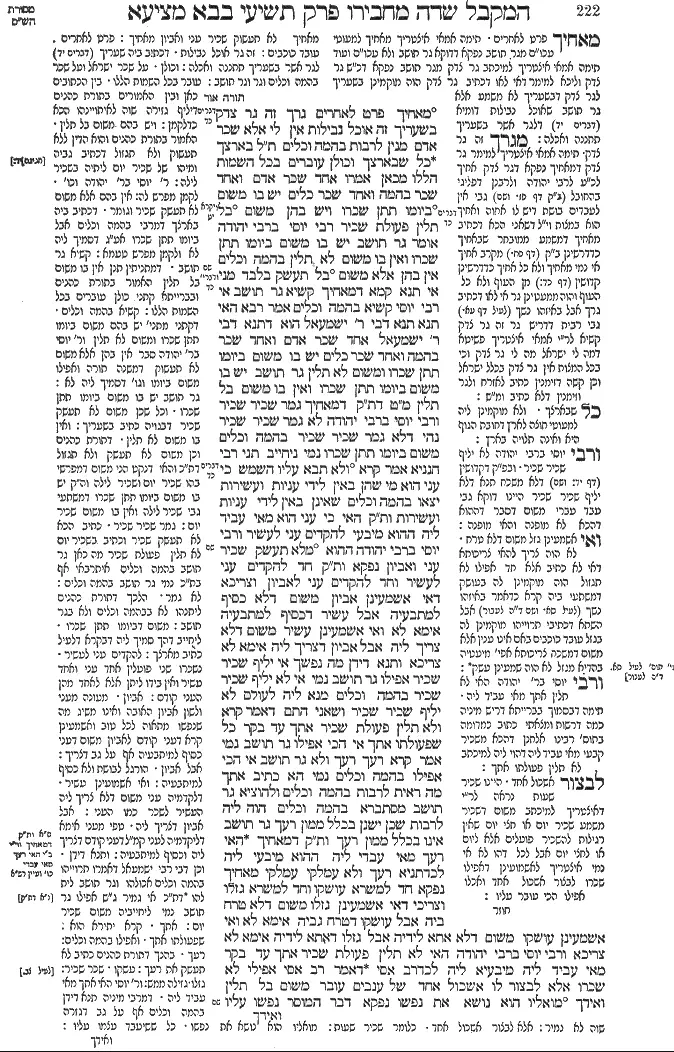
מאחיך פרט לאחרים גרך זה גר צדק בשעריך זה אוכל נבילות אין לי אלא שכר אדם מנין לרבות בהמה וכלים ת"ל בארצך כל שבארצך וכולן עוברים בכל השמות הללו מכאן אמרו אחד שכר אדם ואחד שכר בהמה ואחד שכר כלים יש בו משום ביומו תתן שכרו ויש בהן משום בל תלין פעולת שכיר רבי יוסי ברבי יהודה אומר גר תושב יש בו משום ביומו תתן שכרו ואין בו משום לא תלין בהמה וכלים אין בהן אלא משום בל תעשק בלבד מני אי תנא קמא דמאחיך קשיא גר תושב אי רבי יוסי קשיא בהמה וכלים אמר רבא האי תנא תנא דבי ר' ישמעאל הוא דתנא דבי ר' ישמעאל אחד שכר אדם ואחד שכר בהמה ואחד שכר כלים יש בו משום ביומו תתן שכרו ומשום לא תלין גר תושב יש בו משום ביומו תתן שכרו ואין בו משום בל תלין מ"ט דת"ק דמאחיך גמר שכיר שכיר ורבי יוסי ברבי יהודה לא גמר שכיר שכיר נהי דלא גמר שכיר שכיר בהמה וכלים משום ביומו תתן שכרו נמי ניחייב תני רבי חנניא אמר קרא ולא תבא עליו השמש כי עני הוא מי שהן באין לידי עניות ועשירות יצאו בהמה וכלים שאינן באין לידי עניות ועשירות ות"ק האי כי עני הוא מאי עביד ליה ההוא מיבעי להקדים עני לעשיר ורבי יוסי ברבי יהודה ההוא מלא תעשק שכיר עני ואביון נפקא ות"ק חד להקדים עני לעשיר וחד להקדים עני לאביון וצריכא דאי אשמעינן אביון משום דלא כסיף למתבעיה אבל עשיר דכסיף למתבעיה אימא לא ואי אשמעינן עשיר משום דלא צריך ליה אבל אביון דצריך ליה אימא לא צריכא ותנא דידן מה נפשך אי יליף שכיר שכיר אפילו גר תושב נמי אי לא יליף שכיר שכיר בהמה וכלים מנא ליה לעולם לא יליף שכיר שכיר ושאני התם דאמר קרא ולא תלין פעולת שכיר אתך עד בקר כל שפעולתו אתך אי הכי אפילו גר תושב נמי אמר קרא רעך רעך ולא גר תושב אי הכי אפילו בהמה וכלים נמי הא כתיב אתך מה ראית לרבות בהמה וכלים ולהוציא גר תושב מסתברא בהמה וכלים הוה ליה לרבות שכן ישנן בכלל ממון רעך גר תושב אינו בכלל ממון רעך ות"ק דמאחיך האי רעך מאי עבדי ליה ההוא מיבעי ליה לכדתניא רעך ולא עמלקי עמלקי מאחיך נפקא חד למשרא עושקו וחד למשרא גזלו וצריכי דאי אשמעינן גזלו משום דלא טרח ביה אבל עושקו דטרח גביה אימא לא ואי אשמעינן עושקו משום דלא אתא לידיה אבל גזלו דאתא לידיה אימא לא צריכא ורבי יוסי ברבי יהודה האי לא תלין פעולת שכיר אתך עד בקר מאי עביד ליה מיבעיא ליה לכדרב אסי דאמר רב אסי אפילו לא שכרו אלא לבצור לו אשכול אחד של ענבים עובר משום בל תלין ואידך מואליו הוא נושא את נפשו נפקא דבר המוסר נפשו עליו
Comments from Rashi on Masechet Bava Metzia Page 111b
מאחיך . לא תעשוק שכיר עני ואביון מאחיך: פרט לאחרים . עובד כוכבים: זה גר אוכל נבילות . דכתיב ביה שעריך (דברים יד) לגר אשר בשעריך תתננה ואכלה: וכולן . על שכר ישראל ועל שכר בהמה וכלים וגר וגר תושב: עובר בכל השמות הללו . בין הכתובים כאן ובין האמורים בתורת כהנים דיליף גזירה שוה לאיתויינהו הכא כדלקמן: ויש בהם משום בל תלין . האמור בתורת כהנים והוא הדין ללא תעשוק ולא תגזול דכתיב גביה ומיהו של שכיר יום ליתיה בשכיר לילה: ר' יוסי בר' יהודה וכו' . לקמן מפרש לה: אין בהם אלא משום לא תעשוק שכיר וגומר . דכתיב ביה בארצך דמרבי בהמה וכלים אבל ביומו תתן שכרו אע"ג דסמיך ליה לא ולקמן מפרש טעמא: קשיא גר תושב . דמתניתין תנן אין בו משום בל תלין האמור בתורת כהנים ובברייתא קתני כולן עוברים בכל השמות הללו: קשיא בהמה וכלים . דקתני מתני' יש בהם משום ביומו תתן שכרו ומשום לא תלין ור' יוסי בר' יהודה סבר אין בהן אלא משום לא תעשוק דמשנה תורה ואפילו משום ביומו וגו' דסמיך ליה לא: גר תושב יש בו משום ביומו תתן שכרו . וכל שכן משום לא תעשוק שכיר דבגויה כתיב בשעריך: ואין בו משום לא תלין . דתורת כהנים וכן משום לא תעשוק ולא תגזול דת"כ והאי דנקט הני משום דמפרשי בהו שכיר יום ושכיר לילה וה"ק יש בו משום ביומו תתן שכרו דמשתעי גבי שכיר לילה ואין בו משום שכיר יום: גמר שכיר שכיר . כתיב הכא לא תעשוק שכיר וכתיב בשכיר יום לא תלין פעולת שכיר מה כאן גר תושב בהמה וכלים איתרבאי אף בת"כ נמי גר תושב בהמה וכלים: לא גמר . הלכך דתורת כהנים ליתנהו לא בבהמה וכלים ולא בגר תושב: משום דביומו תתן שכרו . ליחייב דהך סמיך ליה דבקרא דלעיל כתיב מארצך: להקדים עני לעשיר . נשכרו שני פועלין אחד עני ואחד עשיר ואין בידו ליתן אלא לאחד מהן העני קודם: אביון . מעונה מעני ולשון אביון האובה ואינו משיג מה שנפשו מתאוה לכל טוב ואשמעינן קרא דעני קודם לאביון משום דעני כסיף למיתבעיה אף על גב דצריך: ואי אשמועינן עשיר . דלקדמיה עני משום דלא צריך ליה העשיר לשכר כמו העני: אבל אביון . הורגל לבושת ולא כסיף למיתבעיה: אבל אביון דצריך ליה . טפי מעני אימא דליקדמיה לעני קמ"ל דעני קודם דצריך ליה וכסיף למיתבעיה: ותנא דידן . וכן דבי רבי ישמעאל דאמרו תרוייהו בהמה וכלים אכולהו וגר תושב לית להו דת"כ אי גמיר ג"ש אפילו גר תושב נמי ליחייביה משום שכיר יום: אתך . קרא יתירא הוא: שפעולתו אתך . ואפילו בהמה וכלים: רעך . בהנך דתורת כהנים כתיב לא תעשק את רעך: עשקו . שכר שכיר: גזלו . גזילה ממש: ור' יוסי האי אתך מאי עביד ליה . דמרבי מיניה תנא דידן בהמה וכלים אף על גב דגזרה שוה לא גמיר: אלא לבצור אשכול אחד . כלומר שכיר שעות: מואליו הוא נושא את נפשו . כל ששיעבד עצמו עליו:
Comments from Tosafot - Bava Metzia 111b
מאחיך פרט לאחרים . תימה אמאי איצטריך מאחיך למעוטי עכו"ם מגר תושב נפקא דדוקא גר תושב ולא עכו"ם ועוד תימה אמאי איצטריך למיכתב גר צדק מגר תושב נפקא דכ"ש גר צדק וליכא למימר דאי לאו דכתיב גר צדק הוה מוקמינן בשעריך לגר צדק דבשעריך לא משמע אלא גר תושב שאוכל נבילות דומיא (דברים יד) דלגר אשר בשעריך תתננה ואכלה: מגרך זה גר צדק . תימה אמאי איצטריך למימר גר צדק דמאחיך נפקא דגר צדק אחיך לכ"ע לרבי יהודה ולרבנן דפליגי בהחובל (ב"ק דף פז. ושם) גבי אין לעבדים בושת דיש לו אחוה ואחיך הוא במצות וי"ל דשאני הכא דכתיב מאחיך דמשמע ממובחר שבאחיך כדדרשינן ב"ק (דף פח.) מקרב אחיך אי נמי מאחיך ולא כל אחיך כדדרשינן קדושין (דף כד:) מן העוף ולא כל העוף והוה ממעטינן גר אי לאו דכתיב גרך אבל באיזהו נשך (לעיל בבא מציעא דף עא.) גבי רבית דדריש גר זה גר צדק קשיא לר"י אמאי איצטריך פשיטא דמה לי ישראל מה לי גר צדק וכי בכל המצות אין גר צדק בכלל ישראל וכן קשה דזימנין כתיב לאזרח ולגר וזימנין דלא כתיב ומ"ש: כל שבארצך . ולא מוקמינן ליה למעוטי חוצה לארץ דחובת הגוף היא ואינה תלויה בארץ: ורבי יוסי ברבי יהודה לא יליף שכיר שכיר . ובפ"ק דקדושין (דף יד: ושם) דלא משכח תנא דלא יליף שכיר שכיר היינו דוקא גבי עבד עברי משום דסבר דההוא דהכא לא מופנה והאי מופנה: ואי אשמעינן גזל משום דלא טרח . לא הוה צריך להאי צריכותא דאי לא כתיב אלא חד אפילו לא תגזול הוה מוקמינן לה בעושק דמשתעי ביה קרא כדאמר באיזהו נשך (לעיל בבא מציעא סא. ושם ד"ה לעבור) אבל השתא דכתיבי תרוייהו מוקמינן לה בגזל עובד כוכבים באם אינו ענין אלא משום דמשכח צריכותא אפי' מיעטיה בהדיא מגזל לא הוה שמעינן עשק : ורבי יוסי בר' יהודה האי לא תלין אתך מאי עביד ליה . תימה דבסמוך בברייתא דריש מיניה כמה דרשות ומצאתי כתוב כמדומה בתוס' רבינו אלחנן דהכא משכיר קבעי מאי עביד ליה דהוי ליה למיכתב לא תלין פעולתו אתך: לבצור אשכול אחד . היינו שכיר שעות נראה לר"י דאיצטריך למיכתב משום דשכיר משמע שכיר יום או חצי יום שאין רגילות להשכיר פועלים אלא ליום או לחצי יום אבל לכל דהו לא אי נמי איצטריך לאשמועינן דאפילו שכרו לבצור אשכול אחד ואכלו אפילו הכי עובר עליו:
Bava Metzia 111b - Mishnah translated into english
The verse states: “You shall not oppress a hired laborer who is poor and needy, whether he be from your brothers or from your stranger that is in your land within your gates” (Deuteronomy 24:14), which is interpreted as follows: The term “from your brothers” serves to exclude others, i.e., gentiles, who are not your brothers. As for the term “your stranger,” this is referring to a righteous convert. As for the term “within your gates,” this is referring to a ger toshav who lives in Eretz Yisrael and eats unslaughtered animal carcasses because he has not accepted Judaism upon himself.
I have derived only that the prohibitions of delaying wages apply to the hire of people. From where do I know to include payment for the rental of animals and utensils in the prohibition of delaying wages? The verse states: “In your land,” which includes all that is in your land. And in all of the above cases of delaying payment they transgress all of these prohibitions which apply to delaying payment.
From here the Sages stated: Whether referring to the hire of a person or the rental of an animal or the rental of utensils, all are subject to the prohibition of: “On the same day you shall give him his wages” (Deuteronomy 24:15), and they are likewise subject to the prohibition of delaying the payment of wages of a hired laborer (Leviticus 19:13). Rabbi Yosei, son of Rabbi Yehuda, says: One who hires a ger toshav is subject to the prohibition of: “On the same day you shall give him his wages,” but is not subject to the prohibition of delaying payment of wages, and the payment of rent of an animal or vessels is included only in the prohibition of: “Do not oppress” alone.
The Gemara returns to its initial question: In accordance with whose opinion is the mishna? If it is in accordance with the opinion of the first tanna of the baraita, who interprets the verse: “From your brothers,” the halakha of a ger toshav is difficult, as he equates a ger toshav with a Jew, unlike the mishna. If it is in accordance with the opinion of Rabbi Yosei, son of Rabbi Yehuda, the halakha of the rental payment of animals and vessels is difficult, as Rabbi Yosei maintains they are not included in any of the prohibitions except for: Do not oppress.
Rava said: This tanna of the mishna is a tanna from the school of Rabbi Yishmael, as the school of Rabbi Yishmael taught: Whether in the case of the hire of a person, the rental of an animal, or the rental of vessels, all of these payments are subject to the mitzva of: “On the same day you shall give him his wages,” and the prohibition of delaying payment of wages. A ger toshav is subject to the mitzva of: “On the same day you shall give him his wages,” but he is not subject to the prohibition of delaying payment of wages.
Until this point, the Gemara has discussed the source of the ruling of the first tanna. It now analyzes the reasons behind the different opinions. What is the reason of the first tanna of the baraita, who interprets the verse: “From your brothers”? He derives it by verbal analogy comparing the words: “You shall not oppress a hired laborer,” and the verse: “The wages of a hired laborer shall not remain with you all night until the morning.” Just as the former verse includes a Jew, a ger toshav, the rental of an animal, and the rental of utensils, so too, the latter verse includes all of the above. And Rabbi Yosei, son of Rabbi Yehuda, does not derive this verbal analogy of: “Hired laborer” and “hired laborer.”
The Gemara challenges: Although Rabbi Yosei, son of Rabbi Yehuda, does not derive the verbal analogy of the words: “Hired laborer” and “hired laborer,” one should still also be liable in the case of animals or vessels due to the injunction of: “On the same day you shall give him his wages.” From where does he derive that such items are not included in this prohibition? Rabbi Ḥananya teaches in a baraita that the verse states: “On his day you shall give him his wages, and the sun shall not set upon him, for he is poor” (Deuteronomy 24:15). This verse clearly is referring to one who can enter into a state of poverty and wealth, which excludes animals and vessels, which cannot enter into a state of poverty and wealth.
The Gemara asks: And with regard to the first tanna, who does not address this verse of: “For he is poor,” what does he do with it? The Gemara answers: That verse is necessary to give precedence to a poor person over a wealthy person if the employer does not have enough money to pay all his workers. And how does Rabbi Yosei, son of Rabbi Yehuda, derive that halakha? In his opinion that halakha is derived from: “You shall not oppress a hired laborer who is poor and needy” (Deuteronomy 24:14).
The Gemara asks: But if so, why does the first tanna require another verse? The Gemara explains: He maintains that one verse serves to give a poor person precedence over a wealthy person, while the other one serves to give a poor person precedence over a destitute person, i.e., a complete pauper who owns nothing.
The Gemara adds: And both verses are necessary, as had the Torah taught us only that a poor person comes before one who is destitute one could have said that this is because a destitute person is not ashamed to demand his money; he is so needy he is not embarrassed to ask for money. But with regard to a wealthy person, who is ashamed to demand his wages, one might say that a poor person does not receive precedence over him. And conversely, had the Torah taught us only that this halakha applies to a wealthy person one could have said that it is because he does not need his wages right away, but with regard to a destitute person, who does need it immediately, say that it does not apply. It was therefore necessary for both verses to be stated.
The Gemara asks: And with regard to the ruling of the tanna of our mishna, whichever way you look at it, it requires clarification. If he derives the verbal analogy of the words: “Hired laborer” and “hired laborer,” then even a ger toshav should be included. If he does not derive the verbal analogy of the words: “Hired laborer” and “hired laborer,” from where does he derive that this halakha applies to animals and vessels?
The Gemara answers: Actually, he does not derive the analogy of: “Hired laborer” and “hired laborer,” and there it is different, as the verse states: “The wages of [pe’ulat] a hired laborer shall not remain with you all night until the morning” (Leviticus 19:13). This verse is referring to any case where its work [pe’ulato] is with you, which includes animals and vessels. The Gemara asks: If so, then even a ger toshav should be included, as he too performs work for you. The Gemara responds: The initial section of the verse states: “Your neighbor,” which refers to your neighbor who is Jewish, and not a ger toshav, who is not called a neighbor.
The Gemara asks: If so, then even animals and utensils should not be included, as they too are not called: Your neighbor. The Gemara replies: It is written: “With you,” which includes all items that work with you. The Gemara asks: What did you see to decide to include animals and utensils, and to exclude a ger toshav? The Gemara answers: It stands to reason that he should include animals and utensils, as they are at least included in the category of your neighbor’s money, whereas a ger toshav is not included in your neighbor’s money.
The Gemara asks: And the first tanna of the baraita, who interprets: “From your brothers,” what does he do with this verse: “Your neighbor”? The Gemara explains: That verse is necessary for him for that which is taught in a baraita: “Your neighbor,” and not a gentile. The Gemara challenges: The exclusion of a gentile is derived from: “Your brothers,” and no additional verses are necessary for this purpose.
The Gemara answers: One verse serves to permit one who oppresses him, and the other one serves to permit stealing from him, and both are necessary. Because had the Torah taught us this halakha only with regard to stealing from him, one could have said that this is because the gentile did not toil for him, but one who oppresses him, where he has toiled for him, you might say that he is not permitted to oppress him. And conversely, had the Torah taught us only that the practice of he who oppresses him is permitted, it might have been said that this is because the money has not yet reached his hand, but with regard to stealing from him, when he takes money that has already reached his hand, say that this halakha does not apply. Therefore, both cases are necessary.
The Gemara asks: And what does Rabbi Yosei, son of Rabbi Yehuda, do with this verse: “The wages of a hired laborer shall not remain with you all night until the morning”? The Gemara answers: It is necessary for him for that which Rav Asi teaches, as Rav Asi says: Even if one hired the laborer to harvest only one cluster of grapes for him, one violates the prohibition of delaying payment of wages.
The Gemara asks: And from where does the other Sage, i.e., the first tanna, derive this halakha? The Gemara answers: He derives it from the phrase: “For he sets his soul upon it” (Deuteronomy 24:15). This indicates that one is liable for delaying the payment of wages due for any work; as a laborer obligates himself to perform the work, it is something for which he gives his soul.
Traduction : The William Davidson digital edition of the Koren Noé Talmud, with commentary by Rabbi Adin Even-Israel Steinsaltz.