 Talmud Bavli
The learning on the whole site is dedicated : L'ilui Nishmat Reuven ben Rivka SEBBAG
The learning on the whole site is dedicated : L'ilui Nishmat Margalit bat Ledicia
The learning on the whole site is dedicated : L'ilui Nishmat אסתר בת חיים
Bava Kamma 9b : Youtube
Daf TubeYoutube
2 video classes :
Bava Kamma Page 9b
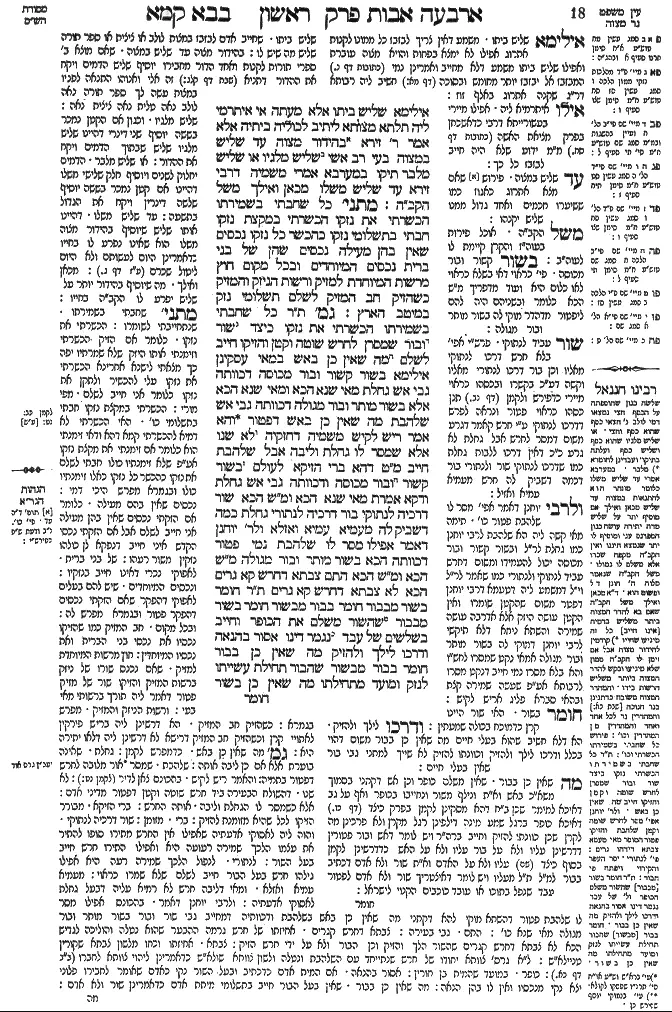
Bava Kamma 9b - Guemara
אילימא שליש ביתו אלא מעתה אי איתרמי ליה תלתא מצותא ליתיב לכוליה ביתיה אלא אמר ר' זירא בהידור מצוה עד שליש במצוה בעי רב אשי שליש מלגיו או שליש מלבר תיקו במערבא אמרי משמיה דרבי זירא עד שליש משלו מכאן ואילך משל הקב"ה מתני׳ כל שחבתי בשמירתו הכשרתי את נזקו הכשרתי במקצת נזקו חבתי בתשלומי נזקו כהכשר כל נזקו נכסים שאין בהן מעילה נכסים שהן של בני ברית נכסים המיוחדים ובכל מקום חוץ מרשות המיוחדת למזיק ורשות הניזק והמזיק כשהזיק חב המזיק לשלם תשלומי נזק במיטב הארץ גמ׳ ת"ר כל שחבתי בשמירתו הכשרתי את נזקו כיצד שור ובור שמסרן לחרש שוטה וקטן והזיקו חייב לשלם מה שאין כן באש במאי עסקינן אילימא בשור קשור ובור מכוסה דכוותה גבי אש גחלת מאי שנא הכא ומאי שנא הכא אלא בשור מותר ובור מגולה דכוותה גבי אש שלהבת מה שאין כן באש דפטור והא אמר ריש לקיש משמיה דחזקיה לא שנו אלא שמסר לו גחלת וליבה אבל שלהבת חייב מ"ט דהא ברי הזיקא לעולם בשור קשור ובור מכוסה ודכוותה גבי אש גחלת ודקא אמרת מאי שנא הכא ומ"ש הכא שור דרכיה לנתוקי בור דרכיה לנתורי גחלת כמה דשביק לה מעמיא עמיא ואזלא ולר' יוחנן דאמר אפילו מסר לו שלהבת נמי פטור דכוותה הכא בשור מותר ובור מגולה מ"ש הכא ומ"ש הכא התם צבתא דחרש קא גרים הכא לא צבתא דחרש קא גרים ת"ר חומר בשור מבבור חומר בבור מבשור חומר בשור מבבור שהשור משלם את הכופר וחייב בשלשים של עבד נגמר דינו אסור בהנאה ודרכו לילך ולהזיק מה שאין כן בבור חומר בבור מבשור שהבור תחילת עשייתו לנזק ומועד מתחילתו מה שאין כן בשור
Comments from Rashi on Masechet Bava Kamma Page 9b
שליש ביתו . שחייב אדם לבזבז במצות לולב או ציצית או ספר תורה שליש מה שיש לו: בהידור מצוה עד שליש במצוה . שאם מוצא ב' ספרי תורות לקנות ואחד הדור מחבירו יוסיף שליש הדמים ויקח את ההדור דתניא (שבת דף קלג:) זה אלי ואנוהו התנאה לפניו במצות עשה לך ספר תורה נאה לולב נאה טלית נאה ציצית נאה: שליש מלגיו . וכגון אם הקטן נמכר בששה יוסיף שני דינרי דהיינו שליש מלגיו שליש שבתוך הדמים ויקח את ההדור: או שליש מלבר . הדמים יחלוק לשנים ויוסיף חלק שלישי משלו דהיינו אם קטן נמכר בששה יוסיף שלשה דינרין ויקח את הגדול בתשעה: עד שליש משלו . דהיינו אותו שליש שיוסיף בהידור מצוה משלו הוא שאינו נפרע לו בחייו כדאמרינן היום לעשותם ולא היום ליטול שכרם (ע"ז דף ג.): מכאן ואילך . מה שיוסיף בהידור יותר על שליש יפרע לו הקב"ה בחייו: מתני' שחבתי בשמירתו . שנתחייבתי לשומרו: הכשרתי את נזקו . כלומר אם הזיק הכשרתי וזימנתי אותו היזק שלא שמרתיו יפה כך מצאתי לישנא אחרינא הכשרתי את נזקו עלי להכשיר ולתקן את נזקו כלומר אני חייב לשלם. מפי מורי: הכשרתי במקצת נזקו חבתי בתשלומי כו' . האי הכשרתי לא דמיא להכשרתי קמא דהא ודאי זימנתי הוא כלומר אם זימנתי את מקצת נזקו אע"פ שלא זימנתיו כולו חבתי לשלם את נזקו כהכשר כל נזקו כאלו זימנתיו כולו ובגמרא מפרש היכי דמי: נכסים שאין בהם מעילה . כלומר אם הזקתי נכסים שאין בהן מעילה אני חייב לשלם אבל אם הזקתי נכסי הקדש איני חייב דנפקא לן כולהו נזקין משור רעהו: של בני ברית . לאפוקי נכרי דאינו חייב בנזקיו: ונכסים המיוחדים . שיש להם בעלים לאפוקי דהפקר שאם הזקתי נכסים דהפקר פטור ובגמרא מפרש לה: ובכל מקום . חב המזיק כמו שהזיקו נכסיו את נכסי בני הברית ואת נכסיו המיוחדין: חוץ מרשות המיוחדת למזיק . שאם נכנס שורו של ניזק ברשות המזיק והזיקו שור של מזיק פטור דאמר ליה תורך ברשותי מאי בעי: ורשות הניזק והמזיק . מפרש בגמרא: כשהזיק חב המזיק . הא דרשינן ליה בריש פירקין לאתויי קרן וכשהזיק חב המזיק דרישא לא דרשינן ליה דלאו יתירה היא: גמ' מה שאין כן באש . כדמפרש לקמן: והאמר ריש לקיש . בהכונס צאן לדיר (לקמן בבא קמא נט:): לא שנו . דהשולח הבעירה ביד חרש שוטה וקטן דפטור מדיני אדם: אלא כשמסר לו הגחלת וליבה . אותה החרש: ברי הזיקא . מבורר הזיקו לכל שהיא מזומנת להזיק: ברי . מזומן: גחלת . שאינה בוערת אלא אם כן ליבה אותה: שור דרכיה לנתוקי . והוה ליה לאסוקי אדעתיה שאפילו אין החרש מתירו סופו להתיר את עצמו הלכך שמירה רעועה היא ואפילו התירו חרש חייב בעל השור: לנתורי . לנפול הלכך שמירה רעה היא אפילו גילהו חרש בעל הבור חייב לשלם שלא שמרו כראוי: מעמיא עמיא ואזלא . ומאי דליבה חרש לא רמיא עליה דבעל גחלת לאסוקי אדעתיה: ולרבי יוחנן דאמר . בהכונס אפילו מסר לו שלהבת פטור דהשתא מוקי להא דקתני מה שאין כן באש בשלהבת ודכוותיה דמחייב גבי שור ובור בשור מותר ובור מגולה מאי שנא כו': התם . גבי בעירה: צבתא דחרש קגרים . אחיזתו של חרש גרמה ההבער שהוא נטלה והוליכה לגדיש הכא לא צבתא דחרש קגרים שהשור הלך והזיק וכן הבור ולא על ידי חרש הזיק: צבתא . אחיזתו וכחו מלשון צבתא שקורין טניילא"ש: ל"א גרס' צוותא יחודו של חרש שנתייחד עם השלהבת ונטלה ולשון צוותא שולא"ש כדאמרינן ליהוי צוותא לחברו (ב"ב דף כא.): כופר . במועד שהמית בן חורין: אסור בהנאה . אם המית אדם כדכתיב ובעל השור נקי כאדם שאומר לחבירו פלוני יצא נקי מנכסיו ואין לו בהן הנאה: מה שאין כן בבור . שאין בעל הבור חייב בתשלומי מיתת אדם כדאמרינן שור ולא אדם:
Comments from Tosafot - Bava Kamma 9b
אילימא שליש ביתו . משמע דאין צריך לבזבז כל ממונו לקנות אתרוג אפילו לא ימצא בפחות והויא מצוה עוברת ואפילו שליש ביתו משמע דלא מחייב ואמרינן נמי (כתובות דף נ.) המבזבז אל יבזבז יותר מחומש ובסוכה (דף מא:) חשיב ליה רבותא דר"ג שקנה אתרוג באלף זוז: אילו איתרמיא ליה . אפילו מיירי בעשורייתא דרבי כדאשכחן בפרק מציאת האשה (כתובות דף סח.) מ"מ ידוע שלא היה חייב לבזבז כל כך: עד שליש במצוה . פירוש שאם מצא אתרוג כאגוז כמו ששיערו חכמים ואחד גדול ממנו שליש יקנהו: משל הקב"ה . אוכל פירות בעוה"ז והקרן קיימת לו לעוה"ב: בשור קשור ובור מכוסה . פי' כראוי דאי בשלא כראוי לאו כלום היא ועוד מדפריך מ"ש הכא כלומר ובשניהם היה להם ליפטור מדהדר מוקי לה בשור מותר ובור מגולה: שור עביד לנתוקי . פרש"י אפי' בלא חרש דרכו לנתוקי מאליו וכן בור דרכו לנתורי מאליו וקשה דע"כ בקשרו ובכסהו כראוי מיירי כדפירש ולקמן (בבא קמא דף נב.) תנן כסהו כראוי פטור ונראה לפרש דדרכו לנתוקי ע"י חרש קאמר דגרע משום דמסר לחרש אבל גחלת לא גרע כ"כ דאין דרכו ללבות גחלת כמו שדרכו לנתוקי שור ולנתורי בור דכמה דשביק לה חרש מעמיא עמיא ואזיל: ולרבי יוחנן דאמר אפי' מסר לו שלהבת פטור כו' . תימה מאי קשה ליה הא שלהבת לרבי יוחנן כמו גחלת לר"ל ובשור קשור ובור מכוסה יכול להעמידו ומשום דחרש עביד לנתוקי ולנתורי כמו שאמר לר"ל וי"ל דמשמע ליה דטעמא דרבי יוחנן דפטר משום שהקטן שומרו ואין הקטן עושה היזק אלא אדרבה עושה שמירה והשתא ניחא דלא תיקשי לרבי יוחנן דמוקי לה בשור מותר ובור מגולה אמאי נקט שמסרו לחש"ו והא בלא מסרו נמי חייב דנקט מסרו לרבותא אע"פ שעשה שמירה קצת ובהאי סברא פליג אריש לקיש: חומר בשור . האי שור היינו קרן כדמוכח בכולה שמעתין: ודרכו לילך ולהזיק . הא דלא חשיב שהוא בעלי חיים מה שאין כן בבור משום דהוי בכלל ודרכו לילך ולהזיק וכוונתו להזיק לא שייך למתני גבי בור שאין בעלי חיים: מה שאין כן בבור . שאין משלם כופר וכן אש דקתני בסמוך משא"כ באש וא"ת ונילף משור ונחייבו בכופר ואף על גב דאיכא למימר שכן ב"ח דהא מסקינן לקמן בפרק כיצד (בבא קמא דף כו.) דאיכא כופר ברגל שמע מינה דילפינן רגל מקרן ולא פרכינן מה לקרן שכן כוונתו להזיק וחייב ברה"ר ויש לומר דאש ובור פטורין דדרשינן עליו ולא על בור עליו ולא על האש כדדרשינן לקמן בסוף כיצד (שם) עליו ולא על האדם וא"ת שור ולא אדם דכתיב בבור למ"ל ת"ל מעליו ויש לומר דאיצטריך שור ולא אדם לפטור עבד שנפל בתוכו או עובד כוכבים הקנוי לישראל:
Bava Kamma 9b - Mishnah translated into english
If we say it means that one should spend up to one-third of his estate to perform a mitzva, but if that is so, and if it happened to him that he became obligated in three mitzvot at the same time, should he give his entire estate away in order to fulfill those mitzvot? One is certainly not required to do so.
Rather, what Rabbi Zeira said is that for the embellishment of the performance of a mitzva, e.g., to purchase a more beautiful item used in the performance of a mitzva, one should spend up to one-third more than the cost of the standard item used to perform the mitzva.
Rav Ashi raises a dilemma: How is this one-third calculated? Is it one-third from within, i.e., he calculates the cost of a standard item, adds one-third of that value, and spends the total on purchasing a more beautiful item; or is it one-third from without, i.e., one-third of the sum he ultimately spends should be the additional sum added in order to purchase a more beautiful item? The Gemara concludes: The dilemma shall stand unresolved.
In the West, Eretz Yisrael, they say in the name of Rabbi Zeira: Of the money one spends on purchasing a more beautiful item to perform a mitzva, up to one-third more than the cost of a standard item comes from his own finances, but from this point forward, any additional sum spent on purchasing a more beautiful item comes from the largesse of the Holy One, Blessed be He, i.e., God will reimburse him for spending that additional sum.
MISHNA: With regard to anything for which I became responsible for safeguarding it to prevent it from causing damage, if it in fact causes damage, it is considered as if I actively facilitated that damage, and accordingly I must pay for it. In any case in which I facilitated part of the damage it caused, I am liable for payments of restitution for damage it caused, as if I were the one who facilitated the entire damage it caused.
One is liable only with regard to damage caused to property for which, were he to use it for a non-sacred purpose, he would not be liable for the misuse of consecrated property; with regard to damage caused to property that belongs to members of the covenant, i.e., Jews; and with regard to assigned property, the meaning of which the Gemara will explain.
And one is liable for damage caused in any place except for a domain designated exclusively for the use of the one responsible for the damage.
And one is liable for damage caused in a domain designated for the joint use of the injured party and the one liable for the damage.
When an animal or item one is responsible to safeguard causes damage, the one liable for the damage caused by insufficiently safeguarding it is obligated to pay payments of restitution for damage with his best-quality land.
GEMARA: The Sages taught a baraita that elucidates the mishna’s ruling: With regard to anything for which I became responsible for safeguarding it to prevent it from causing damage, if it in fact causes damage, it is considered as if I actively facilitated that damage and accordingly must pay for it. How so? In the case of an ox or a pit that one transferred to the care of a deaf-mute, an imbecile, or a minor, whose presumed limited intellectual capacity means they are deemed incapable of sufficiently safeguarding them from causing damage, and the ox or pit caused damage, the halakha is that since the owner of the ox or pit did not fulfill his duty to safeguard them, he is liable to pay for the damage, which is not so in a corresponding case where the damage is caused by a fire.
The Gemara elucidates: With what are we dealing? If we say that the baraita deals with a tethered ox or a covered pit, which cannot cause damage in the manner in which the owner left them, then the case in the corresponding situation of fire, where he is not liable, is where one transferred an ember to one of limited halakhic competence, which, had it been left alone, would not have erupted into a fire and caused damage. This cannot be correct, because if so, what is different here in the case of an ox and a pit, where one is liable, and what is different there in the case of the fire, that exempts him from liability? There seems to be no reason to differentiate between them.
Rather, the baraita must be dealing with an untethered ox or an exposed pit, which can cause damage in the manner in which the owner left them. If so, then the case in the corresponding situation of fire, where he is not liable, is where one transferred a flame to one of limited halakhic competence, which can also cause damage in this form. The Gemara rejects this suggestion: But if so, why does the baraita state: Which is not so in the case of damage caused by a fire, as one is exempt from paying damages? But this is untenable, as didn’t Reish Lakish say in the name of Ḥizkiyya: They taught that one is exempt from damage caused by a fire only in a case where he transferred an ember to one of limited halakhic competence who then fanned it into a flame. But if he transferred a flame to him, the one who transferred the flame to him is liable for any damage caused. What is the reason? He is responsible because the capacity for it to cause damage is certain.
The Gemara returns to its initial suggestion: Actually, the ruling of the baraita is stated with regard to a tethered ox or a covered pit, and the case in the corresponding situation of fire, where he is not liable, is where one transferred an ember to one of limited halakhic competence. And with regard to that which you said in order to reject this: What is different here in the case of an ox and a pit that causes him to be liable and what is different there in the case of the fire, that exempts him from liability? Seemingly, in all these cases the item was not able to cause damage in its current form, so he is exempt from liability.
The Gemara explains: You could answer as follows: The typical manner of an ox is to free itself from being tethered and the typical manner of a pit is for its cover to become dislodged. Therefore, as it is negligent to transfer an ox or pit to someone who is incapable of sufficiently safeguarding them, the one who transferred the ox or flame to them is liable. By contrast, with regard to an ember, as long as he leaves it alone it progressively dims, and the only way in which it will cause damage is if someone else actively fans it into a flame; therefore, he is not liable.
The Gemara asks: And according to Rabbi Yoḥanan, who says: Even if the halakha is that if one transferred a flame to one of limited halakhic competence he is exempt, it is possible to say that the case in the corresponding situation here in the first clause of the baraita is stated with regard to an untethered ox or an exposed pit. The Gemara asks: But if so, what is different here in the case of an ox and a pit that causes him to be liable and what is different there in the case of the fire that exempts him from liability? Seemingly, in all these cases the item that was transferred is capable of causing damage in its current form, so he would be expected to be liable.
The Gemara explains: There, in the case of fire, ultimately the deaf-mute’s handling [tzevata] of the flame causes the damage, as if it were not for him moving the flame no damage would have been caused. Here, in the case of the ox and the pit, the deaf-mute’s handling of them does not cause the damage. Rather, the damage was caused even though they remained in exactly the same dangerous state in which the one who had transferred them to the deaf-mute did so. Therefore, the damage is a result of that person’s negligence, and he is liable.
§ The Sages taught: There is a stringency that applies to the category of Ox as opposed to the category of Pit, and conversely, there is a stringency that applies to Pit as opposed to Ox.
The baraita elucidates: The stringency that applies to Ox as opposed to Pit is that if the ox kills a Jew, the owner is liable to pay a ransom to the victim’s heirs. And for killing a slave the owner of the ox is liable to pay thirty sela to the slave’s master. Furthermore, in such a case, once the court hears the evidence and the verdict of the ox is complete and the court rules that the ox must be killed, it is prohibited to derive any benefit from the ox. And from then, it is considered that the typical manner of the ox is to proceed and cause damage. All of this is not so in the case of a pit that caused damage. And the stringency, i.e., the reason to be stringent, that applies to Pit as opposed to Ox is that with regard to the primary category of Pit, its initial formation, e.g., its digging, is done in a manner that can result in damage, and the one responsible for it is considered forewarned from its inception. This is not so with regard to Ox.
Traduction : The William Davidson digital edition of the Koren Noé Talmud, with commentary by Rabbi Adin Even-Israel Steinsaltz.