 Talmud Bavli
The learning on the whole site is dedicated : L'ilui Nishmat Ledicia bat David Banoun
The learning on the whole site is dedicated : L'ilui Nishmat Reuven ben Rivka SEBBAG
The learning on the whole site is dedicated : L'ilui Nishmat אסתר בת חיים
Bava Kamma 95a : Youtube
Daf TubeYoutube
2 video classes :
Bava Kamma Page 95a
Bava Kamma 95a - Guemara
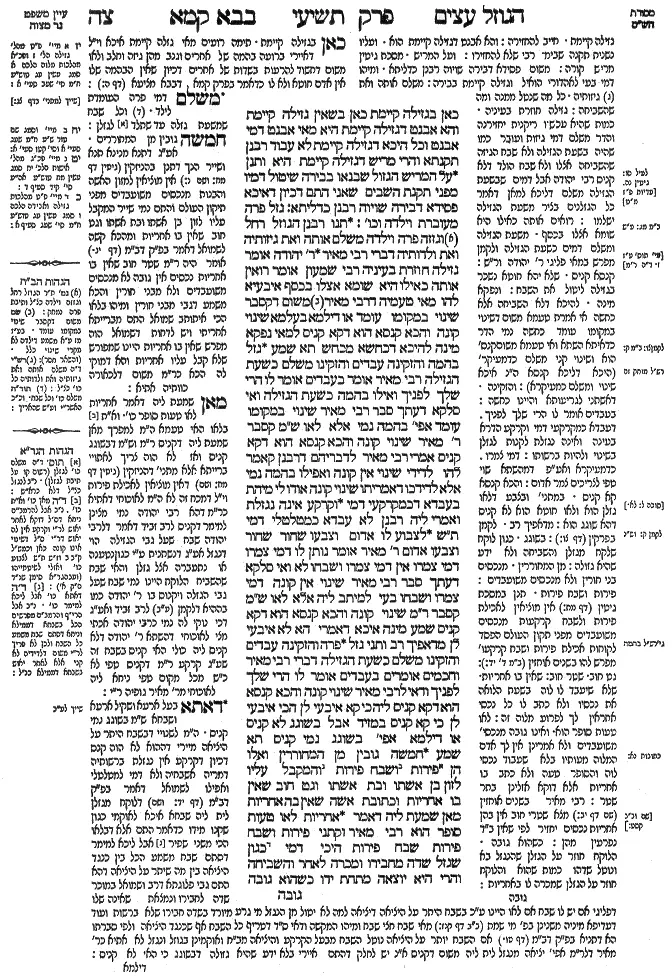
כאן בגזילה קיימת כאן בשאין גזילה קיימת והא אבנט דגזילה קיימת היא מאי אבנט דמי אבנט וכל היכא דגזילה קיימת לא עבוד רבנן תקנתא והרי מריש דגזילה קיימת היא ותנן על המריש הגזול שבנאו בבירה שיטול דמיו מפני תקנת השבים שאני התם דכיון דאיכא פסידא דבירה שויוה רבנן כדליתא:
גזל פרה מעוברת וילדה וכו':
תנו רבנן הגוזל רחל וגזזה פרה וילדה משלם אותה ואת גיזותיה ואת ולדותיה דברי רבי מאיר ר' יהודה אומר גזילה חוזרת בעיניה רבי שמעון אומר רואין אותה כאילו היא שומא אצלו בכסף איבעיא להו מאי טעמיה דרבי מאיר משום דקסבר שינוי במקומו עומד או דילמא בעלמא שינוי קונה והכא קנסא הוא דקא קניס למאי נפקא מינה להיכא דכחשא מכחש תא שמע גזל בהמה והזקינה עבדים והזקינו משלם כשעת הגזילה רבי מאיר אומר בעבדים אומר לו הרי שלך לפניך ואילו בהמה כשעת הגזילה ואי סלקא דעתך סבר רבי מאיר שינוי במקומו עומד אפי' בהמה נמי אלא לאו ש"מ קסבר ר' מאיר שינוי קונה והכא קנסא הוא דקא קניס אמרי רבי מאיר לדבריהם דרבנן קאמר להו לדידי שינוי אין קונה ואפילו בהמה נמי אלא לדידכו דאמריתו שינוי קונה אודו לי מיהת בעבדא דכמקרקעי דמי וקרקע אינה נגזלת ואמרי ליה רבנן לא עבדא כמטלטלי דמי ת"ש לצבוע לו אדום וצבעו שחור שחור וצבעו אדום ר' מאיר אומר נותן לו דמי צמרו דמי צמרו אין דמי צמרו ושבחו לא ואי סלקא דעתך סבר רבי מאיר שינוי אין קונה דמי צמרו ושבחו בעי למיתב ליה אלא לאו ש"מ קסבר ר"מ שינוי קונה והכא קנסא הוא דקא קניס שמע מינה איכא דאמרי הא לא איבעי לן מדאפיך רב ותני גזל פרה והזקינה עבדים והזקינו משלם כשעת הגזילה דברי רבי מאיר וחכמים אומרים בעבדים אומר לו הרי שלך לפניך ודאי לרבי מאיר שינוי קונה והכא קנסא הוא דקא קניס ליה כי קא איבעי לן הכי איבעי לן כי קא קניס במזיד אבל בשוגג לא קניס או דילמא אפי' בשוגג נמי קניס תא שמע חמשה גובין מן המחוררין ואלו הן פירות ושבח פירות והמקבל עליו לזון בן אשתו ובת אשתו וגט חוב שאין בו אחריות וכתובת אשה שאין בה אחריות מאן שמעת ליה דאמר אחריות לאו טעות סופר הוא רבי מאיר וקתני פירות ושבח פירות שבח פירות היכי דמי כגון שגזל שדה מחבירו ומכרה לאחר והשביחה והרי היא יוצאה מתחת ידו כשהוא גובה
Comments from Rashi on Masechet Bava Kamma Page 95a
גזילה קיימת . חייב להחזירה: והא אבנט דגזילה קיימת הוא . ועליו נשנית תקנה שבימי רבי שלא להחזירו: ועל המריש . מסכת גיטין מריש קורה: משום פסידא דבירה שויוה רבנן כדליתא . ומיהו דמי בעי לאהדורי הואיל וגזילה קיימת בבירה: משלם אותה ואת גיזותיה . כל מה שנטל ממנה ומה שהשביחה: גזילה חוזרת בעיניה . כמות שהיא עכשיו ריקנית יחזירנה והדר משלם דמי גיזות ועובר כמו שהיה בשעת הגזילה ולא שבח הגיזה שהשביחה אצלו ולא שבח הולד דלא קניס רבי יהודה אבל דמים שבשעת הגזילה משלם דליכא למאן דאמר כל הגזלנים בציר משעת הגזילה ישלמו: רואים אותה כאילו היא שומא אצלו בכסף . משעת הגזילה ומשלם דמים כשעת הגזילה ולקמן מפרש במאי פליגי ר' יהודה ור"ש: קנסא קניס . שלא יהא חוטא נשכר בגזילה ליטול את השבח: ונפקא מינה . להיכא דלא השביחה אלא כחשה אי אמרת טעמא משום דשינוי במקומו עומד כחשה נמי הדר כדאיתא השתא ואי טעמא משום קנס' הוא ושינוי קני משלם כדמעיקר' (היכא דליכא קנסא ה"נ איכא שינוי ומשלם כמעיקרא): והזקינה . דאשתני לגריעותא והיינו כחשה: בעבדים אומר לו הרי שלך לפניך . דעבדא כמקרקעי דמי וקרקע הדרא בעינה ואינה נגזלת לקנות לגזלן בשינוי ולהיות ברשותו: דמי צמרו . כדמעיקרא ואע"פ דמהשתא שוי טפי לצריכים צמר אדום: והכא קנסא קא קניס . במתני' ובצבע דלאו גזלן הוא ולאו חוטא הוא לא קניס דהא שוגג הוא: מדאפיך רב . לקמן בפרקין (בבא קמא דף צו:): בשוגג . כגון לוקח שלקח מגזלן והשביחה ולא ידע שהיא גזולה: מן המחוררין . מנכסים בני חורין ולא מנכסים משועבדים: פירות ושבח פירות . תנן במסכת גיטין (דף מח:) אין מוציאין לאכילת פירות ולשבח קרקעות מנכסים משועבדים מפני תקון העולם הפסד לקוחות אכילת פירות ושבח קרקעו' מפרש להו בשנים אוחזין (ב"מ ד' יד:): גט חוב . שטר חוב: שאין בו אחריות . שלא שיעבד לו לוה בשעת הלואה את נכסיו ולא כתב לו כל נכסי אחראין לך לפרוע מלוה זה: לאו טעות סופר הוא . ואינו גובה מנכסי' משועבדים ולא אמרינן אין לך אדם המלוה מעותיו בלא שעבוד נכסי לוה והסופר טעה ולא כתב בו אחריות אלא דוקא אזלינן בתר שטר: רבי מאיר . בשנים אוחזין (שם דף יב:) מצא שטרי חוב אין בהן אחריות נכסים יחזיר לפי שאין ב"ד נפרעין מהן: כשהוא גובה . הלוקח חוזר על הגזלן שהנגזל בא ונוטל שדהו כמות שהוא והלוקח חוזר על הגזלן שמכרה לו באחריות:
Comments from Tosafot - Bava Kamma 95a
כאן בגזילה קיימת . תימה רועים מאי גזלה קיימת איכא וי"ל דאיירי ברועה בהמה של אחרים וגנב מהן גיזה וחלב ולאו משום דחשוד להרעות בשדות של אחרים דכיון שאין הבהמה שלו אין אדם חוטא ולא לו כדאמר בפרק קמא דבבא מציעא (דף ה:): חמשה גובין מן המחוררים . אע"ג דתנא מנינא תנא ושייר הנך דתנן בהניזקין (גיטין דף מח: ושם נ:) אין מוציאין למזון האשה והבנות מנכסים משועבדים מפני תיקון העולם והתם נמי שייר המקבל עליו לזון בן אשתו ובת אשתו וגט חוב שאין בו אחריות ומהכא קשה לשמואל דאמר בפ"ק דב"מ (דף יג.) אומר היה ר"מ שטר חוב שאין בו אחריות נכסים אין גובה לא מנכסים משועבדים ולא מבני חורין והכא משמע דגבי מבני חורין ומיהו בלאו הכי איתותב שמואל התם מברייתא אחריתי ויש לדחות דשמואל הוה מפרש שאין בו אחריות היינו שמפורש שלא קבל עליו אחריות והא דמוקי לה הכא כר"מ משום דלכאורה כוותיה אתיא: מאן שמעת ליה דאמר אחריות לאו טעות סופר כו' . וא"ת בלאו האי טעמא ה"מ למפרך מאן שמעת ליה דקניס ר"מ וש"מ דבשוגג קניס ואז לא הוה צריך לאתויי ברייתא אלא מתני' דהניזקין (גיטין דף מח: ושם) דאין מוציאין לאכילת פירות וי"ל דמכח זה לא ה"מ לאוכוחי דאתיא כר"מ דהא רבי יהודה נמי מצינן למימר דקניס לרב זביד דאמר דלרבי יהודה שבח שעל גבי הגזילה הוי דנגזל אע"ג דנשתנית ע"י כגון נטענה או נתעברה אצל גזלן והאי שבח שהשביח הלוקח היינו נמי שבח שעל גבי הגזלה ויקנוס בו ר' יהודה כמו בההיא דלקמן (בבא קמא צה ע"ב) לרב זביד ואע"ג דכי נוקי לה נמי כרבי יהודה אכתי מצי לאוכוחי דהשתא ר' יהודה דלא קניס ליה כולי האי קניס בשבח זה שע"ג קרקע ר"מ דקניס טפי לא כ"ש מכל מקום טפי ניחא ליה לאוכוחי מר' מאיר גופיה ר"י:
Bava Kamma 95a - Mishnah translated into english
Here, the baraita that rules that one may accept the stolen item is referring to a case where the stolen item still exists. There, the baraita that rules not to accept it even if the robber seeks only to fulfill his obligation to Heaven is referring to a case where the stolen item does not still exist. The Gemara asks: But the incident in which the robber’s wife told him that he would have to return even the belt, which was the impetus for instituting the ordinance for the penitents, was a case where the stolen item still exists, in which case the robber would be obligated to return it even after the ordinance was instituted. The Gemara answers: What is meant by: Even the belt? The value of the belt, but the actual belt was no longer in his possession.
The Gemara asks: And is it so that the Sages did not institute an ordinance for the penitent anywhere that the stolen item still exists? But there is the case of a beam, which is a stolen item that still exists, and we learned in a mishna (Gittin 55a): With regard to a stolen beam that the robber built into a building, the Sages instituted that the robbery victim should take its monetary value and not the actual beam because of the ordinance instituted for the penitent, i.e., so that the penitent not be required to destroy his house. This indicates that the ordinance instituted for the penitent is in effect even when the stolen item still exists. The Gemara answers: There it is different. Since in that case there is the loss of the entire building, the Sages treat the beam as though it were not in existence.
§ The mishna teaches: If one robbed another of a pregnant cow, and it then gave birth while in the robber’s possession, or if one robbed another of a ewe that was laden with wool and the robber then sheared it, he pays the owner the value of a cow that is ready to give birth, or the value of a ewe that is ready to be shorn. In connection with this, the Sages taught in a baraita: One who robs another of a ewe and sheared it, and similarly, one who robs another of a cow and it gave birth, must pay it and its sheared wool or it and its offspring; this is the statement of Rabbi Meir. Rabbi Yehuda says: A stolen item is returned as is. Rabbi Shimon says: A stolen item is viewed as though it had been monetarily appraised at the time of the robbery, and the robber pays only that amount.
The Gemara clarifies the different opinions in this baraita. A dilemma was raised before the Sages: What is the reasoning of Rabbi Meir, who holds that the robber returns the animal and its sheared wool or the animal and its offspring? Is it due to the fact that he holds that despite a change, the changed item remains in its place? Despite its changes, the animal always remained in the possession of the robbery victims, and consequently any increase in value belongs to them. Or, perhaps Rabbi Meir generally holds that one acquires an item due to a change in it, and therefore the wool or offspring should belong to the robber by right, but here it is a penalty that he imposes, which forces the robber to return items that are technically his.
The Gemara explains: In what case does the reasoning of Rabbi Meir make a practical difference? In a case where the stolen item was devalued since the time of the robbery. If Rabbi Meir’s reason is that despite a change, the changed item remains in its place, it is returned as is, even if its current value is less than what its value had been at the time of the robbery. But if he requires the robber to return the item itself because of a penalty, and by right the robber acquired the animal due to the change, then in this case, where the value decreased, the robber would be required to return what its value had been at the time of the robbery.
The Gemara attempts to find a solution to this question: Come and hear what was taught in the mishna (96b): If one robbed another of an animal and it aged while in his possession, consequently diminishing its value, or if one robbed another of slaves and they aged, he pays according to the value of the stolen item at the time of the robbery. Rabbi Meir says: With regard to slaves, the robber says to the owner: That which is yours is before you. The Gemara comments: But this indicates that with regard to an animal that aged while in the possession of the robber Rabbi Meir concedes to the first tanna, and he too holds that he pays according to what its value had been at the time of the robbery.
The Gemara continues: And if it enters your mind to say that Rabbi Meir holds that despite a change, the changed item remains in its place, then the animal should be returned as it is in the case of the animal that aged, as well. Rather, must one not conclude from the mishna that Rabbi Meir holds that one acquires an item due to a change in the item, but here, in the case of a stolen animal that subsequently was shorn or gave birth, the payment of wool or offspring is a penalty with which he penalizes the robber, so that the robber will not benefit from the increased value of the stolen item?
The Sages say in response: Rabbi Meir’s reasoning cannot be proven from the mishna, since it is possible to say that Rabbi Meir is speaking to the Rabbis in accordance with the Rabbis’ own statement. His statement should be understood as follows: According to my own opinion, one does not acquire an item due to a change in the item, and an animal that was stolen and then aged should be returned as it is now, as well. But according to you, who say that one acquires an item due to a change in it, agree with me in any event that with regard to a slave, he is returned as is. This is because his legal status is like that of real estate, and real estate cannot be stolen. And the Rabbis say to him in response: No, for the purpose of robbery, the legal status of a slave is like that of movable property.
The Gemara again attempts to find a solution to the question: Come and hear what was taught in the mishna (100b): If one gave wool to a dyer to dye it red for him and he dyed it black, or to dye it black and he dyed it red, Rabbi Meir says: The dyer gives the owner of the wool the value of his wool, since the dyer violated the owner’s wishes. It can be inferred from this mishna: The value of his wool, yes, he must give it; but the value of his wool and its enhancement, i.e., the amount by which the value of the wool increased because it was dyed, no, he need not give it. And if it enters your mind to say that Rabbi Meir holds that one does not acquire an item due to a change in the item, the dyer should be required to return the value of his wool and its enhancement to the owner, as it never left the owner’s possession.
Rather, isn’t it correct to conclude from the mishna that Rabbi Meir holds that one acquires an item due to a change in the item, but here, in the case of a stolen animal that was subsequently shorn or gave birth, the payment of wool or offspring is a penalty with which he penalizes the robber, so that the robber will not benefit from the increased value of the stolen item? The Gemara affirms this: Learn from the mishna that this is indeed the reasoning of Rabbi Meir.
There are those who say: This, i.e., Rabbi Meir’s reasoning, was never in question for us. Why not? From the fact that Rav reversed the opinions in the mishna on 96b and taught it as follows: If one robbed another of an animal and it aged, or if one robbed another of slaves and they aged, he pays according to what their value had been at the time of the robbery; this is the statement of Rabbi Meir. And the Rabbis say: With regard to slaves, the robber says to the owner: That which is yours is before you. Certainly, then, according to the opinion of Rabbi Meir, one acquires an item due to a change in the item, which is why the robber pays according to what its value had been at the time of the robbery. But here, in the case of the cow that gave birth or the ewe that was shorn, the payment of offspring or wool is a penalty with which he penalizes the robber.
The Gemara continues the alternative explanation. When we asked the question, this is how we asked it: When Rabbi Meir penalizes the robber, is it only for one who robbed intentionally, but if one took an item from its owner unintentionally, Rabbi Meir does not penalize the robber? Or perhaps he penalizes even one who took an item from its owner unintentionally.
The Gemara tries to resolve this question: Come and hear a proof from a baraita: Five types of monetary claims are collected only from unsold [meḥorarin] property, i.e., property that is still in possession of its owner and has not been sold in the meantime.
And these are they: Produce, and the enhanced value of produce. Even if one has the right to the produce of a particular property, or the gain accrued from that produce, he cannot claim this payment from liened property. The Gemara continues with the list of monetary claims collected from unsold property: And one who accepts upon himself at the time of his betrothal the obligation to provide sustenance for his wife’s son or his wife’s daughter from a previous marriage; and a promissory note that has no property guarantee, i.e., a document that does not explicitly state that all of the properties of the debtor will serve to guarantee payment of the debt; and similarly, a woman’s marriage contract that has no property guarantee.
The Gemara clarifies: Whom did you hear that says that omission of the guarantee of the sale from the document is not a scribal error? It is Rabbi Meir. There is a dispute between Rabbi Meir and the Rabbis with regard to a promissory note that does not contain a property guarantee. According to the Rabbis, it was omitted in error and is always considered as having been written in the document. Rabbi Meir holds that a promissory note that does not contain a property guarantee cannot be used to collect property that has been liened or sold; it can be used to collect only unsold property. This baraita is therefore in accordance with Rabbi Meir’s opinion. And the baraita teaches that produce and the enhanced value of produce are collected only from unsold property.
The Gemara clarifies: What are the circumstances in which he collects the enhanced value of produce? It is a case where one robbed another of a field, and then sold it to another, and the purchaser enhanced it, and it is now leaving the possession of the purchaser because the robbery victim has proved in court that this field is his. When the purchaser collects from the robber who sold him this field, in order to recoup what he had paid,
Traduction : The William Davidson digital edition of the Koren Noé Talmud, with commentary by Rabbi Adin Even-Israel Steinsaltz.