 Talmud Bavli
Bava Kamma 101a : Youtube
Daf TubeYoutube
2 video classes :
Bava Kamma Page 101a
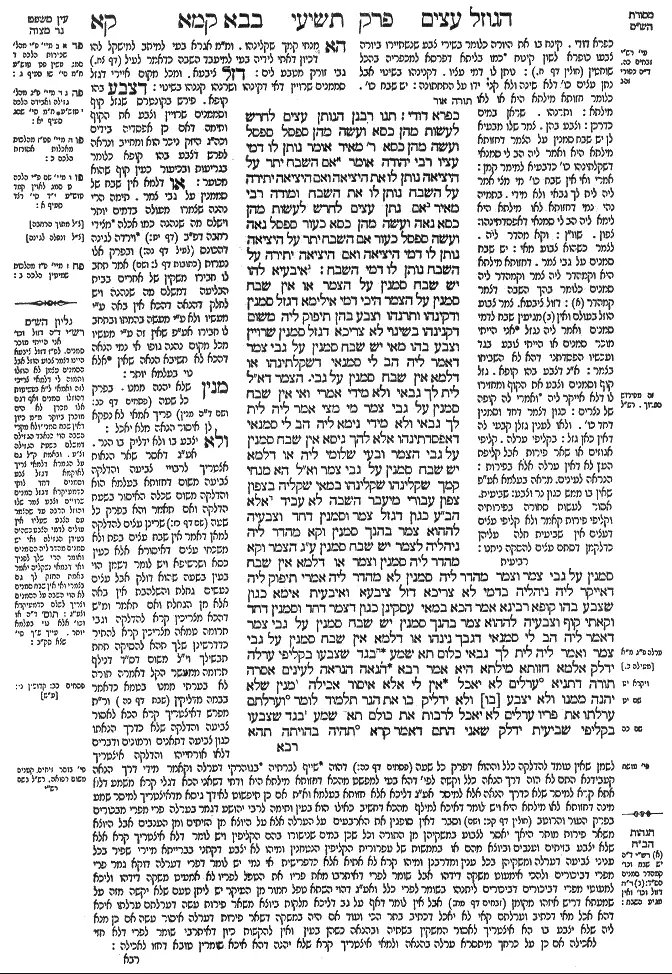
Bava Kamma 101a - Guemara
כפרא דודי:
תנו רבנן הנותן עצים לחרש לעשות מהן כסא ועשה מהן ספסל ספסל ועשה מהן כסא ר' מאיר אומר נותן לו דמי עציו רבי יהודה אומר אם השבח יתר על היציאה נותן לו את היציאה ואם היציאה יתירה על השבח נותן לו את השבח ומודה רבי מאיר אם נתן עצים לחרש לעשות מהן כסא נאה ועשה מהן כסא כעור ספסל נאה ועשה ספסל כעור אם השבח יתר על היציאה נותן לו דמי היציאה ואם היציאה. יתירה על השבח נותן לו דמי השבח:
איבעיא להו יש שבח סמנין על הצמר או אין שבח סמנין על הצמר היכי דמי אילימא דגזל סמנין ודקינהו ותרנהו וצבע בהן תיפוק ליה משום דקנינהו בשינוי לא צריכא דגזל סמנין שרויין וצבע בהו מאי יש שבח סמנין על גבי צמר דאמר ליה הב לי סמנאי דשקלתינהו או דלמא אין שבח סמנין על גבי הצמר דא"ל לית לך גבאי ולא מידי אמרי ואי אין שבח סמנין על גבי צמר מי מצי אמר ליה לית לך גבאי ולא מידי נימא ליה הב לי סמנאי דאפסדתינהו אלא להך גיסא אין שבח סמנין על גבי הצמר ובעי שלומי ליה או דלמא יש שבח סמנין על גבי צמר וא"ל הא מנחי קמך שקלינהו שקלינהו במאי שקליה בצפון צפון עבורי מיעבר השבה לא עביד אלא הב"ע כגון דגזל צמר וסמנין דחד וצבעיה לההוא צמר בהנך סמנין וקא מהדר ליה ניהליה לצמר יש שבח סמנין ע"ג הצמר וקא מהדר ליה סמנין וצמר או דלמא אין שבח סמנין על גבי צמר וצמר מהדר ליה סמנין לא מהדר ליה אמרי תיפוק ליה דאייקר ליה ניהליה בדמי לא צריכא דזל ציבעא ואיבעית אימא כגון שצבע בהו קופא רבינא אמר הכא במאי עסקינן כגון דצמר דחד וסמנין דחד וקאתי קוף וצבעיה לההוא צמר בהנך סמנין יש שבח סמנין על גבי צמר דאמר ליה הב לי סמנאי דגבך נינהו או דלמא אין שבח סמנין על גבי צמר ואמר ליה לית לך גבאי כלום תא שמע בגד שצבעו בקליפי ערלה ידלק אלמא חזותא מילתא היא אמר רבא הנאה הנראה לעינים אסרה תורה דתניא (ויקרא יט, כג) ערלים לא יאכל אין לי אלא איסור אכילה מנין שלא יהנה ממנו ולא יצבע [בו] ולא ידליק בו את הנר תלמוד לומר (ויקרא יט, כג) וערלתם ערלתו את פריו ערלים לא יאכל לרבות את כולם תא שמע בגד שצבעו בקליפי שביעית ידלק שאני התם דאמר קרא (ויקרא כה, ז) תהיה בהויתה תהא
Comments from Rashi on Masechet Bava Kamma Page 101a
כפרא דודי . קינח בו את היורה כלומר בשירי צבע שנשתיירו ביורה צבעו כופרא לשון קינוח כמו בליתא דפרסא למכפריה בהכל שוחטין (חולין דף ח.): נותן לו דמי עציו . דקנינהו בשינוי אבל נתן עצים כו' דלא שינה ולא קני ידו על התחתונה: יש שבח כו' . כלומר חזותא מילתא היא או לאו מילתא: ותרנהו . שראן במים כדרכן: וצבע בהן . צמר שלו מבעיא לן יש שבח סמנין על הצמר דחזותא מילתא היא ואמר ליה הב לי סמנאי דשקלתינהו כו' כדבעיא למימר קמן: אמרי ואי אין שבח כו' מי מצי אמר ליה לית לך גבאי ולא מידי . בתמיה נהי נמי דחזותא לאו מילתא היא לימא ליה הב לי סמנאי דאפסדתינהו: אמרי ואי אין שבח כו' מי מצי אמר ליה לית לך גבאי ולא מידי . בתמיה נהי נמי דחזותא לאו מילתא היא לימא ליה הב לי סמנאי דאפסדתינהו: צפון . שוו"ן: וקא מהדר ליה . לצמר כשהוא צבוע מאי: יש שבח סמנים על גבי צמר . דחזותא מילתא היא וקמהדר ליה צמר וקמהדר ליה סמנים כלומר בהך השבה דצמר קמהדר: א"נ דצבע בהו קופא . גזל קוף וסמנים וצבע את הקוף ומחזירו לו דלא אייקר ליה ואמרי לה קופה של נצרים: כגון דצמר דחד וסמנין דחד כו' . ולאו לענין גזלן קבעי לה דאין כאן גזל: בקליפי ערלה . קליפי אגוזים או שאר פירות אבל קליפת העץ לא דאין ערלה אלא בפירות: הנראה לעינים . מראה בעלמא אע"פ שאין בו ממש כגון נר וצבע: שביעית . אסור לעשות סחורה בפירותיה וקליפי פירות קאמר ולא קליפי עצים דעצים אין שביעית חלה עליהן כדלקמן דסתם עצים להסקה ניתנו:
Comments from Tosafot - Bava Kamma 101a
הא מנחי קמך שקלינהו. ומ"מ אגרא בעי למיתב למישקל להו דכיון דאתי לידיה בעי למיעבד השבה כדאמר לעיל (בבא קמא דף צח.) גבי זורק מטבע לים: דזל ציבעא ומכל מקום איירי דגזל . סממנים שרויין דאי דקינהו ושרנהו קננהו בשינוי: דצבע בהו קופא . פירש בקונטרס שגזל קוף וסממנים שרויין וצבע את הקוף ותימה דאם כן אפסדיה בידים וכה"ג היזק ניכר הוא ומחייב ונראה לפרש דצבע בהו קופא כלומר בגריעות ובכיעור כעין קוף שהוא מכוער: או דלמא אין שבח של סממנין על גבי צמר . תימה הרי נהנה שצמרו מעולה בדמים יותר וישלם מה שנהנה כמו אכלה. מצידי רחבה דפ"ב (דף יט:) וירדה לגינה דהכונס (לעיל בבא קמא דף נה:) ובפרק אלו נערות (כתובות דף ל: ושם) אמר תחב לו חבירו משקין של אחרים בבית הבליעה דמשלם מה שנהנה ויש לחלק דהנאה דהכא אין באה ע"י מעשיו ולא ע"י מעשה בהמתו ובתחב לו חבירו אע"פ שאין זה ע"י מעשיו מכל מקום נהנה גופו אי נמי הנאה דהכא לא חשיבא הנאה שאין אלא נוי בעלמא יותר: מנין שלא יהנה ממנו . בפרק כל שעה (פסחים דף כב: ושם ד"ה מנין) פריך אמאי לא נפקא לן איסור הנאה מלא יאכל: ולא יצבע בו ולא ידליק בו הנר . אע"ג דאסר שאר הנאות אצטריך לרבויי צביעה והדלקה צביעה משום דחזותא בעלמא הוא והדלקה משום שכלה האיסור בשעת הדלקה ואם תאמר והא בפרק כל שעה (שם דף כז:) שרינן עצים להדלקה למאן דאמר אין שבח עצים בפת ולא משכחי עצים דאיסורא אלא כעין כסא ושרשיפא ויש לומר דשמן הוי בעין בשעה שהוא דולק אבל עצים נעשים גחלת והשלהבת אין באה אלא מן הגחלת ואם תאמר ומ"ש דהכא מצריכין קרא להדלקה וגבי תרומה טמאה מצריכין קרא להתיר כדדרשינן שלך תהא להסיקה תחת תבשילך וי"ל משום דס"ד דנילף תרומה ממעשר הקל דאמרה תורה לא בערתי ממנו בטמא כדאמר בבמה מדליקין (שבת דף כה.) ור"ת מפרש דאיצטריך קרא הכא לאסור צביעה והדלקה שלא כדרך הנאתו כגון צביעה דתאנים ורמונים ודברים דלאו אורחייהו והדלקה איצטריך לשמן שאין עומד להדלקה כלל וההוא דפרק כל שעה (פסחים דף כה:) דהוה שייף לברתיה בגוהרקי דערלה וקאמר מידי דרך הנאה קעבידנא התם לא הוה דרך הנאה כלל וקשה לפי' דהא בעי למפשט מהכא דחזותא מילתא היא ודחי דשאני הכא דגלי קרא משמע דלא . אתא קרא למיסר שלא כדרך הנאה אלא למיסר אע"ג דליכא אלא חזותא בעלמא וא"ת אם כן תיפשוט לאידך גיסא מדאיצטריך למיסר שמע מינה דחזותא לאו מילתא היא ויש לומר דאיכא למילף מהכא דחשיב כאילו הוא בעין ותימה לרבי יהושע דגמר בערלה פרי מפרי מבכורים בפרק העור והרוטב (חולין דף קכ: ושם) וסבר דאין סופגין את הארבעים על הערלה אלא על היוצא מן הזיתים ומן הענבים אבל היוצא משאר פירות מותר היאך יאסר לצבוע במשקיהן מן התורה וכל שכן במים שנישורו בהם הקליפין ויש לומר דלא איצטריך קרא אלא שלא יצבע בזיתים וענבים וביוצא מהם או בממשות של עפרורית הקליפין הנטחנין ומיהו לא יצבע דקתני בברייתא מיירי שפיר בכל עניני צביעה דערלה ומשקיהן בכל ענין ומדרבנן ומיהו קרא לא אתיא אלא כדפרישית אי נמי יש לומר דפרי דערלה דוקא גמר פרי מפרי דביכורים ולהכי אימעוט משקה דידהו אבל שומר לפרי דאיתרבו מאת פריו את הטפל לפריו לא אמעיט משקה דידהו וליכא למעוטי מפרי דביכורים דביכורים ליתנהו בשומר לפרי כלל ואע"ג דהוי השתא טפל חמור מן העיקר יש ליתן טעם שלא יקשה מזה על שמעתא דריש איזהו מקומן (זבחים דף מח:) אבל אין לומר דאף על גב דליכא מלקות ביוצא משאר פירות עשה דערלתם ערלתו איכא דהא אכל מאי דכתיב וערלתם קאי לא יאכל דכתיב בתר הכי ועוד אם היה במשקה דשאר פירות דערלה איסור עשה אם כן מנא ליה שלא יצבע בו הא איצטריך לאסור המשקין בשתיה ובהנאה כשהן בעין ואין להקשות כיון דאיתרבי שומר לפרי דלא חזי לאכילה אם כן על כרחך מיתסרא ערלה בהנאה ולמאי איצטריך קרא שלא יהנה דהא איכא שומרין טובא דחזו לאכילה:
Bava Kamma 101a - Mishnah translated into english
The sediments of dye in the cauldrons, that is, the dyer took the dye remaining in the cauldron from previous use, and used that dye for this garment, leading to an inferior result.
§ The Sages taught (Tosefta 10:8): With regard to one who gives wood to a carpenter to fashion a chair from it and he fashioned a bench from it instead, or one who gives him wood to fashion a bench and he fashioned a chair from it instead, Rabbi Meir says: The carpenter gives him the value of his wood and keeps the chair or bench, as he has acquired it due to the change. Rabbi Yehuda says: He does not acquire the item. Rather, if the value of the wood’s enhancement exceeds the carpenter’s expenses the owner gives the carpenter the expenses, and if the expenses exceed the enhancement of the wood he gives him the value of the enhancement. Since the carpenter deviated from the customer’s order, he is entitled to either his expenses or the enhancement, the smaller amount of the two.
The baraita continues: And Rabbi Meir concedes that if he gave wood to a carpenter to fashion a beautiful chair from it and he fashioned an ugly chair from it, or to fashion a beautiful bench from it and he fashioned an ugly bench from it, then if the value of the wood’s enhancement exceeds the carpenter’s expenses the owner gives the carpenter the value of the expenses, and if the expenses exceed the enhancement he gives him the value of the enhancement. Since the carpenter did not deviate significantly from the customer’s instructions, Rabbi Meir concedes that the carpenter does not acquire the item due to the change.
§ In connection with the discussion of the halakhic implications of the enhancement of a garment quoted above, the Gemara records that a dilemma was raised before the Sages: What is the halakha? That the enhancement which dye provides to the wool is substantive, i.e., the dye is considered a separate entity from the wool it dyed? Or is the halakha that the enhancement which dye provides to the wool is not substantive, i.e., the dye does not remain an independent entity, and it is viewed as if there is only colored wool?
The Gemara asks: What are the circumstances in which this dilemma is relevant? If we say that the dilemma arises where one robbed another of pigments, and ground them up and soaked them in water, converting them into dye, and then dyed wool with them, then the dilemma would be concerning how the robber returns the pigments. In this case, derive the halakha due to the fact that the robber acquired the pigments due to a change of form, which occurred when he ground the pigments, and in any event will be obligated to return the value of the pigments at the time of the robbery.
The Gemara answers: No, it is necessary to resolve the dilemma in a case where one robbed another of pigments that had already been soaked in water, and then dyed wool with them. What is the halakha here? Is the enhancement which dye provides to the wool substantive, i.e., a separate entity, so that the owner can say to the robber: Give me my dyes that you took? Or perhaps the enhancement which dye provides to the wool is not substantive, but becomes one with the wool, so that the robber can say to the owner: I have nothing at all of yours, since the dyes are no longer considered extant.
The Gemara rejects this understanding of the application of the dilemma. The Sages say: And even if the enhancement which dye provides to the wool is not substantive, can the robber really say to him: I have nothing at all of yours? Let the owner say to him: Give me my dyes that you have caused to be lost. Even if the dyes are no longer considered extant, the owner is still entitled to monetary compensation for the robbery.
Rather, the dilemma is relevant to that other side of the question: Is the halakha that the enhancement which dye provides to the wool is not substantive, and therefore the robber needs to pay him? Or perhaps the enhancement which dye provides to the wool is substantive, and the robber can say to him: The dyes absorbed into the wool lie before you; take them. The Gemara rejects this as well: Take them? With what should he take the dyes, with soap? While soap does remove dye from the wool, it does not return the dye to the robbery victim, as the dye cannot be recovered.
The Gemara suggests another scenario: Rather, with what are we dealing here? We are dealing with a case where he robbed one person of wool and dyes, and dyed that wool with those dyes, and he is returning the dyed wool to him. The dilemma is: Is the halakha that enhancement which dye provides to the wool is substantive, and he is therefore returning both the dye and the wool to him? Or perhaps enhancement which dye provides to the wool is not substantive, and it is only the wool that he is returning to him, but he is not returning the dye to him, since it is no longer extant.
The Gemara rejects this understanding of the application of the dilemma as well. The Sages say: Derive the halakha in this case based on the fact that he increased the value of the wool for him, as dyed wool is more expensive than undyed wool. Consequently, even if the robber has not returned the dye, he reimburses the owner for it when he returns the appreciated wool. The Gemara suggests: No, it is necessary to resolve the dilemma in a case where the cost of the dye has depreciated. If the dye is viewed as an independent entity the robber is returning both the wool and the dye. If it is not, he must reimburse the robbery victim for the value of the dye at the time of the robbery. And if you wish, say instead: The dilemma is relevant in a case where he robbed another of dye and a basket, and dyed the basket with the dye, in which case the dye does not increase the value of the dyed item.
The Gemara presents an alternative understanding of the case where the dilemma applies. Ravina said: With what are we dealing here? We are dealing with a case where there was wool that belonged to one person and dyes that belonged to one other person, and a monkey came and dyed that wool with those dyes. The dilemma is as follows: Is the halakha that enhancement which dye provides to the wool is substantive, so that the owner of the dye can say to the owner of the wool: Give me my dyes that are with you? Or perhaps enhancement which dye provides to the wool is not substantive and the owner of the wool can say to the owner of the dye: There is nothing of yours with me, and he is exempt from liability because the dyes are no longer extant.
Having determined the scenario in which the dilemma is relevant, the Gemara proceeds to resolve the dilemma. Come and hear a solution from a mishna (Orla 3:1): A garment that one dyed with dye extracted from peels of orla, i.e., fruit that grows on a tree during its first three years, must be burned, as it is prohibited to derive benefit from orla. Apparently, the enhancement of an item’s appearance is considered a significant matter, and the dye therefore remains an independent substance even after having been absorbed by the wool.
The Gemara rejects this resolution. Rava said: The reason the garment must be burned is not because the dye remains an independent substance. Rather, it is because the Torah prohibited benefit that is visible to the eye, as it is taught in a baraita: The verse states: “And shall have planted all manner of trees for food, then you shall count the fruit thereof as forbidden; three years shall it be as forbidden [areilim] to you; it shall not be eaten” (Leviticus 19:23). From this verse I have derived only a prohibition against eating it; from where is it derived that one may not even derive benefit from it, and that one may not dye with dyes extracted from the fruit, and that one may not light a lamp with oil extracted from the fruit?
The baraita answers: The verse states: “Then you shall count the fruit thereof [orlato] as forbidden [araltem]. Three years shall it be as forbidden [areilim] to you; it shall not be eaten” (Leviticus 19:23), to include all these types of benefit in the prohibition. Consequently, there is an explicit derivation that an item dyed with orla dye is forbidden.
The Gemara attempts another resolution of the dilemma. Come and hear a resolution from that which was taught in a baraita: A garment that one dyed with dye extracted from the peels of produce from the Sabbatical Year must be burned when the time for the elimination of Sabbatical Year produce arrives. This indicates that the dye evidently remains an independent substance. The Gemara rejects this proof: It is different there, as the verse states: “Shall all the increase thereof be” (Leviticus 25:7), and the phrase: “Shall be,” teaches that it will always remain as it is, i.e., it retains its status as Sabbatical Year produce despite any change to its form.
Traduction : The William Davidson digital edition of the Koren Noé Talmud, with commentary by Rabbi Adin Even-Israel Steinsaltz.