 Talmud Bavli
Bava Kamma 111a : Youtube
Daf TubeYoutube
2 video classes :
Bava Kamma Page 111a
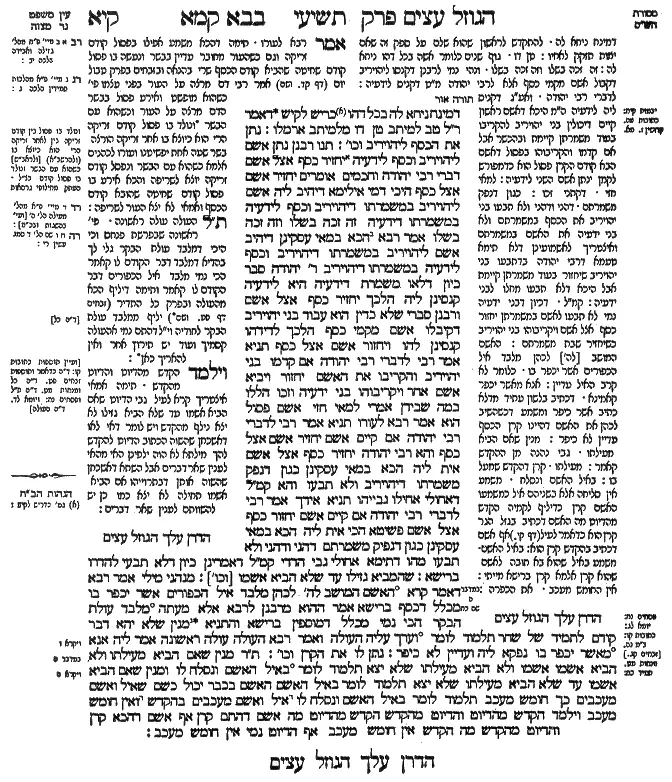
Bava Kamma 111a - Guemara
דמינח ניחא לה בכל דהו כריש לקיש דאמר ר"ל טב למיתב טן דו מלמיתב ארמלו:
נתן את הכסף ליהויריב וכו':
תנו רבנן נתן אשם ליהויריב וכסף לידעיה יחזיר כסף אצל אשם דברי רבי יהודה וחכמים אומרים יחזיר אשם אצל כסף היכי דמי אילימא דיהיב ליה אשם ליהויריב במשמרתו דיהויריב וכסף לידעיה במשמרתו דידעיה זה זכה בשלו וזה זכה בשלו אמר רבא הכא במאי עסקינן דיהיב אשם ליהויריב במשמרתו דיהויריב וכסף לידעיה במשמרתו דיהויריב ר' יהודה סבר כיון דלאו משמרת דידעיה היא לידעיה קנסינן ליה הלכך יחזיר כסף אצל אשם ורבנן סברי שלא כדין הוא עבוד בני יהויריב דקיבלו אשם מקמי כסף הלכך לדידהו קנסינן להו ויחזור אשם אצל כסף תניא אמר רבי לדברי רבי יהודה אם קדמו בני יהויריב והקריבו את האשם יחזור ויביא אשם אחר ויקריבוהו בני ידעיה וזכו הללו במה שבידן אמרי למאי חזי אשם פסול הוא אמר רבא לעורו תניא אמר רבי לדברי רבי יהודה אם קיים אשם יחזיר אשם אצל כסף והא רבי יהודה יחזיר כסף אצל אשם אית ליה הכא במאי עסקינן כגון דנפק משמרתו דיהויריב ולא תבעו והא קמ"ל דאחולי אחילו גבייהו תניא אידך אמר רבי לדברי רבי יהודה אם קיים אשם יחזור כסף אצל אשם פשיטא הכי אית ליה הכא במאי עסקינן כגון דנפיק משמרתם דהני ודהני ולא תבעו מהו דתימא אחולי גבי הדדי קמ"ל דאמרינן כיון דלא תבעי להדרו ברישא:
שהמביא גזילו עד שלא הביא אשמו [וכו']:
מנהני מילי אמר רבא דאמר קרא (במדבר ה, ח) האשם המושב לה' לכהן מלבד איל הכפורים אשר יכפר בו מכלל דכסף ברישא אמר ההוא מרבנן לרבא אלא מעתה (במדבר כח, כג) מלבד עולת הבקר הכי נמי מכלל דמוספין ברישא והתניא מנין שלא יהא דבר קודם לתמיד של שחר תלמוד לומר (ויקרא ו, ה) וערך עליה העולה ואמר רבא העולה עולה ראשונה אמר ליה אנא (במדבר ה, ח) מאשר יכפר בו נפקא ליה ועדיין לא כיפר:
נתן לו את הקרן וכו':
ת"ר מנין שאם הביא מעילתו ולא הביא אשמו אשמו ולא הביא מעילתו שלא יצא תלמוד לומר (ויקרא ה, טז) באיל האשם ונסלח לו ומנין שאם הביא אשמו עד שלא הביא מעילתו שלא יצא תלמוד לומר באיל האשם האשם בכבר יכול כשם שאיל ואשם מעכבים כך חומש מעכב תלמוד לומר באיל האשם ונסלח לו איל ואשם מעכבים בהקדש ואין חומש מעכב וילמד הקדש מהדיוט והדיוט מהקדש הקדש מהדיוט מה אשם דהתם קרן אף אשם דהכא קרן והדיוט מהקדש מה הקדש אין חומש מעכב אף הדיוט נמי אין חומש מעכב:
הדרן עלך הגוזל עצים
Comments from Rashi on Masechet Bava Kamma Page 111a
דמינח ניחא לה . להתקדש לראשון שהוא שלם על ספק זה שאם ימות תזקק לאחיו: טן דו . גוף שנים כלומר אשה בכל דהו ניחא לה: זה זכה בשלו וזה זכה בשלו . ונהי נמי לרבנן דקנסו ליהויריב דקבול אשם מקמי כסף אלא לרבי יהודה מ"ט דקניס לידעיה: לדברי רבי יהודה . ואע"ג דקניס ליה לידעיה ה"מ היכא דאשם ראשון קיים דיכולין בני יהויריב להקריבו בעוד משמרתן קיימת ובהכשר אבל אם קדמו והקריבוהו בפסול דאשם הבא קודם הקרן פסול הוא כדמפורש לקמן ינתן אשם השני לידעיה: למאי חזי . דקתני זכו: כגון דנפק משמרתם . דהני ודהני ולא תבעו בני יהויריב את הכסף במשמרתם ולא בני ידעיה את האשם במשמרתם ואיצטריך לאשמועינן דלא תימא טעמא דרבי יהודה בדתבעו בני יהויריב שיחזור בעוד משמרתן קיימת אבל היכא דלא תבעו מחלו לבני ידעיה: קמ"ל . דכיון דבני ידעיה נמי לא תבעו לאשם במשמרתן יחזור כסף אצל אשם ויקריבוהו בני יהויריב כשיחזיר שבת משמרתם: האשם המושב [לה'] לכהן מלבד איל הכפורים אשר יכפר בו . כלומר לא קרב האיל עדיין: אנא מאשר יכפר קאמינא . דכתיב בלשון עתיד מדלא כתיב אשר כיפר ומשמע דכשהשיב לכהן את האשם דהיינו קרן הכסף עדיין לא כיפר: מנין שאם הביא מעילתו . גבי נהנה מן ההקדש קאמר: מעילתו . קרן דהקדש שמעל בו: באיל האשם ונסלח . משמע אין סליחה אלא בשניהם איל כמשמעו האשם קרן כדיליף לקמיה הקדש מהדיוט מה האשם דכתיב בגזל הגר קרן הוא כדאמר לעיל (בבא קמא דף קי.) אף אשם דכתיב בהקדש קרן הוא: באיל האשם . משמע באיל שהוא בא חובה לאשם שהוא קרן אלמא קרן ברישא מייתי: אין החומש מעכב . את הכפרה:
Comments from Tosafot - Bava Kamma 111a
אמר רבא לעורו. תימה דהכא משמע אפילו בפסול קודם זריקה וגם כשהעור מחובר עדיין בבשר ונעשה בו פסול קודם שחיטה שהביא קודם הכסף שרי בהנאה ובזבחים בפרק טבול יום (דף קד. ושם) אמר רבי דם מרצה על העור בפני עצמו פי' כשהוא מופשט ואירע פסול בבשר הדם מרצה על העור וכשהוא עם הבשר ונולד בו פסול קודם זריקה הרי הוא כיוצא בו אחר זריקה הורצה בשר שעה אחת יפשיטנו ועורו לכהנים אלמא כשהוא עם הבשר ונפסל קודם זריקה יוצא לשריפה והכא אירע בו פסול קודם שחיטה שהובא קודם הכסף ואמאי לא יצא העור לשריפה: ת"ל העולה עולה ראשונה . פי' ראשונה שבפרשת פנחס וכי היכי דמלבד עולת הבקר גלי לך בהדיא דמלבד דבר הקודם לו קאמר הכי נמי מלבד איל הכפורים דבר הקודם לו קאמר ותימה דיליף הכא מהעולה ובפרק כל התדיר (זבחים דף פט. ושם.) יליף ממלבד עולת הבקר לחודיה וי"ל דהתם נמי אהעולה קסמיך ועוד יש תירוץ אחר ואין להאריך כאן: וילמד הקדש מהדיוט והדיוט מהקדש . תימה אמאי איצטריך קרא לעיל גבי הדיוט שאם הביא אשמו עד שלא הביא גזילו לא יצא נילף מהקדש ויש לומר דאי לאו דאשכחן שהשוה הכתוב הדיוט להקדש להך מילתא לא הוה ילפינן האי מהאי לענין שאר דברים אבל השתא דאשכחן שהשוה אותן דבתרוייהו אם הביא אשמו תחילה לא יצא כמו כן יש להשוותם לענין שאר דברים:
Bava Kamma 111a - Mishnah translated into english
that it is satisfactory for her to have any kind of marital arrangement, and even had she taken into consideration the possibility of entering a levirate bond with this yavam who is afflicted with boils she still would have accepted betrothal to her husband. This is in accordance with the statement of Reish Lakish, as Reish Lakish says that women have a saying: It is better to sit as two bodies [tan du], i.e., to be married, than to sit lonely like a widow.
§ The mishna teaches: If the robber gave the money to the priestly watch of Joiarib and then gave the guilt-offering to the priestly watch of Jedaiah, the following priestly watch, to sacrifice on his behalf, he has fulfilled his obligation. By contrast, if he first gave the guilt-offering to the priestly watch of Joiarib and then gave the money to the priestly watch of Jedaiah, if the guilt-offering is extant, then members of the priestly watch of Jedaiah, who received the money, should sacrifice it. The Gemara quotes a baraita that records a dispute between tanna’im concerning this case. The Sages taught (Tosefta 10:18): If the robber gave the guilt-offering to the priestly watch of Joiarib and then gave the money to the priestly watch of Jedaiah, they should return the money to be with the guilt-offering, i.e., with the priestly watch of Joiarib; this is the statement of Rabbi Yehuda. And the Rabbis say the opposite: They should return the guilt-offering to be with the money, and the priestly watch of Jedaiah will sacrifice it.
The Gemara asks: What are the circumstances of this dispute? If we say that he gave the guilt-offering to the priestly watch of Joiarib during the priestly watch of Joiarib and the money to the priestly watch of Jedaiah during the priestly watch of Jedaiah, then this one acquired that which belongs to it and that one acquired that which belongs to it. Why would the court remove what was given lawfully to the priestly watch?
Rava said: With what are we dealing here? We are dealing with a case where he gave the guilt-offering to the priestly watch of Joiarib during the priestly watch of Joiarib and the money to the priestly watch of Jedaiah also during the priestly watch of Joiarib, and the dispute is as follows: Rabbi Yehuda holds that since this is not the priestly watch of Jedaiah, we penalize Jedaiah; therefore, the priestly watch of Jedaiah must return the money in their possession to be with the guilt-offering held by the Joiarib watch. And the Rabbis hold that the members of the priestly watch of Joiarib acted unlawfully when they accepted the guilt-offering before the robber paid the money, since payment for the robbery must be given before the guilt-offering can be offered. Therefore, we penalize them, and the guilt-offering in their possession returns to be with the money held by the Jedaiah watch.
It is taught in a baraita on this topic (Tosefta 10:18): Rabbi Yehuda HaNasi says: According to the statement of Rabbi Yehuda, that if during the Joiarib watch the robber gave the guilt-offering to the Joiarib watch and the money to the Jedaiah watch, the money should return to the priestly watch of Joiarib, if the members of the priestly watch of Joiarib went first and sacrificed the guilt-offering before receiving the money from the priestly watch of Jedaiah, then the robber should go back and bring another guilt-offering, and the members of the priestly watch of Jedaiah, who are already in possession of the money, should offer it, and those members of the priestly watch of Joiarib acquired that offering that is in their possession.
The Sages say: For what purpose is that offering useful? It is a disqualified guilt-offering, since it was sacrificed before the payment for the robbery was given, and had to be entirely burned on the altar. Rava said: The baraita is referring to acquiring its hide, which the members of the priestly watch of Joiarib keep.
It is taught in a baraita that Rabbi Yehuda HaNasi says: According to the statement of Rabbi Yehuda, if the guilt-offering is still extant, i.e., if the priestly watch of Joiarib did not already sacrifice it, then the priestly watch of Joiarib should return the guilt-offering to be with the money, and the priestly watch of Jedaiah will sacrifice it.
The Gemara questions this: But Rabbi Yehuda holds that they should return the money to be with the guilt-offering. The Gemara explains: With what are we dealing here? With a case where it happened that the priestly watch of Joiarib exited at the close of their Temple service and they did not demand the money from the priestly watch of Jedaiah. And this statement of Rabbi Yehuda HaNasi teaches us this: That by doing so, the members of the priestly watch of Joiarib waived their rights to the money in favor of the priestly watch of Jedaiah. Consequently, they are required to give the guilt-offering to the priestly watch of Jedaiah to sacrifice.
It is taught in another baraita that Rabbi Yehuda HaNasi says: According to the statement of Rabbi Yehuda, if the guilt-offering is still extant, i.e., if the priestly watch of Joiarib did not already sacrifice it, the money must return to be with the guilt-offering. The Gemara asks: Isn’t that obvious? This is what Rabbi Yehuda holds explicitly; what novelty did Rabbi Yehuda HaNasi teach?
The Gemara explains: With what are we dealing here? With a case where it happened that the priestly watch of these and of those, i.e., both Joiarib and Jedaiah, exited at the end of their Temple service, and they did not demand of the other the item in possession of the other watch. Lest you say that they waived their rights in favor of each other, so that the money stays in possession of the Jedaiah watch, Rabbi Yehuda HaNasi teaches us that we say: Since the Jedaiah watch did not demand the guilt-offering from the Joiarib watch after the latter exited, let them go back to the first, standard scenario, returning the money to Joiarib to be with the guilt-offering.
§ The mishna teaches: For one who brings his stolen item to the priests before he brings his guilt-offering has fulfilled his obligation, but one who brings his guilt-offering before he brings his stolen item has not fulfilled his obligation. The Gemara asks: From where are these matters derived? Rava said: This is as the verse states: “But if the man has no kinsman to whom restitution may be made for the guilt, the restitution for guilt that is made shall be the Lord’s, even the priest’s; besides the ram of the atonement, whereby atonement shall be made for him” (Numbers 5:8). Learn by inference that the money must be returned first, before the guilt-offering is brought.
Having understood that the inference is that the wording “besides the ram of the atonement” indicates that the ram must be brought after the money is given, one of the Sages said to Rava: If that is so, then in a different verse, which states concerning the additional offerings sacrificed on the first day of Passover: “You shall offer these besides the burnt-offering of the morning, which is for a continual burnt-offering” (Numbers 28:23), so too should one learn by inference that the additional offerings are brought first, before the morning burnt-offering?
But isn’t it taught in a baraita: From where is it derived that no sacrifice shall precede the daily morning offering? The verse states: “And the fire on the altar shall be kept burning on it, it shall not be extinguished; and the priest shall kindle wood upon it every morning, and he shall prepare the burnt-offering upon it and shall cause the fats of the peace-offerings to go up in smoke upon it” (Leviticus 6:5). And Rava says: “The burnt-offering,” with the definite article, is referring to the first burnt-offering, i.e., the daily morning offering, which is first both chronologically and in terms of importance.
Rava said to him: I do not hold that the tanna derives this halakha from the wording of: “Besides the ram of the atonement,” but I hold that the tanna derives it from the phrase in the same verse: “Whereby atonement shall be made for him” (Numbers 5:8), which is written in the future tense, indicating that he will achieve atonement in the future by bringing the ram of atonement, but as of now, when he is giving payment for the robbery, the offering did not yet atone for his sin.
§ The mishna teaches: If he gave the principal to him but did not yet give the additional one-fifth payment, his not giving it does not preclude sacrificing the offering. The Gemara now clarifies the source of this halakha. The Sages taught in a baraita on the topic of the guilt-offering brought by one who misuses consecrated property, which is accompanied by repayment of the value of the item and an additional fifth of its value: From where is it derived that if he brought his payment for his benefit from misuse of consecrated property but did not bring his guilt-offering, or if he brought his guilt-offering but did not bring his payment for his benefit from misuse of consecrated property, that he did not fulfill his obligation?
The baraita continues: The verse states: “With the ram of the guilt-offering [ha’asham], and he shall be forgiven” (Leviticus 5:16). The baraita interprets the phrase: “The ram of the guilt-offering,” to be referring to two entities: The ram, i.e., the offering, and the payment, represented by the words “the guilt-offering”; this teaches that forgiveness and atonement are achieved only after both the ram of the guilt-offering is sacrificed and the restitution of the monetary payment is given.
The baraita continues: And from where is it derived that if he brought his guilt-offering before bringing his payment for his benefit from misuse of consecrated property that he did not fulfill his obligation? The verse states: “With the ram of the guilt-offering,” indicating that the guilt-offering was already brought.
The baraita continues: One might have thought that just as the ram and guilt-offering, i.e., payment, preclude his achieving atonement, so too, payment of the additional one-fifth of the value precludes his achieving it. Therefore, the verse states: “With the ram of the guilt-offering, and he shall be forgiven,” which teaches that the ram and guilt-offering, i.e., payment, preclude his achieving atonement with regard to consecrated property, but the payment of the additional one-fifth does not preclude his achieving it.
The Gemara clarifies: And let the halakha of misuse of consecrated property be learned from the halakha of common money, i.e., payment for robbery of a convert who died without heirs, and let the halakha of common money be learned from the halakha of misuse of consecrated property.
In what manner? The halakha of misuse of consecrated property can be learned from the halakha of common money as follows: Just as the word “guilt” that is written there, in the context of robbery of a convert, is referring to the principal, i.e., the payment itself, so too, the word “guilt” that is written here, in the context of misuse of consecrated property, is referring to the principal. And the halakha of common money can be learned from the halakha of misuse of consecrated property as follows: Just as with regard to the halakha of misuse of consecrated property the additional one-fifth payment does not preclude his achieving atonement, so too, with regard to the halakha of common money as well, the additional one-fifth payment does not preclude his achieving atonement.
Traduction : The William Davidson digital edition of the Koren Noé Talmud, with commentary by Rabbi Adin Even-Israel Steinsaltz.