 Talmud Bavli
The learning on the whole site is dedicated : L'ilui Nishmat יוסף בן מושה
The learning on the whole site is dedicated : L'ilui Nishmat Jacques Isaac Ben Amram Loubaton
The learning on the whole site is dedicated : L'ilui Nishmat רינה בת לדיסיה
Bava Kamma 41a : Youtube
Daf TubeYoutube
2 video classes :
Bava Kamma Page 41a
Bava Kamma 41a - Guemara
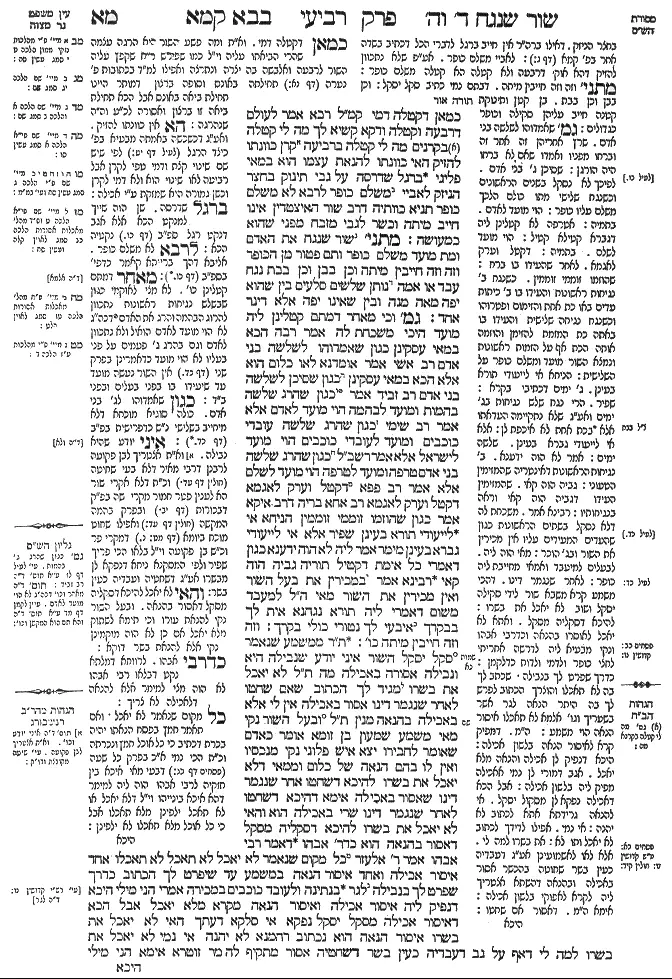
כמאן דקטלה דמי קמ"ל רבא אמר לעולם דרבעה וקטלה ודקא קשיא לך מה לי קטלה בקרנים מה לי קטלה ברביעה קרן כוונתו להזיק האי כוונתו להנאת עצמו הוא במאי פליגי ברגל שדרסה על גבי תינוק בחצר הניזק לאביי משלם כופר לרבא לא משלם כופר תניא כוותיה דרב שור האיצטדין אינו חייב מיתה וכשר לגבי מזבח מפני שהוא כמעושה:
מתני׳ שור שנגח את האדם ומת מועד משלם כופר ותם פטור מן הכופר וזה וזה חייבין מיתה וכן בבן וכן בבת נגח עבד או אמה נותן שלשים סלעים בין שהוא יפה מאה מנה ובין שאינו יפה אלא דינר אחד:
גמ׳ וכי מאחר דמתם קטלינן ליה מועד היכי משכחת לה אמר רבה הכא במאי עסקינן כגון שאמדוהו לשלשה בני אדם רב אשי אמר אומדנא לאו כלום הוא אלא הכא במאי עסקינן כגון שסיכן לשלשה בני אדם רב זביד אמר כגון שהרג שלשה בהמות ומועד לבהמה הוי מועד לאדם אלא אמר רב שימי כגון שהרג שלשה עובדי כוכבים ומועד לעובדי כוכבים הוי מועד לישראל אלא אמר רשב"ל כגון שהרג שלשה בני אדם טרפה ומועד לטרפה הוי מועד לשלם אלא אמר רב פפא דקטל וערק לאגמא דקטל וערק לאגמא רב אחא בריה דרב איקא אמר כגון שהוזמו זוממי זוממין הניחא אי לייעודי תורא בעינן שפיר אלא אי לייעודי גברא בעינן מימר אמר ליה לא הוה ידענא כגון דאמרי כל אימת דקטיל תוריה גביה הוה קאי רבינא אמר במכירין את בעל השור ואין מכירין את השור מאי ה"ל למעבד משום דאמרי ליה תורא נגחנא אית לך בבקרך איבעי לך נטורי כולי בקרך:
וזה וזה חייבין מיתה כו':
ת"ר ממשמע שנאמר (שמות כא, כח) סקל יסקל השור איני יודע שנבילה היא ונבילה אסורה באכילה מה ת"ל לא יאכל את בשרו מגיד לך הכתוב שאם שחטו לאחר שנגמר דינו אסור באכילה אין לי אלא באכילה בהנאה מנין ת"ל (שמות כא, כח) ובעל השור נקי מאי משמע שמעון בן זומא אומר כאדם שאומר לחבירו יצא איש פלוני נקי מנכסיו ואין לו בהם הנאה של כלום וממאי דלא יאכל את בשרו להיכא דשחטו אחר שנגמר דינו שאסור באכילה אימא דהיכא דשחטו לאחר שנגמר דינו שרי באכילה הוא והאי לא יאכל את בשרו להיכא דסקליה מסקל דאסור בהנאה הוא כדר' אבהו דאמר רבי אבהו אמר ר' אלעזר כל מקום שנאמר לא יאכל לא תאכל לא תאכלו אחד איסור אכילה ואחד איסור הנאה במשמע עד שיפרט לך הכתוב כדרך שפרט לך בנבילה לגר בנתינה ולעובד כוכבים במכירה אמרי הני מילי היכא דנפיק ליה איסור אכילה ואיסור הנאה מקרא מלא יאכל אבל הכא דאיסור אכילה מסקל יסקל נפקא אי סלקא דעתך האי לא יאכל את בשרו איסור הנאה הוא נכתוב רחמנא לא יהנה אי נמי לא יאכל את בשרו למה לי דאף על גב דעבדיה כעין בשר דשחטיה אסור מתקיף לה מר זוטרא אימא הני מילי
Comments from Rashi on Masechet Bava Kamma Page 41a
בחצר הניזק . דאילו ברה"ר אין חייב ברגל לדברי הכל דכתיב בשדה אחר בפ' קמא (דף ג:): לאביי משלם כופר . אע"פ שלא נתכוון להזיק דהא אוקי דרבעה ולא קטלה הא קטלה משלם כופר: מתני' וזה וזה חייבין מיתה . דבתם נמי כתיב סקל יסקל: וכן בבן וכן בבת . בן קטן ותינוקת קטנה חייב עליהן סקילה וכופר כגדולים: גמ' שאמדוהו לשלשה בני אדם . שרץ אחריהן זה אחר זה וברחו מפניו ואמדו שאם לא ברחו היה הורגן: שסיכן ג' בני אדם . לפיכך לא נסקל בשנים הראשונים וכשנגח שלישי מתו כולם הלכך משלם עליו כופר: הוי מועד לאדם . בתמיה: אטרפה . לא קטלינן ליה דגברא קטילא קטיל: הוי מועד לשלם . בתמיה: דקטל וערק לאגמא . לאחר שהעידו בו ברח: שהוזמו זוממי זוממין . כשנגח ב' נגיחות ראשונות והעידו בו ב' כיתות עדים באו כת אחת והזימום ופטרוהו וכשנגח נגיחה שלישית והעידו בו באתה כת המזמת להזימן והוזמה אותה הכת אף על הזמות ראשונות ונמצא השור מועד ומשלם כופר על השלישית: הניחא אי לייעודי תורא בעינן . ג' ימים דכתיבי בקרא: שפיר . הרי נגח שלש נגיחות בג' ימים ואע"ג שלא נתקיימה העדאתו אלא בכת אחת לא איכפת לן: אלא אי לייעודי גברא בעינן . שלשה ימים: אמר לא הוה ידענא . ב' נגיחות הראשונות דאינטריה שהמזימין הטעוני: גביה הוה קאי . שהמזימין העידו דגביה הוה קאי וראה בנגיחותיו: רבינא אמר . משכחת לה דלא נסקל בשתים הראשונות כגון שהעדים המעידים עליו אין מכירין את השור ובג' הוכר: מאי הוה ליה . לבעלים למיעבד ואמאי מחייבת ליה כופר: לאחר שנגמר דינו . דהכי משמע קרא משבא שור לידי סקילה יסקל ושוב לא יאכל את בשרו: להיכא דסקליה מסקל . ואתא לא יאכל לאוסרו בהנאה וכדרבי אבהו ונקי מבעיא ליה לדרשה אחריתי לחצי כופר ולדמי ולדות כדלקמן: כדרך שפרט לך בנבילה. שכתב לך בה לא תאכלו והוצרך הכתוב לפרש לך בה היתר הנאה לגר אשר בשעריך וגו' אלמא לא תאכלו איסור הנאה הוי משמע: ה"מ . דמפיק קרא לאיסור הנאה בלשון אכילה: היכא דנפיק לן אכילה והנאה מלא יאכל . אגב דמורי לן נמי אאכילה מפיק ליה בלשון אכילה: אבל הכא דאכילה נפקא לן מסקול יסקל . אי להנאה גרידתא אתא לכתוב לא יהנה: אי נמי . אפילו לדידך לכתוב לא יאכל ותו לא: את בשרו למה לי . אלא לאו לאשמועינן אע"ג דעבדיה כעין בשר שחוטה בהכשר אסור באכילה ובהנאה דהשתא אצטריך ליה לקרא לאפוקי בלשון אכילה: אימא ה"מ . דאסור אם שחטו:
Comments from Tosafot - Bava Kamma 41a
כמאן דקטלה דמי . וא"ת ומה פשע השור היא הרגה עצמה שהרי הביאתו עליה וי"ל כמו שפירש ר"ח שקפץ עליה השור לרבעה ואלבשה בה. יצרה ונתרצה ואפילו למ"ד בכתובות פ' נערה (דף נא:) תחילתה באונס וסופה ברצון דמותר היינו תחילת ביאה באונס אבל הכא תחילת ביאה זו ברצון ואסורה לכ"ע וה"ה שנהרגה: הא אין כוונתו להזיק . ואע"ג דכשכשה באמתה מבעיא בפ' כיצד הרגל (לעיל בבא קמא דף יט:) לפי שיש שם שינוי קצת ודמי טפי לקרן אבל רביעה לאו שינוי הוא ולא דמי לקרן וכשן גמורה היא שמזקת ע"י אכילה: ברגל שדרסה . שן הוה שייך למנקט הכא אלא אגב דנקט רגל ספ"ב (דף כו.) נקטיה הכא: לרבא לא משלם כופר . אליבא דהך ברייתא קאמר כדפי' בספ"ב (דף כו.): מאחר דמתם קטלינן כו' . לא מצי לאוקמי כגון שבשלש נגיחות ראשונות נתכוון להרוג הבהמה והרג את האדם דכה"ג לא הוי מועד לאדם הואיל ולא נתכוון לאדם וגם בהרג ג' פעמים על פני בעליו לא הוי מועד כדאמרינן בפרק שני (דף כד.) אין השור נעשה מועד עד שיעידו בו בפני בעלים ובפני ב"ד: כגון שאמדוהו לג' בני אדם . כולה סוגיא מוכחא דלא מיחייב בשלישי נ"ש כדפרישית בפ"ב (דף כד.): איני יודע שהיא נבילה . וא"ת אצטריך לבן פקועה לרבנן דרבי מאיר דלא בעי שחיטה (חולין דף עד.) וכ"ת דלא אקרי שור הא לענין פטר חמור מקרי שה בפ"ק דבכורות (דף יב.) ובפרק בהמה המקשה (חולין דף עד:) ואפילו שחוט מוכח ביומא (דף מט: נ.) דמקרי פר וכ"ש בן פקועה וי"ל בלאו הכי פריך שפיר ולפי המסקנא ניחא דנפקא לן מבשרו אע"ג דשחטיה ועבדיה כעין בשר: והאי לא יאכל להיכא דסקליה מסקל דאסור בהנאה . ובעל השור נקי להנאת עורו וכי תימא לשתוק מלא יאכל אם כן לא הוה מוקמינן נקי אלא להנאת בשר דוקא: כדרבי אבהו . לרווחא דמלתא נקט דבלאו רבי אבהו לא הוה מצי למימר אלא להנאה דלאכילה לא צריך: כל מקום שנאמר לא יאכל . ואם תאמר חמץ בפסח הנאתו יהיה בכרת דכתיב כי כל אוכל חמץ ונכרתה וכ"ת הכי נמי א"כ בפרק כל שעה (פסחים דף כג:) דבעי מאי איכא בין חזקיה לרבי אבהו הוה ליה למימר דהא איכא בינייהו וי"ל דלא יאכל או לא תאכל ילפינן מלא תאכלו אבל כי כל אוכל מלא תאכלו לא ילפינן:
Bava Kamma 41a - Mishnah translated into english
that the ox should be considered like one that killed her, as it was the reason for her execution, and therefore its owner should be liable to pay a ransom, the baraita teaches us that this is not the case.
Rava said: Actually, it is a case where the animal engaged in bestiality with her and killed her in the process. And as for the difficulty you pose: What is the difference to me whether it killed her with its horns, and what is the difference to me whether it killed her through bestiality, the answer is that in that case of an animal killing with its horn, its intention is to cause injury, whereas in this case of killing through bestiality its intention is to achieve its own pleasure.
The Gemara asks: With regard to what other case would Abaye and Rava disagree? They disagree with regard to a case where an ox trampled a child with its foot, killing it, in the courtyard of the injured party. According to Abaye, the owner pays the ransom, as he holds that ransom is paid even if the animal’s objective was not to cause injury or death. According to Rava, he does not pay the ransom.
It is taught in a baraita in accordance with the opinion of Rav: A stadium ox that killed a person is not liable to be put to death and is fit to be sacrificed as an offering on the altar, because it is as though it was compelled to behave in this manner.
MISHNA: With regard to an ox that gored a person and the person died, if the ox was forewarned its owner pays ransom, but if it was innocuous he is exempt from paying the ransom. And both this forewarned ox and that innocuous ox are liable to be put to death for killing a person. And the same halakha applies in a case where the animal killed a boy and the same applies in a case where it killed a girl. If the ox gored and killed a Canaanite slave or a Canaanite maidservant, its owner gives the victim’s master thirty sela, whether he was a slave worth one hundred maneh, i.e., one hundred silver dinars, or worth only one dinar.
GEMARA: The Gemara asks: But since we kill the ox for killing a person when it is still considered innocuous, how can you find a case of a forewarned ox killing a person?
Rabba said: Here we are dealing with a case where in three instances of attacking people, the court assessed that had the people not escaped, the ox would certainly have killed them. Therefore, despite the fact that the ox did not kill anyone, it now has the status of a forewarned ox.
Rav Ashi said: Such an assessment is not worth anything. Since the ox did not actually kill them, it is not rendered forewarned even if it intended to kill. Rather, here we are dealing with a case where it endangered the lives of three people by goring them, and they all died only after the third goring. Therefore, the ox had not been put to death.
Rav Zevid said: The mishna is discussing a case where it killed three animals, which is sufficient to render the ox forewarned but for which it is not put to death.
The Gemara asks: But is an animal that is forewarned with regard to animals considered forewarned with regard to people as well? Certainly it is not. Rather, Rav Shimi said: The mishna is discussing a case where it killed three gentiles, for which the animal is not put to death.
The Gemara asks: But is an animal that is forewarned with regard to gentiles considered forewarned with regard to Jews as well? Rather, Rabbi Shimon ben Lakish said: The mishna is discussing a case where it killed three people who had wounds that would have caused them to die within twelve months [tereifa]. Since they were on the verge of dying anyway, the ox is not put to death for killing them. Nevertheless, it is rendered forewarned with regard to its future goring and killing of people.
The Gemara asks: But is an animal that is forewarned with regard to a tereifa considered forewarned with regard to an intact person, i.e., one who is not a tereifa? Rather, Rav Pappa said: The mishna is discussing a case where it killed a person and fled to the marsh, then killed again and fled to the marsh, and then killed again and fled to the marsh, so the court was not able kill it before it had killed three times, rendering it forewarned.
Rav Aḥa, son of Rav Ika, said: The mishna is discussing a case where the witnesses who had rendered the witnesses who testified to the three incidents of goring as conspiring witnesses, resulting in the animal not being put to death, were themselves subsequently proven to be conspiring witnesses by other witnesses. Consequently, the testimonies of the witnesses who testified about the incidents of goring were reinstated, rendering the ox forewarned.
The Gemara asks: This explanation works out well if it is assumed that the purpose of testifying to the ox’s goring is because we wish to establish the ox as forewarned; once the testimony concerning the incidents of goring is reinstated, it is established that the ox gored three times. But if we wish to warn the man who owns the ox by testifying that the animal gored, he could say to the judge, after it is established that his ox was forewarned: I did not know that my ox was forewarned, since the witnesses had previously been rendered conspiring witnesses. The Gemara answers: This is a case where the witnesses say: Each time his ox killed a person he was standing by it, so that he cannot claim ignorance.
Ravina said: The mishna is discussing a case where the witnesses recognized the owner of the ox but did not recognize the ox itself. Therefore, with regard to the first incidents of goring, they testified that it was his ox that gored, but they did not testify with regard to the ox itself. That is why the ox was not put to death. Only afterward did they realize that this was the ox that had gored three times previously.
The Gemara asks: If so, why is the ox rendered forewarned? What could the owner have done to prevent it from goring again, as he did not know which of his oxen had gored? The Gemara answers that it is rendered forewarned because the court effectively said to him: You have a habitually goring ox in your herd, so you must safeguard your entire herd.
§ The mishna teaches: And both this forewarned ox and that innocuous ox are liable to be put to death. The Sages taught: We learn by inference from that which is stated with regard to an ox that killed a person: “And if an ox gores a man or a woman, that they die, the ox shall be stoned, and its flesh shall not be eaten; but the owner of the ox shall be clear” (Exodus 21:28). Don’t I know from this verse that the stoning makes it an unslaughtered animal carcass, and it is prohibited to eat an unslaughtered animal carcass? What is the meaning when the verse states: “Its flesh shall not be eaten”? The verse is telling you that even if one slaughtered the ox after its verdict had been reached but before it was stoned, it is still prohibited to eat it.
I have derived only that one is prohibited to eat it; from where is it derived that one is prohibited from deriving benefit from the ox as well? The verse states: “But the owner of the ox shall be clear.”
The Gemara asks: What is the inference? How is this halakha derived from the statement that the owner shall be clear? Shimon ben Zoma says: This is like a person who says to his friend: So-and-so was left clear of his property, and has no benefit from it at all. Similarly, “but the owner of the ox shall be clear” means that he may not derive benefit from the ox.
The Gemara asks: And from where is it known that this phrase: “Its flesh shall not be eaten,” serves to teach a halakha with regard to a case where he slaughtered the ox after its verdict was reached, but before it was stoned, and is teaching that one is prohibited to eat it? Why not say that it is permitted to eat the ox if he slaughtered it after its verdict had been reached. And this phrase: “Its flesh shall not be eaten,” serves to teach a halakha with regard to a case where they had already stoned it, but not to teach a prohibition against eating it, as that is already known due to the fact that it was stoned. Rather, it serves to prohibit deriving benefit from the ox, and that would be in accordance with the statement of Rabbi Abbahu.
As Rabbi Abbahu says that Rabbi Elazar says that wherever it is stated: “It shall not be eaten”; or “you,” singular, “shall not eat”; or “you,” plural, “shall not eat”; both a prohibition against eating and a prohibition against deriving benefit are indicated. This is so unless the verse specifies for you that one may derive benefit, in the manner that it specified for you with regard to an animal carcass, from which the verse explicitly permits one to derive benefit.
The Gemara continues: This is so unless the verse specifies for you that one may derive benefit, in the manner that it specified for you with regard to an animal carcass, from which the verse explicitly permits one to derive benefit, as it states: “You may sell it to a foreigner” (Deuteronomy 14:21). Accordingly, it is permitted to transfer an unslaughtered animal carcass to a ger toshav, i.e., a gentile who resides in Eretz Yisrael and observes the seven Noahide mitzvot, through giving it to him as a gift, and to any other gentile through selling it to him. Apparently, without this explicit permission, it would be prohibited to derive any benefit from a carcass, due to the prohibition: “You shall not eat.” Here, too, with regard to the ox that is stoned, the phrase: “Its flesh shall not be eaten,” may serve to teach that one may not derive benefit from the stoned ox.
The Sages said in response: That statement applies where both the prohibition of eating and the prohibition of deriving benefit are derived from a verse using an expression such as: “It shall not be eaten.” But here, where the prohibition of eating is derived from the statement: “The ox shall be stoned,” if it enters your mind that this expression: “Its flesh shall not be eaten,” is stated only in reference to the prohibition of deriving benefit, let the Merciful One write explicitly: Benefit shall not be derived from it. Alternatively, let the verse simply state: “It shall not be eaten”; why do I require the specific term: “Its flesh”? Clearly, the intention of the verse is to teach that even if he has rendered it like kosher flesh by properly slaughtering it after the verdict, one is still prohibited to eat it.
Mar Zutra objects to this: Say that this statement applies
Traduction : The William Davidson digital edition of the Koren Noé Talmud, with commentary by Rabbi Adin Even-Israel Steinsaltz.