 Talmud Bavli
Bava Kamma 17a : Youtube
Daf TubeYoutube
2 video classes :
Bava Kamma Page 17a
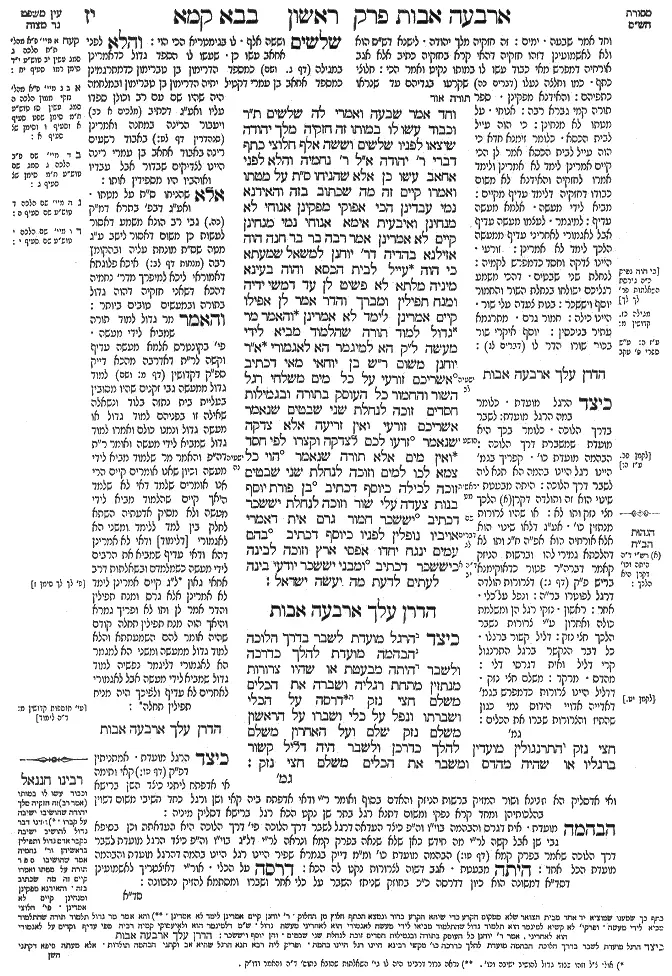
Bava Kamma 17a - Guemara
וחד אמר שבעה ואמרי לה שלשים ת"ר וכבוד עשו לו במותו זה חזקיה מלך יהודה שיצאו לפניו שלשים וששה אלף חלוצי כתף דברי ר' יהודה א"ל ר' נחמיה והלא לפני אחאב עשו כן אלא שהניחו ס"ת על מטתו ואמרו קיים זה מה שכתוב בזה והאידנא נמי עבדינן הכי אפוקי מפקינן אנוחי לא מנחינן ואיבעית אימא אנוחי נמי מנחינן קיים לא אמרינן אמר רבה בר בר חנה הוה אזילנא בהדיה דר' יוחנן למשאל שמעתא כי הוה עייל לבית הכסא והוה בעינא מיניה מלתא לא פשיט לן עד דמשי ידיה ומנח תפילין ומברך והדר אמר לן אפילו קיים אמרינן לימד לא אמרינן והאמר מר גדול למוד תורה שהלמוד מביא לידי מעשה ל"ק הא למיגמר הא לאגמורי א"ר יוחנן משום ר"ש בן יוחאי מאי דכתיב (ישעיהו לב, כ) אשריכם זורעי על כל מים משלחי רגל השור והחמור כל העוסק בתורה ובגמילות חסדים זוכה לנחלת שני שבטים שנאמר אשריכם זורעי ואין זריעה אלא צדקה שנאמר (הושע י, יב) זרעו לכם לצדקה וקצרו לפי חסד ואין מים אלא תורה שנאמר (ישעיהו נה, א) הוי כל צמא לכו למים וזוכה לנחלת שני שבטים זוכה לכילה כיוסף דכתיב (בראשית מט, כב) בן פורת יוסף בנות צעדה עלי שור וזוכה לנחלת יששכר דכתיב (בראשית מט, יד) יששכר חמור גרם אית דאמרי אויביו נופלין לפניו כיוסף דכתיב (דברים לג, יז) בהם עמים ינגח יחדו אפסי ארץ וזוכה לבינה כיששכר דכתיב (דברי הימים א יב, לג) ומבני יששכר יודעי בינה לעתים לדעת מה יעשה ישראל
הדרן עלך ארבע אבות
מתני׳ כיצד הרגל מועדת לשבר בדרך הלוכה הבהמה מועדת להלך כדרכה ולשבר היתה מבעטת או שהיו צרורות מנתזין מתחת רגליה ושברה את הכלים משלם חצי נזק דרסה על הכלי ושברתו ונפל על כלי ושברו על הראשון משלם נזק שלם ועל האחרון משלם חצי נזק התרנגולין מועדין להלך כדרכן ולשבר היה דליל קשור ברגליו או שהיה מהדס ומשבר את הכלים משלם חצי נזק
Comments from Rashi on Masechet Bava Kamma Page 17a
וחד אמר שבעה . ימים: זה חזקיה מלך יהודה . לישנא דש"ס הוא ולא לאשמועינן דזהו חזקיה דהאי קרא בחזקיה כתיב אלא אגב אורחיה דמפרש מאי כבוד עשו לו במותו נקיט ואמר הכי: חלוצי כתף . כמו וחלצה נעלו (דברים כה) שקרעו בגדיהם עד שנראו כתפיהם: והאידנא מפקינן . ספר תורה קמי גברא רבה: אנוחי . על מטתו לא מנחינן: כי הוה עייל לבית הכסא . כלומר זימנא חדא כי הוה עייל לבית הכסא אמר לן הכי קיים אמרינן לימד לא אמרינן ולימד אמרו לחזקיה והאידנא לא משום כבודו דחזקיה דלימד עדיף מקיים: מביא לידי מעשה . אלמא מעשה עדיף: למיגמר . לעצמו מעשה עדיף אבל לאגמורי לאחריני עדיף ממעשה הלכך לימד לא אמרינן: זורעי . היינו צדקה וחסד כדמפרש לקמיה: לנחלת שני שבטים . דהכי משמע רגליכם ישולחו בנחלת השור והחמור יוסף ויששכר: בנות צעדה עלי שור . היינו כילה: חמור גרם . מתרגמא עתיר בניכסין: יוסף איקרי שור בכור שורו הדר לו (דברים לג): מתני' כיצד הרגל מועדת . כלומר במה הרגל מועדת: לשבר בדרך הלוכה . כלומר בכך היא מועדת שמשברת דרך הלוכה: הבהמה מועדת כו' . קפריך בגמ' היינו רגל היינו בהמה הא תנא ליה לשבר דרך הלוכה: היתה מבעטת . שינוי הוא זה ותולדה דקרן הלכך חצי נזק ותו לא: או שהיו צרורות מנתזין כו' . אע"ג דלאו שינוי הוא אלא אורחיה הוא אפ"ה ח"נ ותו לא דהלכתא גמירי להו וברשות הניזק קאמר דברה"ר פטור כדאוקימנא בריש פ"ק (דף ג:) דצרורות תולדה דרגל לפוטרו בר"ה: ונפל על כלי . אחר: ראשון . נזקי רגל הן ומשלמת כולה ואחרון ע"י צרורות נשבר הלכך חצי נזק: דליל קשור ברגלו . כל דבר הנקשר ברגל התרנגול קרי דליל ואית דגרסי דלי: מהדס . מרקד: משלם חצי נזק . דדליל היינו צרורות כדמפרש בגמ' דאדייה אדויי הידוס נמי כגון שהתיז והצרורות שברו את הכלים:
Comments from Tosafot - Bava Kamma 17a
שלשים וששה אלף. לו בגימטריא הכי הוי: והלא לפני אחאב עשו כן . שעשו לו הספד גדול כדאמרינן במגילה (דף ג. ושם) כמספד הדרימון בן טברימון כדמתרגמינן כמספד אחאב בן עמרי דקטיל יתיה הדרימון בן טברימון ובמלחמה היה שהיו שם עם רב וכולן ספדו עליו ואע"ג דכתיב (מלכים א כב) ויעבור הרינה במחנה ואמרינן (סנהדרין דף לט:) באבוד רשעים רינה באבוד אחאב בן עמרי רינה היינו לצדיקים שבדור אבל עבדיו ואוהביו היו מספידין אותו: אלא שהניחו ס"ת על מטתו . ואע"ג דבפ' בתרא דמ"ק (כה.) גבי רב הונא משמע דאסור לעשות כן משום דאסור לישב ע"ג מטה שס"ת מונחת עליה ובהקומץ רבה (מנחות דף לב:) איכא פלוגתא דאמוראי ליכא למיפרך מדר' נחמיה דהכא דשאני חזקיה דהוה גדול בתורה ובמעשים טובים ביותר: והאמר מר גדול למוד תורה שמביא לידי מעשה . פי' בקונטרס אלמא מעשה עדיף וקשה לר"ת דאדרבה מהכא דייק ספ"ק דקדושין (דף מ: ושם) למוד גדול ממעשה גבי זקנים שהיו מסובין בעליית בית נתזה בלוד ונשאלה שאילה זו בפניהם למוד גדול או מעשה גדול ונמנו כולם ואמרו למוד גדול שמביא לידי מעשה ואומר ר"ת דה"פ והאמר מר שלמוד מביא לידי מעשה וכיון שאנו אומרים קיים הרי אנו אומרים שלמד דאי לא שלמד היאך קיים שהלמוד מביא לידי מעשה ולא מסיק אדעתיה השתא לחלק בין למד ללימד ומשני הא לאגמורי [דלימוד] ודאי לא אמרינן דהא ודאי עדיף שמביא את הרבים לידי מעשה כשמלמדם ובשאלתות דרב אחאי גאון ל"ג קיים אמרינן לימד לא אמרינן אלא גרס ומנח תפילין והדר אמר לן ותו לא ופריך גמרא והיאך הוה מנח תפילין תחלה קודם שהיה אומר להם השמעתתא והלא למוד גדול ממעשה ומשני הא למגמר הא לאגמורי דליגמר נפשיה למוד גדול שמביא לידי מעשה אבל לאגמורי לאחרים לא עדיף ולפיכך היה מניח תפילין תחלה: מתני' כיצד הרגל מועדת . אמתניתין דפ"ק (דף טו:) קאי ותימה אי אדפתח ליתני כיצד השן ברישא ואי אדסליק הא תנינא ושור המזיק ברשות הניזק והאדם בסוף ואומר ר"י ודאי אדפתח ביה קאי ושן ורגל כחד חשיבי משום דשוין בהלכותיהן ומחד קרא נפקי ומשום דתנא רגל בתר שן נקט הכא רגל ברישא דסליק מיניה: הבהמה מועדת . אית דגרס והבהמה בוי"ו וה"פ כיצד העדאה דרגל לשבר דרך הלוכה פי' דרך הלוכה היא העדאתה וכן בסיפא גבי שן אבל קשה לר"י מה חידש כאן שלא שנאה בפרק קמא ונראה לר"י דל"ג בוי"ו וה"פ כיצד הרגל מועדת לשבר דרך הלוכה שאמר בפרק קמא (דף טו:) הבהמה מועדת כו' ומ"מ דייק בגמרא שפיר היינו רגל היינו בהמה דהרגל מועדת והבהמה מועדת הכל אחד: היתה מבעטת . אגב דשוה לצרורות נקט לה הכא: דרסה על הכלי . אור"י דאיצטריך לאשמועינן דסד"א דמשונה הוא כיון דדרסה כ"כ בחוזק שניתז השבר על כלי אחר ושברו ומסתמא להזיק נתכוונה:
Bava Kamma 17a - Mishnah translated into english
And the other one said: They studied there for seven days. And some say they studied there for thirty days.
The Sages taught a baraita that offers another interpretation of the verse cited: “And afforded him [lo] honor in his death” (II Chronicles 32:33). This is referring to the honor given to Hezekiah, king of Judea, that at his burial 36,000 men with bared shoulders went out before him. They removed their robes from their shoulders as a sign of mourning. The number 36,000 is alluded to by the numerical value of the word lo, which is thirty-six. This is the statement of Rabbi Yehuda.
Rabbi Neḥemya said to him: But didn’t they also do this before Ahab? Apparently, if they did this for the wicked king Ahab, it is an honor shown to all kings, and it is was not a unique show of honor for the righteous Hezekiah.
Rather, the honor that was done for Hezekiah was that they laid a Torah scroll upon his bier and they said: This one, i.e., Hezekiah, fulfilled that which is written in this, i.e., the Torah scroll.
The Gemara asks: But nowadays as well, we do this for any great Torah scholar that dies, so what is unique about what was done to honor Hezekiah? The Gemara answers: Nowadays, we take a Torah scroll out but we do not lay it on the bier of the deceased. And if you wish, say instead that nowadays we also lay a Torah scroll on the bier of the deceased; but we do not say: This one fulfilled that which is written in this.
Rabba bar bar Ḥana said: I was once walking together with Rabbi Yoḥanan to ask him about this statement. Whenever he would enter a lavatory, upon his exit I would ask him to explain a matter, and he would not answer us until he had washed his hands and donned his phylacteries and made the blessing, and only then would he answer us. With regard to the honor given to King Hezekiah, he said: Nowadays, we even say: This one fulfilled that which is written in this, but we do not say: He taught that which is written in this, which was a unique honor performed at the burial of the righteous King Hezekiah.
The Gemara asks: But didn’t the Master say: Torah study is great because the study of Torah leads to one’s performance of the mitzvot? This indicates that the performance of mitzvot is considered of greater value than Torah study. If so, once Hezekiah had been praised with the fact that he fulfilled the mitzvot of the Torah, why mention that he studied it? The Gemara explains: This is not difficult: This statement of the Master is about studying the Torah for one’s own knowledge, and that unique praise given to King Hezekiah was about teaching the Torah to others.
§ A verse that was cited at the beginning of this chapter (2b) as part of a halakhic exposition is now explained homiletically: Rabbi Yoḥanan says in the name of Rabbi Shimon ben Yoḥai: What is the meaning of that which is written: “Happy are you that sow beside all waters, that send forth the feet of the ox and the donkey” (Isaiah 32:20)? It teaches that whoever engages in the study of Torah and in the performance of acts of kindness merits reward equal to the portion of two tribes, Joseph and Issachar.
The Gemara explains how this is derived from the verse: As it is stated: “Happy are you that sow.” And the reference to sowing refers only to acts of charity, as it is stated: “Sow for yourselves for charity, reap according to kindness” (Hosea 10:12). And the reference to water refers only to the study of Torah, as it is stated with regard to Torah study: “Ho, all who are thirsty, go to water” (Isaiah 55:1).
And the fact that he merits reward equal to the portion of two tribes is derived as follows: The reference to the ox in the verse is an allusion to Joseph, who is described as an ox (Deuteronomy 33:17), and one’s reward is that he merits to receive a canopy of honor, as did Joseph, as it is written: “Joseph is a fruitful vine, a fruitful vine by a fountain; its branches run over the wall.” The branches over the wall in this verse allude to the canopy. And the reference to the donkey is an allusion to the fact that he merits to receive the portion of Issachar, who is described as a donkey, as it is stated: “Issachar is a large-boned donkey” (Genesis 49:14).
There are some who say that the comparison should be understood in a different manner. His enemies will fall before him just like in the blessing given by Moses to the tribe of Joseph, as it is written in the blessing bestowed by Moses to the tribe of Joseph: “His horns are the horns of the wild-ox; with them he shall gore the nations, even to the ends of the earth” (Deuteronomy 33:17). And he merits the understanding of Issachar, as it is written: “And of the children of Issachar, men that had understanding of the times, to know what Israel ought to do” (I Chronicles 12:33).
MISHNA: The mishna in the previous chapter (15b) teaches that the owner of an animal is always forewarned with regard to the category of Trampling. The mishna elaborates: For what damage caused with the hoof is the animal deemed forewarned? It is deemed forewarned with regard to trampling objects and breaking them in the course of its walking. An animal is deemed forewarned with regard to walking in its typical manner and, by doing so, breaking objects as it proceeds.
By contrast, if the animal was kicking while it was walking, or it transpired that pebbles were inadvertently propelled from under its feet and those pebbles broke vessels, cases of that kind do not fit precisely into the primary category of Trampling. In both of these cases the owner of the animal pays half the cost of the damage. If an animal trod upon a vessel and broke it and then a shard of that vessel fell upon a second vessel and broke it, the owner pays the full cost of the damage for the first vessel, as its action is classified under the primary category of Trampling, and he pays half the cost of the damage for the latter vessel, as the damage caused by the shard is tantamount to damage caused by pebbles inadvertently propelled by the foot of an animal.
Chickens are deemed forewarned with regard to walking in their typical manner and breaking objects, and therefore, the owner of a chicken pays the full restitution for the damage done to any objects broken by his chicken. If there was a string [delil] tied to a chicken’s leg as an indication of ownership and it wrapped around a vessel and broke it, or if the chicken was hopping in an atypical manner and breaking vessels, its owner pays half the cost of the damage.
Traduction : The William Davidson digital edition of the Koren Noé Talmud, with commentary by Rabbi Adin Even-Israel Steinsaltz.