 Talmud Bavli
The learning on the whole site is dedicated : L'ilui Nishmat Rav Chlomo Ben Jamilla
The learning on the whole site is dedicated : L'ilui Nishmat Jacques Isaac Ben Amram Loubaton
The learning on the whole site is dedicated : L'ilui Nishmat Margalit bat Ledicia
Bava Kamma 53a : Youtube
Daf TubeYoutube
2 video classes :
Bava Kamma Page 53a
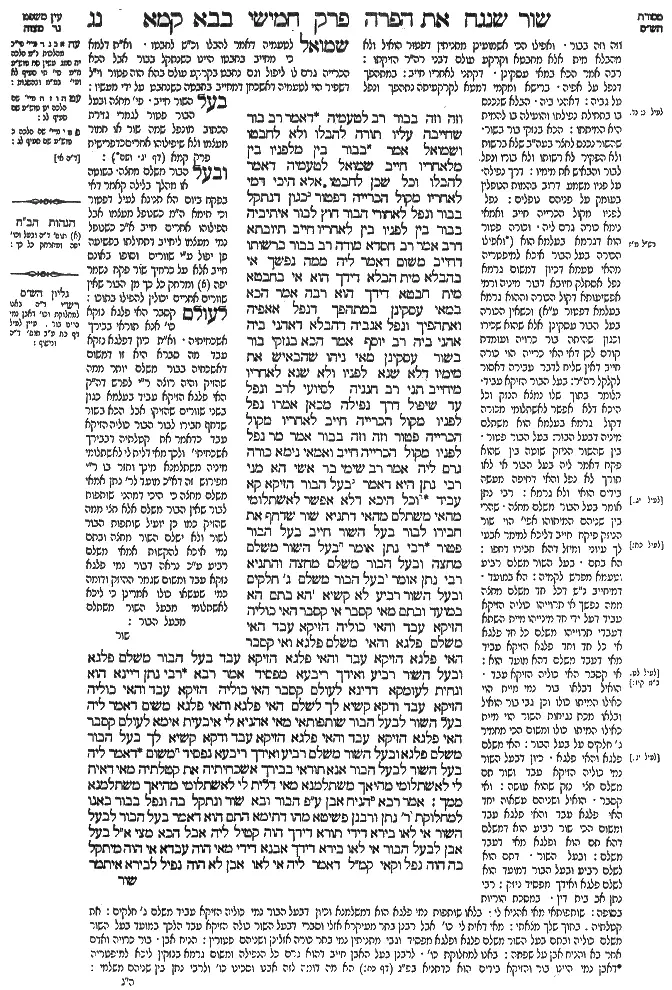
Bava Kamma 53a - Guemara
וזה וזה בבור רב לטעמיה דאמר רב בור שחייבה עליו תורה להבלו ולא לחבטו ושמואל אמר בבור בין מלפניו בין מלאחריו חייב שמואל לטעמיה דאמר להבלו וכל שכן לחבטו אלא היכי דמי לאחריו מקול הכרייה דפטור כגון דנתקל בבור ונפל לאחורי הבור חוץ לבור איתיביה בבור בין לפניו בין לאחריו חייב תיובתא דרב אמר רב חסדא מודה רב בבור ברשותו דחייב משום דאמר ליה ממה נפשך אי בהבלא מית הבלא דידך הוא אי בחבטא מית חבטא דידך הוא רבה אמר הכא במאי עסקינן במתהפך דנפל אאפיה ואתהפיך ונפל אגביה דהבלא דאהני ביה אהני ביה רב יוסף אמר הכא בנזקי. בור בשור עסקינן מאי ניהו שהבאיש את מימיו דלא שנא לפניו ולא שנא לאחריו מיחייב תני רב חנניה לסיועי לרב ונפל עד שיפול דרך נפילה מכאן אמרו נפל לפניו מקול הכרייה חייב לאחריו מקול הכרייה פטור וזה וזה בבור אמר מר נפל לפניו מקול הכרייה חייב ואמאי נימא כורה גרם ליה אמר רב שימי בר אשי הא מני רבי נתן היא דאמר בעל הבור הזיקא קא עביד וכל היכא דלא אפשר לאשתלומי מהאי משתלם מהאי דתניא שור שדחף את חבירו לבור בעל השור חייב בעל הבור פטור רבי נתן אומר בעל השור משלם מחצה ובעל הבור משלם מחצה והתניא רבי נתן אומר בעל הבור משלם ג' חלקים ובעל השור רביע לא קשיא הא בתם הא במועד ובתם מאי קסבר אי קסבר האי כוליה הזיקא עבד והאי כוליה הזיקא עבד האי משלם פלגא והאי משלם פלגא ואי קסבר האי פלגא הזיקא עבד והאי פלגא הזיקא עבד בעל הבור משלם פלגא ובעל השור רביע ואידך ריבעא מפסיד אמר רבא רבי נתן דיינא הוא ונחית לעומקא דדינא לעולם קסבר האי כוליה הזיקא עבד והאי כוליה הזיקא עבד ודקא קשיא לך לשלם האי פלגא והאי פלגא משום דאמר ליה בעל השור לבעל הבור שותפותאי מאי אהניא לי איבעית אימא לעולם קסבר האי פלגא הזיקא עבד והאי פלגא הזיקא עבד ודקא קשיא לך בעל הבור משלם פלגא ובעל השור משלם רביע ואידך ריבעא נפסיד משום דאמר ליה בעל השור לבעל הבור אנא תוראי בבירך אשכחיתיה את קטלתיה מאי דאית לי לאשתלומי מהיאך משתלמנא מאי דלית לי לאשתלומי מהיאך משתלמנא ממך:
אמר רבא הניח אבן ע"פ הבור ובא שור ונתקל בה ונפל בבור באנו למחלוקת ר' נתן ורבנן פשיטא מהו דתימא התם הוא דאמר בעל הבור לבעל השור אי לאו בירא דידי תורא דידך הוה קטיל ליה אבל הכא מצי א"ל בעל אבן לבעל הבור אי לאו בירא דידך אבנא דידי מאי הוה עבדא אי הוה מיתקל בה הוה נפל וקאי קמ"ל דאמר ליה אי לאו אבן לא הוה נפיל לבירא איתמר
Comments from Rashi on Masechet Bava Kamma Page 53a
וזה וזה בבור . ואפילו הכי אשמועינן מתניתין דפטור הואיל ולא מהבלא מית אלא מחבטא וקרקע עולם דבני רה"ר הזיקתו: רבה אמר הכא במאי עסקינן . דקתני לאחריו חייב: במתהפך דנפל על אפיה . ברישא ומקמי דמטא לקרקעיתה נתהפך ונפל על גביה: דאהני ביה . הבלא שנכנס בו בתחילת נפילתו והועילה בו להמית היא המיתתו: הכא בנזקי בור בשור . שהשור נכנס לחצר בעה"ב שלא ברשות ולא הפקיר לא רשותו ולא בורו ונפל לבור והבאיש את מימיו: דרך נפילה . על פניו משמע דרוב בהמות הנופלין בעומק על פניהם נופלים: נפל לפניו מקול הכרייה חייב ואמאי נימא כורה גרם ליה . וכורה פטור הוא דגרמא בעלמא הוא (ואפילו הכורה בעל הבור איכא למיפטריה מהאי טעמא דכיון דמשום גרמא נפל אסתלק חיובא דבור מיניה ורמי אפשיעותא דקול הכורה וההוא גרמא בעלמא דפטור ע"א) וכשאין הכורה בעל הבור עסקינן אלא שהוא שכירו וכגון שהיתה בור כרויה ועומדת קודם לכן דאי האי כרייה הוי כורה חייב דאין שליח לדבר עבירה דאסור לקלקל רה"ר: בעל הבור הזיקא עביד . כלומר בתוך שלו נמצא הנזק וכל היכא דלא אפשר לאשתלומי מכורה דקול גרמא בעלמא הוא משתלם מיניה דבעל הבור: בעל הבור פטור . בין שהשור הניזק שוטה בין שהוא פקח דאמר ליה בעל הבור אי לאו תורך לא נפל והאי דחיפה מעשה בידים הואי ולא גרמא: רבי נתן אומר בעל הבור משלם מחצה . שהרי בין שניהם המיתוהו אפי' הוי שור הניזק פיקח חייב דליכא למימר אבעי לך עיוני ומיזל דהא חבירו דחפו: רבי נתן אב בית דין . במסכת הוריות בסופה: הא בתם . בעל השור משלם רביע וטעמא מפרש לקמיה: הא במועד . דמיחייב נ"ש דכל חד משלם מחצה ממה נפשך אי תרוייהו כוליה הזיקא עביד דעל ידי חד מינייהו מיית השתא דעבדי תרוייהו משלם כל חד פלגא אי כל חד וחד פלגא הזיקא עביד מאי דעבד משלם דהא מועד הוא: אי קסבר האי כוליה הזיקא עבד . הואיל דבלאו בור נמי מיית הוי כאילו המיתו כולו וכן גבי בור הואיל ובלאו מכת נגיחות השור הוי מיית כאילו המיתו כולו ומשום הכי מחמיר ג' חלקים על בעל הבור: האי משלם פלגא והאי פלגא . כיון דבעל השור נמי כוליה הזיקא עבד ושור תם משלם חצי נזק שהוא עושה: ואי קסבר . הואיל ושניהם עשאוה יחד האי פלגא עבד והאי פלגא עבד ומשום הכי שור רביע הוא דמשלם דהא תם הוא ופלגא מאי דעבד משלם: ובעל השור . דתם הוא לשלם רביע ובעל הבור דמועד הוא לשלם פלגא ואידך מפסיד ניזק: רבי נתן אב בית דין . במסכת הוריות בסופה: שותפותאי מאי אהניא לי . בלאו שותפות נמי פלגא הוא דמשלמנא וכיון דבעל הבור נמי כוליה הזיקא עביד משלם ג' חלקים: את קטלתיה . בתוך שלך מצאתי: מאי דאית לי כו' . אבל רבנן בתר מעיקרא אזלי וסברי דבעל השור כולה הזיקא עבד הלכך במועד בעל השור משלם כוליה ובתם בעל השור משלם פלגא ופלגא מפסיד וגבי מתניתין נמי בתר כורה אזלינן ושניהם פטורין: הניח אבן . בור כרויה ואדם אחר בא והניח אבן על שפתה: באנו למחלוקת כו' . לרבנן בעל האבן חייב דהוא גרם כל הנפילה ומשום גרמא בנזקין ליכא למיפטריה דאבן נמי היינו בור והזיקא בידים הוא כדתניא בפ"ג (דף כח:) הא מה דומה לזה אבנו וסכינו כו' ולרבי נתן בין שניהם משלמי:
Comments from Tosafot - Bava Kamma 53a
שמואל לטעמיה דאמר להבלו וכ"ש לחבטו . וא"ת דלמא כי מחייב בחבטו היינו כשנתקל בבור אבל הכא הכרייה גרם לו ליפול וגם נחבט בקרקע עולם בהא הוה פטור וי"ל דשפיר הוי לטעמיה דאשכחן דמחייב בחבטה כשנחבט על ידי מעשיו: בעל השור חייב . פי' מחצה ובעל הבור פטור לגמרי גזירת הכתוב מונפל שמה שור או חמור מעצמו ולא שיפילוהו אחרים כדפרישית פרק קמא (דף יג. ושם.): ובעל הבור משלם מחצה . בשוטה או מהלך בלילה קאמר דאי בפקח ביום הא תנינא לעיל דפטור וכי תימא ה"מ כשנופל מעצמו אבל הפילוהו אחרים חייב א"כ כשנופל נמי מעצמו ליחייב דתחילתו בפשיעה פן יפול ע"י שוורים וסופו באונס חייב אלא על כרחיך שור פקח נשמר יפה ומרחק כל כך מן הבור שאין שוורים אחרים יכולין להפילו בתוכו: לעולם קסבר האי פלגא נזקא כו' אנא תוראי בבירך אשכחיתיה . וא"ת כיון דפלגא נזקא עבד מה סברא היא זו דמשום דאשכחיה בבור משלם יותר ממה שהזיק והיה רוצה ר"י לפרש דה"ק האי פלגא הזיקא עביד בעלמא כגון בשני שוורים שהזיקו אבל הכא בשור שדחף חבירו לבור הבור כוליה הזיקא עבד כדאמר את קטלתיה דבבירך אשכחיתי' ולכך מאי דלית לי לאשתלומי מיניה משתלמנא מינך וחזר בו ר"י מפירוש זה דא"כ מועד לר' נתן אמאי משלם מחצה כי היכי דמהני שותפות לבור שאין הבור משלם אלא חצי ממה שהזיק כמו כן יועיל שותפות הבור לשור ולא ישלם השור מחצה ובתם נמי איכא להקשות אמאי משלם רביע ע"כ נראה דבור נמי פלגא נזקא עבד ומשום שגמר ההיזק ודומה כמי שעשאו כולו אמרינן כי ליכא לאשתלומי מבעל השור משתלם מבעל הבור:
Bava Kamma 53a - Mishnah translated into english
and both this and that refer to where it fell into the pit itself, but nevertheless if it fell backward, he is exempt.
The Gemara notes: Rav conforms to his line of reasoning, as Rav says: Damage classified as Pit for which the Torah obligates him to pay is referring specifically to damage caused by the pit’s lethal fumes, such as if an animal suffocates inside it, but not to damage caused by the impact of hitting the ground, for which he is exempt from paying compensation. Since the ox in this case fell backward on its back, the owner of the pit is exempt from paying compensation, as the ox wasn’t killed by the lethal fumes of the pit, but by the impact of the fall.
And Shmuel says: If the ox fell into the pit, whether it fell forward or whether it fell backward, he is liable.
The Gemara notes: Shmuel conforms to his line of reasoning, as Shmuel says: With regard to damage classified as Pit, the Torah holds one liable for damage caused by its lethal fumes, and all the more so for damage resulting from the impact of the fall. The Gemara asks: But according to Shmuel, what are the circumstances concerning which the mishna stated that if the ox fell backward into the pit due to the sound of the digging that one is exempt? The Gemara answers: This applies, for example, where the ox stumbled on the pit, and then fell behind the pit and was injured outside the pit.
The Sages raised an objection to the opinion of Rav from a baraita: With regard to an animal that fell into a pit, whether it fell in forward or whether it fell in backward, he is liable. This constitutes a conclusive refutation of Rav.
Rav Ḥisda said in explanation of how Rav’s opinion could accord with the baraita: Rav concedes in the case of a pit on his own property that a person is liable even if the animal fell backward, because the owner of the animal can say to the owner of the pit: Whichever way you look at it, you are liable. If my animal died due to the lethal fumes, these are your lethal fumes. If it died on account of the impact, this is the impact of your land, and not the impact of land in the public domain, which is the typical case of Pit.
Rabba said that this is how the baraita should be explained according to Rav: Here we are dealing with where the animal tumbled, i.e., where it began to fall on its face, and afterward tumbled and continued to fall on its back. In this case, he is liable because the lethal fumes, which were effective in injuring the animal, were also effective in killing it.
Rav Yosef said: Here, in this baraita, we are dealing with damage to the pit that is caused by the ox. And what is the damage? The damage is that it contaminated the water in the pit, in which case the baraita states that it makes no difference if the animal fell forward and it makes no difference if it fell backward, since he is liable either way.
Rav Ḥananya taught a baraita in support of the opinion of Rav: The verse states with regard to damage caused by a pit to an animal: “And an ox or a donkey fall therein” (Exodus 21:33), which is interpreted to mean that one is not liable unless the animal falls in the usual manner of falling. From here the Sages stated that if it fell forward due to the sound of the digging, he is liable, but if it fell backward due to the sound of the digging, he is exempt, and both this case and that case refer to damage by a pit.
§ The Master said in the mishna: If it fell forward due to the sound of the digging, he is liable. The Gemara asks: But why is this so? Let us say that it is the sound of the digger that caused the animal to fall, and not the pit itself. The Gemara answers that Rav Shimi bar Ashi said: In accordance with whose opinion is this? It is in accordance with the opinion of Rabbi Natan, who says: The owner of the pit causes the damage by his digging, and anywhere that it is not possible to collect payment from this one who caused the fall, i.e., the digger, payment is collected from that one, i.e., the owner of the pit. This is because in any event, he bears responsibility for the hazard he created.
As it is taught in a baraita: With regard to an ox that pushed another ox into a pit, the owner of the first ox is liable, and the owner of the pit is exempt. Rabbi Natan says: The owner of the first ox pays half the amount, and the owner of the pit pays half the amount.
The Gemara clarifies Rabbi Natan’s opinion: But isn’t it taught in a baraita that Rabbi Natan says: If an ox pushed another ox into a pit, the owner of the pit pays three-quarters, and the owner of the first ox pays one-quarter? The Gemara resolves the contradiction: This is not difficult, as this second baraita is referring to an innocuous ox that pushed the second ox. Therefore, the owner of the ox that caused damage pays only one-quarter of the cost of the damage, which is half of the half for which he is responsible. By contrast, that other baraita is referring to a forewarned ox that pushed a second ox. Consequently, the owner of the forewarned ox pays the full amount for which he is responsible, i.e., half the value of the total damage.
The Gemara asks: And with regard to an innocuous ox, what does Rabbi Natan hold as to why this person pays one-quarter and the owner of the pit pays three-quarters? If he holds that this one, i.e., the ox, performed all the damage and the other, i.e., the pit, performed all the damage, then he should have ruled that this one pays half and that one pays half, since they are both fully responsible. Although the ox was innocuous, the owner is still liable to pay half the cost of the damage, as that is the liability incurred for an act of damaging by an innocuous ox.
And if Rabbi Natan holds that this one, i.e., the owner of the ox, performed half the damage, and that one, i.e., the owner of the pit, performed half the damage, then the owner of the pit should pay half of the amount for which he is responsible, i.e., half the cost of the damage, and the owner of the innocuous ox should pay only one-quarter, which is half the amount for which he is responsible. As for the other remaining quarter, the injured party has no recourse to claim it, and loses it. Why, then, does Rabbi Natan hold that the owner of the pit pays for three-quarters of the damage?
Rava said: Rabbi Natan is a judge and has plumbed the full depths of the halakha. Actually, he holds that this one performed all of the damage and that one performed all of the damage. And as for your difficulty, that this one should pay half and that one should pay half, that is not difficult. The owner of the ox pays only one-quarter, because the owner of the ox can say to the owner of the pit: How did my partnership with you in this situation help me? Even if my ox caused all the damage and none of the damage was caused by the pit, I would be required to pay only half the cost of the damage. Therefore, as we are partners in this situation, I should pay half of what I should have paid, which is one-quarter. You should pay the other half of what I should have paid, in addition to your share, since you would have had to pay full damages.
The Gemara adds: If you wish, say instead a different explanation: Actually, Rabbi Natan maintains that this one performed half the damage and that one performed half the damage. As for your difficulty with the fact that the owner of the pit should pay half and the owner of the ox should pay one-quarter, and the injured party loses the other remaining quarter, that is not difficult. This is because the owner of the killed ox can say to the owner of the pit: I found my ox in your pit. Consequently, I am assuming that you killed it. Therefore, concerning that portion of the payment that I can receive from the other, i.e., the owner of the damaging ox, I will receive it. Concerning that portion that I am unable to receive from the other individual, I will receive it from you.
On the same subject, Rava says: If one left a stone at the opening of a pit belonging to another person, and an ox came and stumbled on it and fell into the pit, we have arrived at the dispute between Rabbi Natan and the Rabbis concerning the division of responsibility between them. The Gemara asks: Isn’t this obvious, since what is the difference whether the ox fell into the pit due to another ox pushing it or due to the stone?
The Gemara answers: This ruling needed to be stated explicitly, lest you say that only there the owner of the pit can say to the owner of the ox who was responsible for the damage: If not for my pit, your ox would have killed the second ox anyway, in which case my pit was not the cause of the damage, but here, the owner of the stone can say to the owner of the pit: If not for your pit, what would my stone have done? If the ox would have stumbled on it, it would have simply fallen and gotten up, and I should be exempt. Therefore, Rava teaches us that this claim is not a valid one, because the owner of the pit can say in response to the owner of the stone: If not for your stone, the ox would not have fallen into the pit in the first place.
§ It was stated:
Traduction : The William Davidson digital edition of the Koren Noé Talmud, with commentary by Rabbi Adin Even-Israel Steinsaltz.